If you’re wondering “how much is an electric vehicle?” you’re not alone. Sticker prices have been moving fast, incentives keep changing, and used EV deals pop up and disappear overnight. The good news: in 2025, electric vehicles are no longer just luxury toys, they’re pricing closer than ever to comparable gas cars, especially in the used market.
Quick answer
How much is an electric vehicle today?
EV price snapshot for 2025 shoppers
So when you ask how much an electric vehicle costs, there are really two questions: 1. How much do I pay to get it in my driveway? (purchase price, taxes, fees) 2. How much does it cost me to live with it? (charging, maintenance, insurance, depreciation) Let’s tackle both, starting with new EV prices, then used, and finally what you’ll actually spend to own one over time.
New electric vehicle prices in 2025
New EV prices have cooled off from the wild spikes of 2022, but they’re still above the overall market. Recent industry data puts the average new electric car around $55,000–$59,000, versus roughly $49,000 for the average new vehicle of any type. In other words, you’re often paying a 10–15% premium for electric when you buy new.
Typical new EV price bands (2025, U.S. market)
Approximate transaction-price ranges for common EV segments. Actual pricing varies by trim, options, local incentives, and dealer discounts.
| Vehicle type | Examples | Typical new price range |
|---|---|---|
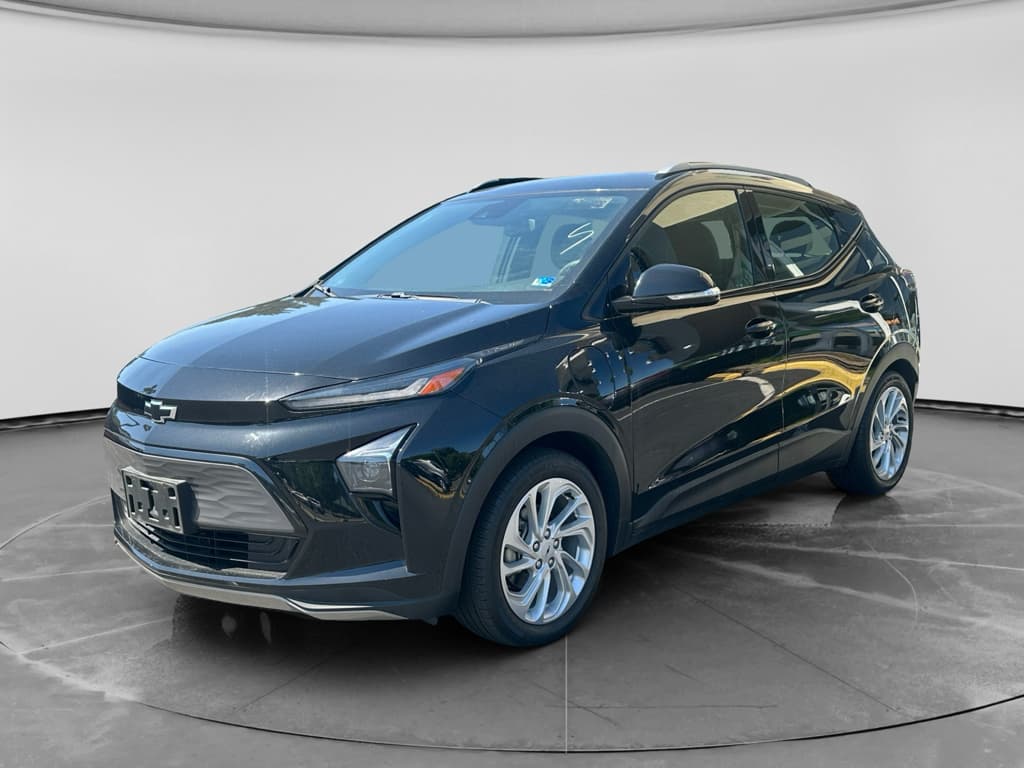
| Entry compact EV | Nissan Leaf, MINI Cooper SE, Chevy Bolt EUV (used/new old stock) | $30,000–$38,000 |
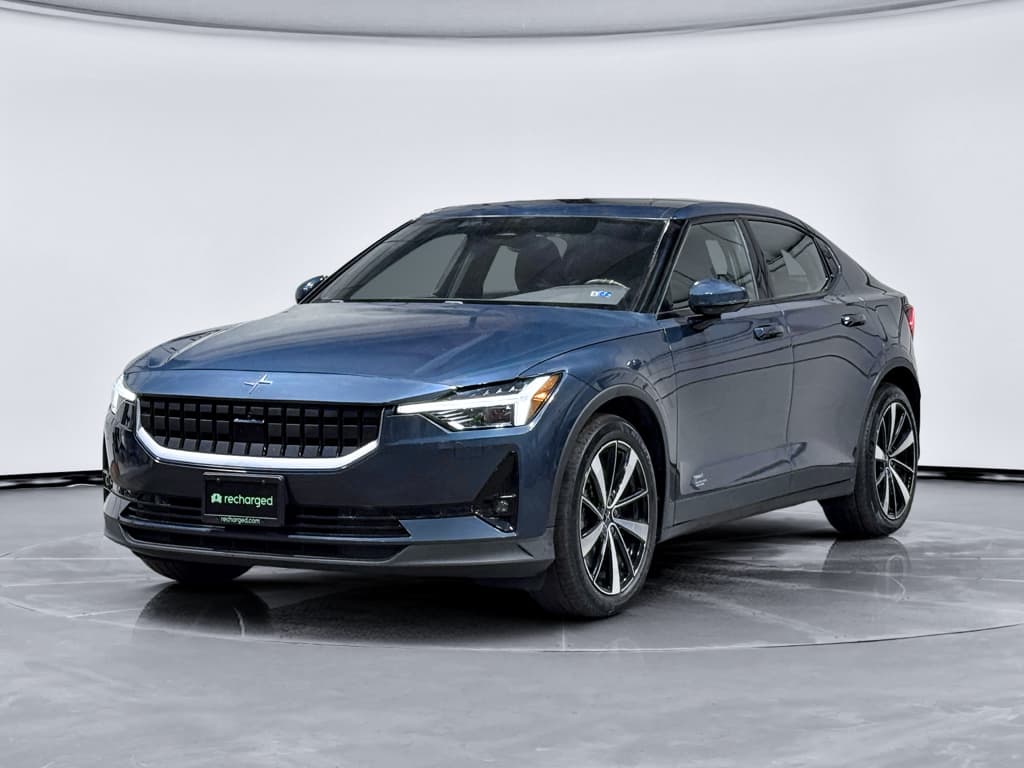
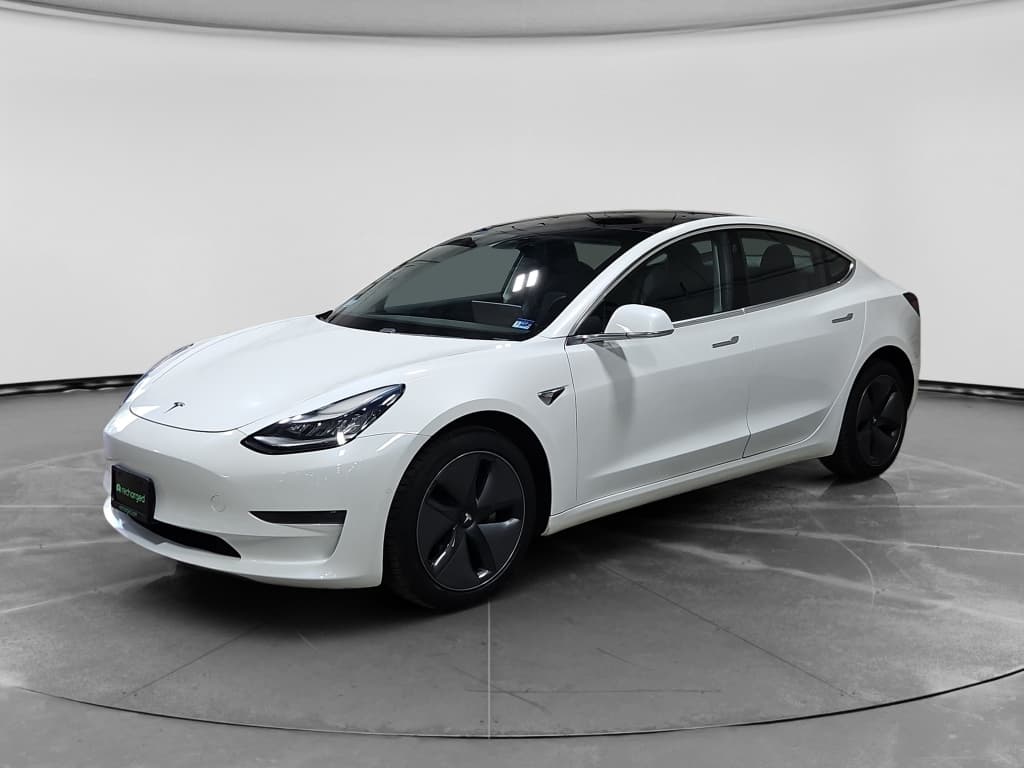
| Compact/midsize EV sedan | Tesla Model 3, Hyundai IONIQ 6, Polestar 2 | $38,000–$55,000 |
| Compact EV SUV | Hyundai Kona Electric, Kia Niro EV, VW ID.4 | $38,000–$55,000 |
| Midsize EV SUV | Tesla Model Y, Hyundai IONIQ 5, Kia EV6, Ford Mustang Mach-E | $45,000–$65,000 |
| Luxury EV sedan/SUV | BMW i4/i5, Mercedes EQE, Audi Q8 e-tron, Lucid Air | $65,000–$100,000+ |
Use these ranges as a sanity check when you’re shopping, if a quote is far outside them, dig into why.
Don’t shop by MSRP alone
- Expect more incentives and discounts on EVs than equivalent gas models in many markets.
- Payments will be higher than a similarly sized gas car at the same APR, but the fuel savings start on day one.
- If your budget is tight, a lightly used EV often makes more sense than a brand-new base model.
Used EV prices and why they’re dropping
The most interesting story in 2025 is the used EV market. After years of high prices, many used electric vehicles, especially Teslas and early mainstream models, have seen sharp price corrections as more supply hits the market and new EV prices fall.
Typical used EV price ranges (U.S., 2025)
Approximate asking-price bands you’re likely to see from dealers and online marketplaces.
| Age & segment | Examples | Typical price range |
|---|---|---|
| 3–5-year-old compact EV | Nissan Leaf, Chevy Bolt EV/EUV, Hyundai Ioniq Electric | $14,000–$22,000 |
| 3–5-year-old compact/midsize sedan | Tesla Model 3, Polestar 2 | $20,000–$32,000 |
| 3–5-year-old compact SUV | Hyundai Kona Electric, Kia Niro EV, VW ID.4 | $22,000–$34,000 |
| 3–5-year-old midsize SUV | Tesla Model Y, Ford Mustang Mach-E, Kia EV6 | $26,000–$40,000 |
| 6–8-year-old early EVs | First-gen Leaf, e-Golf, BMW i3 | $9,000–$16,000 |
Real listings will vary by mileage, battery health, trim, and local demand, but these ranges are a good starting point.
Why used EVs can be bargains
There’s a catch, though: with a used EV, battery health matters more than mileage. A well-cared-for 80,000-mile car with a strong battery can be a better buy than a low-mileage car that sat unused in extreme heat.
Used EV: quick value checklist
1. Check real-world range today
Don’t just trust the original window sticker. Ask the seller what range they see at 80–100% charge in normal driving, and cross-check with owner forums.
2. Get a battery health report
Whenever possible, rely on <strong>independent diagnostics</strong>, not just a dashboard bar graph. Recharged includes a <strong>Recharged Score Report</strong> with verified battery health on every vehicle we list.
3. Look for remaining battery warranty
Most EV batteries are covered for <strong>8 years or 100,000 miles</strong> (sometimes more). A car still under battery warranty can be worth paying more for.
4. Compare total cost vs similar gas car
Don’t stop at price. Estimate your <strong>electricity vs gas costs</strong> for your driving, plus any home-charger installation, to see the full picture.
EV vs gas: what you’ll pay over time
In 2025, a new EV still tends to cost more up front than a comparable gas car, but the gap has tightened. For a typical new vehicle comparison, say a $56,000 EV vs a $48,000 gas car, recent analyses show that over five years, their total cost of ownership often ends up within a few hundred dollars of each other. Fuel and maintenance savings essentially offset much of the higher purchase price.
Typical 5-year cost picture (illustrative)
- Purchase price: EV about $7,000–$10,000 higher new
- Fuel/energy: EV saves roughly $4,000–$5,000 over 5 years for average U.S. driving
- Maintenance: EVs can save another $1,500–$2,500 thanks to fewer moving parts
- Resale value: EVs may hold value similarly or slightly worse, varies by model and region
When EVs usually win
- You drive 10,000–15,000 miles per year
- You charge mostly at home rates, not expensive DC fast chargers
- You keep the vehicle at least 5–7 years
- You live in a state with EV-friendly incentives or cheaper electricity
If you drive very few miles or pay high electricity rates, the math can tilt back toward gas.
Think in monthly cost, not just price
Factors that make one EV cost more than another
4 big levers that drive EV pricing
If you’re flexible on these, you can save thousands.
Battery size & range
Body style & size
Brand & trim
Charging speed
There are softer factors too: warranty length, software features, driver-assistance tech, and the strength of a brand’s charging network can all be baked into the price. As a shopper, your job is to pay for the things you’ll actually use, not just the hottest number on the spec sheet.
How much does charging an EV cost?
Charging costs vary with electricity rates and how efficient your EV is, but across the U.S., electric miles are typically 2–3 times cheaper than gas miles. National averages put many EVs around 3–4 miles per kWh. At typical home rates, that’s roughly $0.03–$0.06 per mile, versus $0.10–$0.15 per mile for many gas cars at today’s fuel prices.
Approximate charging vs gas cost (per 1,000 miles)
Illustrative numbers for a common compact SUV, for drivers who do most of their charging at home.
| Scenario | Assumptions | Approx. cost per 1,000 miles |
|---|---|---|
| Home charging EV | 3.3 mi/kWh efficiency, $0.15/kWh electricity | ≈$45 |
| Mixed charging EV | 70% home at $0.15/kWh, 30% DC fast at higher rates | ≈$60–$80 |
| Gasoline vehicle | 30 mpg, $3.50/gal gasoline | ≈$117 |
Your local utility and gas prices will move these numbers up or down, but the gap in favor of EVs tends to stay.
Home charging is the unlock
What to budget for home charging
1. 240V outlet or hardwired unit
If your panel has capacity, a simple 240V outlet for a portable Level 2 charger can run <strong>$400–$1,000</strong> installed. More complex jobs or panel upgrades cost more.
2. Level 2 charger hardware
Standalone home chargers typically run <strong>$400–$800</strong>, though some utility programs subsidize them or offer rebates.
3. Utility programs & off-peak rates
Many utilities offer <strong>time-of-use rates</strong> or EV-specific plans that make overnight charging significantly cheaper. It’s worth a phone call.
Budgeting for maintenance, insurance, and repairs
Once the EV is in your driveway, the good news is that it’s usually cheaper to keep running than a comparable gas car, despite some categories where EVs still cost more.
Where EVs save you money, and where they don’t (yet)
Think of total cost of ownership as a balance sheet, not a single number.
Areas where EVs usually cost less
- Maintenance: No oil changes, fewer moving parts, and regenerative braking mean fewer routine services.
- Brakes: Pads and rotors often last much longer.
- Fuel: Electricity almost always beats gas on cost per mile when you can charge at home.
Areas that can cost more
- Insurance: Premiums are often higher, partly due to pricier components and limited repair networks.
- Collision repairs: Battery packs and sensors make some repairs costlier.
- Registration/taxes: A few states add EV-specific fees, though they’re usually modest annually.
Battery replacement fears, keep them in perspective
How to get the most EV for your money
If you like the idea of electric but don’t want to overspend, your goal is simple: target the value sweet spot, the models, trims, and age ranges where you get modern range and features without the early-adopter tax.
Smart EV shopping playbook
1. Decide on your real range requirement
Track a typical week of driving. Many households discover they rarely exceed <strong>120–180 miles</strong> in a day. That realization can open up lower-priced EVs with modest, but perfectly adequate, range.
2. Focus on 2–5-year-old used EVs
This is where depreciation has done you a favor. Many 2–5-year-old EVs have <strong>modern range and safety tech</strong> at a sizable discount to new.
3. Compare total monthly cost, not just price
Run the numbers on <strong>payment + charging + insurance + maintenance</strong>. In many cases, a used EV with a slightly higher sale price is cheaper per month because it sips energy and needs less service.
4. Consider certified or independently inspected used EVs
Battery health is the wild card in EV value. Buying from a source that <strong>tests and documents battery condition</strong> can save you from surprises later.
5. Don’t chase the newest “it” model
Last year’s tech is still very good, and often thousands cheaper. Unless you absolutely need the latest range or performance, let someone else pay for the first year of depreciation.
How Recharged helps you shop smarter for a used EV
Used EVs can be incredible values, but they’re not all created equal, especially when it comes to battery health and fair pricing. That’s where Recharged is designed to simplify the process for you.
Why buy a used EV through Recharged?
We’re built from the ground up around electric vehicles, not gas-car habits.
Recharged Score battery diagnostics
Fair market pricing
Financing & trade-in made simple
Ready to find your next EV?
Browse VehiclesInstead of trying to decode a dozen different listings with vague battery information, you get side-by-side, apples-to-apples comparisons that factor in the part of an EV that matters most: its battery. That makes answering “how much is this electric vehicle really worth?” far easier.
FAQ: Electric vehicle costs
Frequently asked questions about EV pricing and costs
Bottom line: Is an EV worth it for you?
When you put it all together, “how much is an electric vehicle?” has a nuanced answer. Up front, you’ll probably pay more than for a similar gas car, unless you shop the increasingly attractive used EV market, where prices have come down fast. Over time, though, savings on fuel and maintenance can bring the total cost of ownership within striking distance of, or even below, a comparable gas vehicle, especially if you can charge at home and drive a typical or above-average number of miles.
If you’re considering a used EV, the key is to look beyond the price tag: battery health, charging access, and realistic range needs matter just as much as dollar figures on a listing. That’s exactly the puzzle Recharged is built to solve, with verified battery diagnostics, transparent pricing, and EV-specialist support from start to finish. Take a few minutes to sketch out your driving and charging situation, then start browsing used EVs with clear battery-health information. You may find that the electric vehicle you assumed was out of reach actually fits your budget, and your life, better than you expected.