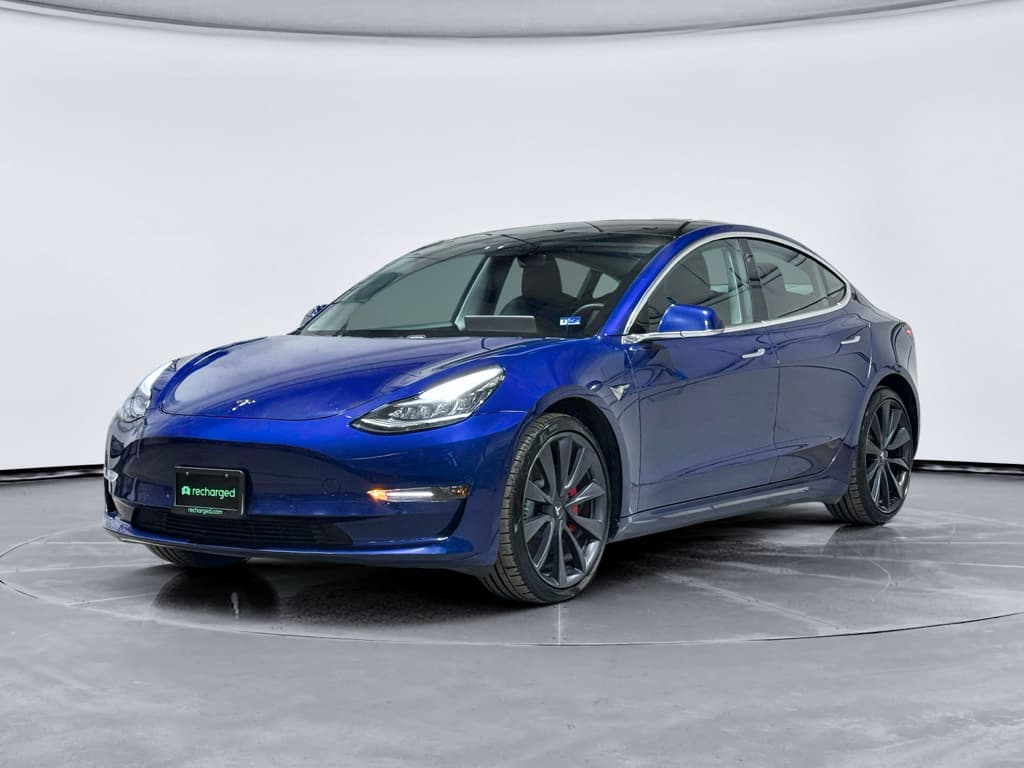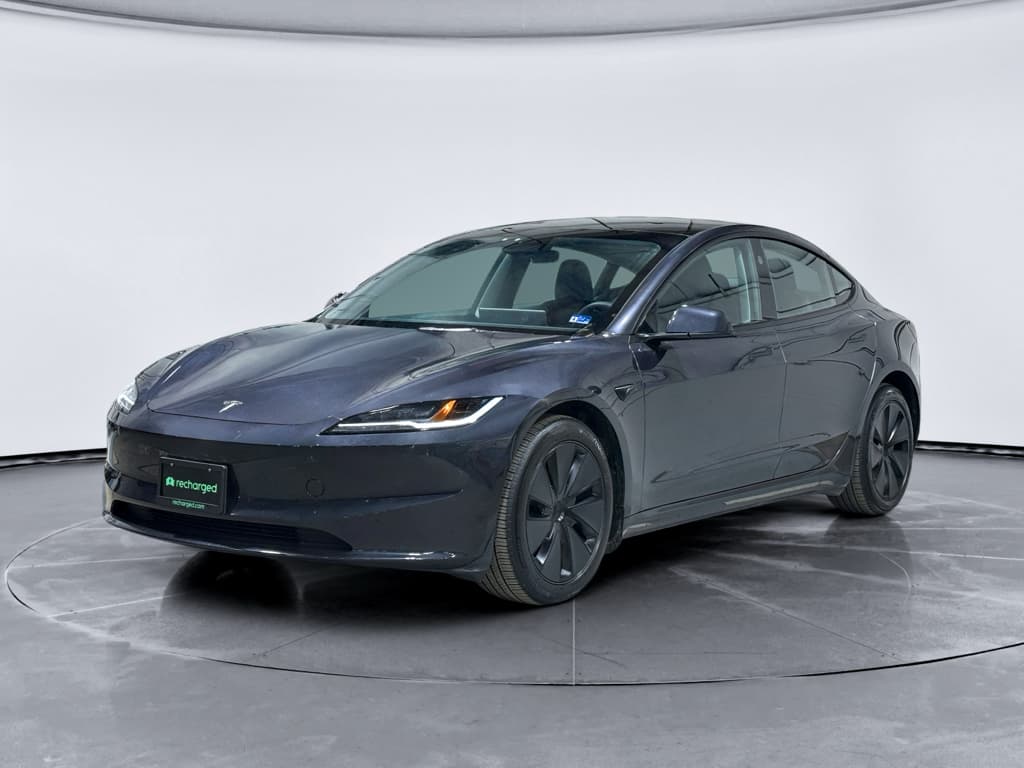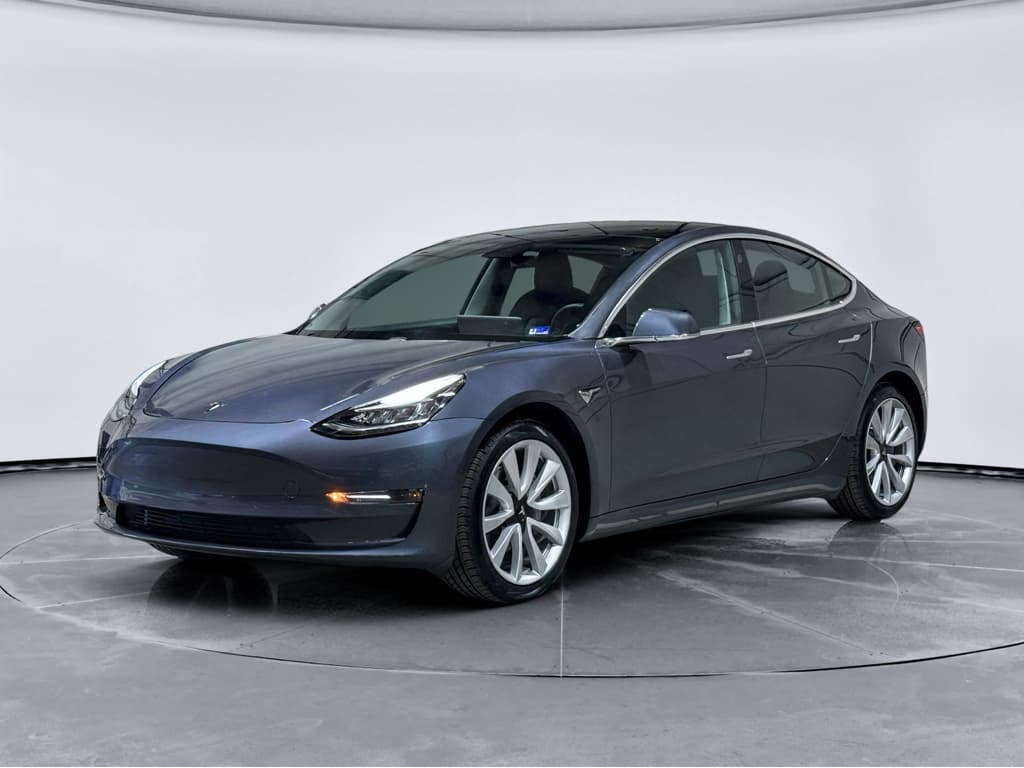
If you’re wondering how much Tesla Model 3 service costs, you’re not alone. EVs cut out oil changes and a lot of moving parts, but that doesn’t mean maintenance is free. The good news: for most U.S. owners, routine Model 3 service typically lands in the mid‑hundreds of dollars per year, not thousands, especially in the first 5–6 years.
Big picture
Tesla Model 3 service cost at a glance
Typical Tesla Model 3 service costs (U.S., 2025–2026)
Those ranges are averages, not promises. Your actual Tesla Model 3 service cost will depend heavily on mileage, climate, wheel and tire choice, and whether you stay within Tesla’s service ecosystem or use a trusted independent EV shop.
Where costs jump
How Tesla service works (and why it’s different from a gas car)
Traditional maintenance schedules are built around engine oil, transmission fluid, timing belts, and dozens of inspections to keep an internal‑combustion car alive. Your Tesla Model 3 doesn’t have any of that. Instead, Tesla treats the car more like a smartphone on wheels: minimal scheduled service, heavy use of over‑the‑air diagnostics and software updates, and service only when needed.
- No oil changes or tune‑ups. There’s no engine oil, spark plugs, or fuel system to service.
- Fewer fluids. The big ones are brake fluid and battery coolant, and coolant is typically a long‑interval item handled by Tesla.
- Condition‑based service. The app recommends service based on on‑board monitoring (like tire wear or alerts), not a fixed 5,000‑mile checklist.
- Mobile service for many jobs. Cabin air filters, minor hardware fixes, and some diagnostics can be done in your driveway.
- App‑only scheduling. You book, approve estimates, and pay through the Tesla app. There’s no traditional service writer counter.
Tip for budgeting
Typical Tesla Model 3 service items and what they cost
Even though there’s no engine, your Model 3 still has brakes, suspension, HVAC, and plenty of hardware that wears. Here are the most common service items and what U.S. owners typically pay at Tesla service centers or reputable independent EV shops as of 2025–2026.
Common Tesla Model 3 service items and rough cost ranges
Approximate U.S. pricing for typical maintenance and light repair jobs on a Model 3. Actual prices vary by region, shop, and model year.
| Service item | Suggested interval* | Typical cost range (parts+labor) | Notes |
|---|---|---|---|
| Tire rotation / balance | Every 6,250–7,500 miles | $60–$150 | Often cheaper at tire shops; helps maximize tire life |
| New tire set (18–20 in) | ~25,000–40,000 miles | $800–$1,400 | Wide range based on brand, wheel size, and driving style |
| Cabin air filter replacement | Every 2 years (1 year in dusty areas) | $80–$200 | Tesla is usually near the high end; DIY filters are cheaper |
| Brake fluid check / flush | Check every 4 years, replace as needed | $120–$250 | Frequency can increase in humid or high‑mileage use |
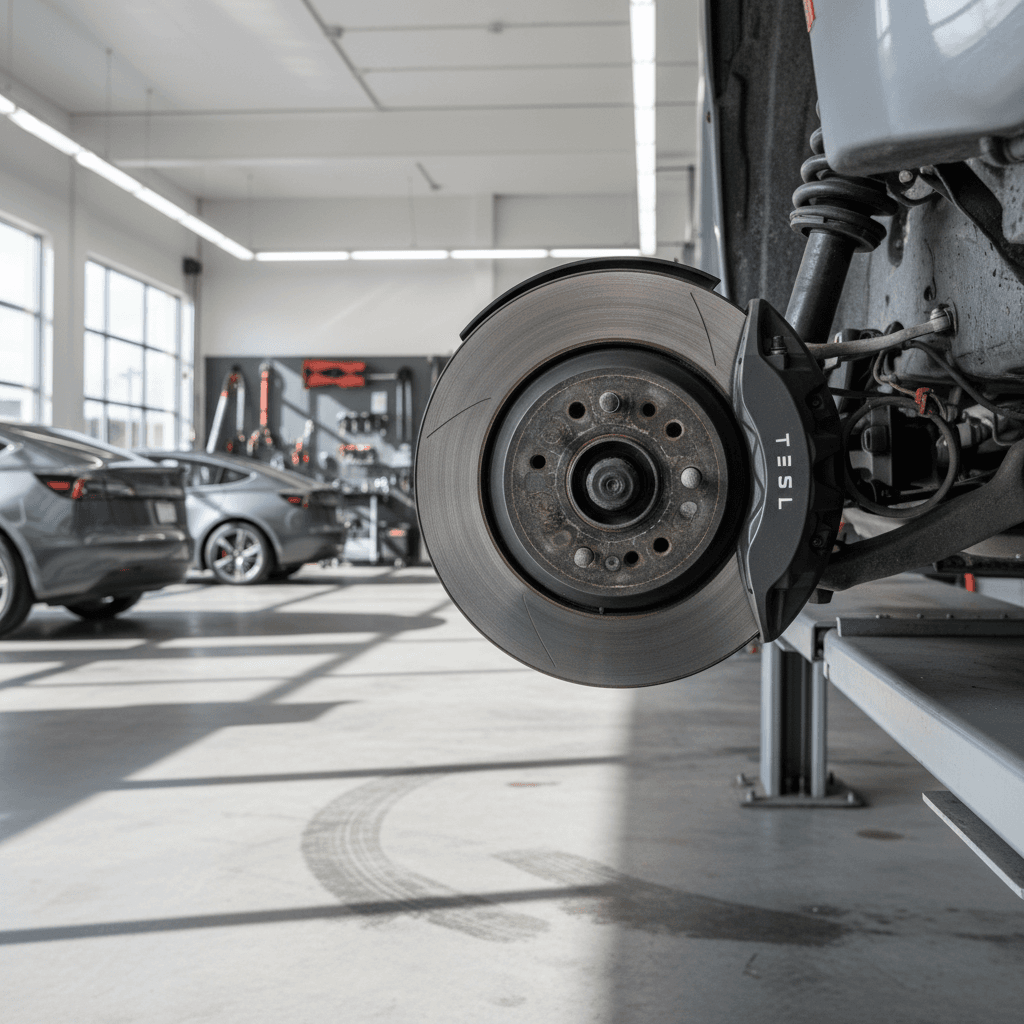
| Brake service (clean / lube sliders) | As needed, often around 3–6 years | $150–$350 | Keeps pads moving freely, important in salty climates |
| Wiper blades | As needed (often yearly) | $30–$80 | Simple DIY job; Tesla blades typically cost more than aftermarket |
| A/C service / desiccant bag | 6 years first time, then every 2 years | $300–$500 | Tesla recommends this for battery and HVAC longevity |
| Alignment | Every 1–2 years or after big potholes | $150–$275 | Important if you see uneven tire wear or the steering wheel isn’t straight |
| 12‑volt / low‑voltage battery | Typically 4–6+ years | $200–$400 | Newer lithium low‑voltage batteries may last longer |
| Minor hardware fixes (door handles, trim, sensors) | As needed | $100–$400+ | Highly variable; many are one‑time issues |
| Out‑of‑warranty repairs (suspension arms, control arms, etc.) | Often 4–8 years+ depending on roads | $400–$1,200+ | Bumpy roads and big wheels can accelerate wear |
Use these numbers as budgeting guides, not quotes. Always confirm pricing in your Tesla app or with your shop before scheduling.
About intervals
Average Tesla Model 3 maintenance cost per year
Let’s translate those line items into an annual budget. Looking at Tesla’s own guidance plus third‑party cost‑to‑own tools and owner data, newer Model 3 sedans in the U.S. generally fall into these buckets if you drive about 10,000–15,000 miles per year:
Annual Tesla Model 3 service cost ranges
Approximate maintenance + light repairs, excluding insurance, registration, and major accidents.
Lower‑mileage, gentle driving
~$250–$500 per year
- Short commutes, mostly mild climate
- 18" wheels, standard tires
- Rotate tires on time; few potholes
Typical spend: cabin filter, tire rotation, wipers, occasional alignment.
Average U.S. owner
~$500–$900 per year
- Mix of city and highway driving
- Tire set about every 3–4 years
- Brake fluid and A/C service on schedule
Where many Model 3 owners land over the first 5–8 years.
High‑mileage / rough roads
$900+ per year
- 20" wheels, sticky tires, spirited driving
- Frequent potholes or unpaved roads
- Earlier suspension and tire wear
Still often cheaper than a comparable sporty gas sedan, but not "maintenance‑free."
Rule‑of‑thumb budget
5‑year Tesla Model 3 service cost examples
It’s easier to see the big picture over several years. Here are simplified 5‑year Tesla Model 3 service cost scenarios for illustration. These are not quotes, just realistic planning tools based on recent data and typical shop pricing.
Illustrative 5‑year Tesla Model 3 maintenance scenarios
Assumes a relatively new Model 3 in the U.S., 2025–2026 pricing, and no major collision damage.
| Owner type | Miles per year | 5‑year maintenance items | Estimated 5‑year service spend |
|---|---|---|---|
| Light‑use commuter | 8,000 | 2× tire rotations per year, 1 tire set in Year 4–5, 2 cabin filters, 1 brake fluid check/flush, wipers, 1–2 alignments | ≈ $1,800–$2,400 (about $360–$480/yr) |
| Typical owner | 12,000–15,000 | 2–3 tire rotations per year, 2 tire sets, 2–3 cabin filters, brake fluid service, A/C service once, wipers, a few alignments, one small hardware/suspension repair | ≈ $2,500–$3,500 (about $500–$700/yr) |
| High‑mileage / harsh roads | 20,000+ | Frequent tire rotations, 2–3 tire sets, more alignments, brake service, A/C and brake fluid service, likely suspension components, wipers, maybe a 12‑V battery | ≈ $3,500–$5,000+ (about $700–$1,000+/yr) |
These examples focus on maintenance and wear items. Insurance, registration, charging costs, and unexpected accidents are separate from service costs.
Don’t ignore tires in your budget
What changes if you buy a used Tesla Model 3?
Buying used doesn’t automatically mean higher service costs, but the timing of bigger items starts to matter. A 6‑year‑old Model 3 with 70,000 miles will be closer to tires, brake service, and possibly suspension parts than a 2‑year‑old car with 15,000 miles.
Used Model 3: higher‑probability items
- Tires and alignment: Often due right away if the prior owner stretched them.
- Brake service: Caliper cleaning and new pads/rotors in rust‑belt states.
- Suspension components: Control arms, links, and bushings on rough‑road cars.
- Cabin filters, A/C service: Easy to defer, so many used cars are overdue.
Used Model 3: what usually stays low
- Battery and drive unit: These are typically covered by an 8‑year warranty on many cars and rarely need service early.
- Software and electronics: Many issues are resolved with updates, not parts.
- Fluid services: Coolant is generally long‑life; brake fluid is periodic, not annual.
So your yearly maintenance might be similar to a new car, but Year 1 of ownership can include a few catch‑up items if the previous owner skipped them.
How Recharged helps on used Teslas
7 ways to lower your Tesla Model 3 service costs
Practical tips to keep Tesla Model 3 service costs in check
1. Rotate tires on schedule
This is the single easiest way to save money. Regular rotations (about every 6,250–7,500 miles) help you get full life out of a $800–$1,400 tire set instead of scrubbing them off early.
2. Choose sensible wheels and tires
Big 20" wheels look great, but they’re more expensive and easier to damage. If you care about running costs more than curb appeal, 18" or 19" wheels with touring tires usually last longer and ride better.
3. Use alignment as cheap insurance
If the car pulls, the steering wheel is off‑center, or you see uneven tire wear, don’t wait. An alignment now is much cheaper than a prematurely worn‑out tire set.
4. Don’t ignore the HVAC system
Cabin filters and A/C service aren’t just comfort items. They help keep the battery’s thermal system healthy, which is one of the most expensive parts of the car to replace if things go wrong.
5. Take advantage of mobile service
When available, Tesla’s mobile techs can handle many jobs at your home or office. That cuts down on your time cost and sometimes on labor compared with a full service‑center visit.
6. Shop tires and simple services
For tires, rotations, and alignments, high‑quality tire shops often beat Tesla’s pricing and may offer road‑hazard warranties. Just be sure they understand EV weight and torque when choosing tires.
7. Fix small issues before they snowball
Clunks, squeaks, and warning lights rarely get cheaper with time. Catching a worn suspension joint or minor leak early typically costs less than waiting until it damages other components.
When you should go to Tesla vs independent EV shop
One reason owners ask "how much does Tesla Model 3 service cost?" is that dealerships and independents can price the same work very differently. With Tesla, you’re dealing directly with the manufacturer. With a used Model 3, you may also have warranty considerations and access to specialized EV shops to weigh.
Good candidates for Tesla service
- Battery or high‑voltage concerns – range loss, charging faults, or cooling system issues.
- Warranty work – anything that might be covered by your new‑vehicle or battery/drive‑unit warranty.
- Complex electronics – Autopilot hardware, cameras, sensor suites, infotainment glitches.
- Official recalls or service campaigns – these are handled directly by Tesla.
Jobs an independent EV shop or tire shop can handle
- Tires, rotations, and alignments – bread‑and‑butter work for any good tire shop.
- Brakes and suspension – pads, rotors, control arms, bushings, and shocks, assuming EV experience.
- Wipers, cabin filters, minor hardware – straightforward DIY or local‑shop tasks.
- Post‑warranty service – once the car is out of warranty, some owners find better pricing with EV‑savvy independents.
If you’re not sure which route makes sense, a transparent inspection and cost estimate can help you decide where the value really is.
Where Recharged fits in
FAQ: Tesla Model 3 service costs
Common questions about Tesla Model 3 maintenance and service
Bottom line: how much does Tesla Model 3 service cost?
If you’re cross‑shopping a Tesla Model 3 against a comparable gas sedan, the maintenance story is straightforward: fewer scheduled services, fewer moving parts, and typically lower yearly costs. Most owners who drive a normal amount and stay on top of tires and basic checks spend in the neighborhood of $500–$900 per year on service, often less in the early years.
You’ll still need to budget for tires, alignments, the odd suspension part, and periodic brake and HVAC service, but you’re not signing up for oil changes, transmission work, or complex engine repairs. If you’re looking at a used Model 3, paying attention to battery health, tire condition, and service history goes a long way toward predicting what the next few years will cost.
And if you’d like help finding a Model 3 with predictable long‑term costs, Recharged can pair you with a used Tesla backed by a Recharged Score battery report, transparent pricing, and EV‑savvy guidance from search to delivery. That way you’re not just buying the right car, you’re buying into ownership costs you’re comfortable with.