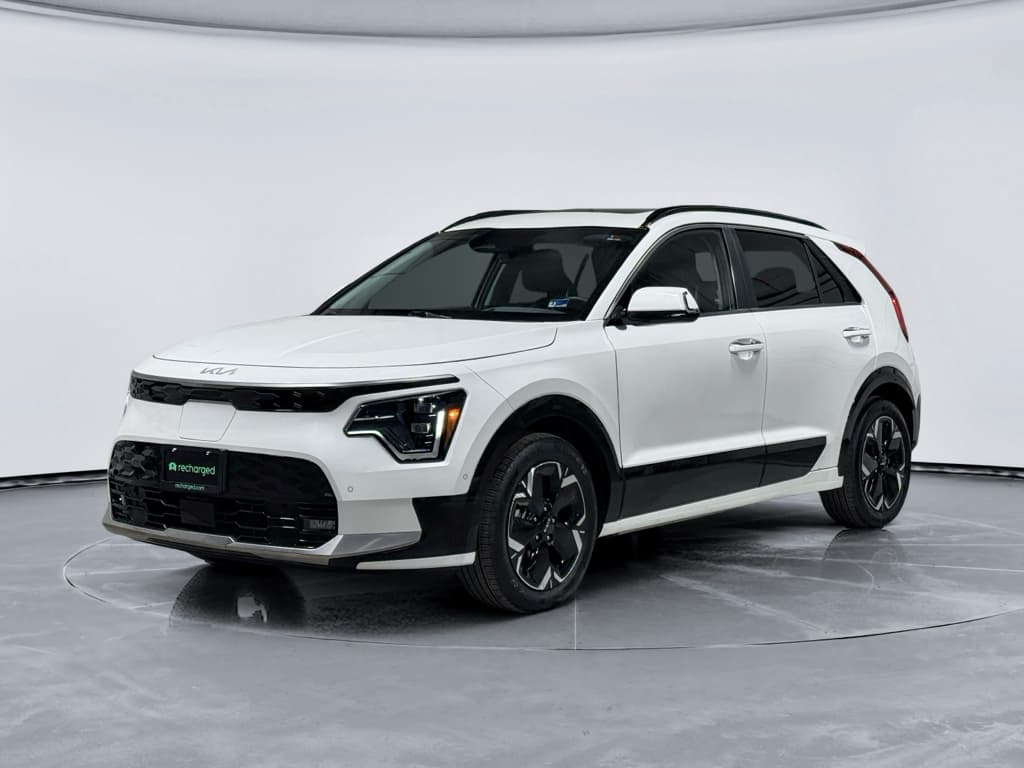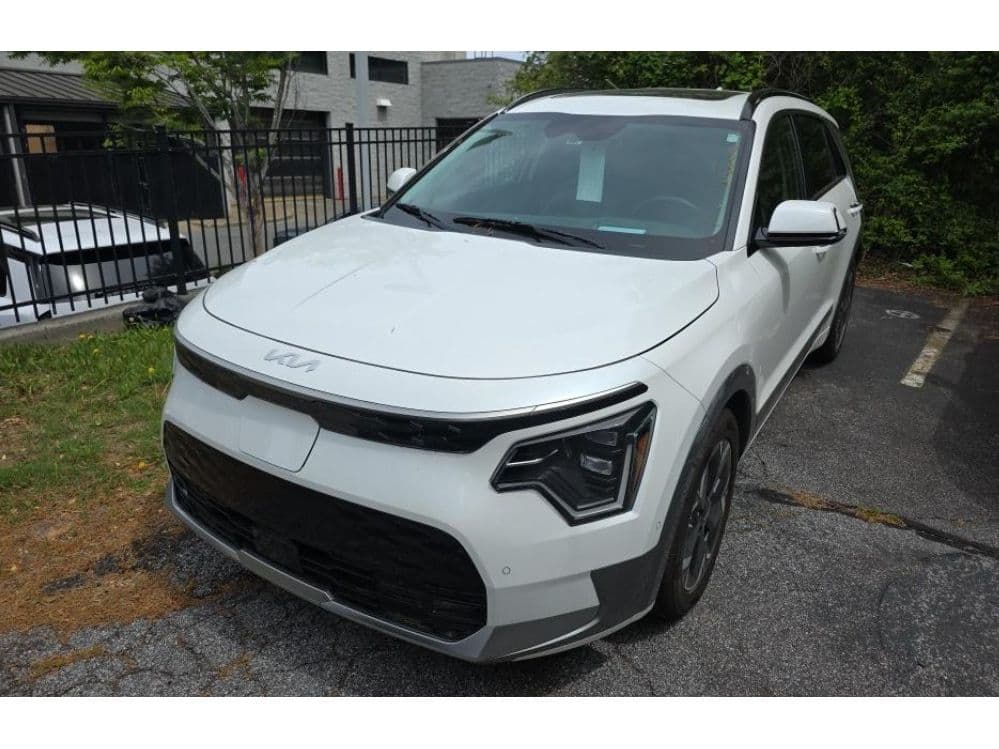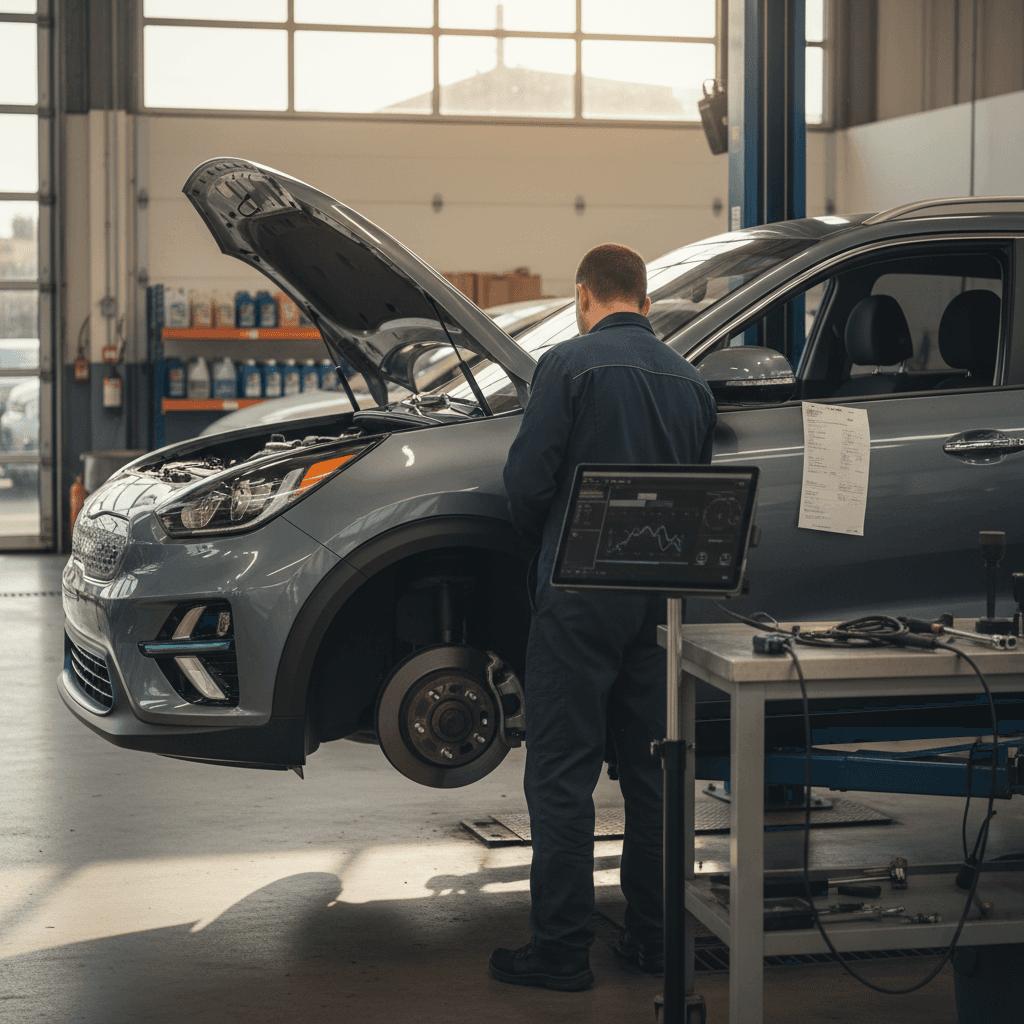
If you’re eyeing a Kia Niro EV, or you already have one in the driveway, the obvious money question is this: how much does Kia Niro EV service cost over a normal year of driving? The good news is that an EV like the Niro needs far less routine work than a gas crossover, but dealers don’t always make the pricing easy to understand.
Key takeaway
Kia Niro EV service cost at a glance
Typical Kia Niro EV maintenance costs
Exact numbers vary by dealer, labor rates in your area, and how much you choose to DIY. But in broad strokes, servicing a Niro EV looks more like paying for regular inspections, tire rotations, and occasional fluids than the oil‑change treadmill you’re used to with gas cars.
What maintenance a Kia Niro EV actually needs
Before we talk dollars, it helps to know what Kia actually calls for. The Niro EV shares the same basic philosophy as most electric crossovers: very little scheduled work, but it needs to be done on time to keep the high‑voltage bits happy and the warranty intact.
- Every 7,500 miles or so: Multi‑point inspection, tire rotation, check brakes, top off fluids, inspect cabin air filter.
- Every 15,000–30,000 miles: Replace cabin air filter, more detailed inspection of suspension, steering, and underbody.
- Around 45,000–60,000 miles: Brake fluid replacement, coolant inspections or changes for battery and inverter depending on model year and region.
- As needed: Wiper blades, 12‑volt battery, tires, and brake pads (often last longer on EVs thanks to regenerative braking).
- Rarely or never: No engine oil, spark plugs, belts, or exhaust system service, because there isn’t a traditional engine.
Watch for dealer “extras”
Typical Kia Niro EV service visit costs
So what happens when you actually roll into a service drive? Let’s break out the common visit types and what U.S. owners typically see on the invoice if they’re *not* on a prepaid plan.
Common Kia Niro EV service visits and price ranges
Approximate out‑of‑pocket prices at U.S. dealerships and independent shops. Your numbers may vary with labor rates and taxes.
| Service visit | What’s usually included | Dealer price range | Independent/chain shop range |
|---|---|---|---|
| Basic inspection + tire rotation (7,500–15,000 mi) | Multi‑point inspection, tire rotation, software/recall checks | $120–$220 | $70–$140 |
| Inspection + cabin air filter | Basic visit plus cabin filter replacement | $160–$260 | $110–$190 |
| Brake fluid service (30,000–45,000 mi) | Brake fluid flush/replace, system bleed, inspection | $180–$300 | $130–$220 |
| Battery/inverter coolant service (45,000–60,000+ mi, where required) | Drain and refill coolant circuit(s), bleed system, check for leaks | $250–$450 | $200–$350 |
| Tire replacement (full set, 17–18") | Four tires, mount/balance, disposal, TPMS reset | $700–$1,100 | $600–$1,000 |
These ranges assume you’re near the end of any free maintenance but still under warranty, driving about 12,000–15,000 miles per year.
Ask for a line‑item estimate
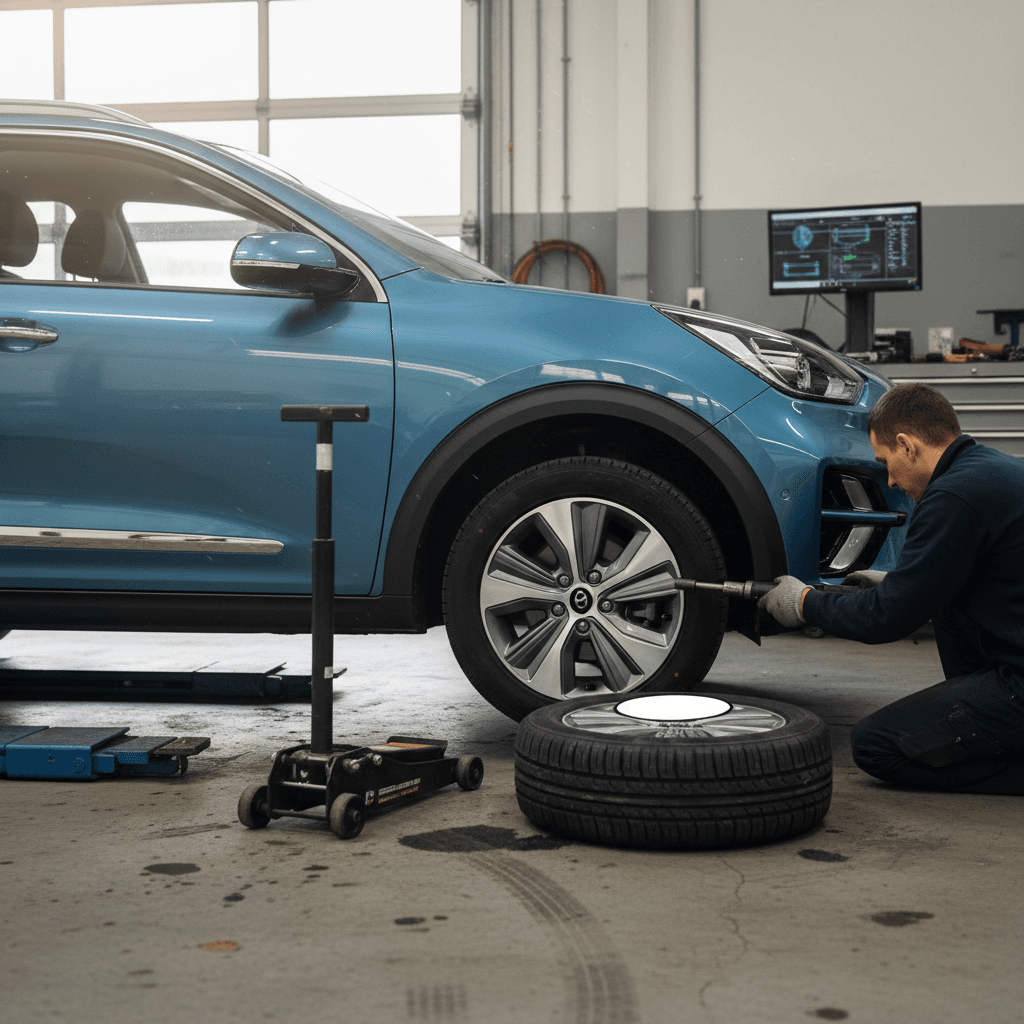
Estimated annual and 5‑year Kia Niro EV maintenance costs
If you average 12,000–15,000 miles per year, you’ll see a mix of quick visits and the occasional fluid service. That makes it easier to think in terms of average yearly cost instead of every individual invoice.
Years 1–3: The cheap years
For many Niro EV owners, the first few years are blissfully inexpensive:
- Mostly basic inspections and tire rotations
- Possibly some complimentary dealer services or prepaid maintenance baked into the purchase
- Maybe one brake fluid service in the latter part of this window
Realistic budget: about $200–$350 per year, assuming you’re paying out of pocket.
Years 4–5: Fluids and wear items
Once mileage creeps past the mid‑30,000s into the 50,000–60,000‑mile range, a few higher‑priced items show up:
- Brake fluid and, on some schedules, coolant service
- First replacement set of tires if you drive a lot
- Cabin filter and routine inspections
Realistic budget: about $350–$550 per year during these years, especially if tires and fluids hit close together.
How this compares to a gas crossover
Dealer vs independent shop vs DIY for Niro EV service
Where you choose to service your Niro EV has as much impact on cost as the maintenance schedule itself. The key is understanding when you really need a Kia dealer, and when a competent shop or your own toolbox is perfectly fine.
Service options and when they make sense
Mix and match to balance cost, convenience, and peace of mind.
Kia dealer
Best for: Warranty work, software updates, recalls, and high‑voltage diagnosis.
- Factory training and tools
- Highest labor rates
- Sometimes includes “free” services for a limited time
Independent EV‑savvy shop
Best for: Tire rotations, brake service, alignment, and non‑high‑voltage work.
- Often 20–30% cheaper than dealers
- More flexible on parts and scheduling
- Ask specifically about EV experience
DIY at home
Best for: Cabin filters, wiper blades, 12‑volt battery, and visual inspections.
- Lowest cost, just your time
- Keep receipts and a simple log book
- Leave high‑voltage systems to professionals
High‑voltage safety first
How maintenance affects warranty and resale value
Kia’s EV warranties are generous, especially on the high‑voltage battery, but they assume you’ve taken reasonable care of the car. Skipping routine service can create headaches later, especially if you’re dealing with a big repair or planning to sell.
Maintenance decisions that matter long‑term
Follow the mileage and time intervals
You don’t need to visit the dealer every few months just because they call, but you should hit the major inspection and fluid intervals in the manual, even if you drive fewer miles than average.
Document every service
Keep digital or paper copies of every invoice, whether it’s from a dealer, an independent shop, or parts you bought for DIY. A simple folder or notes app log can help if Kia ever questions a warranty claim.
Don’t ignore warning lights
If you see a high‑voltage system warning, reduced‑power message, or persistent check‑EV light, don’t wait. Document when it appeared, and get it checked promptly, that paper trail helps if there’s a warranty issue.
Think ahead to resale
A buyer who sees consistent service records will pay more and feel better about taking over your EV. At Recharged, we review this history along with our <strong>Recharged Score</strong> battery diagnostics when we value a used Niro EV.
How Recharged uses service history
Ready to find your next EV?
Browse Vehicles7 ways to lower your Kia Niro EV service costs
You can’t control every invoice, but you have more power over your maintenance budget than you might think. Here are smart, realistic ways to keep costs in check without cutting corners.
- Say no to unnecessary services. Compare every quote to the factory schedule and decline engine‑style add‑ons your Niro EV doesn’t need.
- Rotate tires on time. EVs are hard on tires. Rotating every 7,500–10,000 miles helps them wear evenly and delays that $700–$1,100 replacement bill.
- Shop around between dealers. Kia dealers in the same metro area can differ wildly on pricing. A few phone calls or online quotes can easily save $50–$150 on the same service.
- Use an EV‑experienced independent shop. For brakes, tires, and basic inspections, a shop that understands EV weight and regen braking can often do the job for less than the dealer.
- DIY simple items. Cabin filters, wipers, and even a 12‑volt battery swap are within reach for many owners with basic tools and a YouTube walkthrough.
- Keep software up to date. Some issues are solved with software and recall campaigns. Regularly checking with a dealer, or through Kia’s app, can save you from chasing phantom problems.
- Drive gently on the hardware. Smooth acceleration, avoiding potholes, and not over‑loading the car doesn’t just save energy. It also protects suspension, tires, and brakes over the long haul.
Consider, but don’t assume you need, a maintenance plan
Service costs when you buy a used Kia Niro EV
If you’re shopping the used market, service costs are part of the bigger question: “Am I inheriting someone else’s problems?” With the Niro EV, the story is often positive, if you know what to look for before you sign anything.
What usually needs attention on a used Niro EV
- Brakes and tires: Check remaining tread and pad thickness.
- Brake fluid age: If it’s over three years old, budget for a flush.
- Coolant intervals: Confirm whether battery and inverter coolant services are up to date.
- Cabin filter and 12‑volt battery: Small items, but nice to have fresh.
These are the things that can translate into a quick $300–$800 right after you buy, if they’ve been ignored.
How Recharged helps you avoid surprises
When you shop for a used Kia Niro EV through Recharged, every vehicle comes with a Recharged Score Report that includes:
- Independently verified battery health and charging behavior
- A review of visible maintenance history
- Transparent notes on upcoming routine services you should plan for
- Fair‑market pricing that reflects both condition and maintenance
You also get EV‑specialist support to walk through service questions before you commit.
FAQ: Kia Niro EV service costs
Common questions about Kia Niro EV service pricing
Bottom line: What you should really budget
If you like tidy numbers, here’s the short version: for a Kia Niro EV driven like a typical compact SUV, plan on $250–$450 a year for routine maintenance, knowing that some years you’ll only see your service advisor for a rotation and a handshake, and others you’ll swallow a bigger tire or fluid bill.
The Niro EV is built to be a low‑drama, low‑maintenance commuter. As long as you stick to the schedule, say no to unneeded extras, and keep a simple paper trail, service costs should stay comfortably below what you’d expect from a gas crossover. And if you’re considering a used Niro EV, working with a specialist like Recharged, where every car includes a Recharged Score battery health report and clear notes on upcoming maintenance, can make those costs even more predictable from day one.