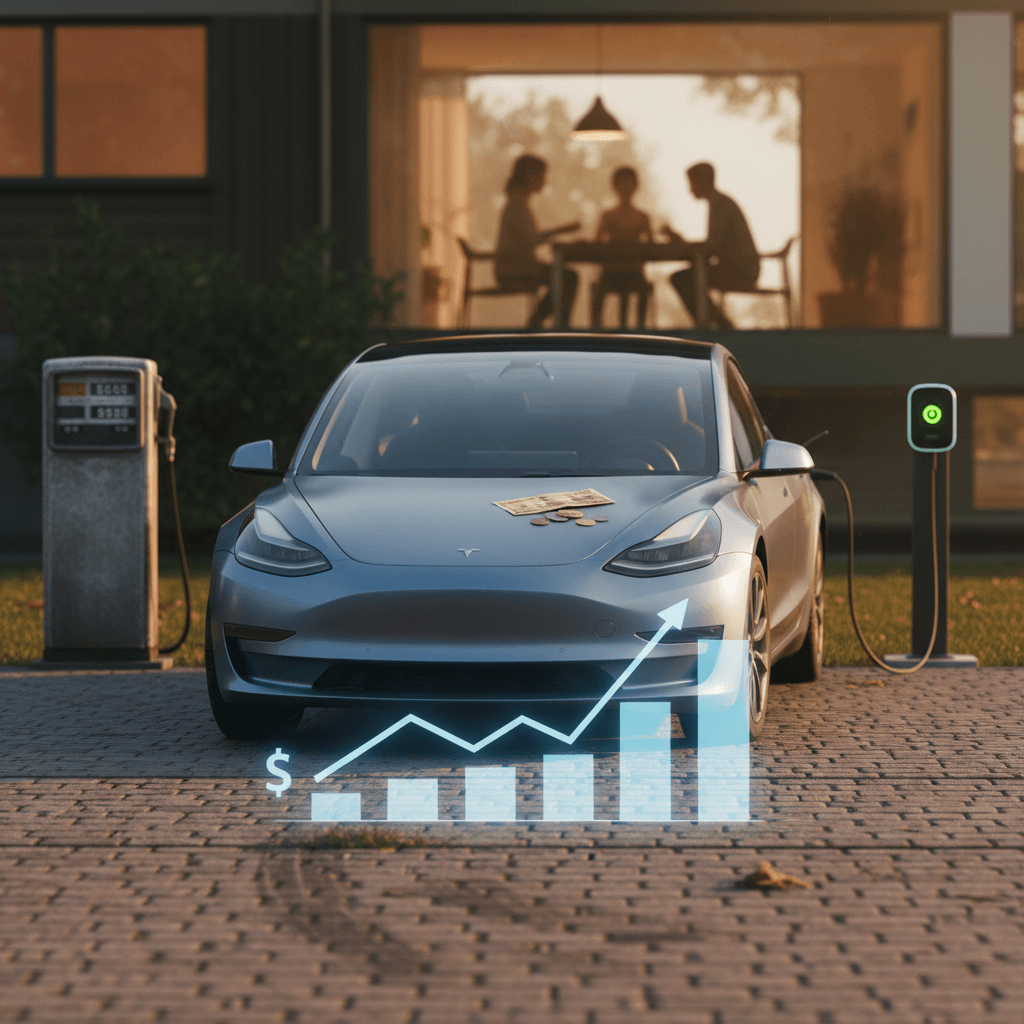
You’re not imagining it: gas has become a monthly subscription you never signed up for. If you’re wondering how much you can save by switching to an electric car, the honest answer is: it depends on how you drive, where you live, and what you buy, but for many U.S. drivers the savings run into the thousands of dollars over a few years.
Quick takeaway
How much can you really save by switching to an electric car?
Typical U.S. EV savings at a glance
Those numbers are big, but they’re also averages. Your savings will hinge on a few key variables: local electricity and gas prices, how efficient your current car is, whether you can charge at home, and whether you buy new or used. Let’s break each of those pieces down so you can see what switching to an EV would look like for you.
The four big buckets of EV savings
Where EV savings actually come from
Not just fuel, four levers add up to real money
1. Fuel costs
Gas is volatile and usually pricey. Electricity tends to be cheaper per mile, especially with home charging on off‑peak rates. This is where many drivers see the biggest, most predictable savings.
2. Maintenance & repairs
EVs have far fewer moving parts: no oil changes, no spark plugs, no exhaust system. You’ll still buy tires and brake pads, but the routine maintenance schedule is much lighter.
3. Tax credits & rebates
Federal tax credits, state rebates, and utility incentives can cut thousands of dollars off the effective price of an EV or home charger, especially if you buy smart.
4. Depreciation & resale
Total cost of ownership also depends on how well the car holds its value. Buying used can let someone else eat the steepest depreciation curve, amplifying your savings.
Think in total cost of ownership
Fuel savings: Electric vs gas costs per mile
Let’s start with the biggest and most intuitive lever: fuel. The question you really care about is, “What does it cost me to drive a mile on gasoline versus electricity?” We’ll keep this grounded in realistic U.S. numbers and walk through an easy way to sanity‑check your own situation.
Typical U.S. fuel cost comparison
Illustrative example for a 25‑mpg gas car vs a reasonably efficient EV, at common U.S. energy prices.
| Scenario | Assumptions | Cost per mile | Annual fuel cost (12,000 mi) |
|---|---|---|---|
| Gasoline car | 25 mpg, $3.75/gal | $0.15/mi | $1,800 |
| EV – home charging | 0.30 kWh/mi, $0.15/kWh | $0.045/mi | $540 |
| EV – mixed charging | 70% home at $0.15/kWh, 30% public at $0.30/kWh | ≈$0.066/mi | ≈$792 |
| EV – mostly fast charging | 0.35 kWh/mi, $0.40/kWh at DC fast chargers | $0.14/mi | $1,680 |
Use your own local prices for a more precise estimate, but these numbers show why many drivers see meaningful savings.
In the most common and favorable scenario, charging mainly at home, an EV can cut your per‑mile “fuel” cost by two‑thirds or more. Even if you rely partly on public fast charging, you’re often still ahead of a typical gas car, especially if your current vehicle is older or less efficient than 25 mpg.
Where EV fuel savings can disappoint
- If you drive more than 12,000 miles a year, your EV fuel savings multiply quickly.
- If your current gas car gets poor mileage, say 18–20 mpg, switching to an EV can feel like getting a perpetual “half‑price gas” deal.
- If your electricity is unusually expensive, look into time‑of‑use (off‑peak) rates or home solar to bring your per‑mile cost back down.

Maintenance and repair savings with an EV
If gasoline is the obvious villain, maintenance is the quiet accomplice. With a traditional internal combustion car, you’re paying to keep a small chemical refinery alive under the hood. EVs skip most of that drama.
What you stop paying for
- Oil changes and oil filters
- Spark plugs, ignition coils, timing belts
- Exhaust system repairs and emissions components
- Many transmission services (most EVs use a single‑speed unit)
- Engine air filters, fuel system cleanings
What you’ll still pay for
- Tires (EVs can be a bit heavier, so prioritize good tires)
- Brake fluid and occasional brake service (though regen braking reduces wear)
- Cabin air filters
- Wiper blades and washer fluid
- Occasional software or hardware fixes, just like any modern car
Realistic maintenance savings
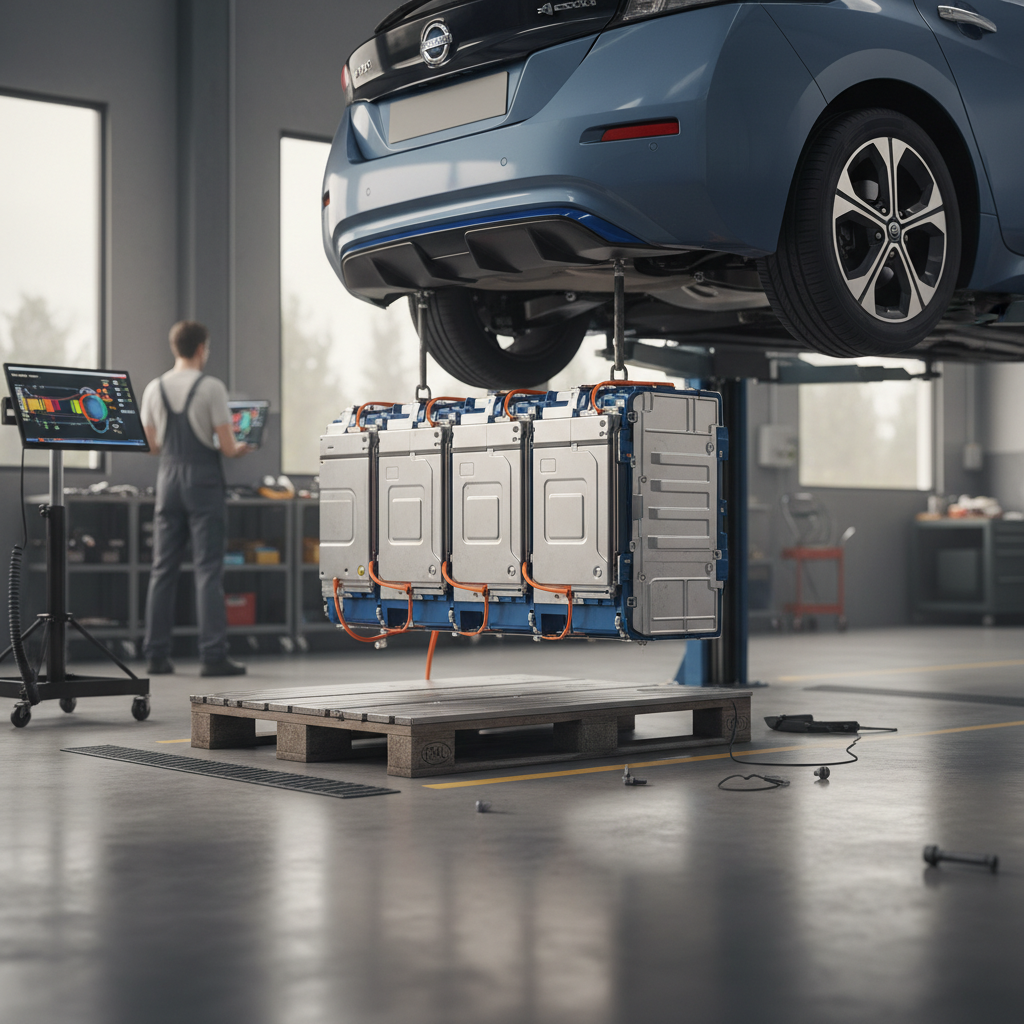
The big, scary line item everybody worries about is the battery. Modern EV batteries are engineered to last many years and typically carry long warranties measured in both years and miles. Buying a used EV with documented battery health, or a third‑party battery health report like the Recharged Score you get with every car sold on Recharged, helps you avoid surprises.
Tax credits, rebates, and utility incentives
On top of lower operating costs, EVs stack the deck with incentives. Depending on what you buy and where you live, you may qualify for a federal tax credit, a state rebate, and even help from your electric utility for installing home charging.
Three major incentive types to watch
These can turn a good EV deal into a great one
Federal tax credits
The U.S. federal government offers tax credits on many new EVs and some used ones. New EV credits can be substantial, while used EV credits are smaller but still meaningful.
State & local programs
Some states and cities add their own rebates or tax breaks. These can apply to the car itself, registration fees, or even carpool lane access that saves you time.
Utility & charger incentives
Electric utilities increasingly offer rebates for Level 2 home chargers or lower “EV friendly” rates for off‑peak charging. That shrinks both your upfront and ongoing costs.
New vs used: incentive differences
Because incentive rules change frequently and depend on your income, tax situation, and location, it’s worth double‑checking the current details before you commit. Many buyers now take advantage of point‑of‑sale options where a dealer or marketplace applies a qualifying credit directly to the price instead of you waiting until tax time.
What about insurance, depreciation, and resale value?
No cost‑of‑ownership conversation is complete without the less glamorous line items: insurance premiums and depreciation. These don’t make splashy headlines, but they absolutely affect how much you truly save by going electric.
- Insurance: Some EVs cost more to insure than a comparable gas car; others are similar. The difference often comes down to repair costs and your personal profile. Always get a real quote on the specific EV you’re considering.
- Depreciation: Like smartphones, early EVs lost value fast as newer, better models arrived. Today the curve is still steep on some models but has steadied on others. Buying used lets you benefit from the depreciation someone else already paid for.
- Resale value: As charging infrastructure expands and more people consider EVs, well‑maintained electric cars with healthy batteries are increasingly desirable on the used market. Keeping good service records and a battery health report helps protect your resale value.
Battery health is the new “engine condition”
Used EVs: How to save even more on the switch
If you’re mainly interested in savings, a used electric car is where things get interesting. You keep all the ongoing fuel and maintenance advantages of an EV, but you skip the heaviest part of the depreciation curve that hits brand‑new cars.
Why used EVs are a savings sweet spot
Three reasons budget‑minded drivers should look used first
Lower upfront cost
Compared with a new EV, a well‑chosen used model can cut your purchase price dramatically, often more than any single tax credit.
Battery health transparency
Tools like the Recharged Score give you a clear, third‑party view of battery condition, so you’re not guessing how much real‑world range you’re buying.
Immediate savings
Because your monthly payment is lower and your operating costs are low from day one, the total savings vs your old gas car can show up immediately in your budget.
What to look for in a used EV
Recharged was built around this exact opportunity: making the used EV market more transparent. Every vehicle on the platform comes with a verified battery health report, fair market pricing, and expert guidance, so you’re not left decoding range numbers and service histories on your own.
Simple steps to calculate your own EV savings
Rules of thumb are helpful, but nothing beats running your own numbers. You don’t need a spreadsheet degree, just a few real‑world figures and a willingness to be honest about how you drive.
5‑step DIY EV savings check
1. Estimate your annual mileage
Look at your most recent service records, insurance paperwork, or odometer readings. Most U.S. drivers are between 10,000 and 15,000 miles a year. Use a realistic number, this drives everything else.
2. Calculate your current fuel cost per mile
Divide your average gas price by your car’s real‑world mpg. For example, $3.75 ÷ 25 mpg = $0.15 per mile. Multiply that by your annual miles for a yearly fuel cost.
3. Estimate EV electricity cost per mile
Check the kWh/100 mi rating for the EV you’re considering (or its kWh/mi). Multiply by your home electricity rate per kWh. If you’ll use a mix of home and public charging, blend the costs accordingly.
4. Compare maintenance expectations
Look up the maintenance schedule for your current car vs the EV. Price out oil changes, transmission services, and common wear items on the gas car. Then compare to the simpler EV schedule, this is where a lot of hidden savings live.
5. Factor in incentives and purchase price
Subtract any tax credits and rebates you’re likely to qualify for from the EV’s price. If you’re trading in or selling your current car, factor that in too. A marketplace like Recharged can help you understand fair pricing on both sides.
Rule‑of‑thumb checkpoint
Common myths about EV savings, debunked
EVs attract myths the way gas cars attract receipts in the center console. A few of these misunderstandings can make people underestimate how much they might save, or, occasionally, overestimate it.
EV savings myths vs reality
Clear these up before you run your numbers
Myth 1: "Electricity is basically free"
Reality: Electricity costs real money and varies by region. What makes EVs compelling isn’t “free fuel” but more stable, often much lower per‑mile energy cost, especially with off‑peak home charging.
Myth 2: "Batteries all die at 8–10 years"
Reality: Modern EV batteries usually retain most of their usable range well past that, especially when not abused by constant fast charging. Degradation is gradual, not a cliff, and good diagnostics tell you what you’re actually getting.
Myth 3: "Maintenance is zero on EVs"
Reality: EVs still need tires, brakes, and occasional service. The difference is far fewer routine engine‑related services, which typically lowers your average annual spend.
Myth 4: "EVs are only cheaper if you buy new"
Reality: The biggest savings often show up in the used EV market, where you combine a lower purchase price with ongoing fuel and maintenance advantages.
Where people overestimate EV savings
Frequently asked questions about EV savings
EV savings: Your questions answered
Bottom line: Should you switch to an EV?
If you drive a normal American amount, pay normal American gas prices, and have at least a decent shot at home or workplace charging, switching to an electric car is very likely to save you real money over the next several years, not just in theory, but in your monthly budget. The key is matching the right EV to your life and buying it at the right point on its depreciation curve.
For many drivers, that means skipping the bleeding‑edge new car and looking for a well‑priced used EV with documented battery health. That’s exactly the gap Recharged is built to fill: verified battery diagnostics, fair pricing, EV‑savvy guidance, and nationwide delivery, so the numbers make sense before you ever plug in for the first time.
Run your own numbers, be honest about how and where you’ll charge, and then compare a few real cars, not just theoretical charts. The odds are good that once you do that math, the question stops being “Can I afford to go electric?” and turns into “How much longer do I want to keep paying for gas?”