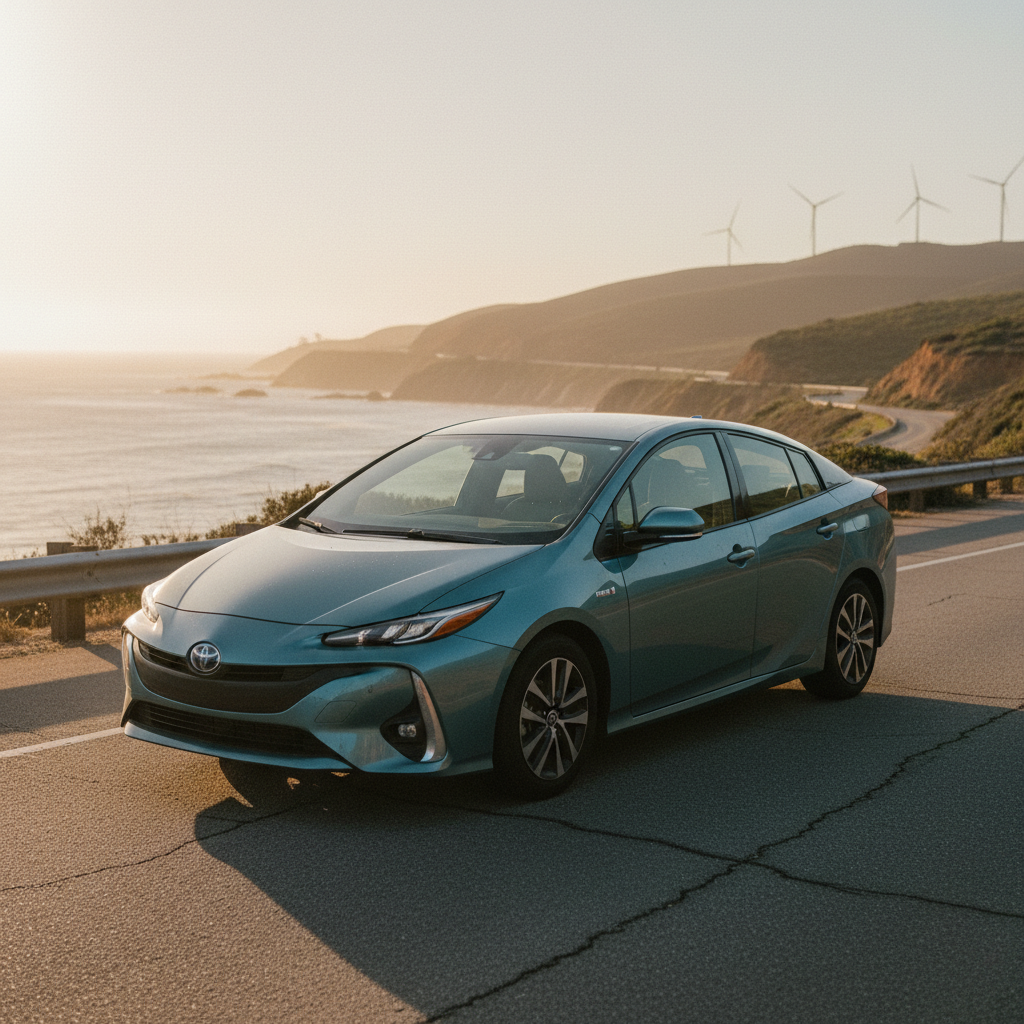
If you’re wondering how many miles an electric car can last, you’re not alone. Battery life and long‑term durability are the top questions buyers ask, especially if you’re considering a used EV with 60,000, 80,000, or even 120,000 miles on the clock. The encouraging news: modern electric cars are built to run well past 150,000 miles, and many are on track for 200,000 miles or more with their original battery.
Key takeaway
How many miles can an electric car last? The short answer
Electric car lifespan at a glance
When people ask how many miles an electric car can last, they’re usually asking two slightly different questions: how long the car itself will stay on the road, and how long the battery will deliver useful range. In both cases, the answer is longer than most early skeptics expected.
- Most EVs today are built to last at least 150,000–200,000 miles in normal use.
- Battery warranties are typically 8 years or 100,000 miles at a minimum, with some up to 120,000–150,000 miles.
- Real‑world fleet data shows many EV batteries retaining the majority of their capacity well beyond 100,000 miles, with only modest range loss rather than sudden failure.
Think in range, not just miles
EV lifespan in years vs miles
Gas drivers often judge life by miles ("This car will go 200,000 miles"). EV owners should look at both years and miles, because batteries age with time as well as use. The good news is that modern lithium‑ion packs age more gracefully than many people fear.
Typical lifespan: electric vs gasoline car
High‑level comparison for mainstream vehicles in North America. Individual results vary with climate, care, and driving style.
| Vehicle type | Typical lifespan (miles) | Typical lifespan (years) | Main weak point |
|---|---|---|---|
| Modern electric car | 150,000–200,000+ | 12–18 | Battery capacity loss over time |
| Gasoline car | 150,000–200,000 | 10–15 | Engine & transmission wear, corrosion |
| Older first‑gen EV (2011–2013) | 80,000–120,000 | 8–12 | Early battery chemistries, less robust cooling |
EVs increasingly match or beat the service life of comparable combustion cars.
A growing body of research on real‑world registrations and inspection data shows EV lifespans now rival gasoline cars. In other words, the car around the battery, suspension, body, interior, will often wear out or become outdated before the battery completely gives up.
What “end of life” really means
Does the battery or the car wear out first?
Battery lifespan
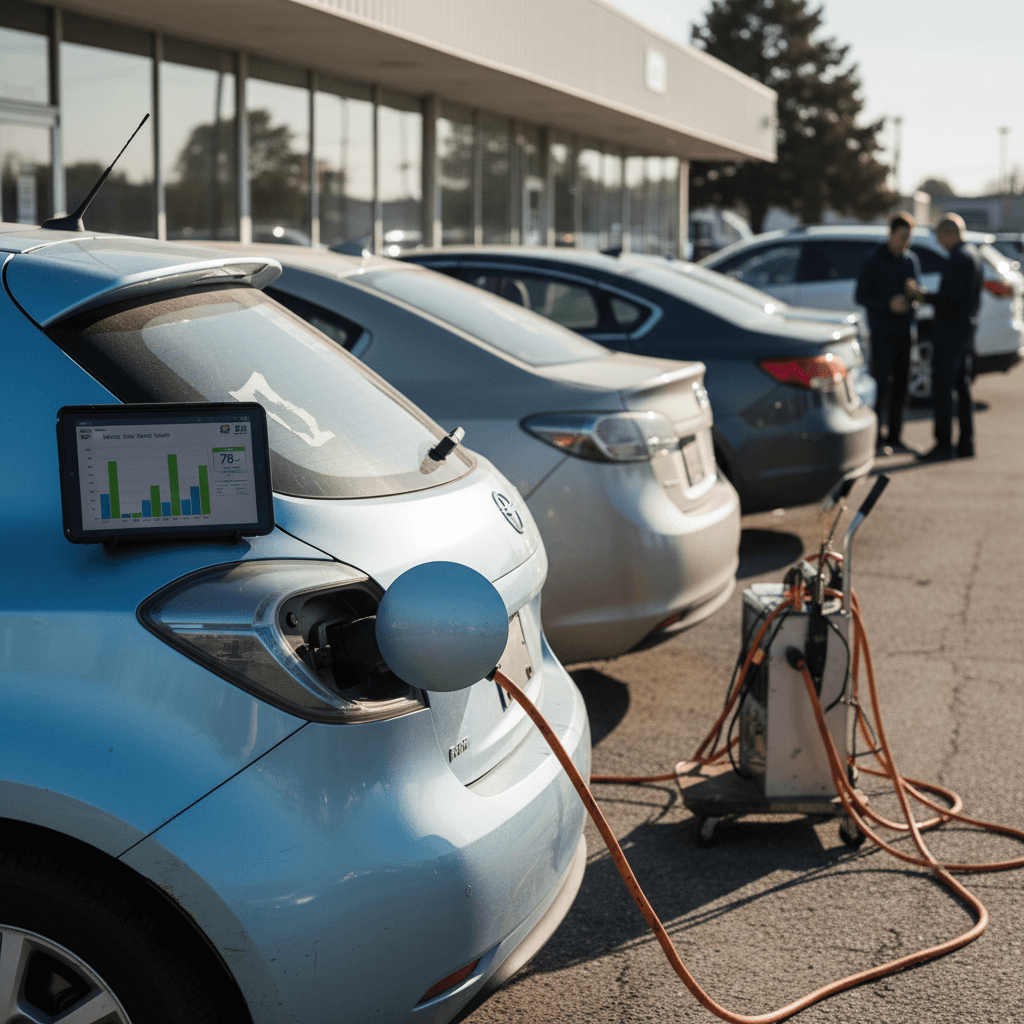
The battery is the most expensive single component in an EV, and naturally the part people worry about. Modern packs are designed to last for hundreds of thousands of miles of energy throughput. In practice, batteries tend to gradually lose capacity rather than abruptly fail. A well‑treated pack might lose only 10–20% of its capacity by 150,000 miles.
Battery chemistry has improved dramatically since the first mass‑market EVs a decade ago, with better cooling, smarter software, and more conservative charging buffers. That’s why newer EVs hold up much better than early models that sometimes needed replacements before 100,000 miles.
Car lifespan
Electric cars have far fewer moving parts than gasoline cars, no oil changes, no spark plugs, no multi‑gear automatic transmission. That generally means less wear and fewer catastrophic failures.
What still ages: suspension components, brakes (albeit more slowly thanks to regeneration), interior trim, and all the usual things like tires and shocks. Rust and crash damage still end more cars than batteries do. In high‑mileage Teslas and long‑running Nissan Leafs, it’s common to see the original battery still in place while other wear‑and‑tear items have been replaced more than once.
Battery replacement cost reality check
8 factors that affect how many miles an EV can last
Just like people, not all EVs age at the same pace. Two identical cars can end up in very different condition at 150,000 miles depending on how and where they were driven. Here are the big levers that affect how many miles an electric car can last.
What really determines EV lifespan?
Eight factors that make the difference between a worn‑out 90,000‑mile EV and a solid 180,000‑mile one.
1. Climate
Heat is enemy number one for lithium‑ion batteries. EVs that spend their lives in very hot climates and sun‑baked parking lots tend to see faster degradation. Cold slows range temporarily, but it’s heat that does most of the permanent damage.
2. Fast‑charging habits
Occasional DC fast charging is fine. Living on fast charging, especially in high heat, adds stress. EVs that charge mostly at home on Level 2, with only occasional fast‑charge road trips, usually show the gentlest battery wear.
3. Driving style
Hard launches, high sustained speeds, and heavy loads all tax the battery and cooling system. A calmer driving style not only extends range but also contributes to long‑term battery health.
4. State‑of‑charge extremes
Regularly running the battery all the way down to 0% or charging to 100% and letting it sit that way accelerates wear. The sweet spot is usually keeping daily use between about 20% and 80% state of charge.
5. Age and storage
Even if you barely drive, time matters. A 12‑year‑old EV with low mileage can still show aging from calendar time, especially if it sat fully charged or in extreme temperatures.
6. Design & thermal management
Some EVs have sophisticated liquid cooling; others rely on simpler air‑cooled designs. Better thermal management allows the battery to stay in its comfort zone, prolonging life and supporting more fast charging without damage.
7. Maintenance & repairs
Skipping brake service, alignments, and suspension repairs will age the car even if the battery is fine. EVs need less maintenance than gas cars, but they don’t need no maintenance.
8. Usage pattern
A daily 30‑mile commute with regular home charging is easy on an EV. Constant towing, ride‑hailing duty, or high‑speed highway miles rack up cycles and wear more quickly.
What counts as low, average, and high mileage for an EV?
With gas cars, shoppers instinctively know that 30,000 miles is low and 150,000 miles is high. EVs change the math slightly because electric drivetrains handle mileage so well and don’t require the same engine and transmission repairs. Still, mileage matters, especially for the battery.
How to read mileage on a used EV
Rough mileage bands for a typical EV driven 10,000–12,000 miles per year in the U.S.
| Odometer reading | Approx. age | How to think about it |
|---|---|---|
| Under 30,000 miles | 0–3 years | Effectively “low‑mileage.” Expect minimal battery degradation in most climates. |
| 30,000–70,000 miles | 3–6 years | “Normal use.” Range may be down a bit from new, but a healthy battery should still cover most daily needs. |
| 70,000–120,000 miles | 6–10 years | High‑mileage for an EV, but often still very usable, battery health and service history are critical. |
| 120,000–180,000+ miles | 10+ years | This is where strong battery data and solid maintenance records matter more than the odometer number alone. |
Mileage is just one clue. Battery health data tells a much richer story.
Look beyond the odometer
Should you buy a high‑mileage electric car?
The idea of a 90,000‑mile electric car might sound scary if you’ve heard horror stories about battery replacements. But a well‑cared‑for, high‑mileage EV can be one of the best values on the used market, quiet, efficient, and already past the steepest part of its depreciation curve.
How to evaluate a higher‑mileage EV
1. Start with battery health data
Ask for a recent battery health report, not just the dashboard range estimate. At Recharged, this is baked into the Recharged Score so you can see estimated remaining capacity and compare it against similar vehicles.
2. Review charging history
A car that lived on home Level 2 charging and only used DC fast charging for trips is ideal. Heavy fast‑charge use isn’t an automatic deal‑breaker, but it’s worth factoring in, especially in hot climates.
3. Match range to your real needs
If the car had 260 miles of range when new and now has roughly 210–220, does that still cover your daily driving with a comfortable cushion? For many owners, it’s more than enough, even at 100,000 miles.
4. Inspect wear‑and‑tear items
Suspension bushings, tires, brakes, and interior wear tell you how the car was treated. High‑mileage highway cars often have cleaner interiors and less stop‑and‑go brake wear than lower‑mileage city cars.
5. Check remaining warranty coverage
Battery and drive‑unit warranties often extend to 8 years and 100,000–150,000 miles, depending on the model. A used EV still under battery warranty offers an extra safety net.
6. Consider total cost of ownership
Even if you eventually need a repair, an efficient EV with low fuel and maintenance costs can still come out ahead over several years compared with a similar‑priced gas car.
When high mileage is a smart bet
How to make your electric car last 200,000+ miles
If you already own an EV, or you’re about to buy one, there’s a lot you can do to help it reach that 150,000–200,000‑mile mark and beyond. The basics are simple, and they mirror what automakers themselves recommend.
Everyday habits that extend EV life
1. Treat the battery gently day‑to‑day
For daily driving, aim to keep the state of charge between about 20% and 80%. Use 100% charges for road trips and unplug soon after reaching full. Avoid regularly running the pack to near‑empty.
2. Favor Level 2 over constant fast charging
Use home or workplace Level 2 charging as your default. Save DC fast charging for longer trips or genuine emergencies, particularly in very hot weather.
3. Mind the heat
Whenever you can, park in the shade or a garage, especially in hot climates. Heat is tougher on batteries than almost anything else. Pre‑cooling the cabin while plugged in also helps.
4. Keep software up to date
Over‑the‑air updates often improve thermal management, charging behavior, and range estimates. Let your EV install updates regularly; they’re part of the long‑term health strategy.
5. Don’t skip basic maintenance
Rotate tires, align the wheels, and service brakes when needed. Electric motors are low‑maintenance, but chassis components still take a beating on real roads.
6. Listen for changes
New noises, a sudden drop in range, or charging issues are your cue to get the car checked. Catching a cooling‑system or charging fault early can prevent bigger problems down the road.
Habits that shorten EV life
Using Recharged to find an EV that will go the distance
Range and longevity matter even more when you’re shopping used. You’re not just asking, “What’s the range today?” You’re asking, “How many more miles of useful life are left?” That’s exactly the question Recharged is designed to help you answer.
How Recharged helps you buy a long‑lasting EV
More than an odometer reading: real battery insight, expert help, and flexible ways to buy or sell.
Recharged Score battery report
Every vehicle on Recharged comes with a Recharged Score Report that includes verified battery health. You can quickly see how a car’s current range and estimated remaining capacity compare with similar EVs.
Fair pricing for high‑mileage gems
Because we account for battery condition and market data, you’ll see fair pricing for higher‑mileage EVs that still have plenty of life, as well as for low‑mileage cars that command a premium.
Flexible ways to move on
Already driving an EV and wondering how many miles it has left in it? You can trade in, get an instant offer, or consign your car through Recharged, with nationwide delivery and EV‑specialist support.
Ready to find your next EV?
Browse VehiclesWhether you’re buying your first EV or replacing a beloved, high‑mileage electric car, the combination of transparent battery data, fair pricing, and expert guidance makes it much easier to choose a vehicle that will comfortably cover the next 60,000–100,000 miles of your life.
FAQ: How many miles can an electric car last?
Frequently asked questions about EV lifespan
Electric cars are not disposable gadgets with a short fuse. With today’s battery technology, thoughtful charging habits, and basic maintenance, an EV can realistically deliver well over 150,000 miles, and often 200,000+ miles, of useful service. When you’re shopping used, the smartest move is to look past the odometer and focus on battery health, range needs, and how the car was cared for. That’s exactly where tools like the Recharged Score Report earn their keep, helping you choose an EV that will still feel strong many years and many miles down the road.