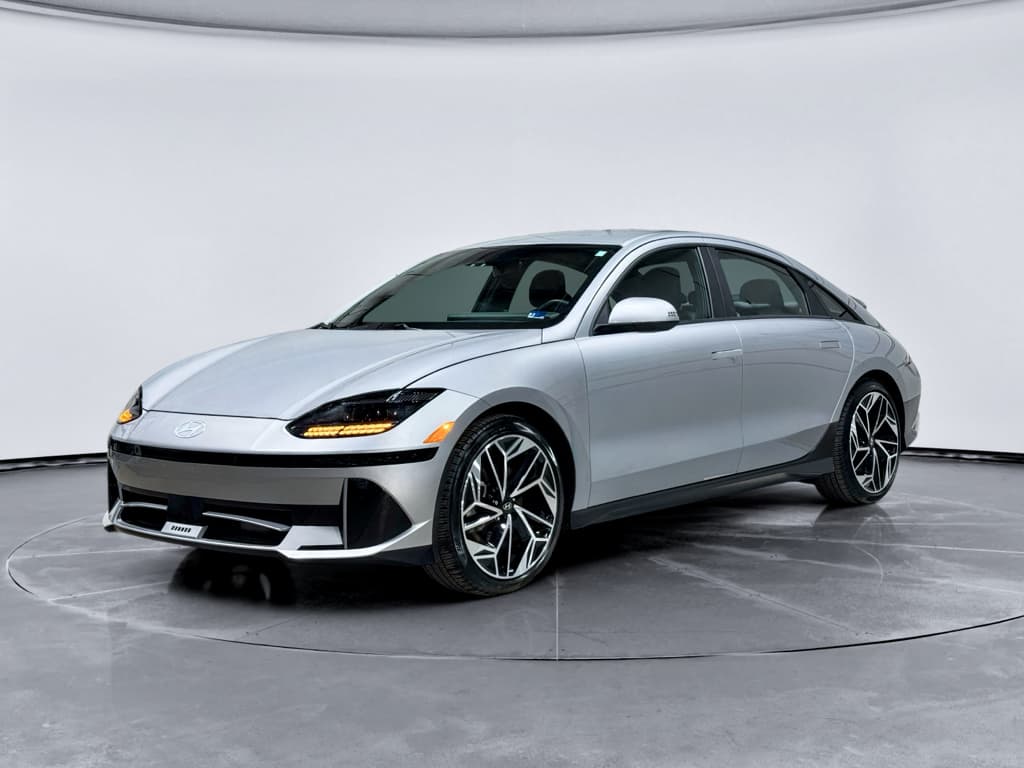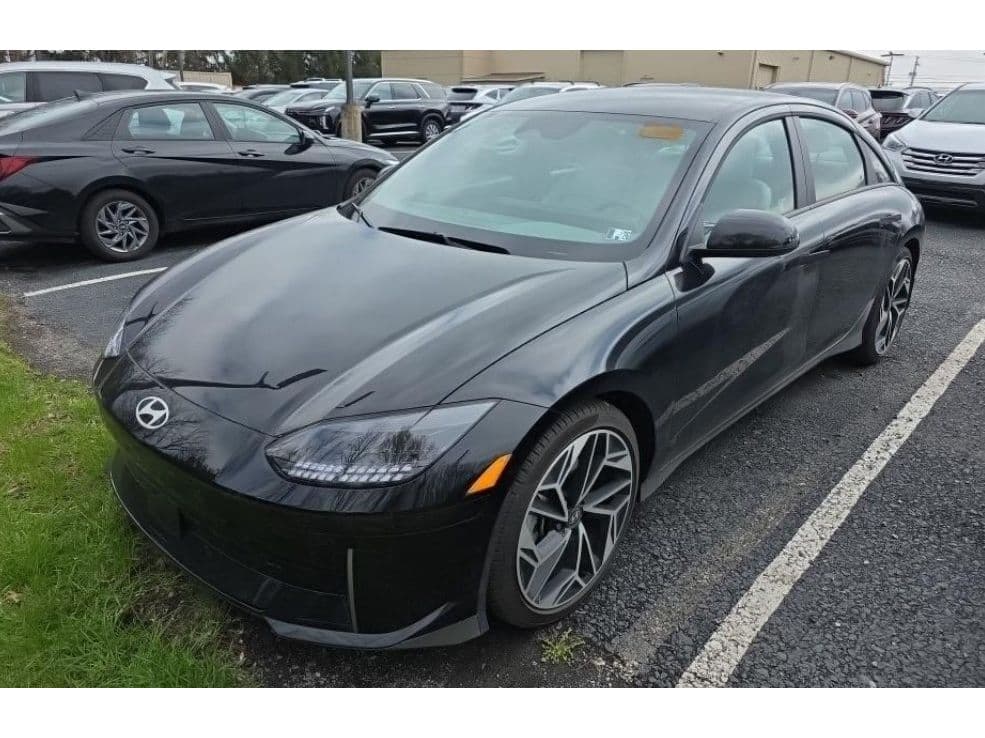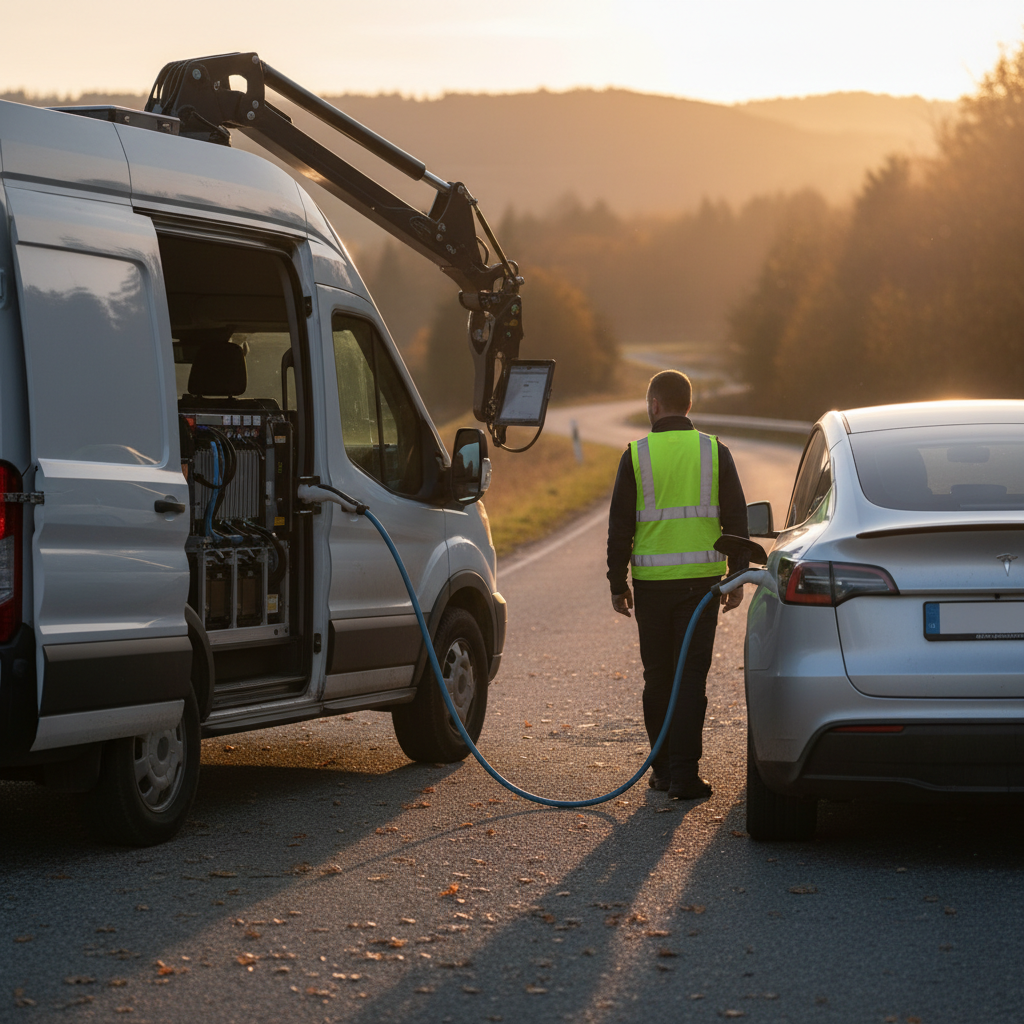
If you’re eyeing a sleek Hyundai Ioniq 6, or already have one in the driveway, the big question is simple: how long does it take to charge? The answer depends a lot on where you plug in, but the Ioniq 6 is one of the quickest-charging EV sedans on sale, so the news is mostly good. Let’s walk through real-world charging times at home and on the road so you can plan your days, not your charging stops.
Quick takeaway
Hyundai Ioniq 6 charging time at a glance
Typical Hyundai Ioniq 6 charging times
Those are ballpark numbers for the 77.4 kWh long‑range battery most U.S. Ioniq 6 models use. Real life will nudge them up or down depending on weather, charger quality, and how full your battery already is, but they’re solid planning figures.
Ioniq 6 battery and charging basics
To understand “how long,” you need a quick handle on how much energy the Ioniq 6 is storing and how fast it can take it on.
- Most U.S. Hyundai Ioniq 6 trims use a ~77.4 kWh long‑range battery pack (about 74 kWh usable in practice).
- The car supports up to 11 kW AC on Level 2 charging (with a 48A-capable circuit and EVSE).
- On DC fast charging, the Ioniq 6 can accept roughly 230–240 kW peak on a 350 kW station, thanks to its 800V E‑GMP platform.
- Hyundai’s own numbers quote roughly 10–80% in about 18 minutes on a 350 kW charger and a little over an hour on a 50 kW unit.
Think in percentages, not just minutes
Home charging: how long does an Ioniq 6 take?
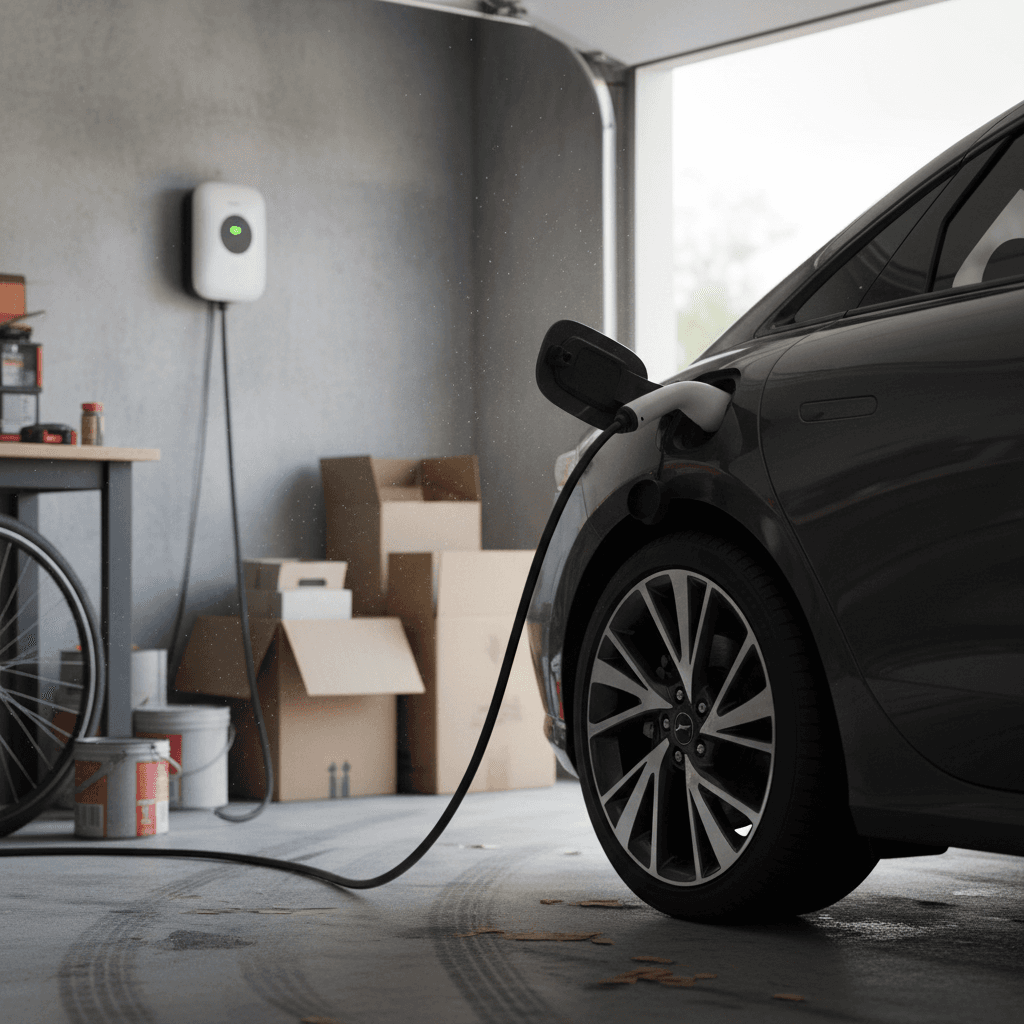
At home, you’ll almost always be using either a regular 120V wall outlet (Level 1) or a 240V Level 2 charger. The Ioniq 6 is efficient enough that even slow charging can cover a lot of daily driving, but the difference in time is dramatic.
Hyundai Ioniq 6 home charging times (approximate)
Assumes the long‑range 77.4 kWh battery, charging from about 10% to 100% in mild weather. Real times vary with temperature, line voltage, and how full the battery is when you plug in.
| Charging type | Power to car (approx.) | 10% → 80% | 10% → 100% | Miles added per hour* |
|---|---|---|---|---|
| Level 1 (120V, 12A portable cord) | ~1.3–1.4 kW | ~40–45 hrs | ~48+ hrs | ~4–5 miles/hr |
| Level 2 (240V, 16A) | ~3.3 kW | ~16–18 hrs | ~20–22 hrs | ~12–14 miles/hr |
| Level 2 (240V, 32A) | ~7.2 kW | ~7–8 hrs | ~9–10 hrs | ~24–27 miles/hr |
| Level 2 (240V, 40A) | ~9.6 kW | ~5.5–6.5 hrs | ~7–8 hrs | ~30–35 miles/hr |
| Level 2 (240V, 48A, max AC) | ~11 kW | ~5 hrs | ~6–7 hrs | ~35–40+ miles/hr |
Estimate your own times by scaling these numbers to the percent you actually need to add (for example, 30% instead of 90%).
Why your app might show scary long times
For many Ioniq 6 owners, a 40A Level 2 charger on a 240V circuit is the sweet spot. It’s fast enough to refill a big chunk of the battery overnight, without needing the heaviest wiring you’d use for a 48A unit. If you’re buying used, ask what the previous owner used at home, it can hint at how much DC fast charging the car has seen versus gentle Level 2 charging.
Choosing the right home charging setup for your Ioniq 6
1. Check your panel capacity
Before you dream about 48A charging, make sure your electrical panel and service can actually support an extra 40–60 amps. An electrician can tell you quickly.
2. Decide how fast you really need
If you drive 40–60 miles a day, a 32A Level 2 (about 7 kW) is plenty. Road‑warrior commuters or multi‑driver households may appreciate 40–48A.
3. Plan the parking spot
Think about cord reach and where your Ioniq 6’s charge port sits (left rear). A slightly longer cable now can save grief later if you park differently.
4. Use scheduled charging
Set the car or charger to run overnight during off‑peak hours if your utility offers time‑of‑use rates. You’ll pay less for the same electrons.
DC fast charging: how quickly can the Ioniq 6 charge?
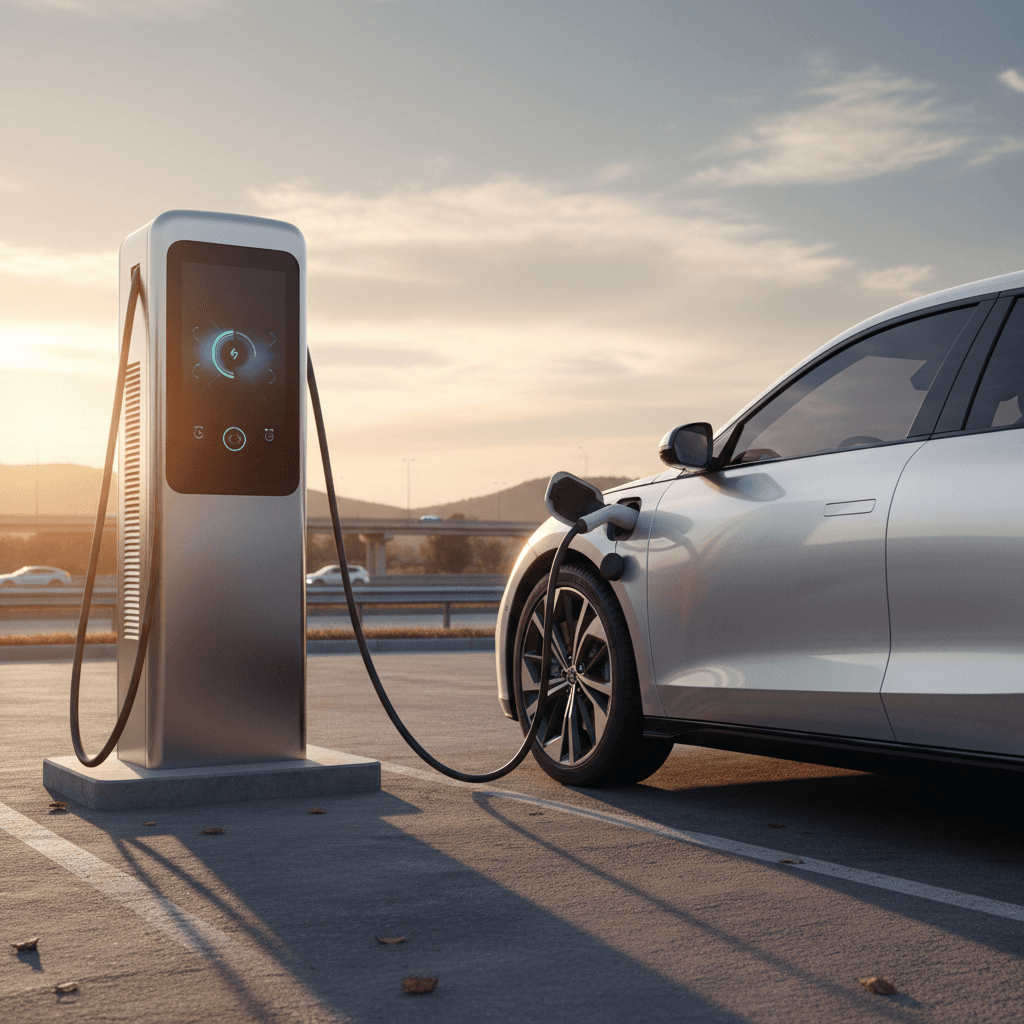
DC fast charging is where the Hyundai Ioniq 6 really shows off. Built on Hyundai’s 800‑volt E‑GMP platform, it can soak up power on a good charger far faster than many competitors, even some luxury brands.
Hyundai Ioniq 6 DC fast charging times (approximate)
Times assume the long‑range battery, mild temperatures, and a charger that can actually deliver its rated power. Figures are from about 10% state of charge, where you’d typically plug in on a trip.
| Charger rating | Realistic peak to car | 10% → 60% | 10% → 80% | Miles added (10% → 80%) |
|---|---|---|---|---|
| 50 kW DC fast charger | ~45–50 kW | ~45–50 min | ~60–75 min | ~180–220 miles |
| 150 kW DC fast charger | ~130–150 kW | ~18–22 min | ~25–30 min | ~180–220 miles |
| 350 kW DC fast charger | ~220–240 kW | ~12–15 min | ~17–19 min | ~180–220 miles |
In practice, you’ll see the biggest time savings by charging only up to about 60–80% before hitting the road again.
Hyundai’s own claim
If you’re coming from an older EV, or a plug‑in hybrid, those numbers can feel almost unreal. In practice, by the time you’ve parked, hit the restroom, checked your messages, and grabbed a coffee, your Ioniq 6 can be ready for another 150–200+ miles.
How charging speed changes throughout a session
One of the most confusing parts of fast charging is watching the numbers dance. You might see 230 kW one moment, then 140 kW a few minutes later, then 80 kW as you get closer to full, even though you never touched a setting. That’s normal.
Low to mid state of charge (10–50%)
Here’s where the Ioniq 6 shines. On a healthy 150–350 kW charger with a warmed‑up battery, it can hold very high power, often over 200 kW, through much of this range. That’s why trip planners usually aim to arrive closer to 10–20% instead of 40–50%.
Higher state of charge (60–100%)
As you pass roughly 60–70%, the car starts tapering power to protect the battery. That’s why charging from 80% to 100% can take almost as long as going from 10% to 60%. Unless you truly need the extra range, it’s usually smarter to unplug and get moving.
Don’t chase 100% on DC fast chargers
Planning road trips around Ioniq 6 charging times
The Ioniq 6’s long‑range battery and slippery aerodynamics give it excellent highway range, up to around 361 miles EPA‑rated for the SE Long Range RWD trim in the U.S. In real interstate driving at 70–75 mph, many owners see 220–280 miles per leg depending on weather, wheels, and load.
Smart road‑trip charging strategies for your Ioniq 6
Use fast charging times to your advantage instead of planning marathon stops.
Aim for 10–20% arrival
Plan legs so you arrive at fast chargers with 10–20% remaining. That’s where the Ioniq 6 pulls the highest power, so you’re buying miles at their “cheapest” time cost.
Charge in short bursts
Instead of one long charge to 100%, do more frequent, shorter stops to 60–80%. It feels more natural, mirroring gas stops, and usually gets you there faster overall.
Favor higher‑power sites
When you have a choice, pick 150–350 kW stations over 50 kW sites. The difference between 25 minutes and an hour plus for 10–80% is the difference between stretching your legs and eating a full sit‑down meal.
Use in‑car navigation to precondition the battery
Charging a used Hyundai Ioniq 6: what to expect
Looking at a used Ioniq 6 on a marketplace, or trading in your own? Charging time is where battery health and previous use really show up. A well‑cared‑for car with a healthy pack will still hit strong fast‑charge speeds that feel close to new; a heavily DC‑fast‑charged example might taper earlier or top out lower on the same station.
- Slightly slower fast‑charge times over the years are normal as the battery ages.
- Big drops in peak power or very early tapering can be a sign of heavy DC fast‑charging history or pack health issues.
- Home Level 2 charging times usually change less dramatically over time than DC fast charging behavior.
How Recharged helps with used Ioniq 6 charging
Ready to find your next EV?
Browse VehiclesIoniq 6 charging tips to save time and battery health
Simple ways to make Ioniq 6 charging faster and easier
1. Treat 10–80% as your road‑trip sweet spot
Plan your DC fast‑charge stops between roughly 10–20% and 70–80% state of charge. You’ll spend less time parked and more time driving.
2. Use Level 2 at home as your workhorse
Rely on 240V Level 2 for most charging. It’s more efficient, gentler on the battery, and usually cheaper than DC fast charging.
3. Don’t fear partial charges
There’s no need to run the battery way down or always fill to 100%. Topping up from 40–70% for an evening out is just fine.
4. Watch temperature in extreme climates
In very cold or very hot weather, expect longer charge times and slightly reduced range. Preconditioning and starting charges right after driving can help.
5. Keep an eye on charge limits
Use the car’s charge‑limit settings to avoid unnecessary 100% charges for daily use. Save full charges for road trips or when you truly need maximum range.
FAQ: How long to charge a Hyundai Ioniq 6?
Frequently asked questions about Ioniq 6 charging times
Bottom line: how long it really takes to charge an Ioniq 6
If you boil it all down, a Hyundai Ioniq 6 is an easy car to live with. At home on a good Level 2 setup, it’s an overnight refuel and forget it EV, plug in after dinner, wake up to a full battery. On a road trip, the 800‑volt hardware means 10–80% in about 18 minutes on the right DC fast charger, which turns charging stops into short, natural breaks instead of hour‑long marathons.
If you’re considering a used Ioniq 6, how long it takes to charge is wrapped up in battery health and how the previous owner treated the car. That’s why every EV on Recharged comes with a Recharged Score battery report, fair‑market pricing, and EV‑savvy support from first click to delivery. When you know exactly what kind of range and charging performance you’re getting, it’s a lot easier to say yes to your next electric sedan.