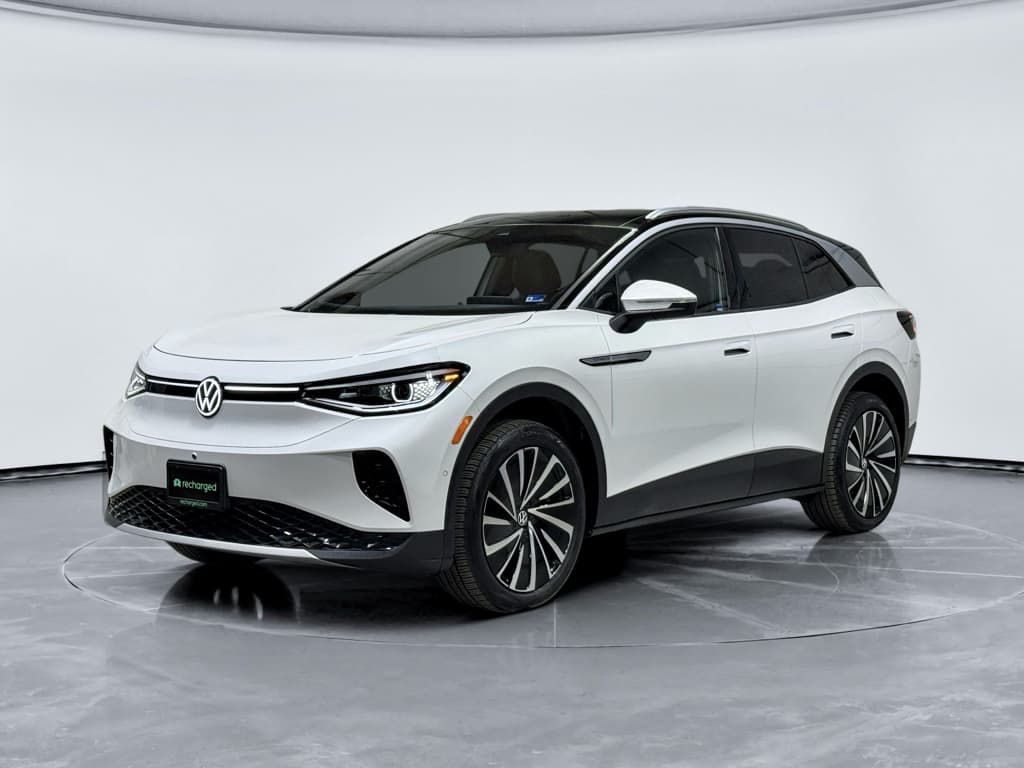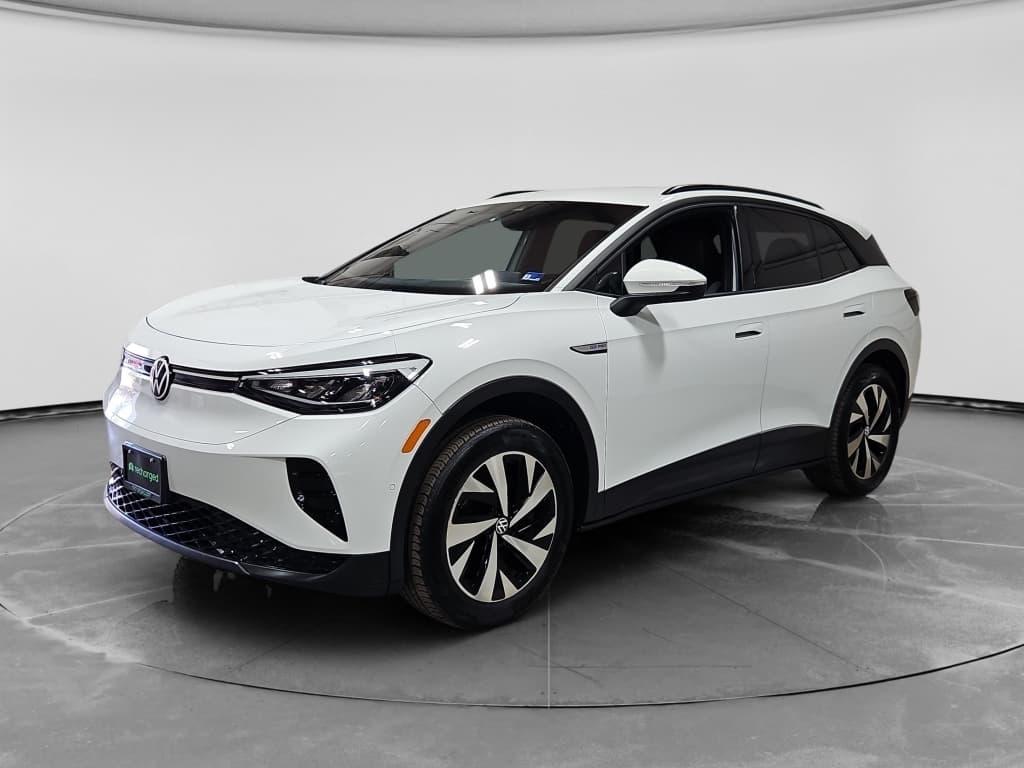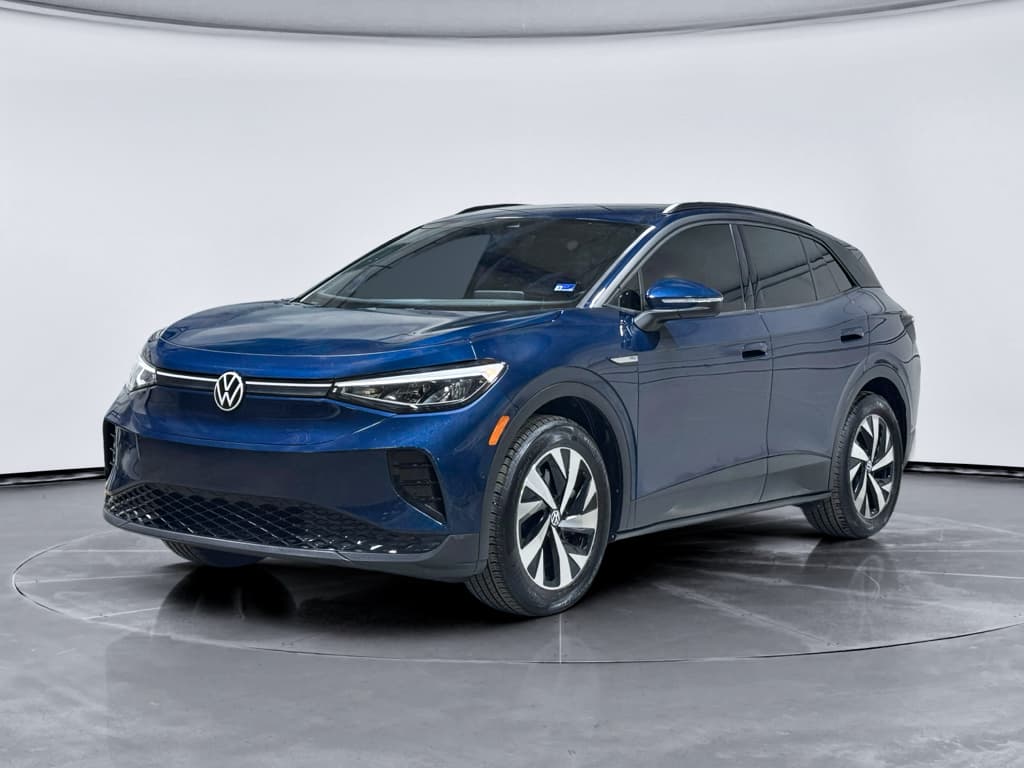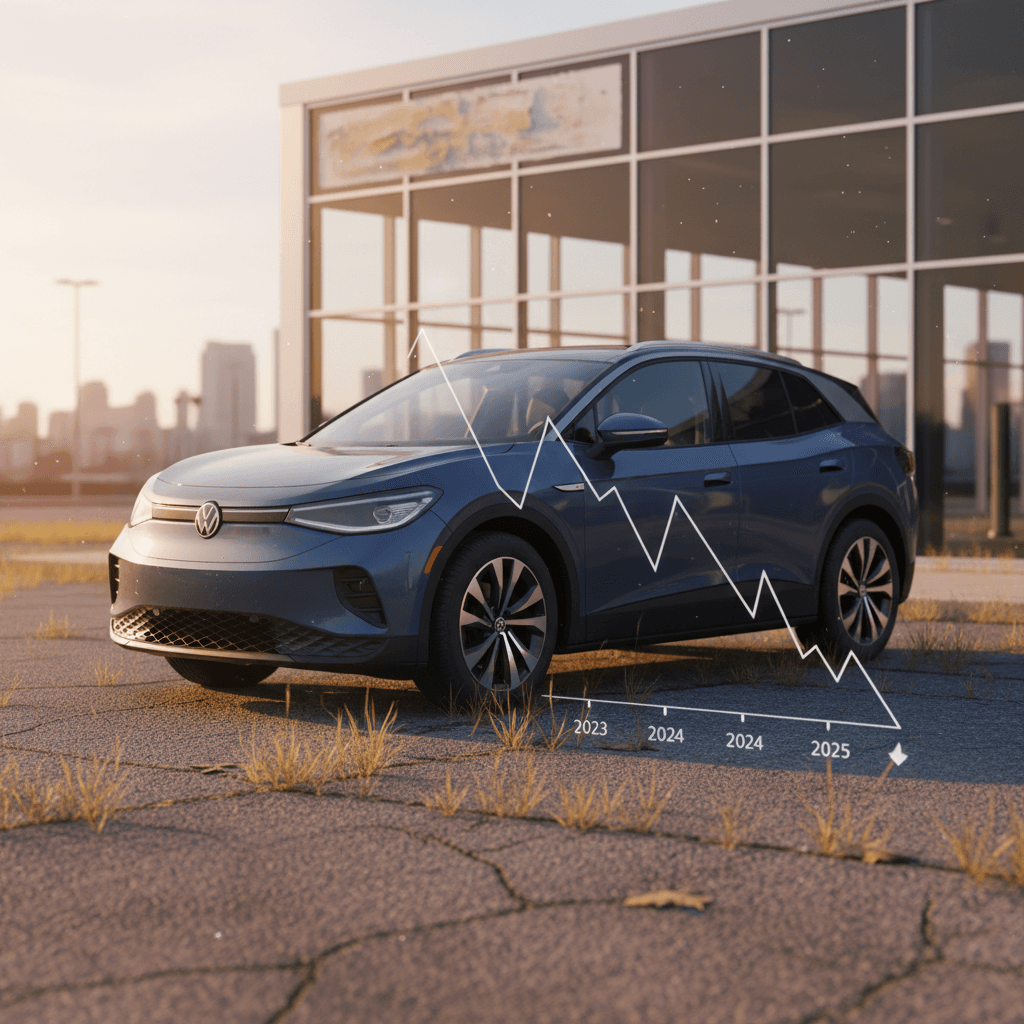
If you’re eyeing a Volkswagen ID.4, whether new or used, you’re probably wondering, how fast does the Volkswagen ID.4 depreciate and when does it become a smart buy. Early EVs took a beating on resale value, but the story is more nuanced for the ID.4, especially as the used EV market matures and more shoppers look beyond Tesla.
Quick takeaway
Overview: How Fast Does the Volkswagen ID.4 Depreciate?
Volkswagen ID.4 Depreciation Snapshot (Typical US Use)
Those ranges aren’t promises, but they reflect how the ID.4 is behaving in today’s used market. Local demand, incentives, trim level, and battery size all matter. A rear-drive Pro model in a warm-climate city can hold value differently than an all-wheel-drive Pro S in a region with weak EV adoption.
Depreciation is not linear
What Drives Volkswagen ID.4 Depreciation?
Key Factors That Shape ID.4 Resale Value
Some you can’t control; some you absolutely can.
EV Incentives & Price Cuts
When federal or state incentives change, or when new ID.4 pricing drops, used values react. If a new model effectively gets cheaper after credits, used listings must adjust to stay attractive.
Model Updates & Range
Later ID.4s gained more range, faster charging, and software updates. That can pull shoppers toward newer model years, especially if they road-trip frequently.
Local EV Demand
In EV-heavy markets (California, Pacific Northwest, Northeast), ID.4s tend to sell faster and hold value better than in regions where charging and incentives lag behind.
Mileage & Use Pattern
A 3‑year-old ID.4 with 18,000 miles looks very different on the market than one with 60,000. City-stop-and-go use is easier on range than constant 80 mph freeway runs.
Warranty & Maintenance History
Volkswagen’s 8‑year / 100,000‑mile battery warranty is a big confidence booster. A clean service history and documented software updates further support resale value.
Battery & Charging Habits
Frequent DC fast charging or living at 100% state of charge can hurt long-term battery health. Cars that mostly charge at home on Level 2 tend to have healthier packs and better range.
Think of depreciation as the market’s way of pricing in these factors. The more you can control, mileage, charging habits, cosmetic condition, clear battery-health documentation, the more of your ID.4’s value you can keep.
Year-by-Year Volkswagen ID.4 Depreciation Estimates
No one can predict the future perfectly, but we can sketch a realistic curve based on how compact SUVs and modern EVs behave. Let’s assume a typical rear-wheel-drive ID.4 Pro with an original MSRP around $45,000, average US mileage (12,000–14,000 miles per year), and normal wear.
Illustrative Volkswagen ID.4 Depreciation Curve
Approximate private-party value for a well-kept ID.4 Pro that originally stickered at $45,000. Real-world prices vary by region, trim, and incentives.
| Age of ID.4 | Approx. Value vs. Original MSRP | Estimated Dollar Value | What This Stage Looks Like |
|---|---|---|---|
| Brand new | 100% | $45,000 | On the lot or nearly new; includes full factory warranty and latest incentives. |
| 1 year old | 75–80% | $34,000–$36,000 | Early depreciation plus perception of being "+used" even if mileage is low. |
| 3 years old | 55–60% | $25,000–$27,000 | Biggest hit behind you; balance of warranty intact and many features still current. |
| 5 years old | 45–55% | $20,000–$24,000 | Depreciation slows; condition, mileage, and battery health matter more than age alone. |
| 8 years old | 35–45% | $16,000–$20,000 | Outside basic warranty but still within battery coverage; ideal time to judge long-term durability. |
Depreciation tends to be steep early, then levels off, creating a sweet spot for used buyers around years 3–5.
How to use this chart
How ID.4 Depreciation Compares to Other EVs and Gas SUVs
Versus Other Electric SUVs
- Tesla Model Y: Historically stronger resale, thanks to brand pull and Supercharger access, but heavy price cuts on new Teslas have pulled used values down too.
- Hyundai IONIQ 5 / Kia EV6: Very desirable; some trims can hold value slightly better than ID.4 in hot EV regions because of ultra-fast DC charging and standout styling.
- Chevrolet Bolt EUV: Starts cheaper, so dollar depreciation may be smaller, but percentage-wise it can fall similarly or faster than an ID.4.
Versus Gas Compact SUVs
- Toyota RAV4 / Honda CR‑V: Benchmarks for strong resale; they often retain slightly more value by year 5, but not by a huge margin if you factor fuel savings into the EV’s total cost of ownership.
- Other mainstream crossovers: Many lose 50–60% of their value by year 5, right in the same neighborhood as the ID.4.
In other words, the ID.4 is no longer the outlier it might have been a few years ago. As EVs go mainstream, their depreciation looks more and more like the rest of the compact-SUV pack.
Good news for ID.4 owners
Real-World Pricing: Early ID.4 Model Years
The ID.4 arrived in the US for the 2021 model year, so we already have several years of real-world data. You’ll generally see a spread something like this in many US markets, assuming clean history and average mileage:
- 2021 ID.4 Pro / Pro S: Often listed in the low-to-mid $20,000s, depending on miles and options.
- 2022 ID.4: Frequently in the mid-to-upper $20,000s, with some low-mile, well-optioned examples edging into the low $30,000s.
- 2023–2024 ID.4: Typically low $30,000s to around $40,000, again varying with trim, AWD, and mileage.
Incentives blur the picture
This is exactly why the used EV market can be such a sweet spot: you can let that first owner take the hit, then step into a relatively young ID.4 at a price that finally makes the math work in your favor.
Battery Health vs. Depreciation for the ID.4
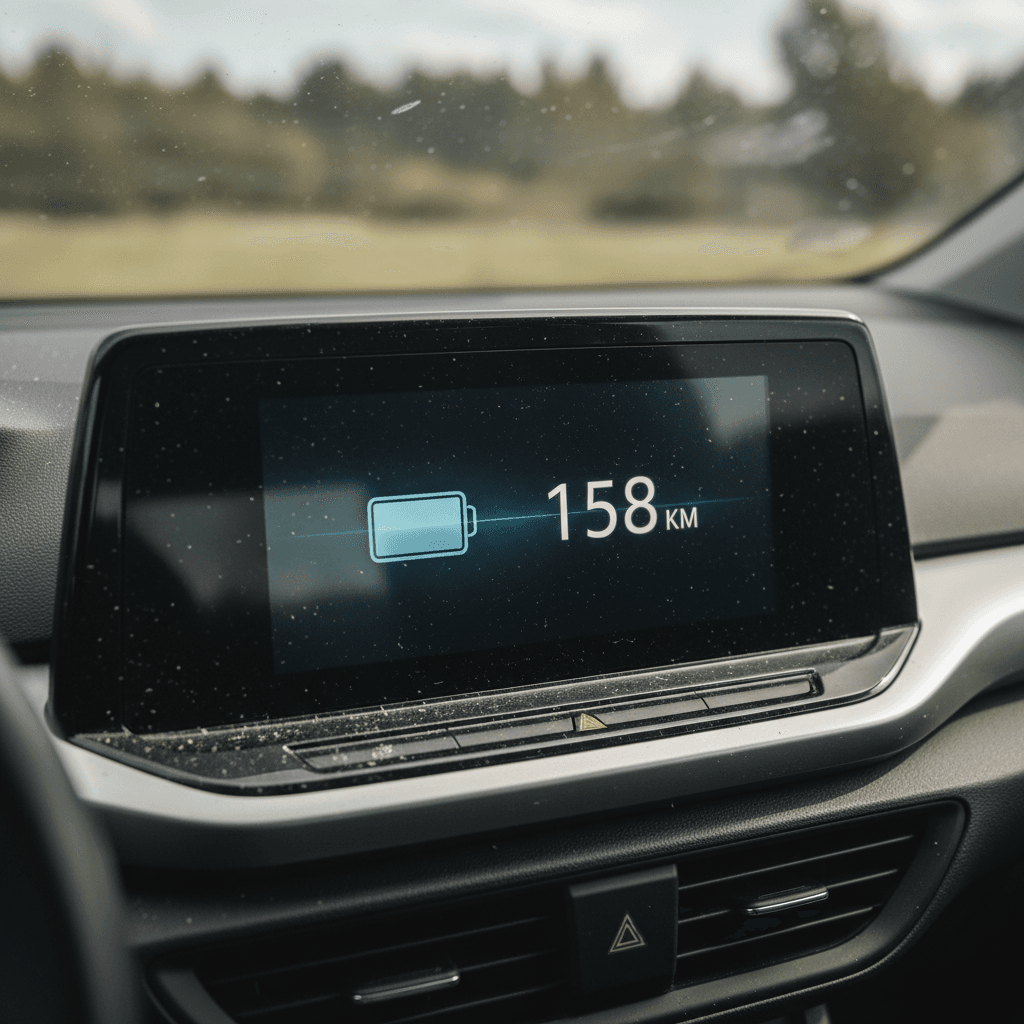
For any EV, battery health is the heartbeat of resale value. A Volkswagen ID.4 with a strong, consistent range figure will always be easier to sell, and command a better price, than an identical car whose pack has been abused.
How Battery Health Shows Up in Resale Value
Buyers shop with their eyes, and their range estimates.
Displayed Range vs. EPA
Shoppers look at the projected range on a full charge. If a 260‑mile ID.4 now shows 210–220 on typical use, that’s a sign of some degradation, even if still very usable.
Charging History
Home Level 2 charging, especially overnight at moderate charge levels (20–80%), is easier on the pack than constant DC fast charging on road trips.
Documentation & Reports
Printed or digital battery‑health reports help buyers feel confident. They turn “seems fine” into something measurable, crucial for a technology many shoppers are still learning.
Where Recharged fits in
How to Slow Down ID.4 Depreciation
You can’t change the fact that a new car becomes a used car the moment you drive it home. But with a Volkswagen ID.4, you have more influence over depreciation than you might think, especially because so much of the value story is tied to the battery and the ownership experience.
Six Practical Ways to Protect Your ID.4’s Value
1. Be Kind to the Battery
Stick to home Level 2 charging when possible. Avoid living at 100% state of charge, and reserve DC fast charging for road trips or true necessity.
2. Keep Software Up to Date
Volkswagen continues to refine the ID.4 with over-the-air and dealer-installed software updates. Staying current can improve range estimates, charging behavior, and even features, making your car more appealing when you sell.
3. Document Everything
Save service records, recall paperwork, tire receipts, and any battery-health checks. A tidy folder, or digital file, tells the next owner this ID.4 has been cared for.
4. Mind the Miles
The market still looks at odometer readings first. If you can keep yearly mileage reasonable, your ID.4 will sit at the top of the value range for its age.
5. Fix Small Cosmetic Issues Early
Curb rash, windshield chips, and scuffed interior trim are small on their own, but together they whisper “hard life.” Fix what you can before listing to stand out in photos and in person.
6. Time Your Sale or Trade
Values tend to be stronger when incentives are stable and fresh price cuts on new ID.4s aren’t making headlines. If you can, avoid selling right after a major MSRP drop or incentive change.
Tips for Buying a Used Volkswagen ID.4
If you’re shopping used, you’re in a great position: someone else already absorbed the steepest depreciation. Your job is to separate the genuinely good ID.4s from the ones that might be cheaper for a reason.
What to Look For
- Battery health evidence: Ask for any reports, and compare displayed full-charge range with the original EPA rating.
- Charging behavior: On a test drive, note how quickly it adds miles on a fast charger and how stable the range estimate feels.
- Software version: Make sure major updates have been applied; lagging software can be a red flag for general neglect.
- Clean history: Avoid cars with structural damage, flood branding, or repeated high-voltage system repairs.
How Recharged Can Help
When you shop for a used ID.4 through Recharged, you get:
- A Recharged Score battery-health diagnostic that quantifies pack condition instead of guessing.
- Fair market pricing based on real transaction data, not wishful thinking.
- Access to EV specialists who can translate range, charging curves, and warranty details into plain English.
- Financing, trade-in options, and even nationwide delivery, all handled digitally if you prefer.
That takes a lot of the mystery, and the risk, out of buying a used EV.
FAQ: Volkswagen ID.4 Depreciation Questions Answered
Volkswagen ID.4 Depreciation FAQ
Bottom Line: When Does a Volkswagen ID.4 Become a Smart Buy?
When you cut through the noise, the Volkswagen ID.4 depreciates at a pace that’s surprisingly normal for a compact SUV. It falls hard in the first few years, then finds a groove, especially if the battery has been treated well and the software is up to date.
For many buyers, the sweet spot is a 2–5‑year‑old ID.4 with documented battery health and a clean history. You skip the painful early depreciation, yet still enjoy modern tech, useful range, and a lot of remaining warranty coverage. That’s exactly the territory where Recharged focuses: used EVs with verified battery health, fair market pricing, and expert guidance so you can make a clear‑eyed decision.
If you’re ready to see how those numbers play out on real cars, explore used Volkswagen ID.4 listings on Recharged, compare Recharged Score Reports side by side, and decide how much depreciation you’re willing to let someone else pay for you.