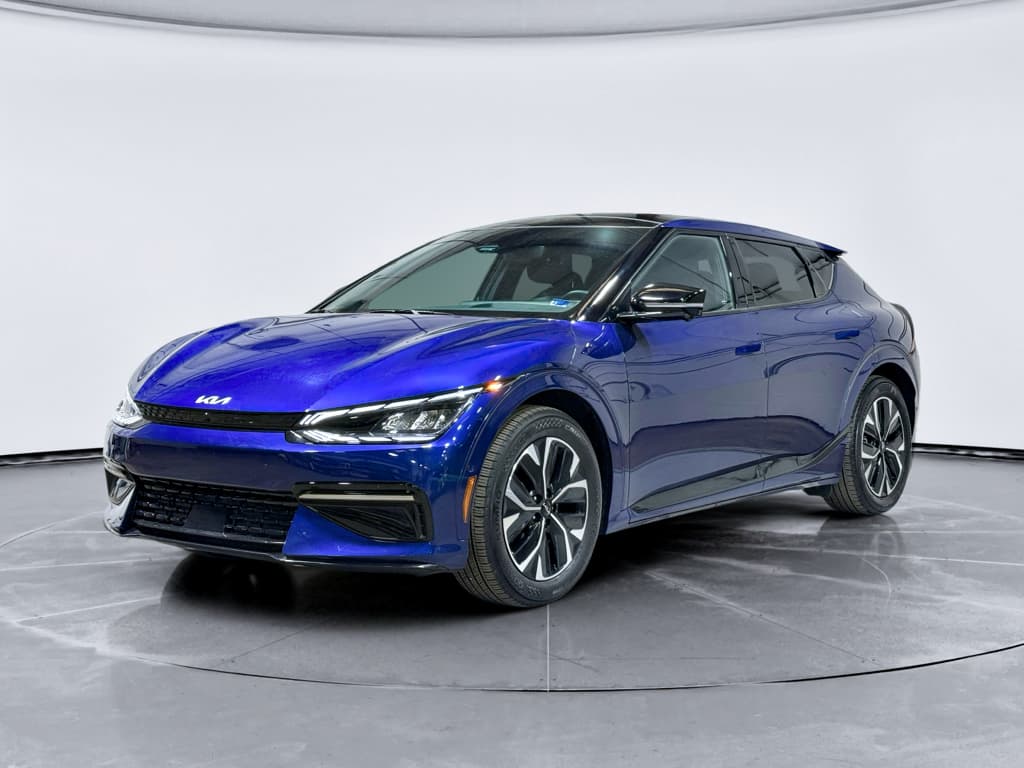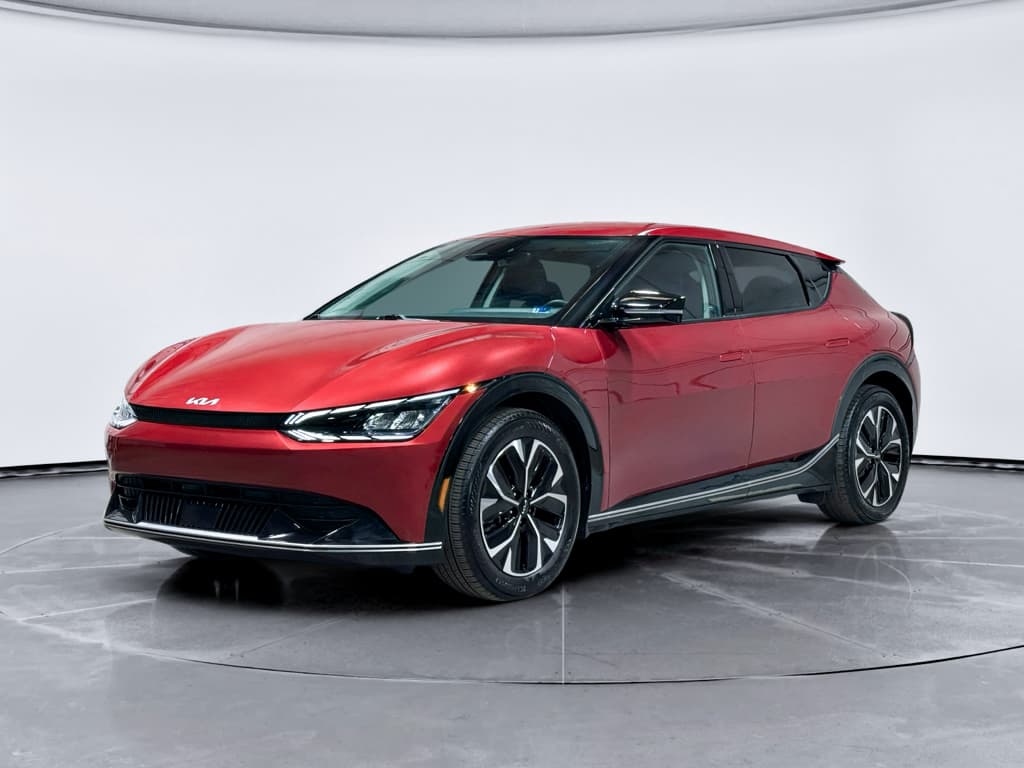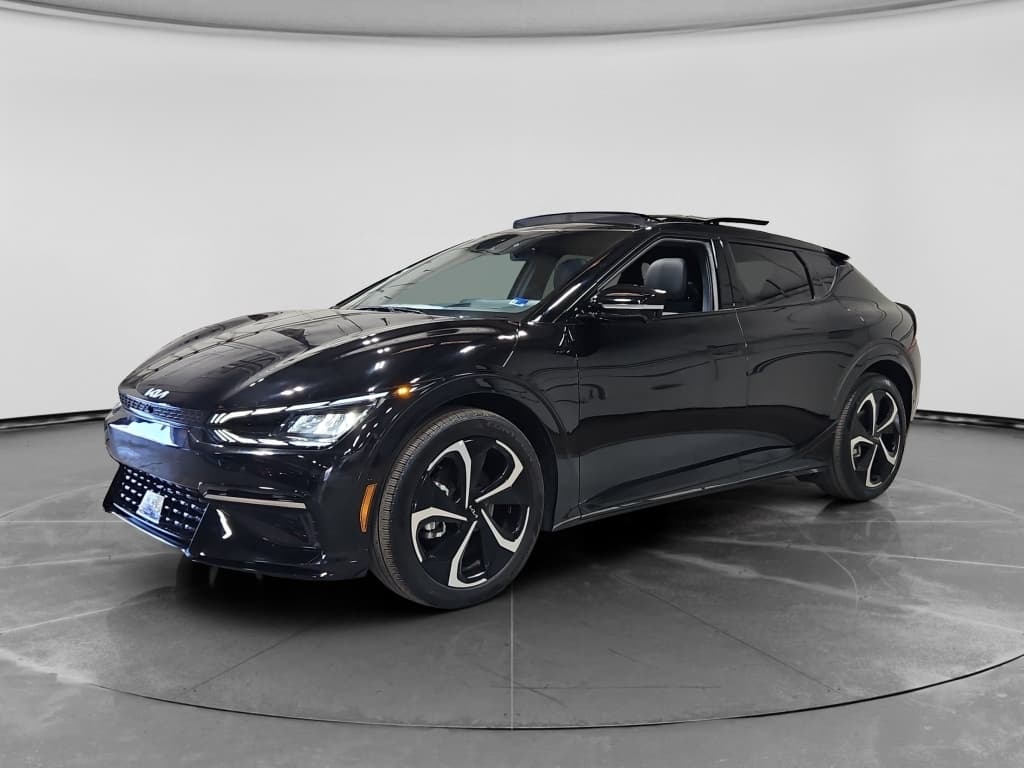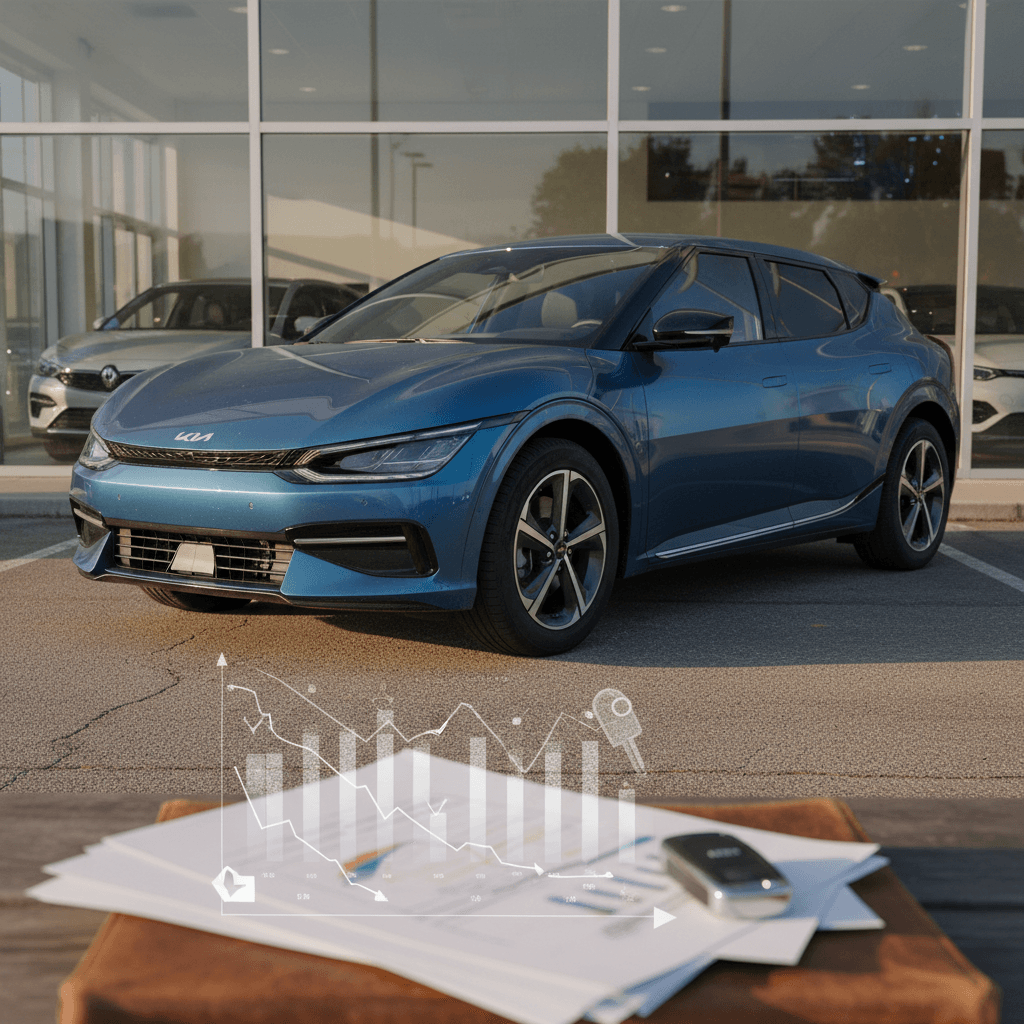
If you’re eyeing a Kia EV6 or already have one in the driveway, you’re probably wondering: how fast does a Kia EV6 depreciate compared with other EVs, and what does that mean for your wallet? The answer: it’s better than the horror stories about early electric cars, but the timing of when you buy (or sell) matters a lot.
Quick answer
Kia EV6 depreciation at a glance
Typical Kia EV6 value curve (approximate
These are directional, not promises, actual numbers swing with mileage, condition, incentives, regional demand, and how aggressively the original deal was discounted. But they give you a realistic frame of reference so you can tell if a used Kia EV6 is fairly priced or suspiciously cheap.
MSRP vs transaction price matters
How fast does a Kia EV6 depreciate from year 1 to year 8?
Depreciation isn’t a straight line. For the Kia EV6, like most new EVs, the first 3 years are the steepest, then the curve flattens as the market decides what the car is really worth and as incentives fade out of the equation.
Approximate Kia EV6 value vs original MSRP
High‑level, directional look at how a typical Kia EV6’s market value may trend relative to its original sticker price, assuming average mileage and normal wear.
| Vehicle age | Typical value vs original MSRP | What that usually means in the real world |
|---|---|---|
| Brand new | 100% | You’re paying close to full MSRP minus any discounts and tax credits. |
| 1 year old | 80–85% | Biggest single‑year drop as it becomes a "used" car. |
| 3 years old | 65–70% | Sweet spot for buyers: much lower price, still deep in warranty. |
| 5 years old | 50–60% | Half‑price territory; warranties starting to wind down. |
| 8 years old | 35–45% | Value depends heavily on battery health and remaining warranty coverage. |
These are broad market patterns, not guarantees. Always compare to current local pricing for similar EV6s.
If you’re buying used, that 3‑5 year window is often the sweet spot: you avoid the brutal new‑car hit, but you still capture a lot of remaining life, including major battery warranty coverage.
Use dollar amounts, not just percentages
What really drives Kia EV6 depreciation?
Main depreciation drivers for the Kia EV6
Price stickers tell part of the story; these factors fill in the rest.
1. Original pricing and discounts
The EV6 launched as a stylish, high‑content crossover, and early pricing wasn’t shy. But dealer discounts and federal tax credits often pulled effective costs down thousands of dollars. If the first owner paid far below MSRP, they can accept a lower resale price and still feel whole, pushing market values down for everyone else.
2. EV incentives and tax credits
Federal and state incentives for new EVs can distort used prices. A buyer who got a sizeable tax credit is effectively starting from a lower baseline. When you shop used, remember: you don’t inherit their tax break, so it’s smart to demand a price that recognizes that discount is already "baked in."
3. Battery health and warranty
The Kia EV6’s battery carries a long warranty window. As long as the pack is healthy and coverage remains, shoppers are more confident, and values hold better. Once the warranty expiration is on the horizon, cautious buyers start to price in future risk.
4. Mileage and use pattern
An EV6 with 80,000 highway miles can be a better bet than one with 30,000 miles of harsh urban use and fast‑charging only. High mileage still hurts resale, but EV shoppers are learning to ask how the car was driven and charged, not just how far.
5. Tech pace and new model updates
When Kia adds range, faster charging, or better driver‑assistance to newer model years, older EV6s need to price accordingly. The good news: the EV6 launched as a tech‑forward platform, so the gap isn’t as dramatic as it is for some early EVs.
6. Brand perception and demand
Strong reviews, awards, and word of mouth have helped the EV6. It’s stylish enough to pull buyers away from gas crossovers and credible enough to cross‑shop Teslas. That demand cushions depreciation compared with less‑known EVs.
Kia EV6 depreciation vs Tesla and other EVs
Depreciation is always relative. If you want to know whether the EV6 is a smart money move, you have to compare it to what else you could drive instead, another EV, or a similarly priced gas SUV.
Kia EV6 vs Tesla Model Y
- First 3 years: Tesla’s rabid demand and over‑the‑air updates have historically supported slightly stronger resale than most non‑Tesla EVs. In many markets, a 3‑year‑old Model Y may hold a bit more value than a similar‑age EV6.
- After 5 years: The gap often narrows. Buyers become more focused on battery health, repair costs, and interior wear than on badge prestige.
- Your advantage as a shopper: EV6s can undercut used Model Y pricing while offering comparable range and charging speed, especially if you’re flexible on trim and color.
Kia EV6 vs other mainstream EVs
- Vs Hyundai Ioniq 5: Very similar story, shared platform, similar depreciation. Local demand and equipment may matter more than the name on the hatch.
- Vs first‑gen EVs: Early Leafs, Bolts, and some older short‑range EVs can be cheap but often reflect heavier depreciation due to range and battery concerns.
- Vs gas crossovers: A well‑chosen EV6 may depreciate a bit faster than a rock‑solid gas bestseller, but you can offset some of that with lower running costs and, if you buy used, a much lower upfront price.
The bottom line vs other EVs
How trim, battery size and options change EV6 resale value
Not all EV6s age at the same pace. The way yours is configured can either prop up its value or hold it back years down the road.
- Long‑range battery packs usually hold value better than standard‑range versions because range anxiety never really goes out of style.
- All‑wheel drive (AWD) can be a plus in snow states and a "nice to have" elsewhere. In warm climates, the extra cost doesn’t always come back in resale.
- High‑impact options, like premium audio, panoramic roofs, and top‑tier driver‑assist packages, help at resale time, but not dollar‑for‑dollar. Buyers see them as reasons to choose your EV6 over a similar one, not reasons to pay a huge premium.
- Limited‑run appearance packages and colors appeal to a smaller crowd. If you’re buying new and thinking resale, it’s often safer to pick popular colors and trims.
Spec for the second owner, not just yourself
Battery health: the hidden side of depreciation
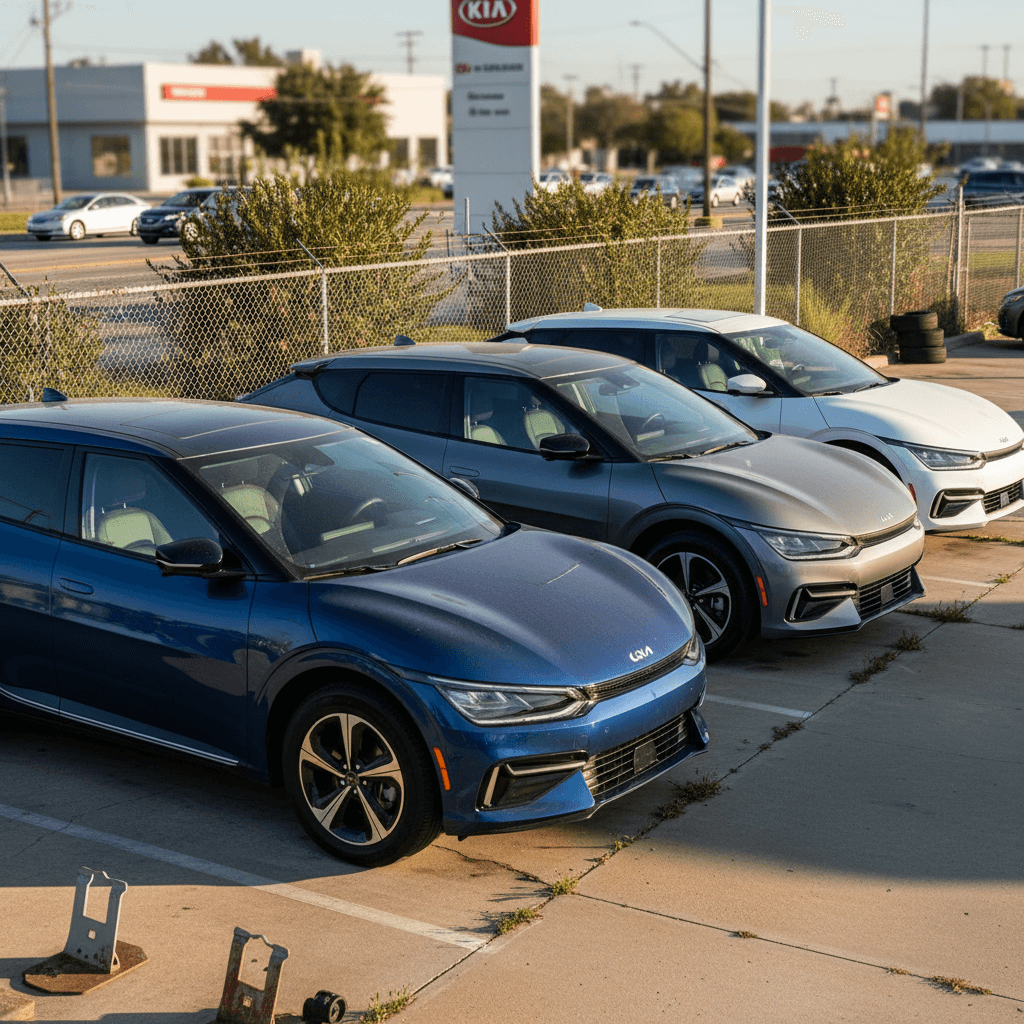
For any used EV, the battery is the asset. A Kia EV6 with a healthy pack, well within its battery warranty window, can deserve a premium over a similar‑looking EV6 that’s been fast‑charged hard and shows more degradation.
- The EV6’s liquid‑cooled battery is engineered to handle DC fast charging, but constant use at high power and high temperatures can still accelerate wear.
- Most owners will see modest degradation in the first several years, often in the single‑digit percentage range, if they charge primarily at home and avoid frequent 100% charges.
- Once degradation becomes noticeable in real‑world range, resale shoppers start discounting the car more aggressively, even if it’s still under warranty.
- Detailed battery health data can reveal whether an EV6 is aging gently or hard, which is why serious used‑EV buyers increasingly demand more than just an odometer reading.
Where Recharged’s battery data comes in
When is the best time to buy a used Kia EV6?
If you’re focused on value, the goal is simple: let someone else eat the early‑years depreciation, then step in once prices level out but before warranties fade away.
Smart timing strategies for used EV6 shoppers
1. Target 2–4 years old
This is usually where depreciation slows from a cliff to a glide. You often save tens of thousands off MSRP but still get a modern EV with current features.
2. Stay inside major warranties
Try to buy with several years and plenty of miles left on the battery and powertrain warranties. That safety net supports both your peace of mind and the car’s resale later.
3. Look around model‑year changes
When a refreshed EV6 or new trim arrives, last‑year models can soften a bit on price. If you don’t need the newest screen or color, you can capture extra savings.
4. Watch interest rates and incentives
Sometimes it’s smarter to buy a slightly higher‑priced car with better financing than a bargain‑priced EV6 with expensive money. Run the total cost, not just the sticker.
5. Shop nationally, not just locally
EV demand is still uneven. A gently used EV6 in one region may be thousands cheaper than the same car in another. With nationwide delivery options, it can pay to cast a wider net.
Don’t chase the absolute bottom
7 ways to slow depreciation if you own an EV6
If the Kia EV6 is already yours, you can’t control the whole market, but you can control how attractive your specific car looks when it’s time to sell or trade.
- Keep service records neat and complete. Buyers (and dealers) pay more for cars with documented care, especially when it comes to software updates and recall work on EVs.
- Guard the interior and wheels. Curb rash, torn seats, and stained headliners all hit resale. Small cosmetic fixes before you sell can return more than they cost.
- Charge smart. Favor Level 2 home charging when possible, avoid daily 100% charges, and don’t leave the car sitting for weeks at full or near‑zero state of charge.
- Stay current on software updates. Updated safety and driver‑assist systems feel more modern and can avoid repair headaches later.
- Choose tires wisely. Replacing worn tires with quality, EV‑appropriate rubber just before you sell can make your EV6 stand out against cheaper‑feeling competitors.
- Be honest about range. Over‑promising real‑world range to a buyer only leads to price fights after the test drive. A realistic, data‑backed range story is more convincing.
- Time your sale. Selling just before a warranty milestone or ahead of a major new EV launch can keep you ahead of the curve instead of chasing falling prices.
How Recharged helps you shop EV6s with depreciation in mind
Depreciation doesn’t have to be a mystery or a trap. Used EV shoppers have more data than ever, if you know where to look and how to interpret it.
Buying a used Kia EV6 through Recharged
Designed around the biggest questions EV shoppers ask.
Recharged Score battery report
Every EV6 on Recharged comes with a Recharged Score Report that includes verified battery health diagnostics, charging history insights where available, and fair‑market pricing analysis. You see how that specific car’s condition lines up with its asking price.
Fair market pricing, not guesswork
Because Recharged focuses on used EVs, pricing is built around real transaction data, not just wishful thinking. You can see how current offers on Kia EV6s compare to similar cars nationwide.
Financing, trade‑in, and delivery
Recharged offers financing, trade‑ins, instant offers or consignment, and nationwide delivery, plus an in‑person Experience Center in Richmond, VA. That means you can chase the right EV6 at the right price without being stuck in your local bubble.
Ready to find your next EV?
Browse VehiclesWhy this matters for depreciation
Kia EV6 depreciation FAQ
Frequently asked questions about Kia EV6 depreciation
Key takeaways on Kia EV6 depreciation
The Kia EV6 depreciates like a modern, in‑demand EV: a quick slide in the early years, then a calmer, more predictable glide. For first owners, that means thinking carefully about pricing, incentives, and how long you plan to keep the car. For used shoppers, it means there’s a sweet spot, usually 2 to 5 years old, where you can scoop up a well‑equipped EV6 for far less than MSRP while still enjoying years of warranty coverage and strong battery performance.
Whether you’re buying, selling, or just planning ahead, focus on battery health, warranty timeline, and realistic pricing, not just the odometer. And if you’d rather not decode all that alone, browsing Kia EV6 listings on Recharged gives you transparent battery diagnostics, fair‑market pricing, expert EV support, and flexible options like financing, trade‑ins, and nationwide delivery. Depreciation may be inevitable, but overpaying for it is not.