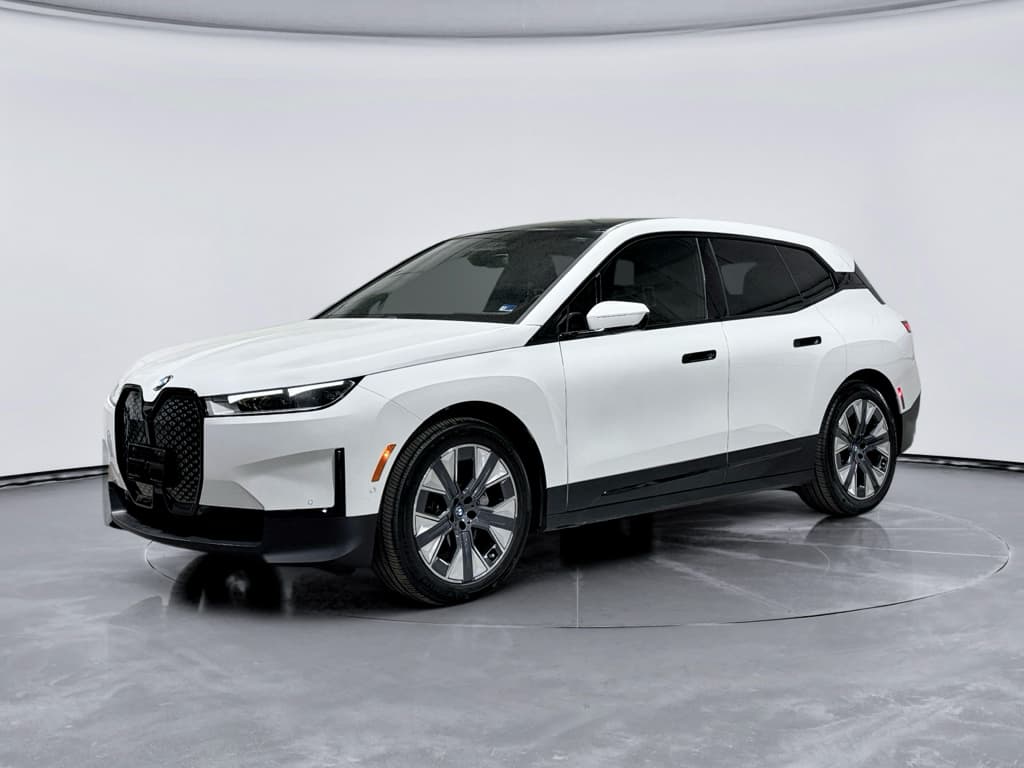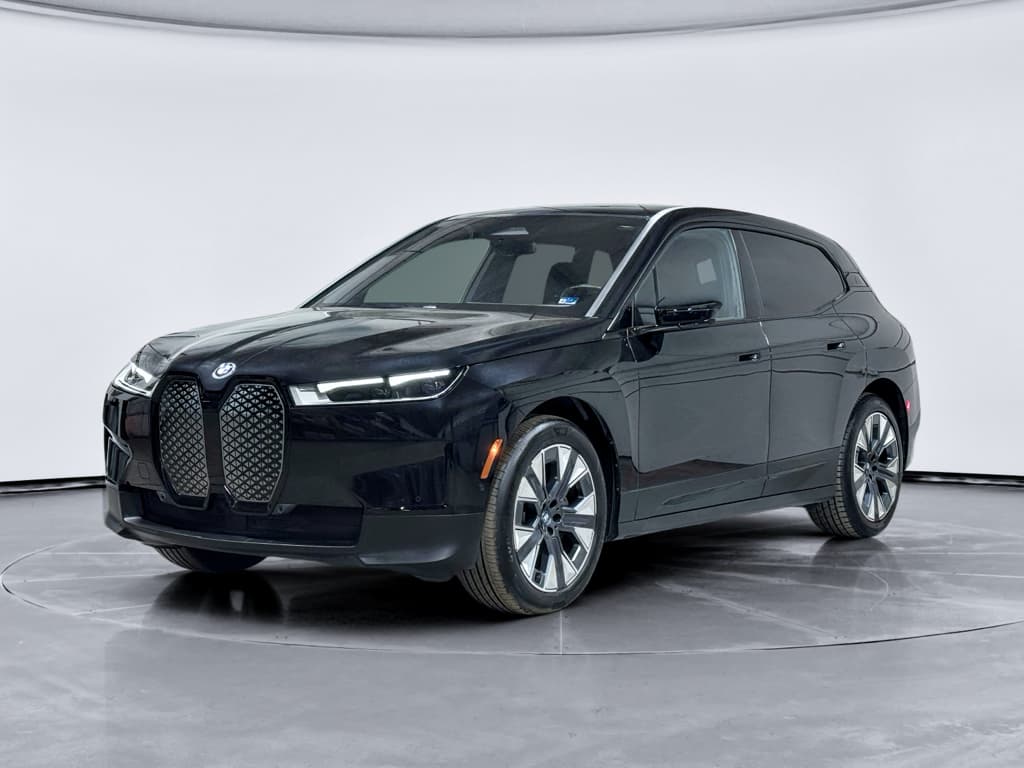
If you’re eyeing a BMW iX or already own one, you’ve probably heard the chatter: EVs, especially luxury ones, depreciate fast. So how fast does the BMW iX actually depreciate, and what does that mean for you as a buyer or owner? This guide breaks down real-world value loss, why it happens, and how to turn steep depreciation into an opportunity when you shop used.
Quick context
BMW iX depreciation at a glance
Typical BMW iX depreciation snapshot (estimates)
Important note on numbers
How fast does the BMW iX actually depreciate?
The BMW iX launched as a six-figure luxury EV for many buyers once you factored in options. Like most premium battery-electric SUVs, it drops hardest in the first three years, then its depreciation curve starts to flatten.
- Year 0–1: Roughly 20–25% off original MSRP once the car is titled and driven.
- Year 1–3: Total depreciation often lands around 35–45% below MSRP by the end of year 3.
- Year 3–5: Values typically slide into the 45–55% off MSRP range by year 5, assuming normal mileage and condition.
- Year 5+: The iX should start behaving more like a traditional luxury SUV, smaller, steadier annual drops as long as the battery and tech stay competitive.
Those ranges put the BMW iX roughly in line with premium EV rivals like the Mercedes EQE SUV and Audi Q8 e-tron, and somewhat better than the dramatic first-wave EV depreciation we saw a decade ago. Where the iX lands within that band depends heavily on spec, incentives, and how the EV market is moving in your region.
Why this benefits used buyers
Why luxury EVs like the BMW iX depreciate so quickly
Four big drivers of BMW iX depreciation
Most have little to do with build quality, and everything to do with tech and incentives.
Fast-moving tech cycles
New EVs add range, faster charging, and upgraded driver-assistance features almost every year. When a new model year boosts usable range or charging speed, last year’s iX looks older sooner than a comparable gas SUV.
Tax credits & incentives
Federal and state EV incentives lower the real-world cost of a new iX for the first owner. On paper the MSRP is high, but if the original buyer effectively knocked thousands off with credits, used pricing has to adjust to reality.
Lease-heavy mix
Luxury EVs are often leased. When 2–3 year leases mature in waves, they can dump a lot of nearly identical iX SUVs into the used market at once, pushing prices down until demand catches up.
Perceived risk and unknowns
Many shoppers are still learning how EV batteries age. That uncertainty can translate into a “fear discount” on used prices, even though modern packs are holding up better than many expected.
Different from old-school BMW depreciation
Key factors that shape BMW iX resale values
1. Trim and options
The better-equipped xDrive50 and high-spec models typically hold value better than bare-bones builds, especially when they include desirable packages like premium audio, upgraded driver-assistance, and larger wheels. That said, niche options that narrow the buyer pool (unusual colors, rare interior trims) can cut both ways.
2. Software and feature support
BMW leans heavily on software for its EVs. Over-the-air (OTA) updates, active subscription services, and compatible phone apps all matter to used buyers. An iX that still supports the latest infotainment and driver-assistance updates will generally be worth more than one that feels tech-dated.
3. Charging performance
Fast, predictable DC charging is a selling point. Shoppers will pay more for an iX that regularly sees strong DC fast-charge speeds on major networks and shows no history of repeated fast-charge issues. Regional access to high-power chargers also plays a role in what buyers are willing to pay.
4. Warranty and service history
A clean BMW service history, remaining battery warranty, and documented software or recall updates all support stronger resale values. Gaps in maintenance records or outstanding recalls, on the other hand, give buyers leverage to negotiate down.
Pro move when shopping used
BMW iX vs other luxury EV SUVs: depreciation comparison
The BMW iX doesn’t live in a vacuum. If you’re cross-shopping, it helps to see it in the context of other luxury electric SUVs. Here’s how typical 3–5 year depreciation bands compare for similar vehicles, using current used-market behavior as a guide.
Estimated 5-year depreciation: BMW iX vs rivals
How much value typical luxury EV SUVs lose versus original MSRP after about five years, assuming average mileage and condition.
| Model | Type | Est. 3-year depreciation | Est. 5-year depreciation | Relative holding power |
|---|---|---|---|---|
| BMW iX | Luxury midsize EV SUV | 35–45% | 45–55% | Competitive, mid-pack |
| Mercedes EQE SUV | Luxury EV SUV | 35–45% | 45–55% | Very similar to iX |
| Audi Q8 e-tron | Luxury EV SUV | 40–50% | 50–60% | Slightly softer than iX |
| Tesla Model X | Luxury EV SUV | 30–40% | 40–50% | Historically stronger, but narrowing |
| Non-luxury EV SUV (average) | Mainstream EV SUV | 30–40% | 45–55% | Similar 5-year range, lower starting price |
These are directional market-based ranges, not guarantees. Individual vehicles can fall outside these bands.
Why these are ranges, not promises
How mileage and battery health affect a used BMW iX
For a used BMW iX, mileage and battery health are joined at the hip. High miles don’t automatically kill value the way they can on a gas BMW, but they do raise questions about charging habits and battery wear.
Mileage vs. battery health: what matters more?
Both count, but buyers are learning to prioritize the pack.
Mileage still counts
An iX with 80,000 miles will almost always sell for less than one with 30,000, even if both are clean. Wear on suspension, interiors, and tires still shows up over time.
Battery state of health (SoH)
More buyers are asking, “How healthy is the battery?” than “What’s the odometer?” A strong state of health reading can offset slightly higher miles.
Charging history
Lots of repeated DC fast charging in hot climates can age a pack faster than gentler Level 2 home charging. That’s why transparent history and diagnostics matter.
How Recharged helps here
Leasing vs buying the BMW iX with depreciation in mind
If you’re considering a new or nearly-new BMW iX, depreciation should steer how you pay for it. With any fast-changing EV, the first owner pays the steepest part of the curve, and that can make leasing attractive.
Which strategy fits your depreciation risk tolerance?
You want the latest tech every 3 years
Leasing shifts battery and tech obsolescence risk back to the leasing company. When your term ends, you simply walk away or move into the latest iX or another EV.
You drive average or lower miles
If you stay under mileage caps, a lease lets you enjoy the iX’s early years while the lender absorbs most of the value drop.
You prefer predictable costs
With a lease, you know your monthly payment and can often bundle maintenance. Depreciation still happens, it’s just baked into the payment instead of showing up when you go to sell.
You plan to keep the iX 7–10 years
Buying (especially used) can win if you keep the iX long enough to ride through the steep early drops. By year 7–10, annual depreciation tends to be much gentler.
You’re open to buying used instead of new
Let someone else take the 0–3-year hit, then finance a 3–5-year-old iX at a much lower price. Recharged can help you <strong>finance a used iX</strong> with EV-savvy lenders.
Ownership hack
Buying a used BMW iX: strategies to let someone else pay the hit
From a total-cost-of-ownership standpoint, a well-chosen used BMW iX can be a smart buy. You capture BMW build quality and comfort without swallowing the new-car price, if you’re deliberate about where you land on the depreciation curve.
- Target 3–5-year-old iX models when possible. That’s where the curve starts to flatten but the tech still feels modern.
- Be flexible on colors and options. Popular colors and mainstream option sets often have better resale, but they may also command slightly higher prices upfront.
- Prioritize documented battery health and service records over the absolute lowest price. A rock-bottom deal on a neglected iX can erase any depreciation “savings” in repairs and range frustration.
- Shop multiple markets if you can. Luxury EV demand is softer in some regions than others; a nationwide marketplace like Recharged lets you see where iX pricing is most attractive.
- Run the payment vs. savings math. A slightly more expensive but better-documented iX can be cheaper over a 5-year ownership window than a cheaper one with unknown battery health.
Where Recharged fits in
Ready to find your next EV?
Browse Vehicles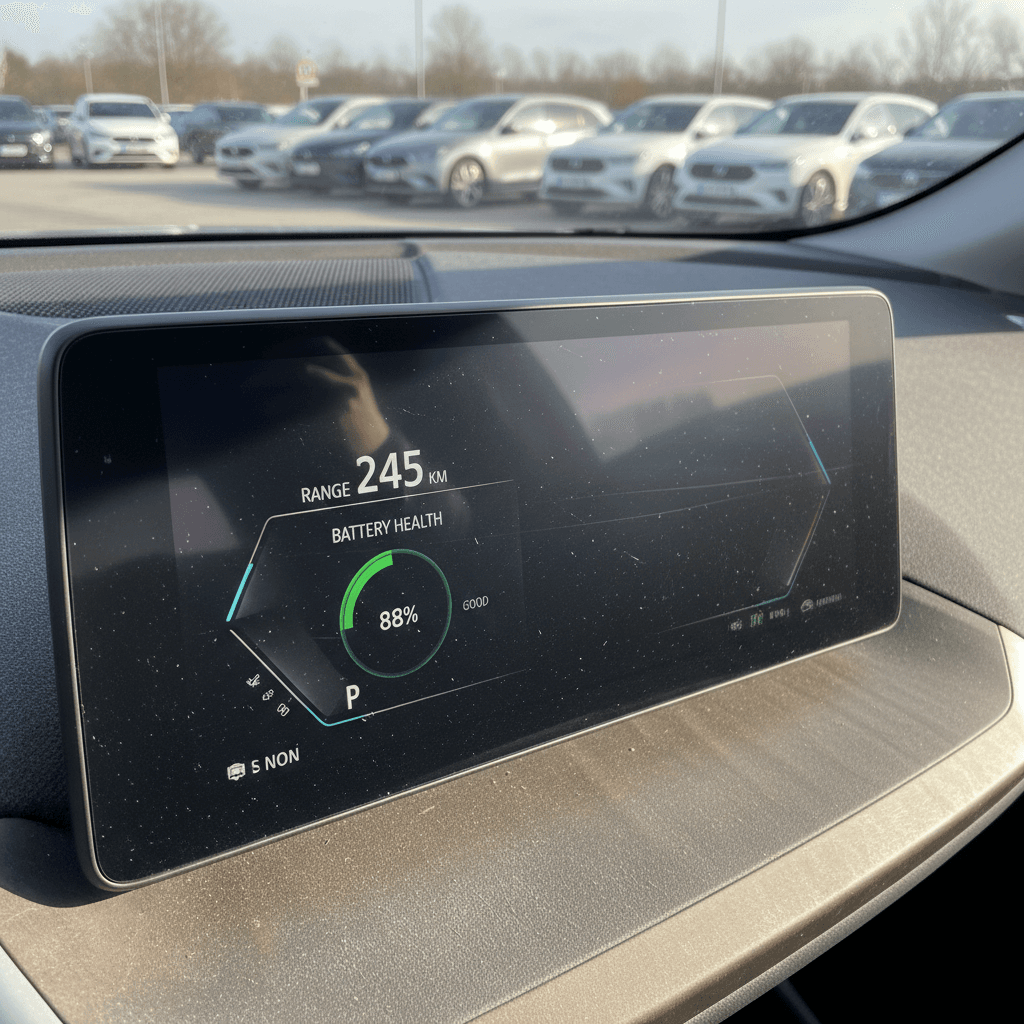
Practical tips to protect your BMW iX’s resale value
Seven ways to keep your BMW iX’s depreciation in check
1. Favor Level 2 charging at home
Regular home or workplace Level 2 charging is gentler on the battery than constant DC fast charging. Save high-power fast charging for road trips and rare emergencies.
2. Avoid extreme charge levels when you can
Living at 100% or near 0% charge for long periods can stress the pack. Use BMW’s charge limits when possible, and keep the iX in a middle state of charge when it sits.
3. Keep software updated
Stay current on BMW software updates. They can improve efficiency, charging behavior, and feature sets, all of which help your iX feel newer for longer.
4. Preserve the interior
Luxury cabins sell cars. Protect soft-touch surfaces, avoid heavy smoking or pet damage, and address small cosmetic issues before they turn into buyer turn-offs.
5. Follow (and record) maintenance
Stick to BMW’s recommended maintenance schedule and keep receipts. A thick, organized folder or digital record makes your iX look cared-for and supports a higher resale price.
6. Fix minor damage promptly
Small dings, curb rash on wheels, and cracked glass drag down offers more than you might expect, especially on a premium EV. Repairing them before selling often pays back.
7. Time your sale wisely
If BMW announces a major iX refresh with big range or charging upgrades, early used values can dip. When possible, plan your sale before a major new-generation launch.
Don’t ignore warning lights
Common questions about BMW iX depreciation
Frequently asked questions about BMW iX depreciation
Bottom line: is the BMW iX a good value used?
The BMW iX follows the same pattern as other luxury EV SUVs: rapid early depreciation, then a more gradual slide. If you’re buying new, you need to be comfortable with that hit, and leasing may be worth a hard look. But if you’re shopping used, those same depreciation curves can work in your favor, delivering a lot of BMW for the money.
The smart move is to focus less on guessing exact future percentages and more on controlling the variables you can see today: battery health, charging behavior, maintenance history, and fair, transparent pricing. That’s where a specialized used-EV platform like Recharged can help, with battery diagnostics, expert guidance, financing options, and nationwide delivery that make stepping into a used BMW iX feel a lot less like a gamble and more like a well-informed bet.