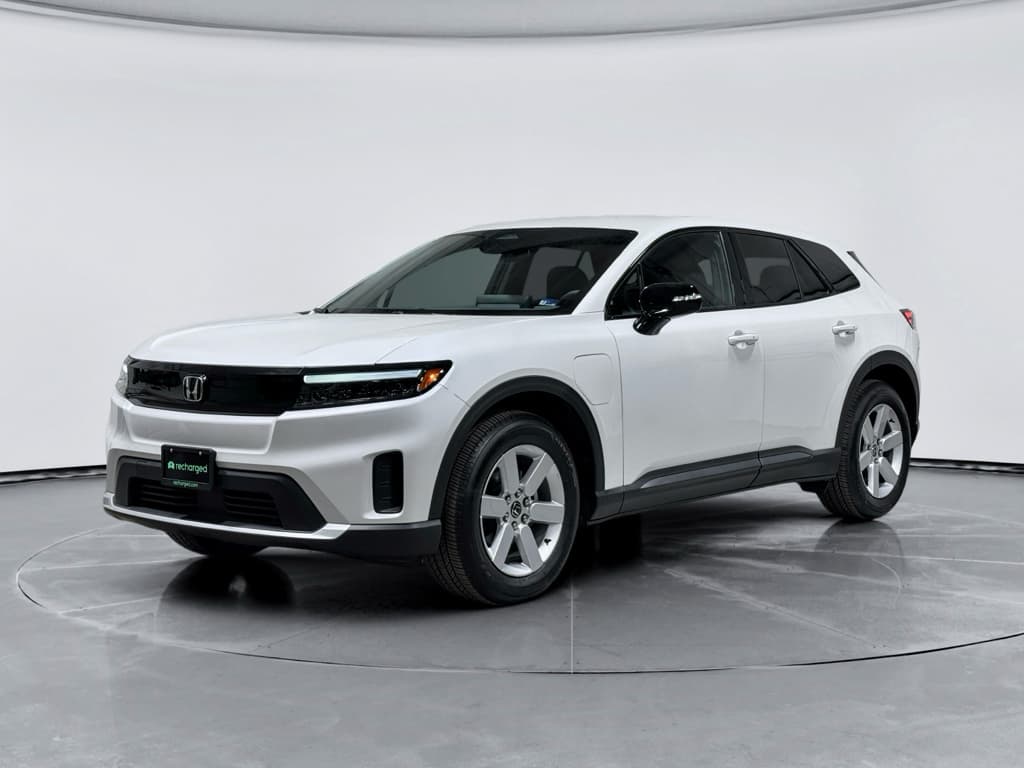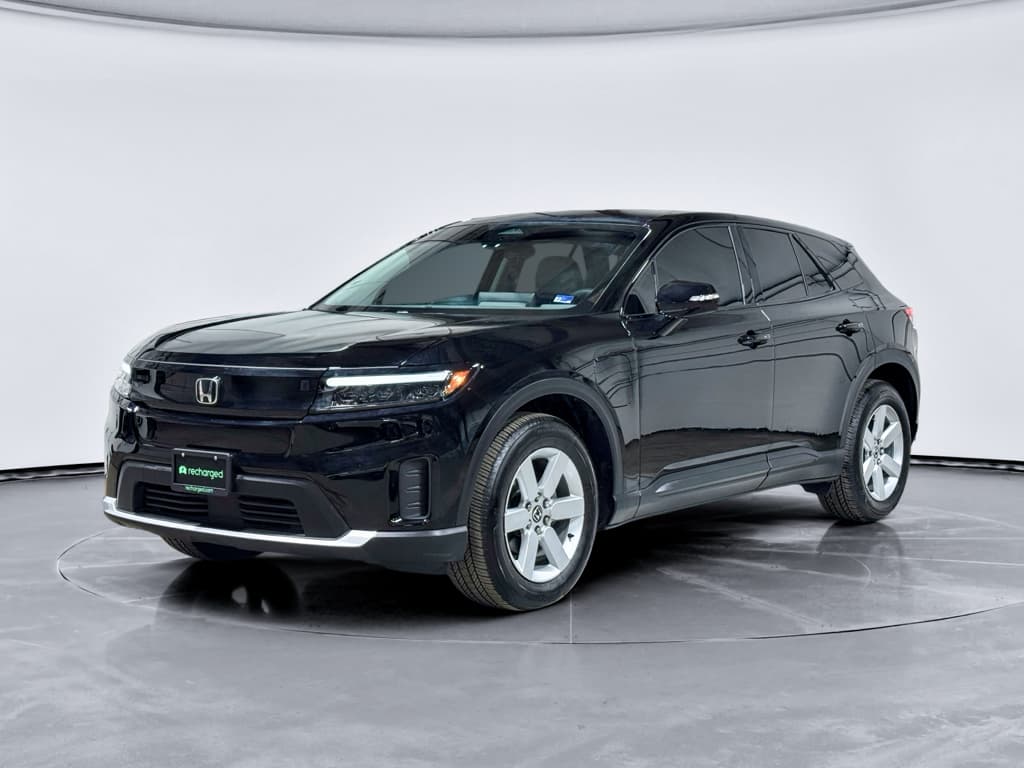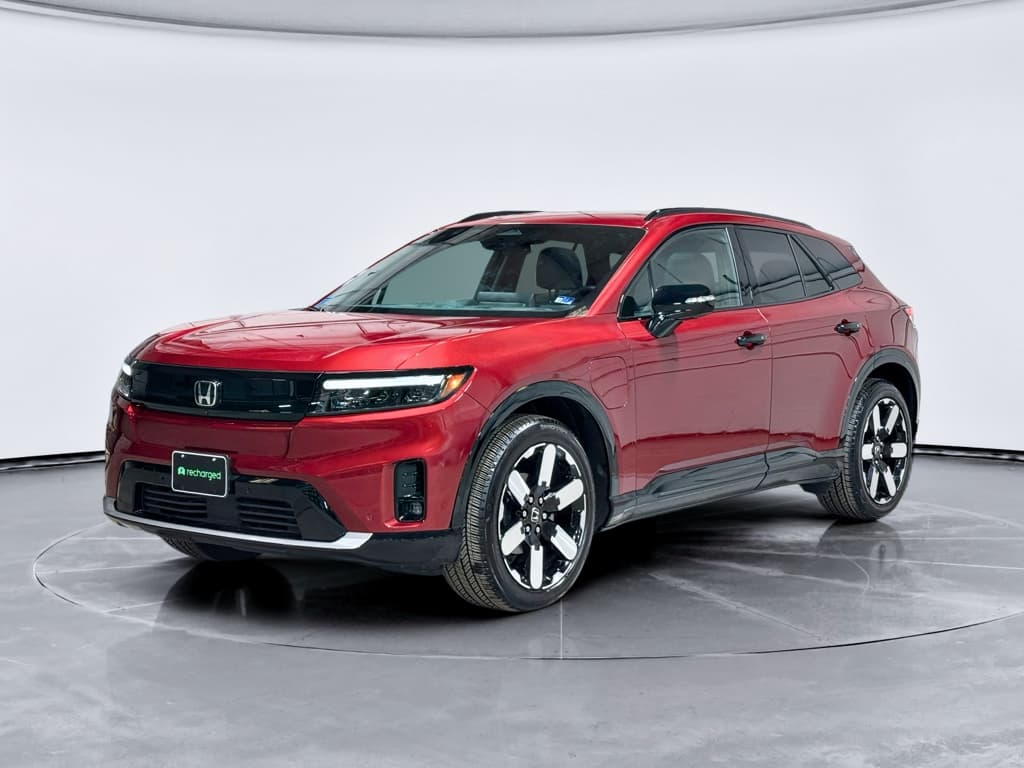
If you’re cross‑shopping electric SUVs, the Honda Prologue vs Toyota bZ4X matchup is probably on your radar. Both target the same “practical family EV” sweet spot, but they take very different paths on range, charging performance, and overall value, especially once you factor in the growing used EV market.
Two very different EV strategies
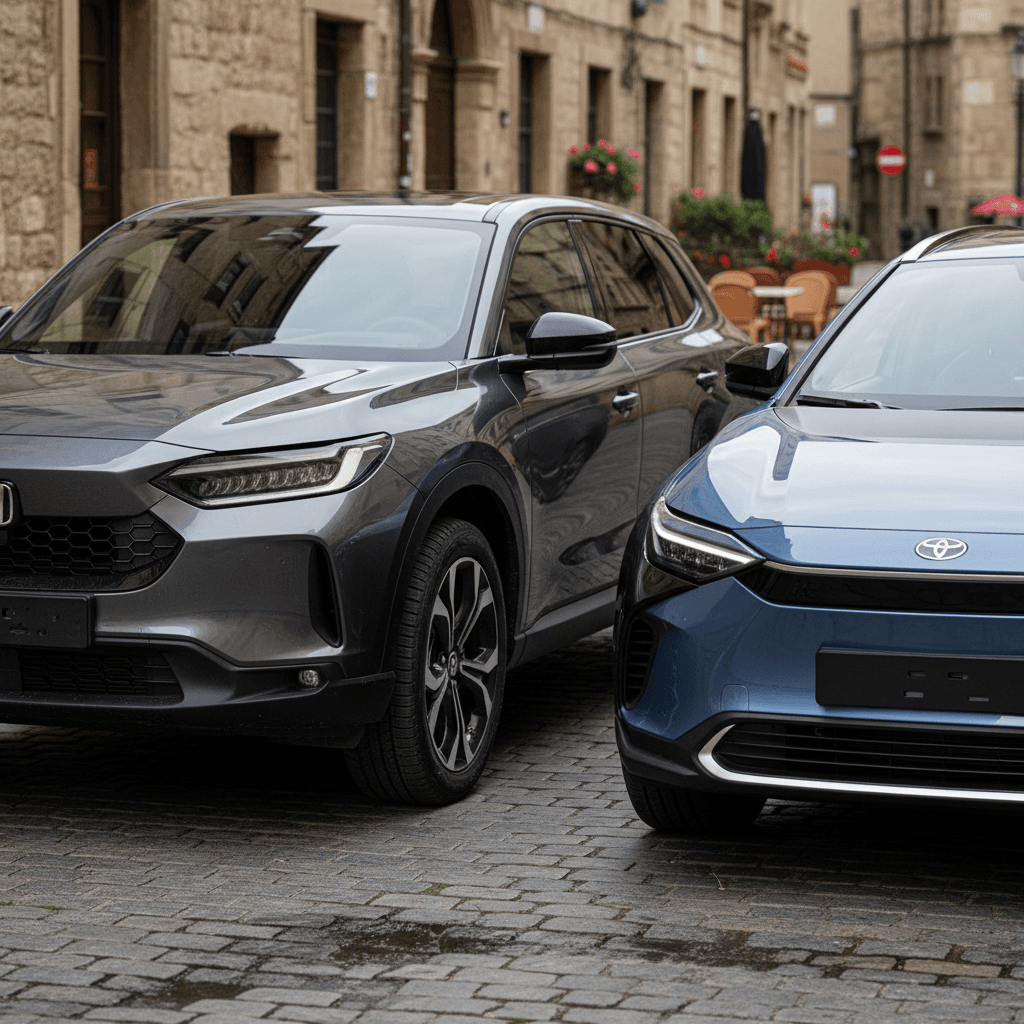
Honda Prologue vs Toyota bZ4X: Overview
At a high level, the Honda Prologue is the more modern, long‑range EV aimed at drivers who regularly take highway trips and want quick charging. The Toyota bZ4X is smaller, more affordable, and tuned for daily commuting with a conservative battery and slower DC fast‑charging. That doesn’t make the bZ4X a bad EV, it just means it shines in a different use case than the Prologue.
Who each SUV fits best
Think about how you actually drive, not just the spec sheet
Honda Prologue: Best for range and road trips
- Longer EPA range (up to around 296 miles FWD on 85 kWh Ultium pack).
- Stronger DC fast‑charging performance and growing access to Tesla Superchargers via NACS adapter.
- More interior space and power, better for families and long‑distance driving.
Toyota bZ4X: Best for local duty and value
- Smaller footprint and lower price; easier to park and live with in the city.
- Range that’s fine for typical commuting and errands.
- Conservative battery management tuned for longevity over fast‑charge bragging rights.
Key specs: Honda Prologue vs Toyota bZ4X
Core specs comparison
Headline numbers for range, power, and battery size. Exact figures vary slightly by trim and model year, but this gives you the right ballpark.
| Spec | Honda Prologue (approx) | Toyota bZ4X (approx) |
|---|---|---|
| Battery capacity | 85 kWh Ultium pack | ~71–73 kWh usable pack |
| Drivetrain options | FWD or AWD | FWD or AWD |
| EPA range (best trims) | Up to ~296 miles (FWD) | Around 252 miles (FWD), ~228 miles (AWD) |
| Peak DC fast‑charge power | ~150–155 kW | Up to ~150 kW claimed, typically lower in real use |
| Onboard AC charger | 11.5 kW Level 2 | ~6.6–11 kW depending on year/market |
| Power output | Roughly 210–288 hp depending on FWD/AWD | Roughly 201 hp (FWD), 214 hp (AWD) |
| Size class | Mid‑size SUV | Compact/mid compact SUV |
Always check the specific trim and model year you’re considering, especially in the used market.
Specs vs real‑world
Range and efficiency
Range is the first thing most EV shoppers look at, and here, the Honda Prologue has a clear edge on paper and in practice. Its 85 kWh Ultium pack enables roughly high‑200‑mile EPA ratings depending on trim, with some FWD models approaching 300 miles. The Toyota bZ4X typically tops out in the low‑ to mid‑200‑mile range, which is fine for daily driving but less flexible for long trips without frequent stops.
Headline range numbers (approximate, U.S. trims)
If you mostly commute 30–60 miles a day and charge at home, both vehicles are more than capable. But if you routinely drive 200+ miles in a day or prefer to charge less often, the extra buffer in the Prologue’s larger pack matters. It reduces how deep you have to discharge the battery and how often you rely on public DC fast‑charging, both good for long‑term battery health and convenience.
Think in “usable buffer,” not just max range
Charging speed and road‑trip viability
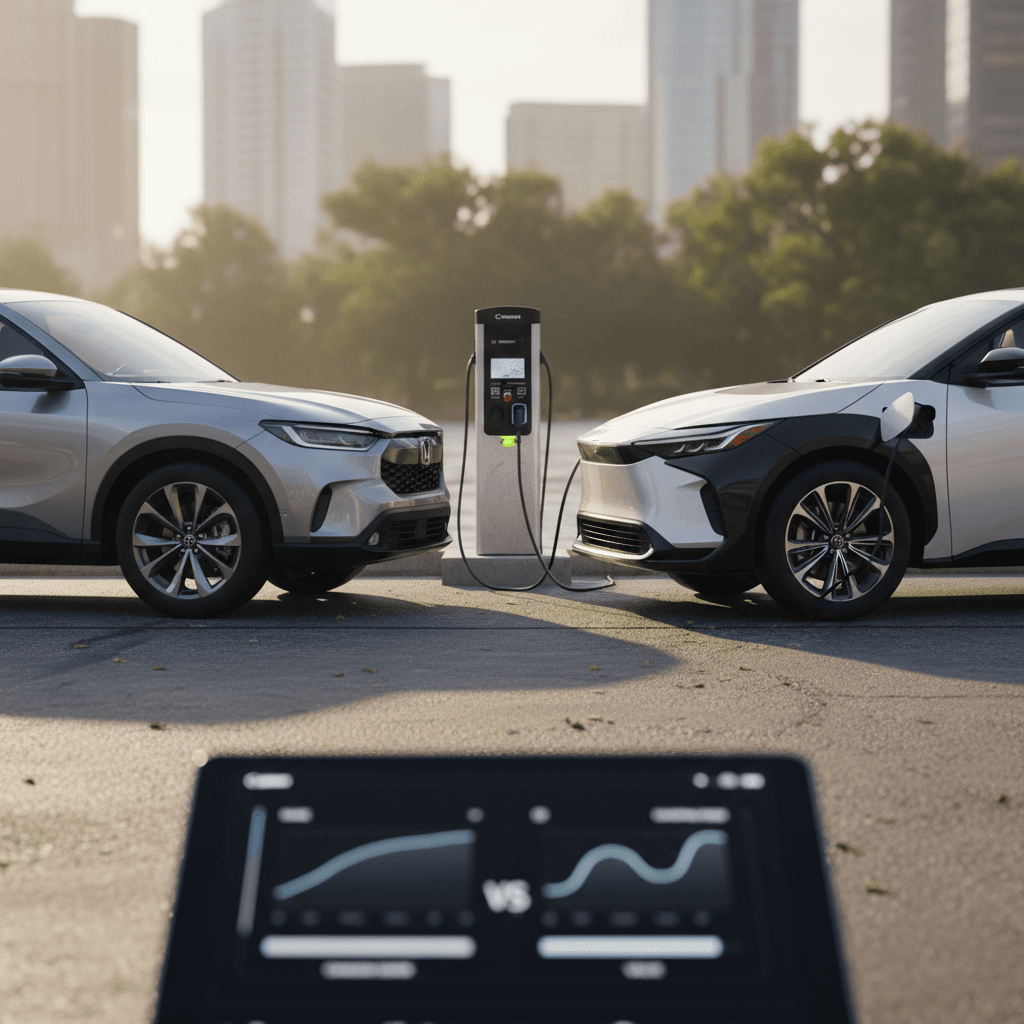
On paper, both SUVs support DC fast‑charging in the 150 kW ballpark. In reality, they behave very differently. Honda’s Ultium‑based Prologue tends to hold higher charging power for longer, translating into “add‑and‑go” stops that feel closer to leading EVs. The bZ4X, especially in earlier model years, is notorious for conservative DC fast‑charging curves that taper early and can be limited by software to preserve battery longevity.
Honda Prologue: Stronger for road trips
- Peak DC fast‑charging around 150–155 kW in ideal conditions.
- Honda advertises roughly ~65 miles of range in about 10 minutes of DC fast‑charging when the battery is low.
- 11.5 kW onboard Level 2 charger means a full overnight charge on a 48‑amp home unit.
- Access to Tesla Superchargers via a Honda‑supplied NACS–CCS adapter unlocks thousands of additional DC fast‑charge locations over time.
Toyota bZ4X: Adequate, but not a fast‑charging star
- Toyota claims up to ~150 kW DC on paper for some trims, but real‑world tests often see lower sustained power.
- Charging from 10–80% is typically quoted at ~30–35 minutes, but that assumes ideal conditions and limited sessions per day.
- Conservative thermal and software limits mean the car often pulls back charging power to protect the pack, especially in cold weather.
- For occasional fast‑charging, it’s fine; as a regular highway road‑tripper, it can feel slow compared to newer rivals.
If fast‑charging matters, weigh this carefully
Charging questions to ask yourself before choosing
1. How often will you use DC fast‑charging?
If most of your charging will be at home or work on Level 2, the bZ4X’s slower DC behavior may not be a deal‑breaker. If you rely on public charging often, the Prologue is the more future‑proof choice.
2. Do you want access to Tesla Superchargers?
The Prologue’s support for the North American Charging Standard (NACS) via an adapter means you can tap into the growing Supercharger network. That’s a big deal in rural areas and along major corridors.
3. Can you install a 240‑V charger at home?
Both vehicles benefit hugely from a dedicated Level 2 home charger. If you’re still on 120‑V outlets, neither will feel great long‑term. A <a href="/articles/home-ev-charger-installation-guide">proper home charging setup</a> often matters more than headline DC numbers.
Space, comfort, and everyday usability
Dimensionally, the Honda Prologue is the larger, roomier SUV. It rides on a longer wheelbase with a more conventional, upright SUV profile, which translates into generous rear legroom and cargo space. The bZ4X is closer to a compact crossover, easier to park and maneuver, but not as airy inside, especially if you routinely carry adults in the back.
Everyday practicality: where each one shines
Think kids, cargo, parking, and visibility, not just kilowatts
Family hauling
Prologue wins on rear‑seat space and cargo capacity. Three kids across the back is more realistic, and the longer wheelbase helps with ride comfort on broken pavement.
City maneuverability
bZ4X is shorter and easier to park, especially in tight urban garages. If you live in a dense city, that matters more than a few extra cubic feet of cargo space.
Cargo flexibility
Both offer split‑folding rear seats and flat load floors. The Prologue’s larger footprint means more space for strollers, pets, and road‑trip gear without playing Tetris every time.
Either way, daily use is straightforward
Tech, safety, and driving experience
The Prologue and bZ4X both lean on their brands’ latest safety suites, Honda Sensing and Toyota Safety Sense, so you get modern driver assistance like adaptive cruise control, lane‑keeping, and automatic emergency braking either way. The more interesting differences are in infotainment, interface design, and how each EV feels on the road.
Honda Prologue
- Runs a modern infotainment system with Google built‑in on many trims, giving you native Google Maps, Assistant, and app ecosystem.
- Driving feel is more “traditional SUV” with solid power and a planted highway ride.
- Ultium platform packaging keeps weight low in the chassis, so it feels stable and predictable, even loaded with passengers and cargo.
Toyota bZ4X
- Toyota’s own infotainment system is a big step up from older Toyotas, with a large central screen and decent voice control.
- Steering and ride feel are very Toyota: predictable, a bit conservative, and tuned more for comfort and efficiency than fun.
- Some drivers like its slightly higher‑tech cockpit look, others prefer the Prologue’s simpler layout, this is very subjective, so test‑driving both matters.
In the EV world, the software experience matters as much as the hardware. Navigation that understands range, chargers, and weather can make or break your first long trip.
Pricing, incentives, and total cost of ownership
New, the Honda Prologue and Toyota bZ4X occupy overlapping price bands, with bZ4X generally undercutting the Prologue at the base level while the Prologue offers more range and power for the money. But EV pricing is volatile, and lease and financing offers often move the goalposts more than MSRP. Where things get especially interesting is in the used EV market, exactly where Recharged focuses.
High‑level pricing and value notes (U.S. market)
Ballpark observations as of 2025–2026, always verify current offers and used pricing in your area.
| Factor | Honda Prologue | Toyota bZ4X |
|---|---|---|
| New MSRP band | Generally higher; positioned as a near‑premium mid‑size EV SUV | Generally lower; closer to mainstream compact crossover pricing |
| Lease / financing | Often competitive due to manufacturer incentives and tax credit passthroughs | Toyota frequently leans on aggressive leases to move EV volume |
| Used market | Still emerging, but strong range and charging should support residuals | Early depreciation plus charging reputation may create good deals for informed buyers |
| Running costs | Similar: low maintenance, but Prologue may spend less time at DC chargers | Slightly cheaper purchase price can offset slower charging if you rarely fast‑charge |
Used EV prices move quickly; focus on value (range, charging, battery health) more than the original sticker price.
Use battery health as your north star on used EVs
New vs used: What makes sense for each SUV?
Because the Prologue is newer to market, the used selection is still building. The bZ4X has been around longer and had some early headwinds, particularly on fast‑charging, that pushed prices down faster than Toyota expected. For savvy buyers, that creates an opportunity, as long as you’re honest about your driving patterns.
Best scenarios for each SUV in the used market
Where the numbers and real‑world experience actually line up
Used Toyota bZ4X: Smart if you don’t road‑trip
- Depreciation plus Toyota’s reputation for longevity can create attractive used prices.
- If you mostly drive locally and charge at home, slow DC fast‑charging is a minor annoyance at worst.
- Conservative battery management may pay off in lower degradation over time.
Buying from a marketplace like Recharged that documents actual battery health and range is key, those details matter more than model‑year hype.
Used Honda Prologue: Future‑proof road‑tripper
- As more Prologues hit the used market, you’ll see strong value in long range, Ultium hardware, and NACS access.
- Better DC charging behavior means fewer compromises if you rely on public fast‑charging.
- Ideal for buyers who expect to keep the vehicle deep into the late‑2020s as the charging landscape matures.
Look for a Recharged Score Report that confirms the pack is still delivering the range you’re paying for.
Which EV SUV should you choose?
Choosing between the Honda Prologue and Toyota bZ4X isn’t about which spec sheet looks better; it’s about matching the EV to your life. The Prologue is the better tool if you value long‑range flexibility, faster DC fast‑charging, and access to the Tesla Supercharger network. The bZ4X is compelling if you prioritize a smaller footprint, lower upfront cost, and a brand that tends to play the long game on durability over flash.
Quick decision guide: Prologue vs bZ4X
Choose the Honda Prologue if…
You regularly take 200+ mile drives, care about faster DC fast‑charging, want access to NACS / Tesla Superchargers, and prefer a roomier mid‑size SUV feel with modern Google‑powered infotainment.
Choose the Toyota bZ4X if…
Most of your driving is local, you can charge at home, you’re more value‑sensitive on price, and you’re comfortable trading fast‑charge performance for Toyota’s conservative battery strategy.
Not sure yet?
Start by mapping a typical month of driving: daily miles, yearly road‑trip plans, and how often you’d really use DC fast‑charging. Then shop actual used inventory with <strong>verified battery health</strong>, a service Recharged builds into every vehicle we sell.
How Recharged fits in
Whether you’re leaning Honda or Toyota, Recharged can help you <strong>compare real vehicles</strong>, understand battery reports, arrange financing and trade‑ins, and even deliver the EV to your driveway so you can focus on driving, not deciphering spec sheets.