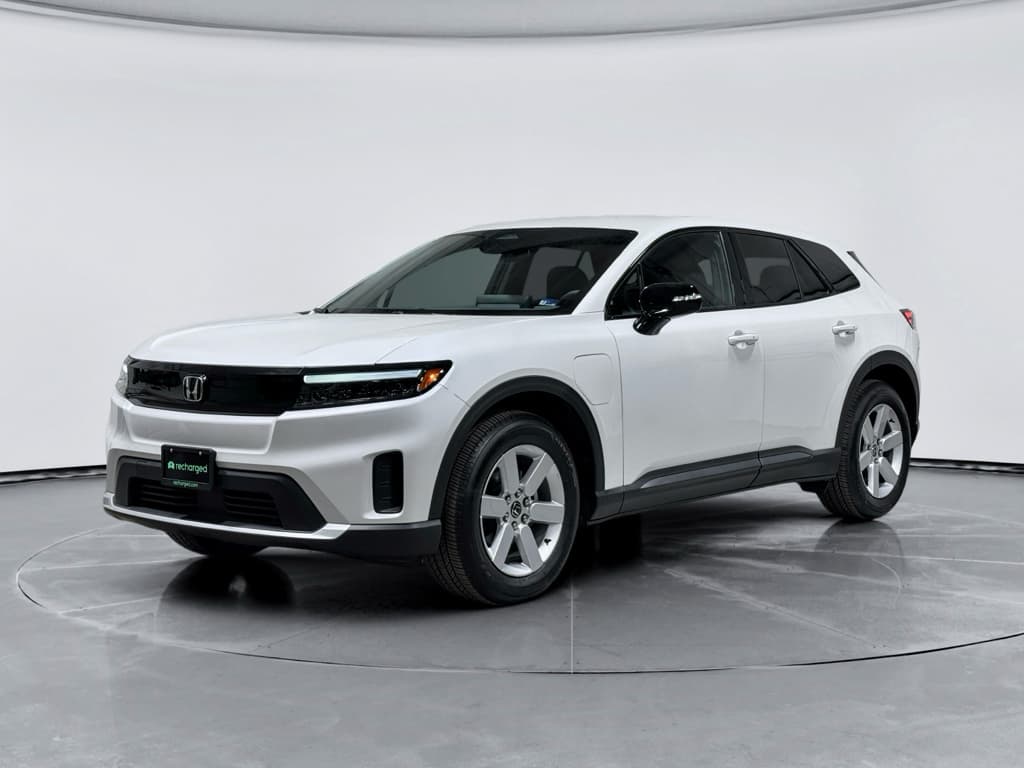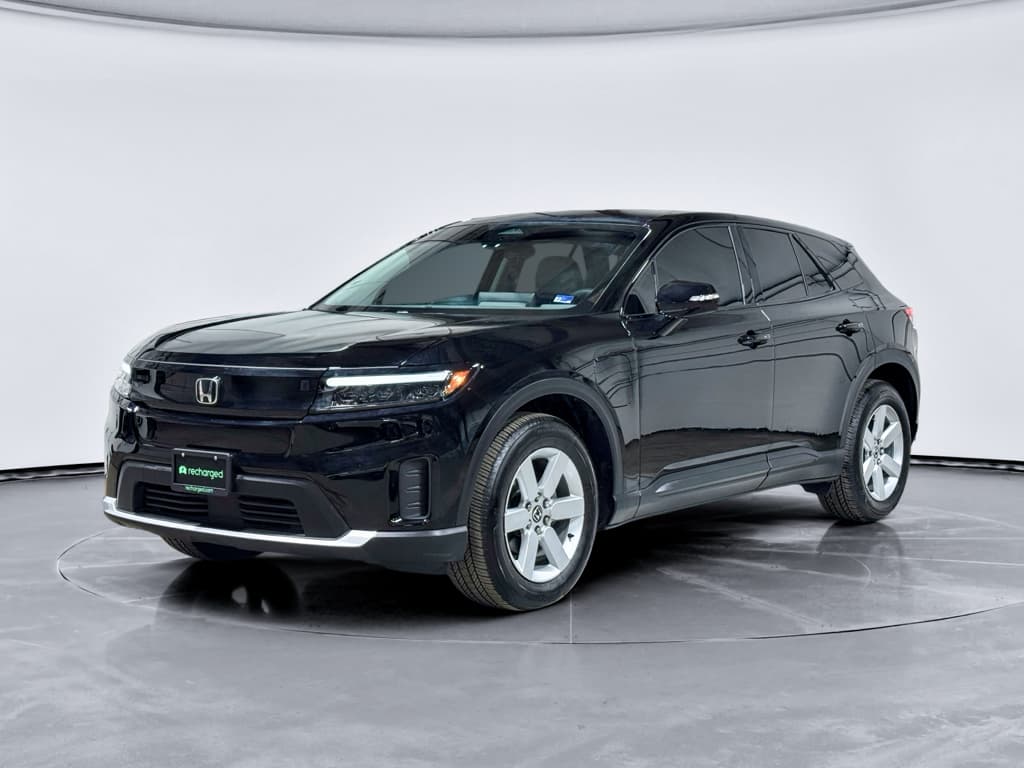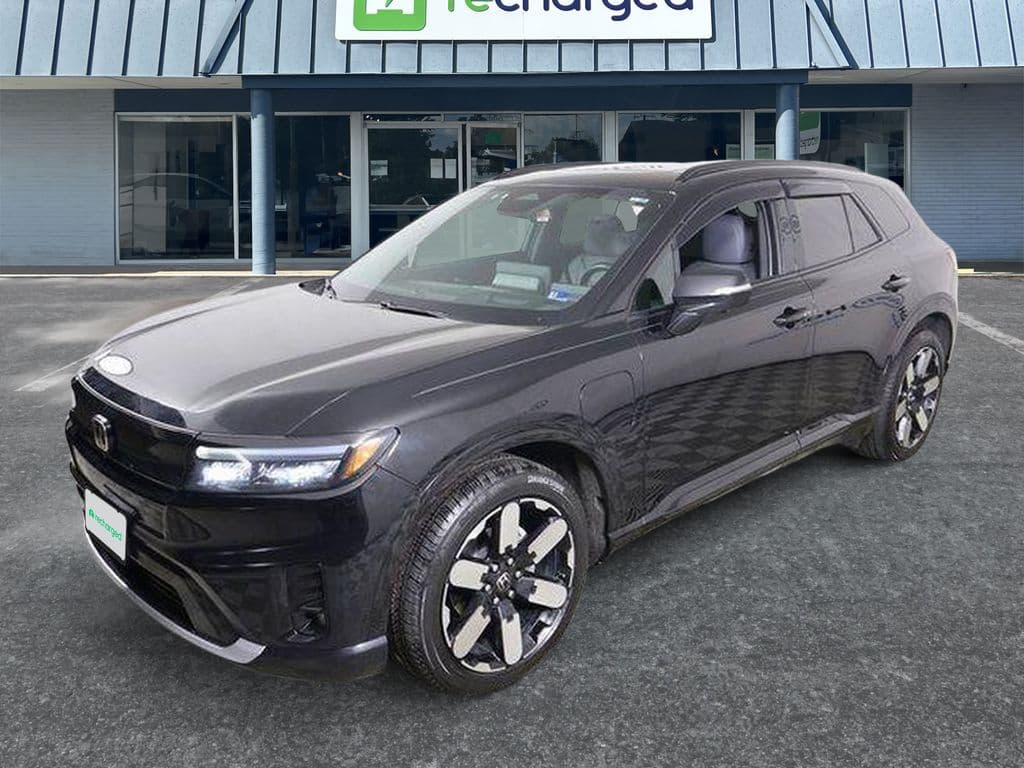
If you’re looking at a new Honda Prologue today, you’re probably already thinking a step ahead: **what will this electric SUV be worth after 3 years**? With EV prices and incentives moving quickly, understanding projected resale value isn’t just nice to know, it’s part of making a smart deal.
The short version
Why Honda Prologue 3‑Year Value Matters
Three years is the sweet spot for a lot of EV owners. It lines up with common lease terms, early loan paydowns, and the point where newer tech and range improvements start to tempt you into trading up. With the **Honda Prologue**, 3‑year value will decide whether you’re walking away with equity, rolling negative equity into the next loan, or cashing out smoothly into another EV.
- It’s when many leases end (typically 36 months / 30,000–36,000 miles).
- It’s early enough that the high‑voltage battery should still be healthy and under deep warranty coverage.
- It’s late enough that any big teething issues with a new model tend to show up in the resale market.
- It’s often when families reassess needs, growing kids, longer commutes, or a second EV.
Think in total cost of ownership, not just price
Honda Prologue Prices and Incentives Today
To understand **Honda Prologue value after 3 years**, you first have to know what buyers are really paying now, not just what’s on the window sticker.
Honda Prologue Pricing Snapshot (U.S.)
Honda launched the Prologue as a relatively premium mainstream EV SUV, with pricing that can easily climb into the high‑$50,000s when you check the right boxes. But in 2025 and 2026, **factory incentives, lease specials, and dealer discounts** have often pushed real transaction prices far below MSRP, especially on earlier 2024 inventory. Those discounts matter, because depreciation is best measured from **what you actually paid**, not the fantasy number on the Monroney label.
Watch the advertised “price”
How Much Will a Honda Prologue Depreciate in 3 Years?
The Prologue is still new, so we don’t have a full 3‑year used track record yet. But we do have four crucial clues: early used values, how similar EVs have behaved, Honda’s historic resale strength, and current discounting.
What early data suggests
- Early used Prologues are already showing **deep discounts** vs. original MSRP, especially on 2024 models that were heavily incentivized.
- That’s normal for EVs in a market where new‑car prices and tech are moving fast.
- It also means a shopper who buys at a realistic transaction price, not full MSRP, may see more typical depreciation, not a horror story.
Reasonable 3‑year expectations
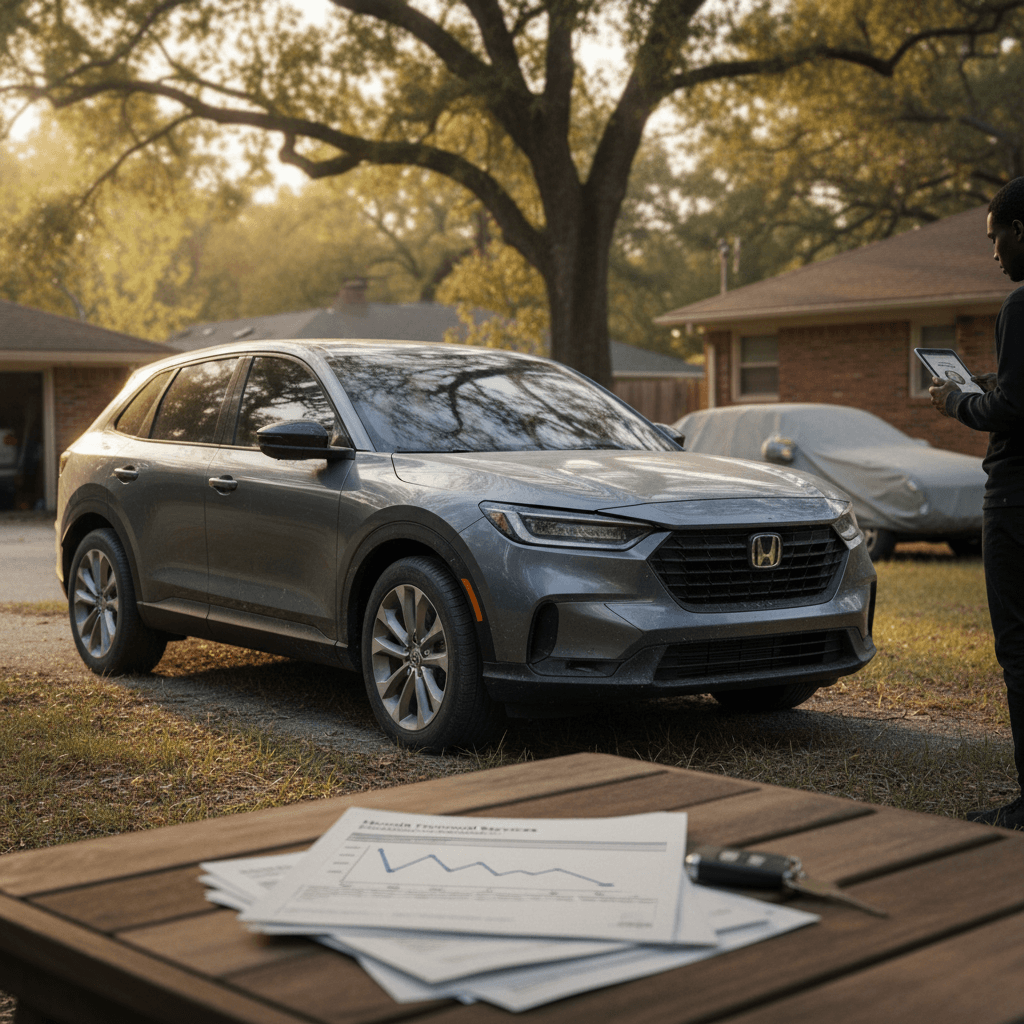
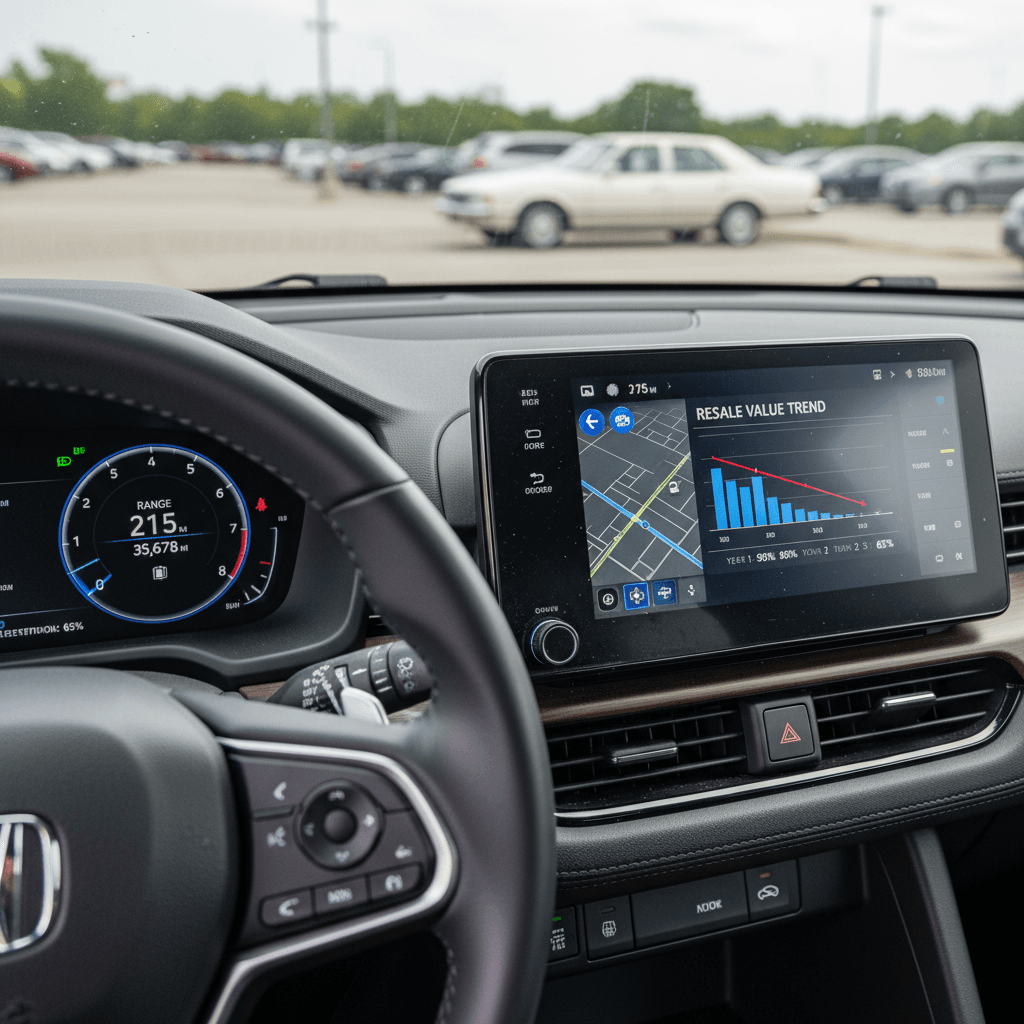
- From **real transaction price**: expect the Prologue to retain roughly 55–65% of what you paid after 3 years, in average use and condition.
- From full **MSRP**: if you truly paid sticker, you could see depreciation more like 40–50% of MSRP remaining at year three, especially if incentives get sweeter on newer EVs.
Why ranges, not one magic number
Key Factors That Shape 3‑Year Value
What Really Moves Honda Prologue Value After 3 Years
Trim, tech, and the charging transition all play a role
Trim & Options
Miles & Usage
Charging Standard & Support
- **Brand reputation:** Honda has historically enjoyed strong resale on gasoline SUVs. As buyers get more comfortable with EVs wearing a Honda badge, residuals should benefit.
- **Market EV pricing:** If new EV prices slide further because of competition and incentives, used values across the board, including Prologue, move with them.
- **Software and feature updates:** If Honda keeps improving the Prologue’s software experience, navigation, and charging logic over the air, a 3‑year‑old model feels much more current.
- **Local incentives and gas prices:** In regions with strong EV incentives or high fuel prices, used EVs can command stronger pricing. In others, they sit longer and depreciate more.
Early build issues can echo in resale
Battery Health and Warranty: The Big Value Lever
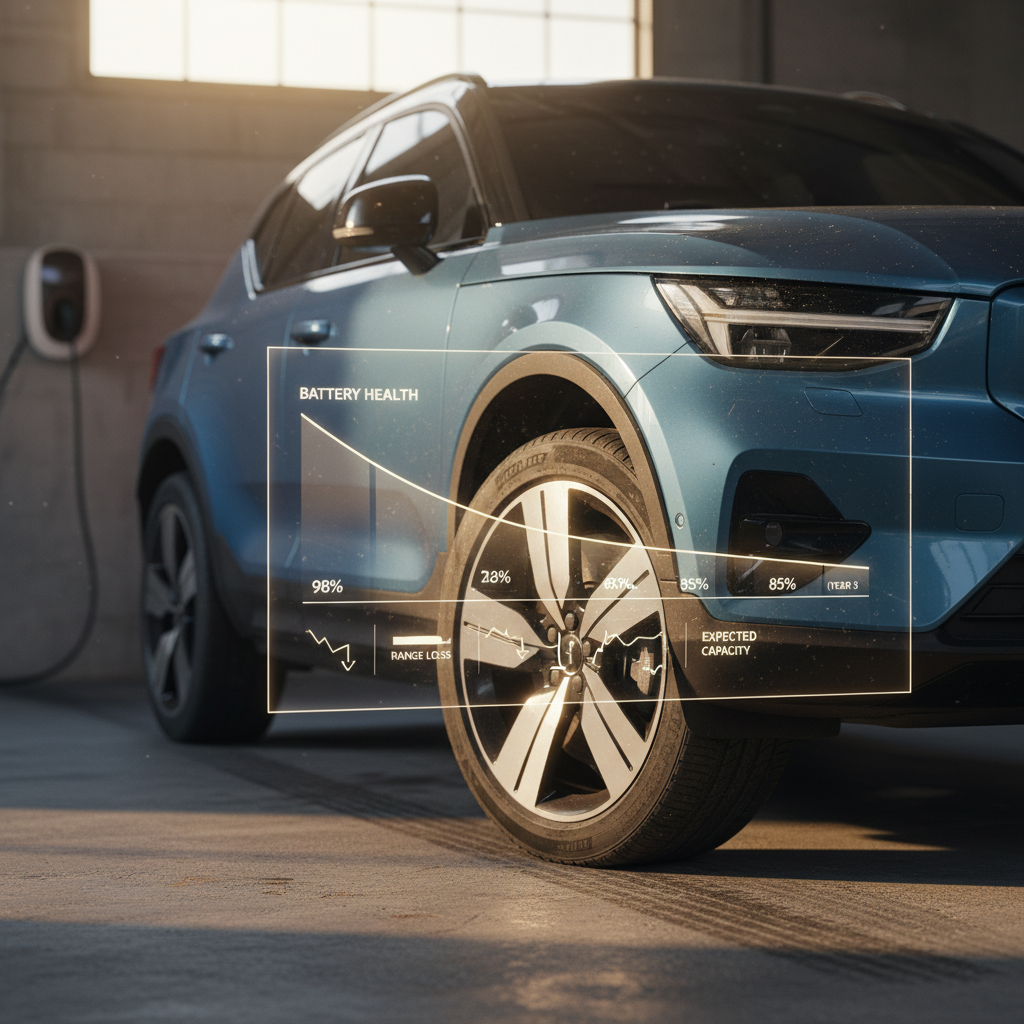
For any modern EV, resale value lives and dies with **battery health**. A 3‑year‑old Honda Prologue that still delivers close to its original EPA range is a very different proposition than one that’s been beaten up by constant DC fast‑charging and deep discharges.
Honda Prologue Battery & EV Component Warranty Basics
Exact terms vary by year and state, always confirm for your specific VIN, but this is the general structure U.S. shoppers can expect.
| Coverage | Typical Term | What It Means at 3 Years |
|---|---|---|
| High-voltage battery | 8 years / 100,000+ miles (often longer in CARB states) | Most of the battery warranty is still intact, which helps keep 3‑year value from falling off a cliff. |
| EV powertrain components | 5 years / 60,000 miles (varies) | Core EV hardware is still under warranty for many 3‑year‑old examples. |
| Basic bumper‑to‑bumper | 3 years / 36,000 miles (typical) | A 3‑year‑old Prologue may be near the end of basic coverage, so condition and service history matter more. |
Battery warranty remaining at 3 years is a major confidence boost for second owners.
Because that battery warranty stretches well beyond three years, used‑market shoppers can buy a Prologue with **years of coverage still on the clock**. That cushions depreciation versus older EVs that are drifting out of coverage and makes a verifiable **battery health report** incredibly valuable.
Where Recharged fits in
Ready to find your next EV?
Browse VehiclesLease vs. Buy for the Honda Prologue
With EVs changing quickly, leasing a Prologue instead of buying can act like a depreciation airbag. The leasing company shoulders the risk of what the SUV is worth when you hand back the keys.
Choosing the Right Strategy for 3‑Year Value
1. If you hate surprises, lean toward a lease
The monthly payment bakes in a predicted 3‑year value. If the market falls faster than expected, that’s the bank’s headache, not yours. At lease‑end, you can walk away, buy the Prologue for the residual, or switch to a newer EV with better range or charging.
2. If you buy, negotiate like depreciation is real
Big incentives now don’t protect you from future value drops. Push hard on price and avoid overpaying for lightly‑equipped trims that will be common on the used market in three years.
3. Watch the money factor and residuals
Aggressive lease specials often mean **subsidized residual values**, manufacturers betting that the Prologue will be worth more than the market thinks. That can be good for lessees but may shorten the list of buyers willing to pay your buyout amount three years later.
4. Consider your mileage honestly
If you routinely drive far more than 12,000 miles a year, check how expensive those extra‑mile charges become. In some cases, **buying with a longer loan** and selling around the three‑year mark can be smarter.
Run the numbers both ways
How the Prologue Compares to Other EVs on Resale
The Prologue is dropping into a crowded neighborhood: Hyundai Ioniq 5, Kia EV6, Tesla Model Y, Chevy Equinox EV, and its platform cousin, the Acura ZDX. Historically, **Honda’s gasoline SUVs often out‑resell key rivals**, but EVs are a different game.
Areas where the Prologue should do well
- Brand trust: Plenty of buyers will happily pay a little more for a used Honda than for a less familiar badge.
- Conservative styling: A clean, unfussy design ages better than ultratrendy shapes, helping a 3‑year‑old Prologue feel current.
- Shared Ultium platform: Sharing hardware with GM’s Ultium family means parts and service knowledge will spread quickly, reassuring used buyers.
Areas that could pressure value
- Charging standard transition: Launching with CCS while the industry moves to NACS creates short‑term confusion. Honda’s adapter rollout and future NACS‑port models will color how buyers see older Prologues.
- Fast‑moving tech: If Honda (or competitors) add noticeably more range, quicker charging, or better driver‑assist in a couple of years, 3‑year‑old examples may look dated on paper even if they drive beautifully.
Why comparables matter for your own SUV
How to Protect Your Prologue’s Value
You can’t control the entire EV market, but you can stack the deck in your favor. Here’s how to make your Honda Prologue as appealing as possible three years down the road.
Owner To‑Do List to Maximize 3‑Year Value
Maintain gentle charging habits
Use **Level 2 home charging** for most top‑ups, avoid leaving the battery at 100% for days, and reserve DC fast‑charging for trips. It’s good for long‑term battery health and a selling point later.
Stay current on software updates
Accept over‑the‑air updates and keep infotainment and charging logic up to date. A Prologue with modern software and features feels newer than its build date.
Document every service visit
Keep a neat folder (or digital file) with receipts, recall paperwork, and warranty work. Used‑market buyers pay more for a Prologue with a **transparent history**.
Fix small damage promptly
Curb‑rashed wheels, cracked glass, and door dings drag down value. Address them before appraisal time, especially if you plan to sell privately.
Time your sale or trade
If possible, list or trade your Prologue **before** the basic warranty expires and while there’s still a clear runway on the battery and EV coverage. That’s when shoppers feel safest paying a strong price.
Use real offers, not just book values
Shopping a Used Honda Prologue With Confidence
If you’re on the other side of the equation, shopping for a 2‑ or 3‑year‑old Prologue, the same factors that worry first owners can become your opportunity. A carefully used Honda that took an early depreciation hit can be outstanding value in year three.
What to Look For in a 3‑Year‑Old Prologue
These checks separate the keepers from the question marks
Battery health report
Service & recall history
Charging & usage pattern
A 3‑year‑old Prologue that checks all those boxes, and still has plenty of battery warranty coverage, can deliver new‑EV range and comfort for a price that looks **far friendlier** than a brand‑new sticker. That’s where Honda Prologue value after 3 years really shines for second owners.
How Recharged can help you buy or sell
Honda Prologue 3‑Year Value: FAQ
Frequently Asked Questions About Honda Prologue Value After 3 Years
Bottom Line: Is Honda Prologue Value After 3 Years Strong Enough?
The Honda Prologue steps into a fast‑changing EV world, and that reality shows up in early depreciation. But it also brings a trusted badge, a usable range sweet spot, and a battery warranty that stretches well beyond a typical 3‑year ownership window. If you drive reasonable miles, avoid punishing charging habits, and buy at a realistic transaction price, **Honda Prologue value after 3 years should land in a respectable middle lane**, not the bargain‑basement horror stories that made early EV headlines.
Whether you’re planning to lease, buy new and trade out, or hunt for a 3‑year‑old Prologue as a used bargain, the key is going in with your eyes open. Understand how depreciation works, protect the battery, and use EV‑focused marketplaces like Recharged to see real battery health and pricing data. Do that, and three years from now your Prologue’s value won’t be a surprise, it’ll be part of the plan.