If you’re trying to figure out how much Honda Prologue service costs, you’re already ahead of the game. Electric SUVs like the Prologue don’t need oil changes or timing belts, but they’re not completely maintenance‑free either. The good news: over the first few years, service costs are dramatically lower than a comparable gas Honda SUV, and Honda even throws in a free maintenance period on new Prologues.
Key takeaway
Honda Prologue service costs at a glance
Typical Honda Prologue maintenance cost snapshot
Those estimates line up with what we see across modern EVs: maintenance costs in the single‑digit cents per mile, versus teens for many gas vehicles. Day‑to‑day, your biggest “service” expenses in a Prologue will usually be tires and alignment, not engine work.
Why Honda Prologue EV service is cheaper than gas
The Prologue rides on GM’s Ultium EV platform, but its service reality is the same story we’ve seen across electric vehicles in the U.S. You’re removing a long list of traditional wear items and fluids, and replacing them with a much shorter list of checks and inspections.
- No oil changes or filters. There’s no engine oil to change, ever.
- No transmission fluid services. The single‑speed reduction gear unit uses long‑life fluid that isn’t touched often, if at all, under normal driving.
- No spark plugs, timing belt, or engine air filter. Those big scheduled services that hit at 60,000–100,000 miles on a gas Honda simply don’t exist.
- Less brake wear. The Prologue’s regenerative braking means pads and rotors often last 60,000–100,000+ miles if you’re gentle.
- Still needs tires, alignment, and filters. Like any SUV, it will eat tires and need suspension and cabin air filter attention on a regular basis.
Realistic expectation
What Honda’s 2‑year free maintenance actually covers
Many early Honda Prologue buyers report that new‑vehicle deals include two years of complimentary maintenance or similar dealer packages. That lines up with what we see on the ground: Honda and its dealers know EV service departments will be quieter, so they sweeten the deal with prepaid maintenance that usually covers the basics new owners need in the first 24,000–30,000 miles.
Typical items covered in the first 2 years
Exact details vary by dealer, always read your specific paperwork.
Tire rotations
Multi‑point inspections
Cabin air filter (sometimes)
Watch out for redundant paid plans
Typical Honda Prologue service items and what they cost
Because the Prologue is so new, most dealers don’t yet have a glossy, Prologue‑specific maintenance menu. In practice, they’re using the same price structure they use for other Hondas and EVs: a la carte pricing for rotations, filters, and inspections. Here’s what owners around the U.S. are usually quoted.
Common Honda Prologue service items and ballpark pricing
Actual prices vary by dealer and region, but these ranges are representative of what many Honda owners see on their service menus.
| Service item | Typical interval* | Approx. dealer price (USD) | What’s included |
|---|---|---|---|
| Tire rotation | Every 7,500–10,000 miles | $30–$60 | Rotate tires, set pressures, quick brake and suspension glance |
| Balance + rotation (if vibration) | As needed | $80–$120 | Computer balance wheels plus rotation |
| Cabin air filter replacement | ~22,500–30,000 miles | $80–$150 | New cabin filter and labor, DIY parts are often $25–$40 |
| Brake inspection | At each visit | Usually included | Visual check of pad thickness, rotors, calipers and lines |
| Brake fluid change | Every 3 years or per Maintenance Minder | $120–$200 | Flush and replace brake fluid |
| Coolant / battery thermal system service | Per maintenance schedule (long interval) | $200–$400+ | Drain/fill coolant and bleed air from EV cooling circuits |
| Alignment | When tires wear unevenly or after pothole hit | $120–$200 | Four‑wheel alignment, printout of specs |
| General diagnosis / check engine light | As needed | $120–$180 | Scan tool diagnosis time, usually 1 hour of labor |
Use this as a budgeting guide, not a formal quote, always confirm with your local dealer or independent shop.
About those pricey cabin filters
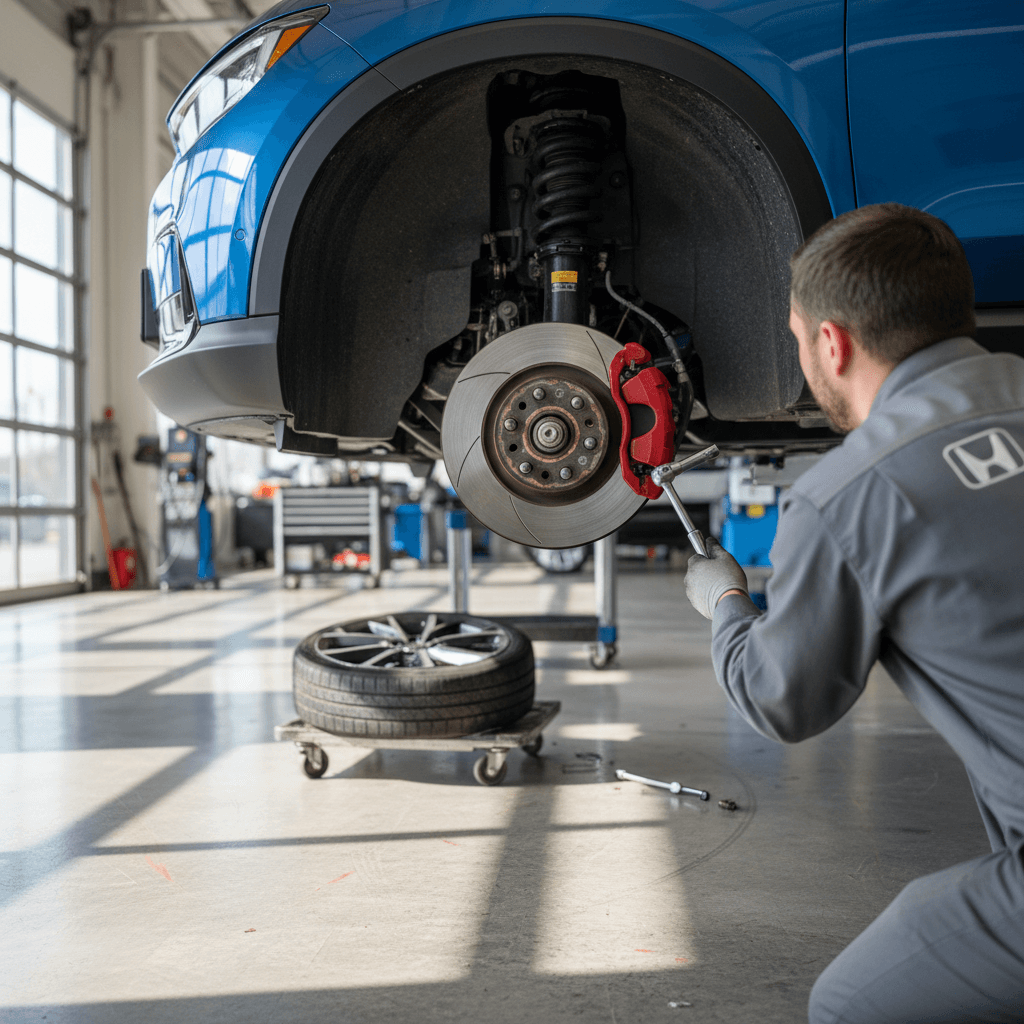
Five‑year Honda Prologue maintenance cost estimates
So what does all of that add up to in real life? Independent cost‑to‑own analyses for the 2025 Prologue peg five‑year maintenance costs in the mid‑$6,000s for higher‑trim models driven at average U.S. mileage. That figure includes tires, rotations, filters, fluids and some out‑of‑warranty repairs baked into their model, not just basic dealer services.
New Prologue, average driver
Assumptions: 12,000–15,000 miles per year, mostly normal use, 2 years of free maintenance included, you follow the Maintenance Minder.
- Years 1–2: $0 out of pocket for routine maintenance, aside from maybe a wiper blade or tire repair.
- Years 3–5: $300–$600 per year in rotations, filters and occasional fluid services.
- 5‑year total: Roughly $900–$1,800 in routine service if you’re not counting tires, more like $3,000–$4,000 once you include one full set of EV‑rated tires.
Higher‑mileage or harsh‑use driver
Assumptions: 20,000+ miles a year, frequent highway trips, rough roads, or towing.
- More frequent tire replacements (heavy EVs can eat tires quickly under hard use).
- Alignments and brake work may appear earlier.
- 5‑year total: Easily double the tire spend and add a few hundred dollars in extra service. Still usually cheaper than a similarly worked‑hard gas SUV that needs frequent oil and fluid changes.
How it compares to gas
Are Honda Prologue prepaid or dealer service plans worth it?
Because EVs are “rolling computers,” some salespeople lean on fear: one glitch could cost thousands, so you’d better buy an extended service contract or prepaid maintenance. Before you sign, step back and look at what the Prologue actually needs between now and when you’re likely to sell or turn in a lease.
How to evaluate a Prologue service or maintenance plan
1. Confirm what’s already free
Ask the finance manager to print Honda’s complimentary maintenance coverage for your specific VIN. If you already have 2 years covered, don’t double‑pay for the same tire rotations and inspections.
2. Read the service list line by line
Look for vague language like “engine service” that doesn’t apply to an EV. A good Prologue plan should focus on rotations, filters, brake fluid, coolant, and inspections, not oil changes.
3. Compare package cost vs. pay‑as‑you‑go
Take the package price, subtract anything the Honda free plan already covers, and compare the remainder to realistic dealer menu prices over the term. Many prepaid plans cost more than just paying as you go.
4. Check cancellation and transfer rules
If you sell the Prologue early or trade it for another EV, can you get a refund for unused coverage or transfer it to the next owner?
5. Consider how long you’ll keep the car
If you’re leasing for three years, a five‑year plan makes little sense. If you’re buying to keep 8–10 years, extended coverage can be more compelling, especially on electronics and infotainment hardware.
Red flag
How to keep your Honda Prologue service costs low
You don’t have to baby the Prologue, but a few smart habits will keep both your maintenance schedule and your wallet in good shape.
5 practical ways to spend less on Prologue service
Most of these come down to tires, driving style and a little DIY courage.
Rotate tires on time
Use regen, save brakes
DIY simple items
Shop around for alignments
Watch tire pressures
Protect the battery thermal system
Think total cost of ownership
Service costs and checks when buying a used Honda Prologue
If you’re eyeing a used Honda Prologue, especially one coming off lease, the maintenance story shifts a little. You’re less worried about what you’ll spend in the next 12 months and more interested in what the last owner did (or didn’t) take care of.
Used Honda Prologue service checklist
Confirm software and recall history
Ask for a printout of completed software updates, recalls and service campaigns. EVs live and die by their software, so you want a car that’s been kept current.
Review maintenance records
Look for at least one or two documented tire rotations, a cabin filter replacement around 20–30k miles, and any brake or coolant work if the mileage is higher.
Inspect tires carefully
Uneven wear on a heavy EV can point to alignment issues or hard driving. Budget for a new set of tires if tread is low or wear is choppy.
Check brake condition
Even with regen, seized calipers or rusty rotors can show up on EVs that sit a lot. Have a shop measure pad thickness and rotor condition.
Get a high‑voltage system scan
A general diagnosis at a Honda dealer or EV specialist, usually around one hour of labor, can catch stored faults in the battery, charger or thermal system.
Where Recharged fits in
FAQ: Honda Prologue service & maintenance costs
Frequently asked questions about Honda Prologue service costs
Bottom line: what you should budget for Prologue service
If you’re wondering how much Honda Prologue service costs, the answer is pleasantly boring. Outside of tires, most owners will see very modest maintenance bills: almost nothing during the initial free‑service window, then a few hundred dollars a year for the basics. That’s a far cry from the constant drumbeat of oil changes, transmission fluid, and big scheduled services you may be used to with a gas SUV.
As with any vehicle, how hard you drive, where you live, and how faithfully you follow the maintenance schedule will nudge your numbers up or down. But if you budget for regular tire care, a cabin filter or two, and the occasional fluid service, you’ll be in the ballpark, and likely ahead of where you’d be with a comparable gas Honda.
Looking at a used Honda Prologue or cross‑shopping it against other EVs? That’s where a deeper look at total ownership costs, battery health, charging, insurance, and service, really matters. Recharged was built to make that math easier, with verified battery diagnostics, transparent pricing, and EV‑savvy guidance from the first browse to the final paperwork.