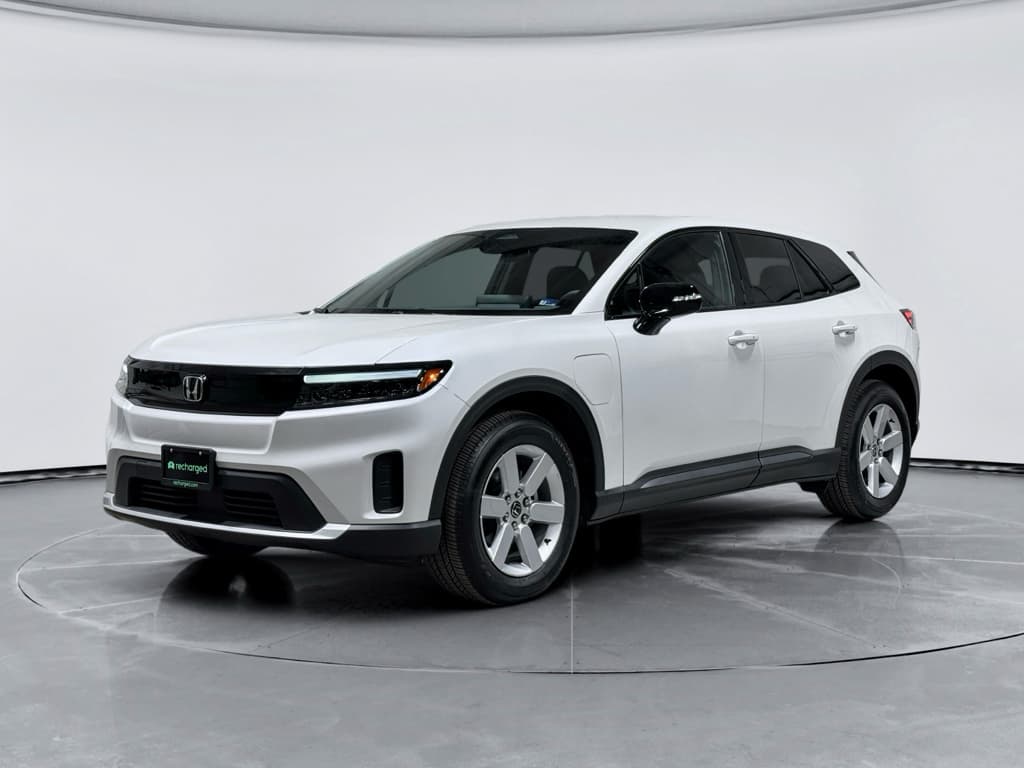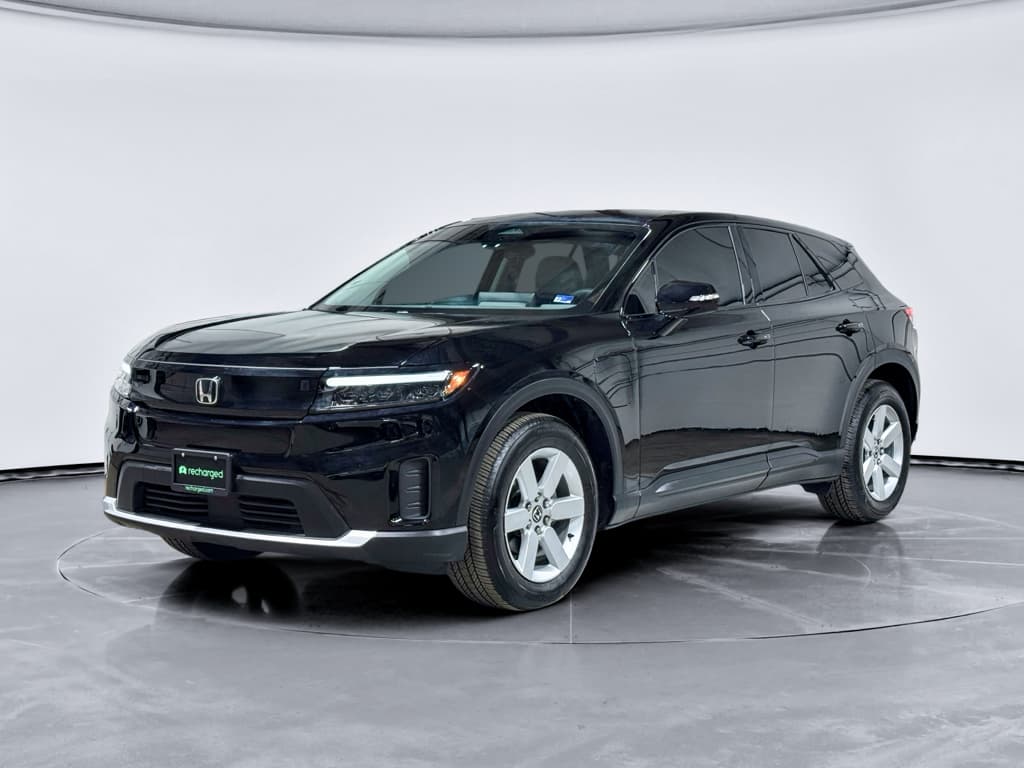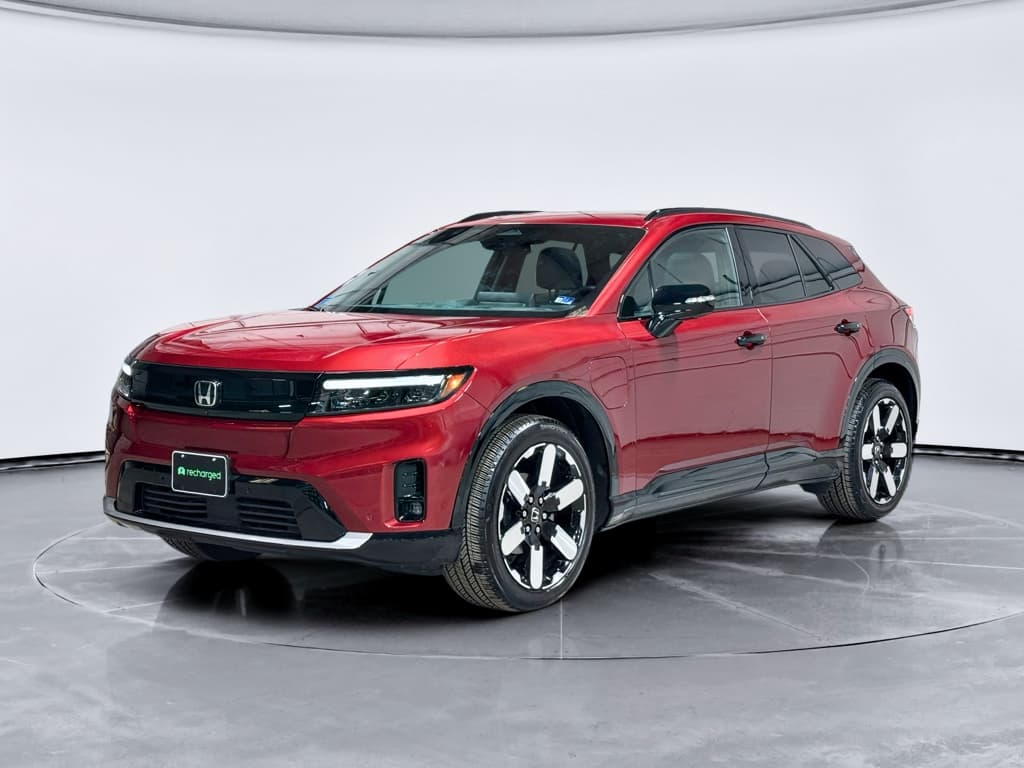
If you’re looking at a Honda Prologue in 2026, whether you already own one or you’re eyeing a used example, resale value isn’t just a number on a website. It’s the line between an EV that quietly saves you money and one that surprises you with a painful loss when it’s time to move on. This 2026-focused Honda Prologue resale value guide pulls together what we know about pricing, depreciation, incentives, and battery health so you can make smarter decisions about buying, selling, or leasing.
About 2026 data
Why resale value matters for the 2026 Honda Prologue
With EV prices whipsawing and incentives changing every model year, resale value is the safety net built into your Honda Prologue. It affects how much equity you’ll have at trade‑in time, what kind of deal you can negotiate on your next vehicle, and whether leasing or buying actually made sense in hindsight. For a new‑to‑market EV like the Prologue, getting resale right can easily swing your total cost of ownership by thousands of dollars.
Honda Prologue value snapshot for 2026
Quick take: Honda Prologue resale outlook for 2026
Honda Prologue resale strengths and weaknesses in 2026
The short story before we dive into the details
Where the Prologue looks strong
- Honda reputation: Mainstream buyers know and trust Honda, which helps resale versus lesser‑known EV brands.
- Battery coverage: An 8‑year/100,000‑mile high‑voltage battery warranty reassures second owners.
- Range and usability: Around 300 miles of range and SUV practicality match what used‑EV shoppers want.
- Post‑launch price cuts: Lower MSRPs on later model years make gently used Prologues more compelling values.
Where you need to be cautious
- Early EV price volatility: Aggressive discounts and new incentives can push used prices down faster than expected.
- Competing Ultium SUVs: The Prologue shares bones with the Chevy Blazer EV; big discounts on its twin can pull Prologue values with it.
- Lease residuals in the mid‑40s: Honda’s own residual assumptions signal heavier‑than‑Honda‑gasoline depreciation in the first three years.
- Rapid tech progress: Newer EVs with faster charging or longer range can make early Prologues feel older, sooner.
How the 2026 EV market is shaping Prologue values
To understand Honda Prologue resale value in 2026, you have to zoom out. The EV market is still adjusting after a wave of price cuts, new competition, and shifting incentives. Many electric SUVs that launched around the Prologue’s price point have seen 3‑year depreciation in the 45–55% range, meaning a $55,000 EV might be worth roughly $27,000–$30,000 after three years of normal use. The Prologue is unlikely to escape that gravity entirely, but Honda’s brand and battery warranty help keep it from the bottom of the pack.
Why EVs can drop faster than gas SUVs
Price cuts, incentives, and what they mean for resale
Honda has already been reshuffling Prologue pricing and incentives by 2025 and into 2026. Early 2024 examples carried MSRPs near $50,000, while later announcements lowered starting prices and sweetened lease deals to keep the Prologue competitive. Great news if you’re shopping now; less great if you paid early‑adopter money in 2024.
How new‑car pricing pressure affects used Prologue values
Why discounts and incentives on new Prologues can drag down resale values faster than you might expect.
| Scenario | New Prologue Transaction Price | Timeframe | Likely Used Asking Price For Similar Spec | What It Means For You |
|---|---|---|---|---|
| Early buyer (2024) | $52,000+ | Trade‑in during 2026 | $27,000–$30,000 | You may see 40–50% of your original price after two years, especially if miles are average. |
| Discounted buyer (late 2025) | $44,000–$46,000 | Trade‑in during 2027–2028 | Low‑$30,000s | You started lower, so your percentage loss is smaller even if the used‑market dollar values look similar. |
| Used buyer (2026) | $24,000–$30,000 | Trade‑in around 2029 | High‑teens to low‑$20,000s | You’re skipping the steepest new‑car hit and likely enjoying more stable depreciation. |
The bigger the gap between real‑world transaction prices and MSRP, the more used prices tend to sag to keep the value equation in line.
Follow transaction prices, not just MSRPs
Lease residuals: What Honda Finance is quietly telling you
Lease programs are one of the best windows into how an automaker expects a vehicle to hold its value. In 2025 and early 2026, many Honda Prologue leases in the U.S. have been written with residual values in the mid‑40% range after three years. In other words, Honda Finance is modeling a Prologue to be worth a bit less than half of its MSRP at lease‑end, assuming normal miles and good condition.
- A Prologue with a $48,000 MSRP and a 44% residual would have a predicted end‑of‑lease value around $21,000.
- Some aggressive short‑term leases have shown 48–50% residuals, especially on well‑equipped trims where Honda expects stronger second‑hand demand.
- If you see a much higher residual on your quote, double‑check the math; it may be tied to a shorter term or special mileage limits.
When leasing can be a resale safety net
Battery health and warranty impact on value
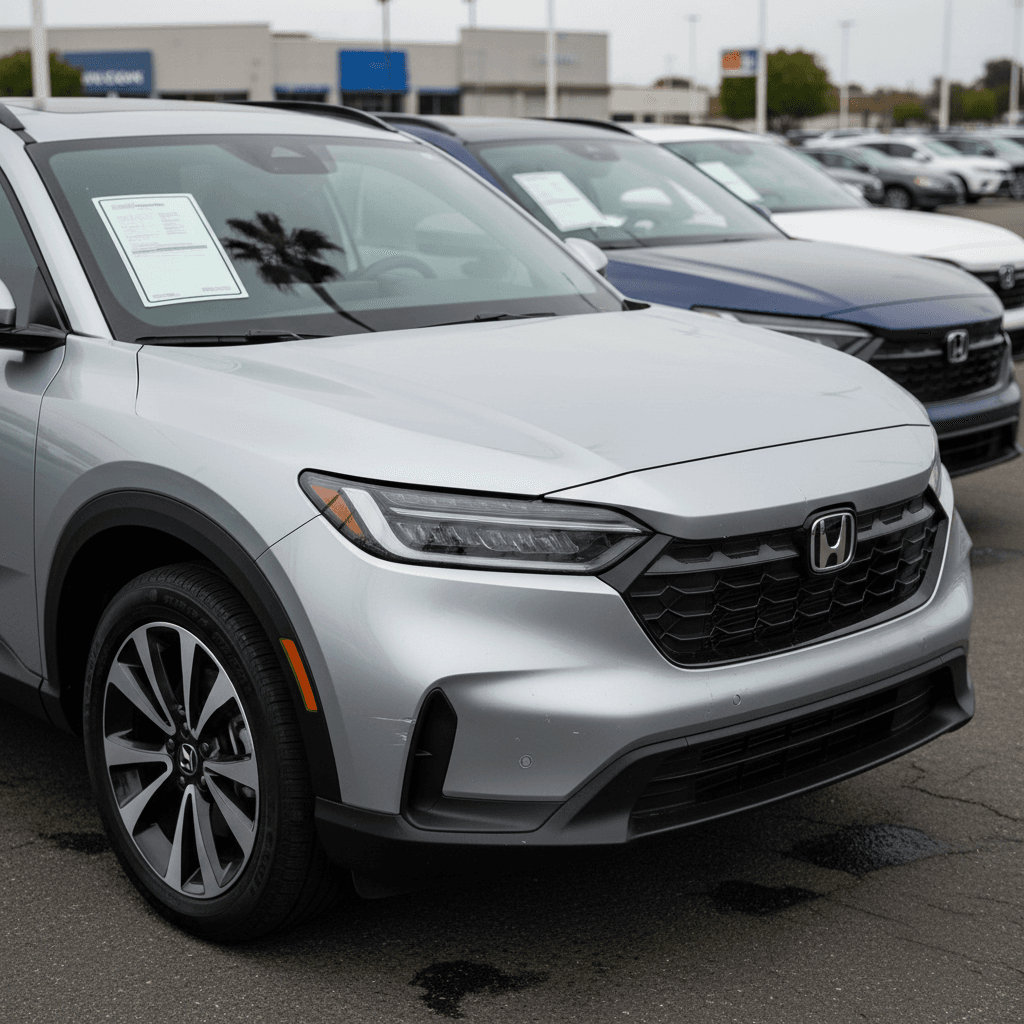
Under the skin, the Honda Prologue rides on GM’s Ultium platform with an 85‑kWh pack and an EPA range rating up to roughly 300 miles, depending on trim and drive configuration. Crucially for resale, Honda backs the high‑voltage battery for 8 years or 100,000 miles. That means even a 2024 Prologue sold in 2026 typically has six or more years of battery coverage left, which keeps many buyers in the game who might otherwise be nervous about a used EV.
Battery and charging checks that protect resale value
1. Track your real‑world range
Pay attention to how many miles you reliably get from 80–90% down to 10–20% charge over time. A noticeable, steady decline could signal battery issues worth documenting with your dealer before your warranty clock runs down.
2. Keep fast‑charging in perspective
DC fast charging is built into the Prologue’s playbook, but living at 200‑kW chargers every day isn’t ideal. Mixing in plenty of Level 2 home charging and avoiding repeated back‑to‑back fast‑charge sessions is a simple way to keep the pack happy, and future buyers reassured.
3. Document software updates and service
Save receipts or digital records when your Prologue receives battery or charging‑related software updates. That paper trail shows the next owner that the car’s been kept current and cared for.
4. Use battery‑friendly settings
If you routinely don’t need full range, using charge limits (for example, stopping around 80–90% for daily use) can help slow long‑term degradation. It’s a subtle move that savvy used‑EV shoppers increasingly ask about.
Trim, year, and mileage: Which Prologues hold value best?
Model year and trim
- 2024 vs. 2025–2026: Early‑build 2024 Prologues will generally be the price setters for the used market. Later years often add small feature tweaks or better pricing, which can pressure 2024 resale unless the discount is baked into what you pay.
- Mid‑trims often hit the sweet spot: EX and EX‑L‑type trims without every single option usually hold value better than ultra‑loaded versions, because used buyers want value, not necessarily the fanciest stereo.
- Range and drivetrain matter: Front‑wheel‑drive Prologues with the longest EPA range can be easier to sell than shorter‑range AWD versions in markets where weather isn’t a big factor.
Mileage and usage patterns
- Under 10,000 miles per year is the new target for EV shoppers, who love seeing a 2‑year‑old Prologue with 20,000 miles instead of 35,000.
- Highway vs. city use: Many short trips with frequent DC fast‑charging hits are harder on the battery than mixed highway plus home Level 2 charging.
- Single‑owner history: A clean, one‑owner Carfax and clear service records still matter, maybe more with EVs, because they hint at gentle use and careful charging habits.
How to estimate what your Prologue is worth in 2026
Online value tools are a starting point, not a verdict. In 2026, some pricing guides are only just beginning to accumulate meaningful Honda Prologue data, and they may lag behind rapidly changing EV transaction prices. Use them as one input, then layer on real‑world listings and local demand.
Four‑step process to ballpark your Prologue’s 2026 value
1. Start with a mainstream pricing guide
Plug your VIN and mileage into at least two major valuation tools to see their trade‑in and private‑party estimates. Expect some spread, the Prologue is still a low‑data vehicle compared with a CR‑V or Civic.
2. Cross‑check against active listings
Search used Prologues within a few hundred miles of your ZIP code, filtering for similar trim, mileage, and options. Asking prices help you see how optimistic sellers are; actual days‑on‑market and price drops tell you what’s really moving.
3. Adjust for condition and history
A spotless, accident‑free Prologue with documented service should sit near the top of the value range. Accidents, curb‑rashed wheels, mismatched tires, or a missing second key push you down quickly, especially with early‑adopter EV shoppers who are picky.
4. Get an EV‑specialist offer
Even if you’re not ready to sell, getting an instant offer from an EV‑focused marketplace like <strong>Recharged</strong> can anchor your expectations with a real number based on battery health and live market data, not just generic depreciation curves.
Strategies to protect your Honda Prologue resale value
Smart ownership habits that pay you back later
You can’t control the whole market, but you can control how your Prologue shows up in it.
Keep it cosmetically sharp
Save every record
Show, don’t just tell, on charging
- Stick reasonably close to factory wheels and tires; wild aftermarket choices can narrow your buyer pool.
- Avoid smoking in the vehicle, odor is one of the hardest resale killers to reverse.
- Keep up with Honda‑recommended software updates; they can improve range, charging behavior, and even features that buyers care about.
The fastest way to torch your resale value
Should you buy or lease a Prologue in 2026?
Leasing a Prologue in 2026
- Best if you’re resale‑risk‑averse: With EV values still shaking out, leasing lets Honda carry the risk of a soft used‑EV market.
- Great if you want the latest tech: A 24‑ to 36‑month lease keeps you close to the cutting edge as charging speeds, range, and driver‑assist tech march forward.
- Watch the money factor and fees: A low monthly payment can hide a high interest rate or big fees, look at the total cost over the term.
Buying a Prologue (especially used)
- Best if you drive longer and keep cars: If you plan to own your Prologue for 6–8 years, short‑term resale swings matter less than long‑term running costs and reliability.
- Used purchase sweet spot: A 1‑ to 3‑year‑old Prologue bought at a healthy discount, but still under battery warranty, can deliver a much flatter depreciation curve.
- Equity upside: If Honda undershoots Prologue resale strength, long‑term owners, not the bank, get the upside.
A simple 2026 rule of thumb
How Recharged helps with used Honda Prologues
At Recharged, everything we do is built around making used EV ownership more transparent, especially for models like the Honda Prologue that don’t yet have a decade of data behind them. Every vehicle we list includes a Recharged Score Report with verified battery health, fair‑market pricing benchmarks, and an easy‑to‑read overview of how that specific EV compares to similar models.
- If you’re selling a Prologue, our instant offer or consignment options can help you reach EV‑savvy buyers nationwide without guessing at a price.
- If you’re buying, our EV‑specialist team can walk you through Prologue‑specific questions, range needs, home charging, warranty coverage, and how it compares to other used electric SUVs.
- We handle financing, trade‑ins, and nationwide delivery, so you can complete the entire process digitally or visit our Experience Center in Richmond, VA if you prefer an in‑person handoff.
Thinking about selling your Prologue?
Ready to find your next EV?
Browse VehiclesHonda Prologue resale value FAQ (2026)
Frequently asked questions about Honda Prologue resale value in 2026
The Honda Prologue may be early in its story, but the outlines of its 2026 resale value are already coming into focus. It isn’t immune to the broader EV market’s growing pains, yet Honda’s reputation, usable range, and solid battery warranty give it a sturdier floor than many first‑generation electric SUVs. Whether you’re buying, leasing, or thinking about selling, the key is to understand where depreciation is likely headed, then use that knowledge to choose the right trim, negotiate the right price, and time your exit. When you’re ready to put numbers to your specific Prologue, tools and EV‑specialist support from Recharged can turn guesswork into a clear plan.