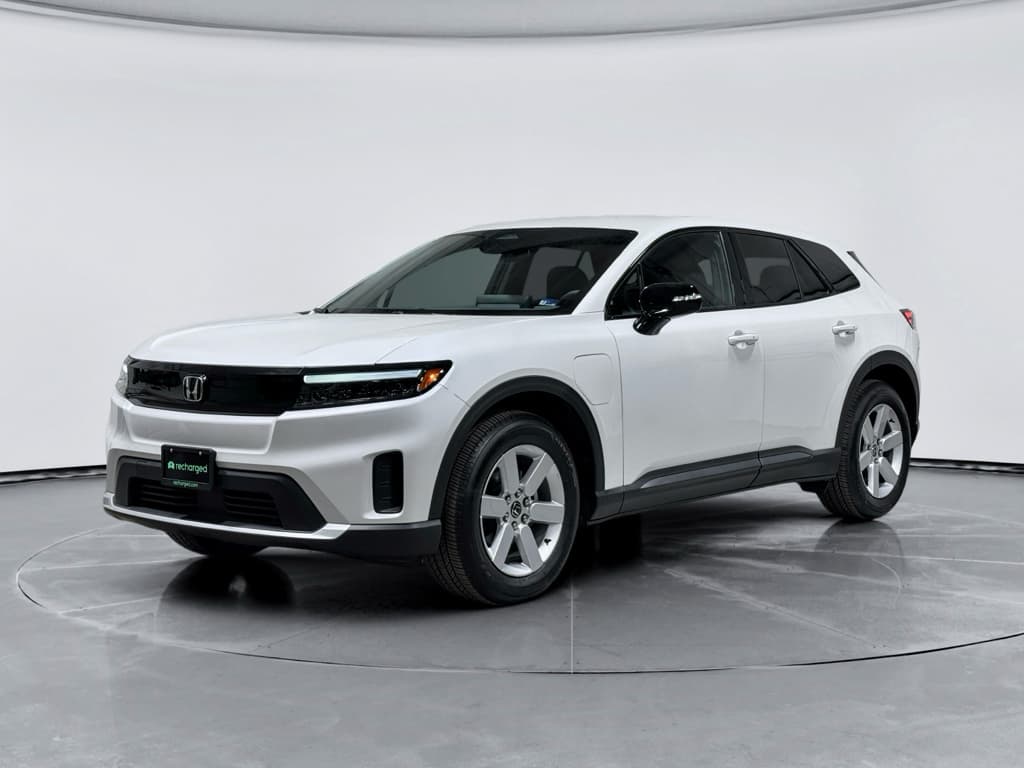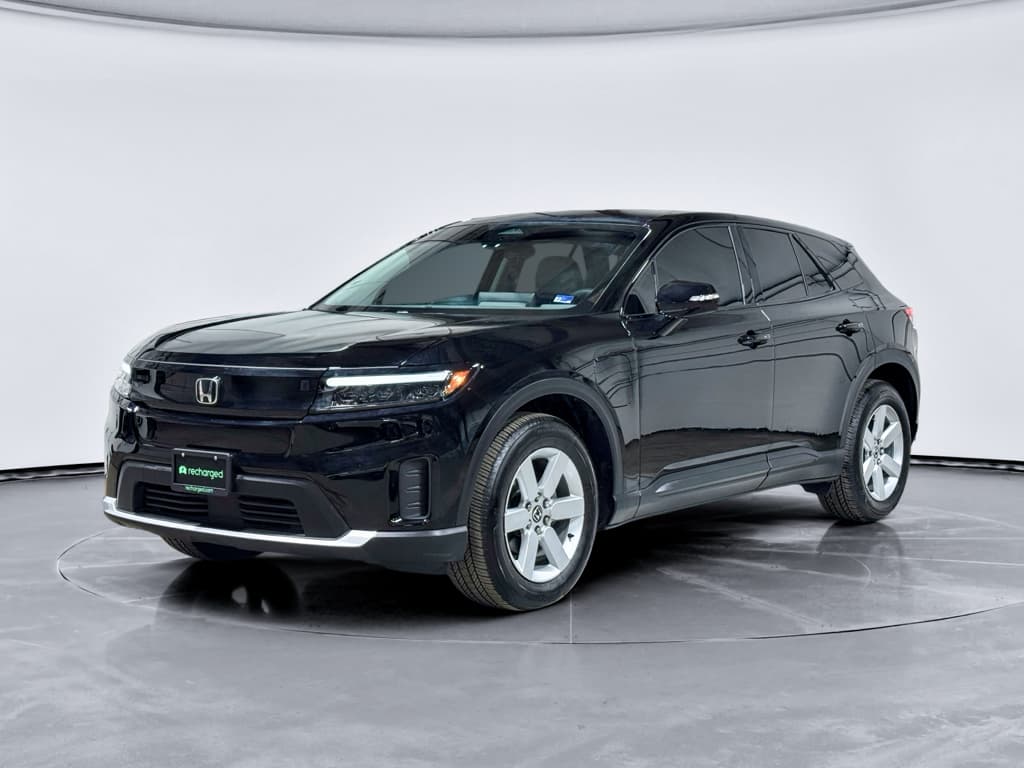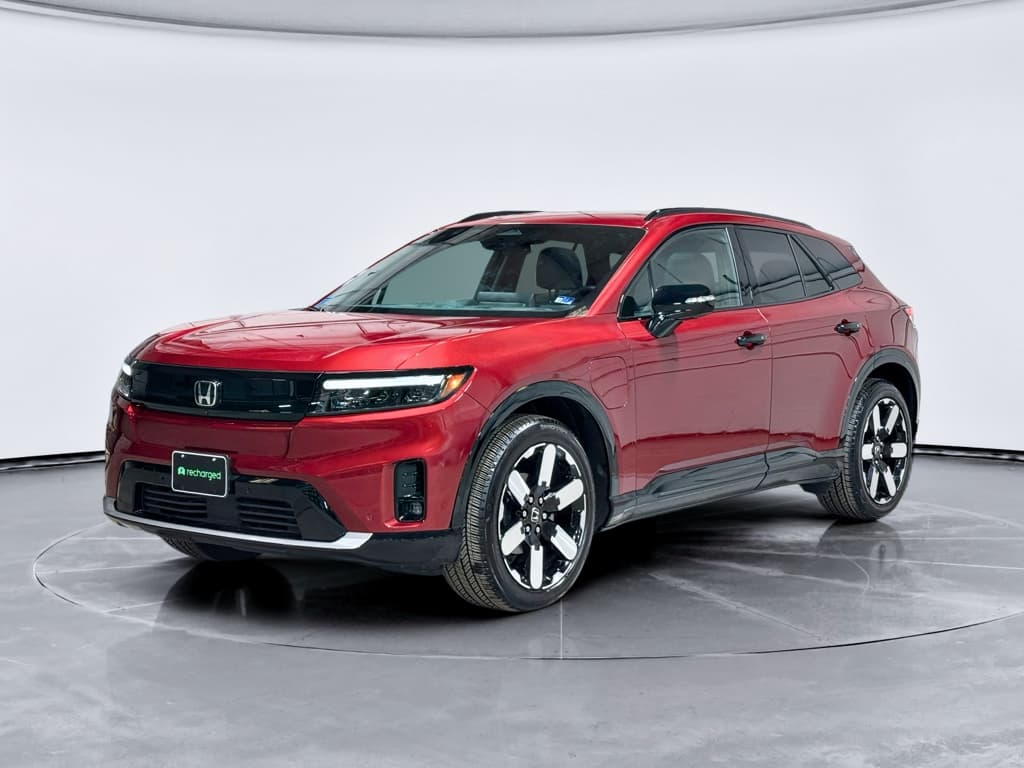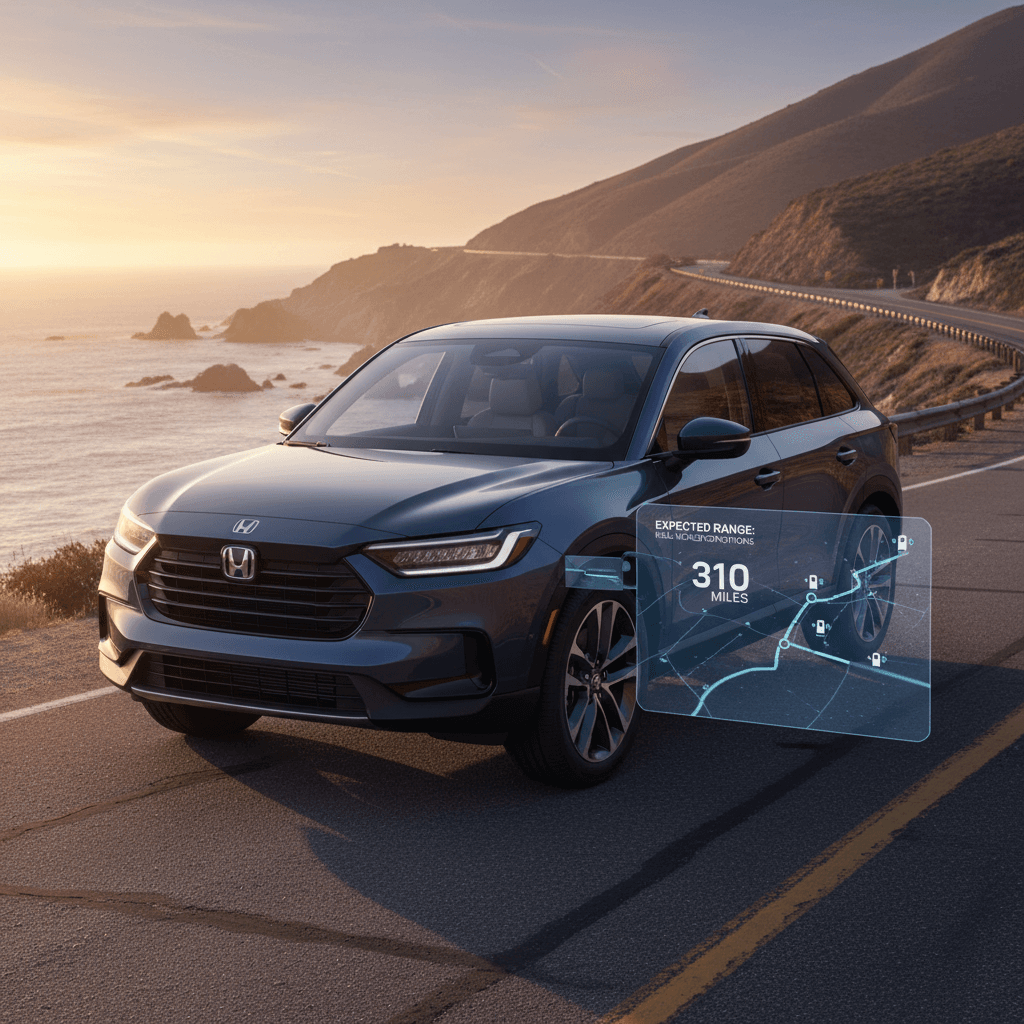
If you’re eyeing a Honda Prologue in 2026, new or used, you’re probably wondering what its real world range actually looks like. EPA stickers talk about 273–296 miles, but what does a Prologue really deliver on a 75‑mph interstate run in January, or in mixed commuting in July? This guide translates the specs and early owner reports into practical, 2026-ready expectations.
Quick answer
Honda Prologue range in 2026: the big picture
Every Honda Prologue sold for the 2024–2026 model years rides on GM’s Ultium platform and uses an 85‑kWh usable battery pack. Trims and drivetrain choices affect efficiency, but the battery itself is the same across the lineup. By 2026, the Prologue will still be relatively new in the used market, so battery degradation should be modest if the car has been treated reasonably.
Honda Prologue range at a glance
Those EPA figures put the Prologue in the competitive middle of the midsize EV SUV pack. It doesn’t chase the absolute max numbers of a Tesla Model Y, but it also doesn’t lag badly behind peers like the Chevy Blazer EV or Hyundai Ioniq 5. The key in 2026 is understanding how those lab numbers translate into your actual daily and road‑trip experience.
EPA range vs real-world: where the numbers come from
The EPA combined range number you see on the window sticker comes from a standardized test cycle that mixes city and highway driving and assumes moderate weather and gentle driving. It’s useful for apples‑to‑apples comparisons, but it’s not a promise of what you’ll always see in the wild.
What the EPA test assumes
- Mild temperatures (no deep winter or desert heat)
- Speeds that average well below 75 mph
- Limited use of HVAC, heated seats, defrosters
- Gentle acceleration and braking
What your life looks like
- 75–80 mph traffic on I‑95 or I‑5
- Winter mornings in the 20s or summer days in the 90s
- Constant climate control, seat heaters, rear defrost
- Stop‑and‑go commutes or long, fast stretches between chargers
On the highway, aerodynamic drag rises sharply as speed increases. A tall midsize SUV like the Prologue takes a noticeable efficiency hit above about 65 mph. That’s why independent 70–75 mph tests often land 10–20% below EPA ratings, yet in slower, mostly city driving, some owners report exceeding the official figures.
How to think about EPA numbers
Real-world range by trim and drivetrain
By 2026, the Honda Prologue lineup in North America is centered on three familiar trims, EX, Touring, and Elite, each available in different drivetrain configurations. While all share the same 85‑kWh pack, dual‑motor all‑wheel drive and larger wheels sacrifice a bit of efficiency versus the single‑motor front‑drive versions.
Honda Prologue EPA vs realistic real-world range
Approximate everyday and highway ranges based on early testing and owner experience. These are estimates, not guarantees.
| Trim | Drive | EPA range (mi) | Typical mixed driving (mi)* | Typical 70–75 mph highway (mi)* |
|---|---|---|---|---|
| EX | FWD | 296 | 250–260 | 215–230 |
| Touring | FWD | 296 | 245–260 | 210–225 |
| EX | AWD | 281 | 235–250 | 205–220 |
| Touring | AWD | 281 | 230–245 | 200–215 |
| Elite | AWD, 21" wheels | 273 | 225–240 | 195–210 |
Assumes a healthy battery and moderate temperatures. Your results will vary with speed, weather, elevation, and driving style.
About these estimates
If you want the longest legs between charges, the FWD EX or Touring trims are your best bet. They’re a bit slower off the line than the AWD models, but they give you roughly an extra 10–20 real‑world highway miles over an Elite AWD, and that margin matters when chargers are far apart.
Which Prologue setup fits your range needs?
Match range priorities to how, and where, you drive.
Urban & suburban commuters
Best fit: EX or Touring FWD
- Plenty of range for typical 40–80 mile days
- Highest efficiency, lowest cost of entry
- Easier to hit or exceed EPA numbers
Snow-belt & mountain drivers
Best fit: EX/Touring AWD
- All‑wheel traction for bad weather
- Accept a modest range penalty
- Still capable of 200+ real miles on highway
Frequent road-trippers
Best fit: FWD if you can live without AWD
- More usable highway range per charge
- Less sensitive to modest headwinds and hills
- Pair with good planning and apps to minimize stops
City vs highway: why your Prologue feels different on road trips
If you’ve seen screenshots of Prologues showing 300+ miles of estimated range after a charge, that’s usually the car extrapolating from slow, stop‑and‑go driving. EVs love that environment: lower speeds mean less aero drag, and regenerative braking recovers energy every time you lift off the pedal.
- In city-heavy driving (under ~45 mph), many owners see 3.3–3.7 miles/kWh or more, which can nudge real-world range toward or even above the EPA number.
- On steady highway runs at 70–75 mph, efficiency often falls to around 2.5–3.0 miles/kWh, which is why range can feel 15–25% lower than the brochure suggests.
- Mixed driving usually lands between those extremes, especially if your commute blends surface streets, arterials, and short freeway hops.
Don’t trust the guess‑o‑meter blindly
For trip planning, use a separate app (A Better Routeplanner, PlugShare, or a built‑in route planner if available) that factors in highway speeds and elevation, then treat the in‑car estimate as a sanity check rather than gospel.
Weather, wheels, and driving style: what really cuts range
By 2026, we’ve seen the same pattern with most modern EVs, and the Honda Prologue is no exception: temperature, wheel/tire choice, and your right foot are the three biggest wild cards for real world range.
Top range killers for the Honda Prologue
Know what matters most, and what doesn’t.
Cold weather
Below freezing, the battery and cabin heat both work against you:
- 15–30% range hit is common in deep winter
- Short trips are worst (battery never warms up)
- Preconditioning while plugged in helps a lot
Extreme heat
High 90s and above force the pack and cabin to stay cool:
- AC use trims efficiency, but less than resistive heating
- Highway range still down vs mild temps
- Shade and garage parking reduce stress on the pack
Wheels & tires
Bigger wheels and stickier tires look great, but:
- Elite’s 21‑inch wheels are less efficient than 19s
- All‑terrain or winter tires can cut range further
- Proper tire pressure is cheap range insurance
Efficient driving pays off
Also remember that roof racks and cargo boxes are stealthy range killers. On a tall SUV, a full roof box can easily shave another 5–10% off highway range, especially if you’re running 75 mph into a headwind.
Planning road trips in a Honda Prologue
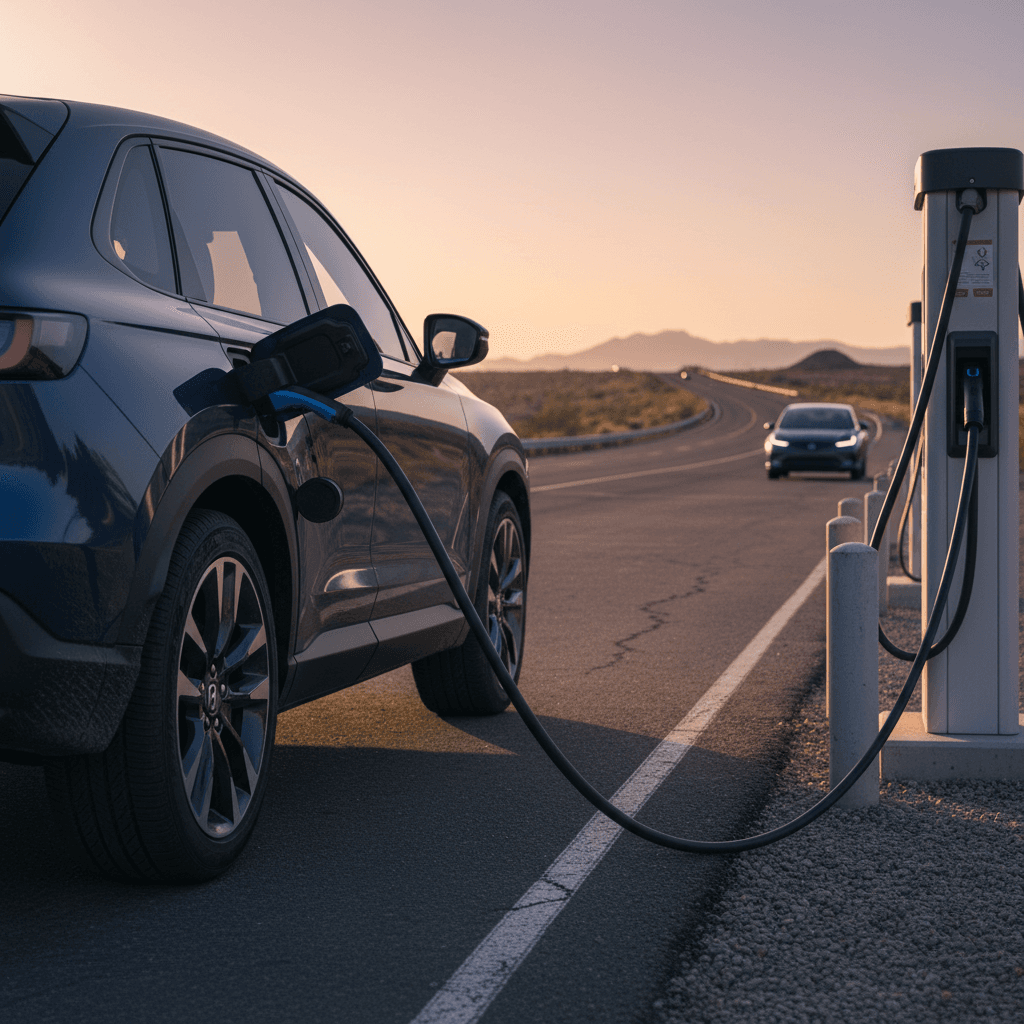
Can you road‑trip a Honda Prologue in 2026? Absolutely, particularly as CCS and NACS networks expand, but you do need to plan around its real‑world highway range and charging curve. Think more in terms of 150–190‑mile stints between fast charges rather than trying to squeeze every last mile out of the pack.
Road‑trip planning checklist for Honda Prologue owners
1. Use realistic range assumptions
For planning, assume about <strong>75–80% of the EPA number</strong> at highway speeds. That puts most Prologues in the 200–230 mile real‑world highway window on a full charge in good conditions.
2. Target 10–80% on DC fast charging
The Prologue’s Ultium pack charges quickest between roughly 10% and 60–70%. Past 80%, speeds taper sharply. It’s often faster overall to make two shorter stops than one long charge to 100%.
3. Account for weather and elevation
If you’re climbing through the Rockies or driving in sub‑freezing temps, build in extra margin, maybe aim for 150–170‑mile legs instead of 180–200, and don’t roll into the next charger at 1–2% if you can avoid it.
4. Check station reliability and amenities
Use apps with recent check‑ins to confirm stations are working. Look for sites with multiple stalls, food, and restrooms so a 25‑minute top‑off doesn’t feel like an eternity.
5. Precondition when possible
If your trip starts from home or a hotel charger, pre‑heat or pre‑cool the cabin while plugged in. You’ll leave with a warm battery and cabin without burning into your road‑trip range.
6. Travel light on the roof
If you must use a roof box or rack, factor in an extra 5–10% range penalty at highway speed, and consider removing it once you’re back from the big trip.
Range is only half the story
Battery health & degradation: what to expect by 2026
Because the Honda Prologue launched for the 2024 model year, even the earliest examples will be only about two years old by mid‑2026. That’s good news for range: modern liquid‑cooled packs on the Ultium platform generally show single‑digit percentage losses in the first few years if they aren’t abused.
- Most owners who avoid frequent 0–100% DC fast‑charge cycles can expect something like 3–7% capacity loss in the first 3–4 years, though individual results vary.
- Daily charging to ~80–90% and rarely letting the pack sit at 0–5% for long periods is gentler on the chemistry.
- Hot climates and constant fast‑charging are harder on the battery than cool climates and mostly Level 2 home charging.
Watch for extreme use cases
GM’s Ultium packs use a nickel‑rich chemistry with active thermal management, and Honda backs the Prologue battery with a long warranty. Still, if you’re shopping used in 2026, don’t assume every example has the same remaining range, verify with data, not just the original brochure.
Buying a used Honda Prologue in 2026: range questions to ask
By 2026, the first wave of off‑lease and early‑owner Honda Prologues will begin showing up on used lots and EV marketplaces like Recharged. That’s an opportunity: you get modern Ultium tech, a midsize SUV body, and still‑fresh batteries at a discount, if you buy with your eyes open.
Key range-related questions for any used Prologue
- What is the car’s current estimated range at 100% in the owner’s typical driving?
- How many DC fast‑charge sessions has it seen (if available from records)?
- Was it kept in a very hot or very cold climate?
- Are there any battery or charging‑system warranty repairs on record?
How Recharged helps derisk range
- Every EV on Recharged includes a Recharged Score Report with verified battery health data where available.
- Experts can walk you through real‑world range expectations for that specific VIN, not just the model in general.
- You can bundle financing, trade‑in, and nationwide delivery into one streamlined, digital experience.
Ask for numbers, not just opinions
FAQ: Honda Prologue real-world range
Frequently asked questions about Honda Prologue real-world range
Bottom line: Is Honda Prologue range enough for you?
If your daily driving looks like most people’s, 40 to 80 miles with a mix of streets and occasional freeway, the Honda Prologue’s real‑world range is not just adequate, it’s generous. Where you need to think harder is if you’ll routinely run 75‑mph highways in extreme temperatures or tow or load the vehicle heavily; in those use cases, planning around 200–220 miles per leg is smart.
The key is to match the right trim and drivetrain to your needs, be honest about your driving habits, and, if you’re shopping used in 2026, demand actual data on remaining range and battery health. That’s exactly where a Recharged Score Report, expert support, and transparent pricing can turn the Prologue from just another midsize EV SUV into the right long‑term partner for your commute or your family’s road‑trip routine.