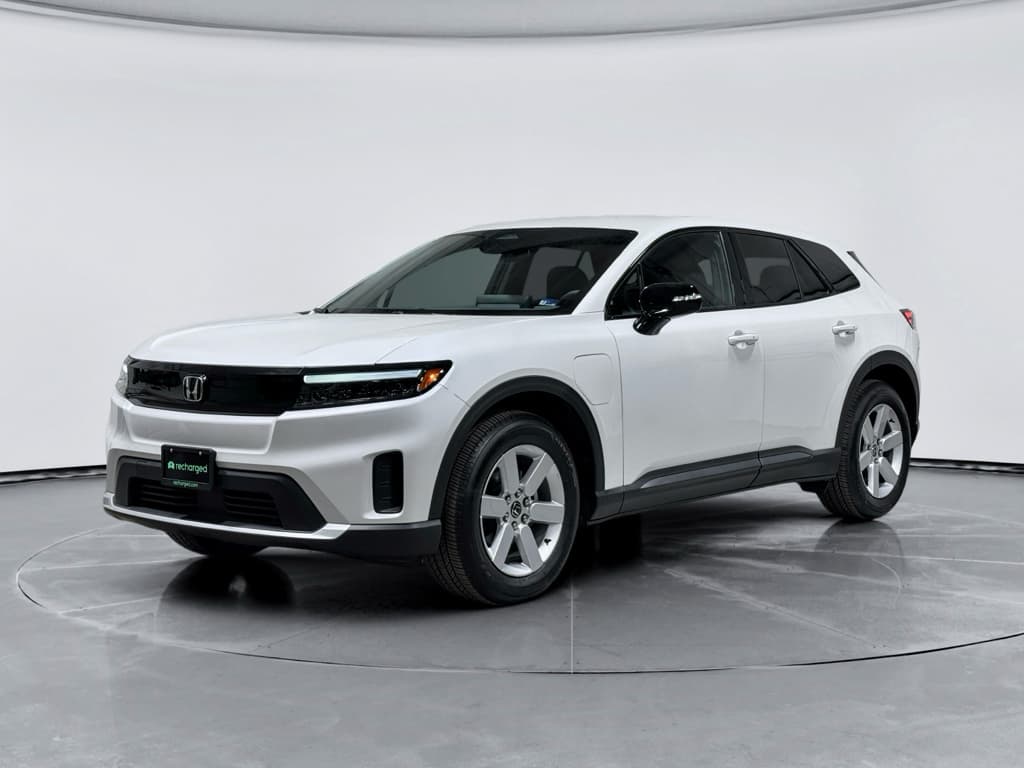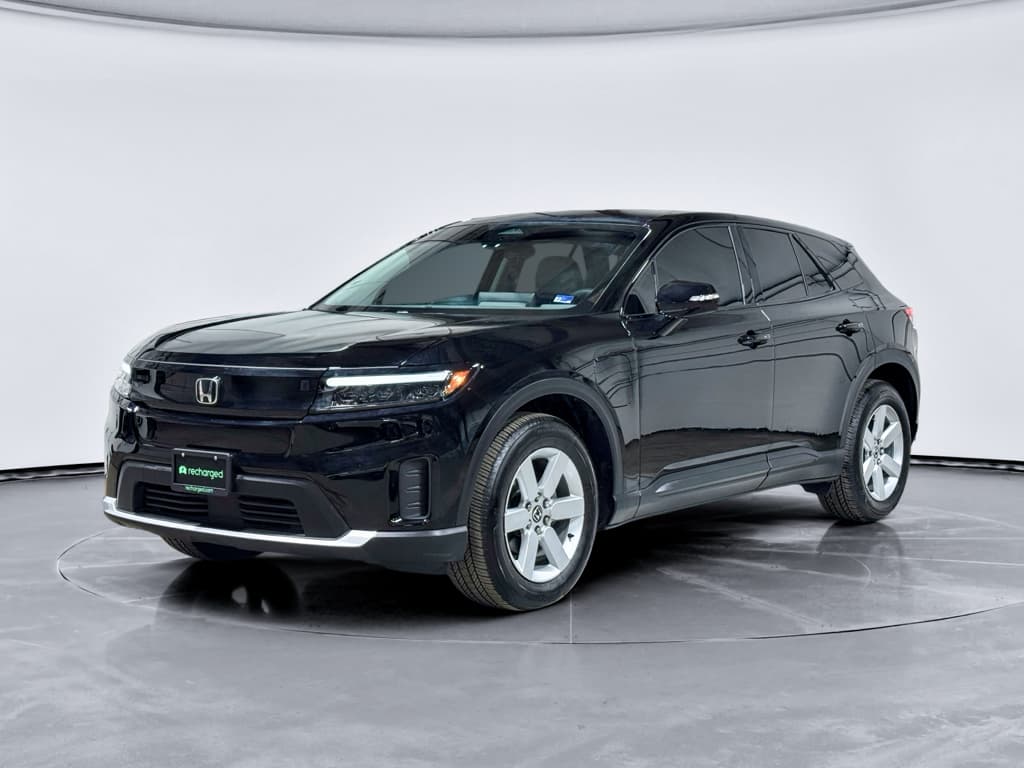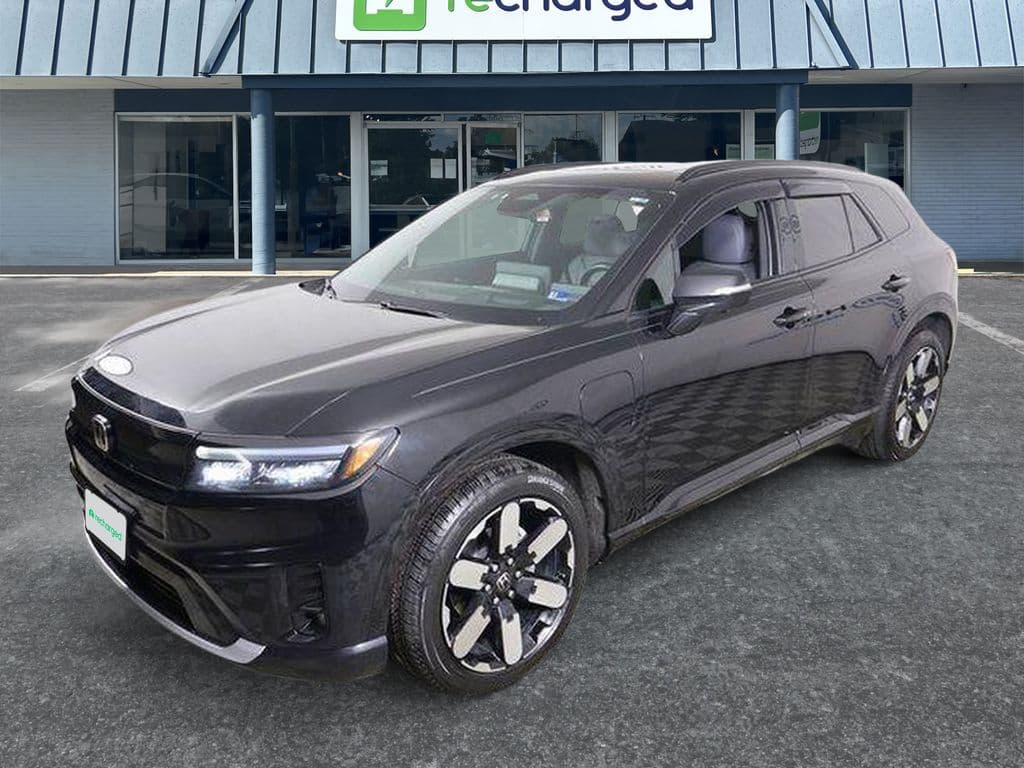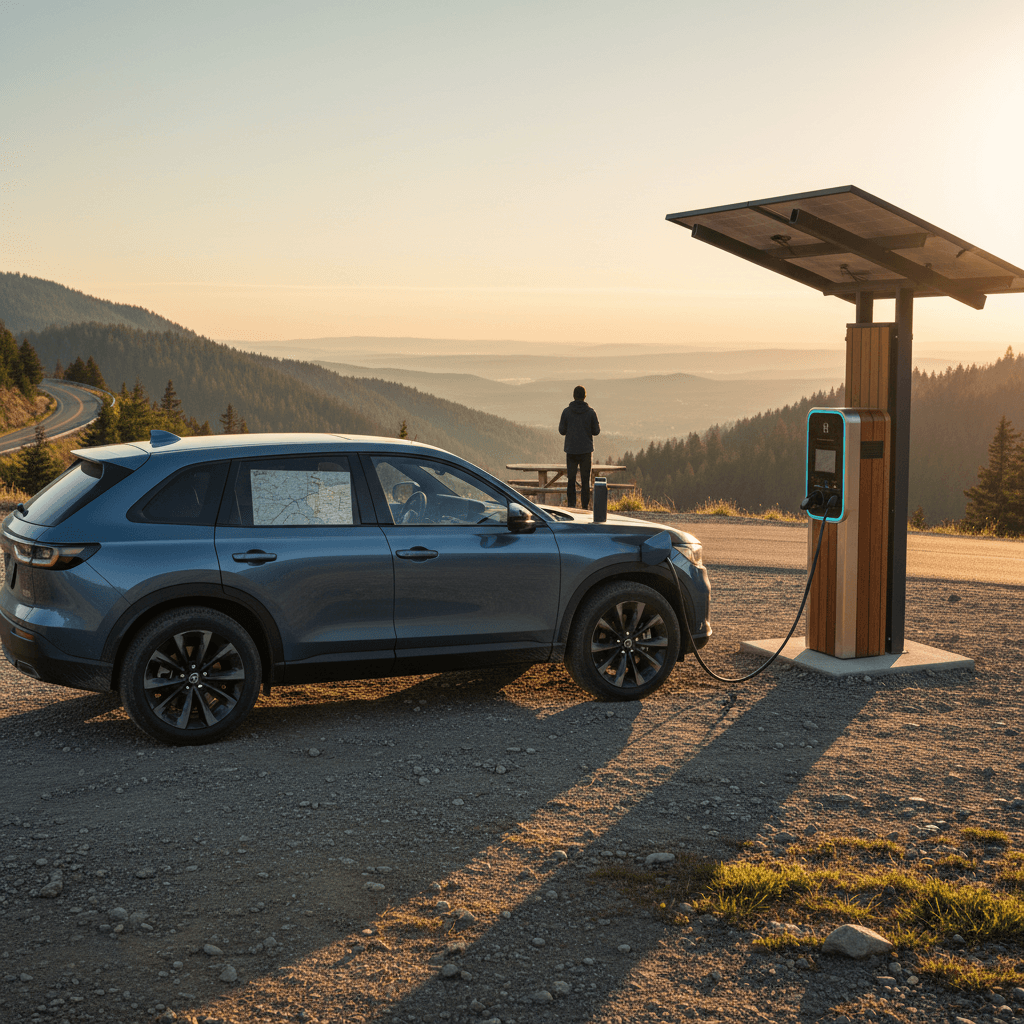
If you’re eyeing a road trip in your Honda Prologue, you’re in good shape. With up to roughly 300 miles of EPA-rated range and solid DC fast charging, the Prologue is built to cover serious distance, as long as you plan around its strengths and quirks. These Honda Prologue long distance driving tips will help you squeeze the most miles from every charge and keep your trip relaxed instead of stressful.
Quick context
Why the Honda Prologue works for long trips
Core strengths that help on long drives
Where the Prologue shines once you leave the city
Comfortable long-haul ride
The Prologue rides on a long wheelbase and has a quiet cabin, so highway miles feel more like a midsize luxury SUV than an econobox. That matters when you’re stacking 300–400 miles day after day.
Competitive range
Depending on trim, you’re looking at EPA ratings in the 270s to just under 300 miles. In the real world that translates to ~230–260 miles between stops for most drivers when conditions are good.
Modern charging hardware
Peak DC fast charging around 150 kW, on a common CCS connector (with Tesla Supercharger access rolling out via adapter), means you can use the big national charging networks along major interstates.
Where it’s not best-in-class
Know your real-world range by trim
Honda advertises up to about 296 miles of EPA range for front-wheel-drive Prologue trims on 19-inch wheels, and low-270s for the heavier AWD Elite on 21s. On paper, that’s plenty for road tripping. On the road, speed, weather, and cargo will chip away at that number, so it helps to start with realistic expectations.
2024–2025 Honda Prologue EPA range by configuration
Approximate U.S. EPA-rated combined range figures. Always check your specific model year and trim for exact numbers.
| Trim | Drive | Wheel size | EPA rated range (mi) | Realistic highway target (mi)* |
|---|---|---|---|---|
| EX / Touring | FWD | 19 in | ≈ 296 | 220–250 |
| EX / Touring | AWD | 19 in | ≈ 281 | 210–240 |
| Elite | AWD | 21 in | ≈ 273 | 200–230 |
Wheel size and all-wheel drive shave noticeable range off the Prologue’s highway legs.
About those “realistic” numbers
- For trip planning, assume about 75–85% of your official EPA range as a safe, repeatable number.
- If you’re in cold weather, heavy rain, or driving 75–80 mph, lean closer to 70–75% of the EPA rating.
- Use your first long leg as a test: reset the trip meter, drive 100–150 miles at your normal pace, and see how many miles of range the car actually burns.
Plan your route and charging stops
Long-distance EV driving is less about absolute range and more about where the fast chargers are. With a Prologue, you’ll mostly be using CCS DC fast chargers today, plus select Tesla Superchargers as Honda rolls out access via a NACS adapter. Route planning up front makes the difference between a smooth trip and hunting for plugs with 14 miles left.
Best tools for planning Honda Prologue road trips
Use more than one app, networks and data quality vary
A Better Routeplanner (ABRP)
Set your car to Honda Prologue, add passengers and luggage, and enter your start and end points. ABRP will estimate energy use, suggest charger stops, and let you tweak arrival and departure % to match your comfort level.
Charging network apps
Install apps for major DC fast charge providers you’ll see along your route, typically Electrify America, EVgo, ChargePoint, and regional utilities. These apps show real-time station status and pricing, which ABRP sometimes misses.
Built-in navigation & CarPlay
Your Prologue’s native nav or phone-based tools like Google Maps and Apple Maps are improving at EV routing. Use them for a second opinion and for live traffic reroutes, even if ABRP is your main trip planner.
Pre-trip planning checklist for your Prologue
1. Map chargers every 80–140 miles
Don’t plan to run the pack down to its last 10 miles. Instead, identify DC fast chargers roughly every 80–140 miles along your corridor, then pick the ones that line up with food or rest breaks.
2. Confirm station details the night before
Open each charger location in its native app, check recent check-ins, and verify how many stalls, max power (e.g., 150 kW vs 350 kW), and pricing method (per kWh vs per minute).
3. Build in at least one backup charger
For each critical stop, know where you’ll go if your first-choice site is full or offline. A backup 10–20 miles further down the road is cheap insurance.
4. Register and add payment in advance
Create accounts and add payment in your charging apps before you leave. Some networks still require account-based sessions, and getting stuck in a sign-up loop at 3% state of charge is no fun.
5. Set a realistic daily mileage goal
In a Prologue, 300–400 miles per day is comfortable for most drivers. More is possible, but your enjoyment tends to drop as charging stops and fatigue rise.
Smart DC fast-charging strategy
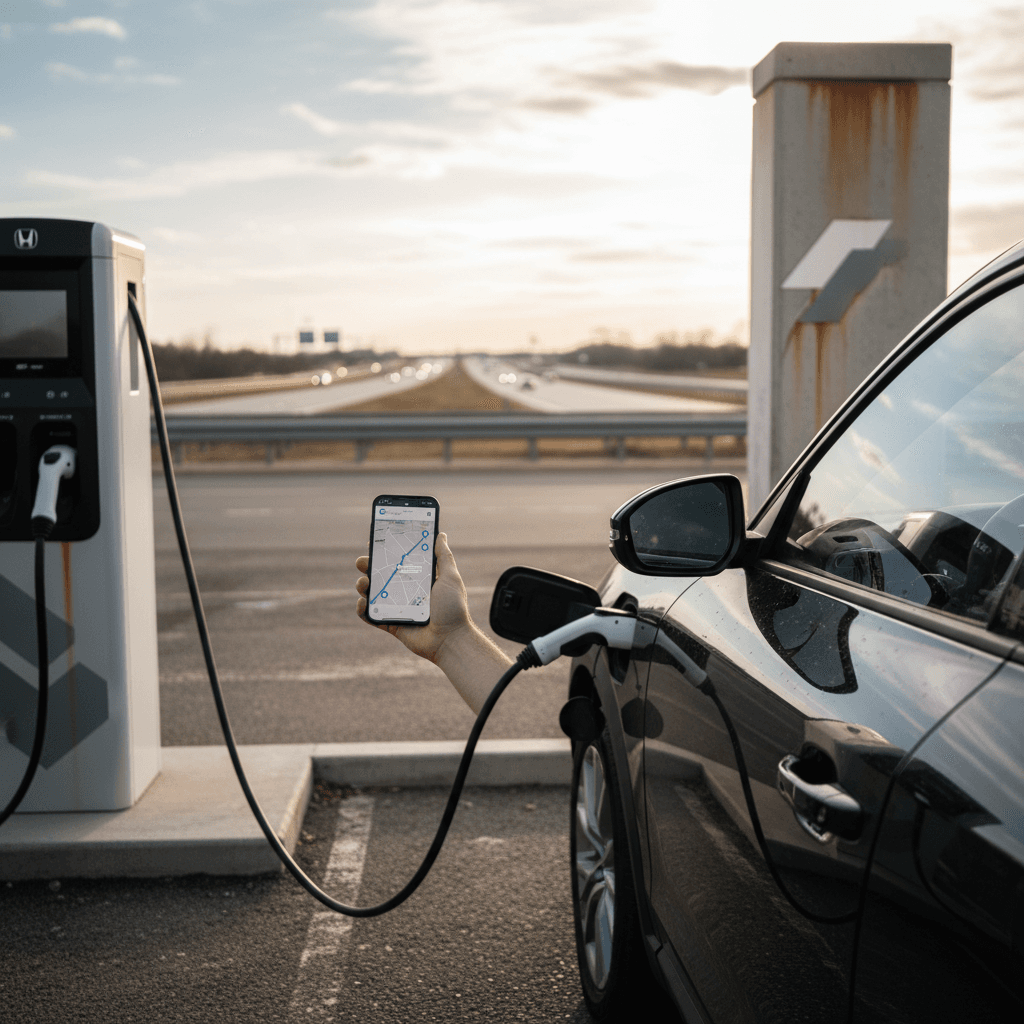
The Prologue can accept roughly 150–155 kW peak on a compatible DC fast charger when the battery is warm and low. But like most Ultium-based EVs, the charge curve is front-loaded: speeds drop off steadily above ~40–60% state of charge (SoC), and again past ~70%. That shapes how you should plan your stops.
Aim for 10–65% SoC swings
- On fast-charger days, try to arrive between 5–20% SoC. The lower you are (within reason), the more time you’ll spend at peak charging power.
- Unplug somewhere between 60–70% for the best time-per-mile tradeoff, then drive to the next stop.
- Charging from 70% to 90% can take as long as 20–70% did, but adds relatively few additional miles.
Use AC Level 2 whenever you can
- Overnight hotel stays with Level 2 charging are gold. A Prologue can refill from low to full in roughly 9–10 hours on a good 240V charger.
- If you’re stopping somewhere for several hours (friends’ house, tourist stop with destination chargers), plug into Level 2 instead of DC. It’s easier on the battery and often cheaper.
Precondition when you can
- Favor higher-power chargers when options are similar. A 150 kW unit is fine, your Prologue can’t fully use 350 kW today, but newer hardware often has better reliability.
- Don’t sit at 99% on DC unless you absolutely must. Those last few percent are slow and hard on the pack.
- If a charger is giving you unusually low speeds, try another stall or another site. Sometimes the station, not the car, is the bottleneck.
- Treat every fast-charge stop as a 20–35 minute rest: bathroom, snack, short walk. You’ll feel better and are less likely to push range to uncomfortable lows.
Driving modes, regen, and one-pedal driving
The Honda Prologue gives you several drive modes plus configurable one-pedal driving and a regen paddle. Used correctly, they can help you drive smoother and capture a bit more energy over long distances, especially in hilly terrain or stop-and-go traffic near cities.
How to set up your Prologue for efficient long drives
Pick what feels natural early in the trip and stick with it
Choose the right mode
Normal mode is usually the best balance for road trips. Eco can soften throttle response a bit too much for some drivers, while Sport is fun but can nudge you into unnecessary bursts of power that hurt efficiency.
Use one-pedal driving
The Prologue lets you choose different one-pedal levels. On high, lifting off the accelerator gives strong regen that can bring you down to a stop, especially at city speeds. Many owners find this more efficient and less tiring once they get used to it.
Regen paddle for fine control
A left paddle tug can momentarily increase regenerative braking when one-pedal is off or set low. It’s handy for trimming speed on downhill grades without touching the brakes.
Smooth is efficient
Remember that regen has limits: when the battery is near 100% or very cold, the car will reduce or temporarily disable strong regenerative braking. That’s normal. You may notice the car coasts more and requires more brake pedal pressure right after a full charge or in sub-freezing weather, so give yourself extra distance until regen returns.
Optimize speed, weather, and load
Physics doesn’t care what you drive; push a tall SUV through the air at 80 mph into a winter headwind, and range will fall. The Prologue is no exception. But you have knobs to turn, literally and figuratively, that can protect your real-world highway range.
How driving conditions affect Prologue highway range (rule-of-thumb)
- If you’re tight on chargers, dropping from 75 to 65–68 mph can easily gain 10–20% range.
- Use the Prologue’s heated seats and steering wheel instead of cranking cabin heat when possible, especially in shoulder seasons.
- Precondition the cabin while plugged in before morning departures so the battery and interior start the day warm or cool using grid power instead of your pack.
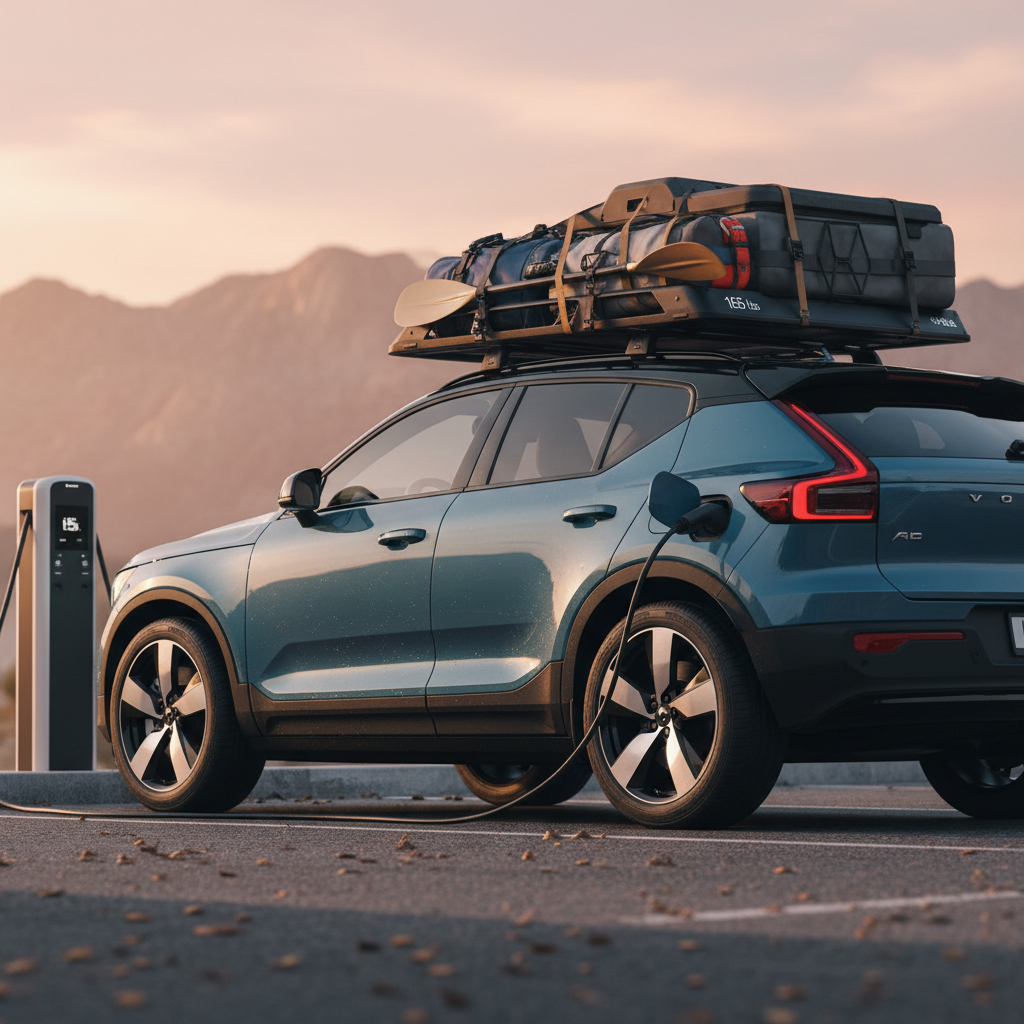
- Avoid roof boxes unless necessary; they’re huge aero penalties on any SUV.
- Check tire pressures before leaving. Running several PSI below spec hurts efficiency and can make the steering feel vague.
Watch for compound effects
Make the cabin work for you on long days
Long-distance driving isn’t just about electrons. Comfort, visibility, and how organized your cabin is play a big role in how hard you can safely push your daily mileage. The Prologue’s interior is a strength, use it.
Dial in your seating and visibility
- Take five minutes before departure to lock in seat position, lumbar support, steering wheel angle, and mirrors. You’ll move less and fidget less later.
- Use the Prologue’s driver-assist features (adaptive cruise control, lane keeping) as helpers, not crutches. They reduce fatigue but still require full attention.
Organize tech and snacks around the driver
- Mount your phone where you can glance at it without taking eyes far off the road, especially if you’re using ABRP or network apps alongside built-in nav.
- Keep cords, payment cards for toll roads, and snacks in the center console so you’re not hunting while driving.
Use your charging stops wisely
Battery care on road trips
Road trips are when you’re most likely to push your battery harder: more DC fast charges, more deep discharges, and wider temperature swings. The Prologue’s pack is designed for regular long drives, but a few habits will keep it healthier over the long haul.
Battery-friendly habits for long-distance Prologue owners
Avoid living at 100%
For daily life, keeping your charge target around <strong>70–80%</strong> helps long-term battery health. On road trips it’s fine to go to 90–100% occasionally; just don’t leave it full and parked in hot sun for hours.
Use more Level 2 than DC when possible
DC fast charging is safe but harder on the pack than slow charging. If you have the option to refill overnight on Level 2, take it and use DC mainly to extend your driving window.
Don’t routinely run to 0%
There’s a buffer, but regularly arriving in single digits isn’t ideal. For planning, aim to reach chargers with 10–20% remaining; dip lower only when you have a clear plan and backup.
Let the car manage temperature
The Prologue’s liquid thermal system heats and cools the pack as needed. You don’t have to outsmart it, just avoid aggressive driving immediately after a cold soak and precondition before fast charging when the feature is available.
What “healthy battery” means on a used Prologue
Buying a used Prologue for road trips
If you’re considering a used Honda Prologue specifically for long-distance driving, you’ll want to look past the window sticker range number. Actual pack health, wheel/tire setup, and previous charging habits all affect how far you’ll comfortably go between DC fast chargers.
What to look for in a used Prologue road-trip machine
Range confidence today, and five years from now
Verified battery health
Ask for objective data, not just a guess off the dash. At Recharged, every EV comes with a Recharged Score Report that measures usable capacity so you know if that theoretical 280-mile Prologue still behaves like one.
Wheel and tire choice
Big 21-inch wheels look great but slightly dent range. If you prioritize road trips, FWD or AWD trims on 19s will generally go farther per charge and ride a bit more softly.
Charging pattern history
EVs that spent their lives road tripping and fast charging daily may see more degradation than those mostly charged at Level 2. While you can’t see an exact log, service records and seller habits still matter.
How Recharged can help
Ready to find your next EV?
Browse VehiclesHonda Prologue long-distance driving FAQ
Frequently asked questions
Key takeaways for long-distance Prologue driving
The Honda Prologue is a solid long-distance EV as long as you play to its strengths: strong comfort, competitive range, and respectable DC fast charging. Plan conservative legs using 70–85% of the EPA rating, aim for 10–65% charge windows on fast chargers, and keep your speed, climate control, and cargo in check when chargers are sparse.
If you’re shopping for a Prologue specifically to cover big miles, or comparing it with other used EVs, having clear data is everything. A Recharged Score battery health report, expert EV guidance, and nationwide delivery from Recharged can make sure the Prologue (or any long-range EV you choose) fits the way you actually drive, not just what’s printed on the window sticker.