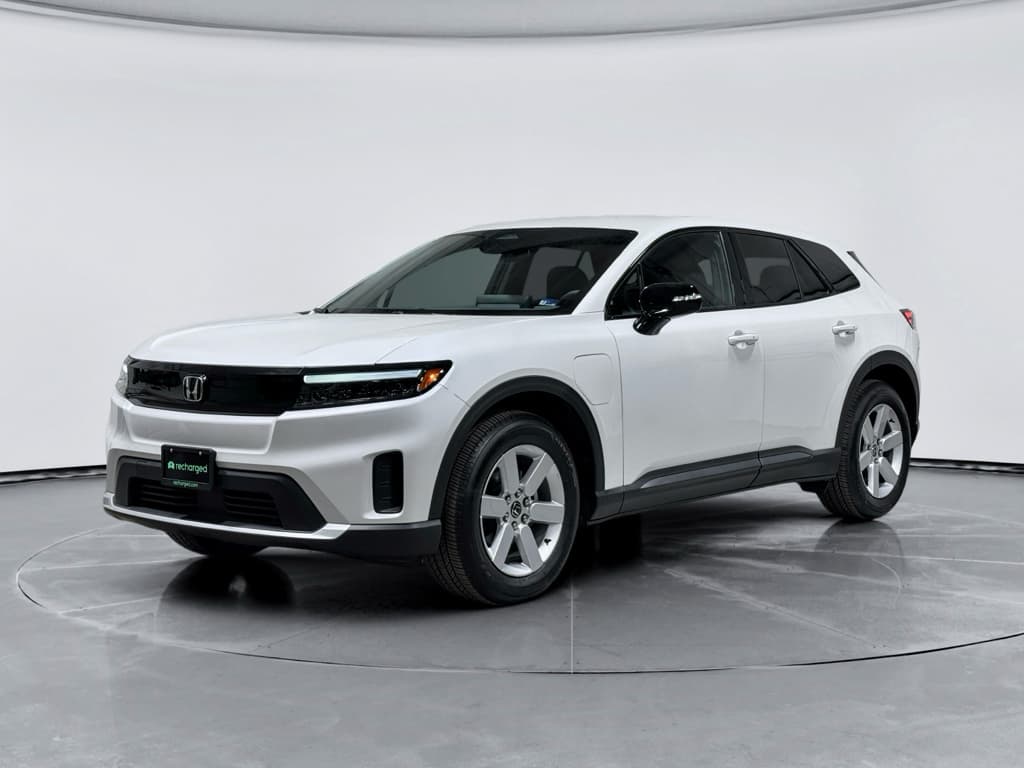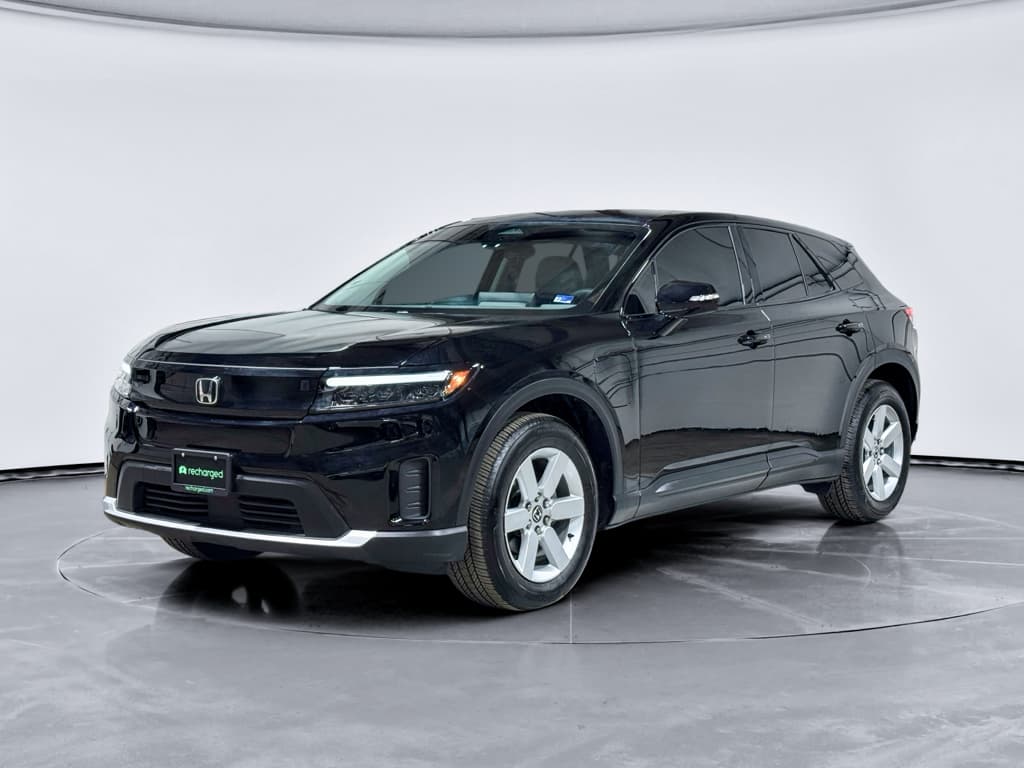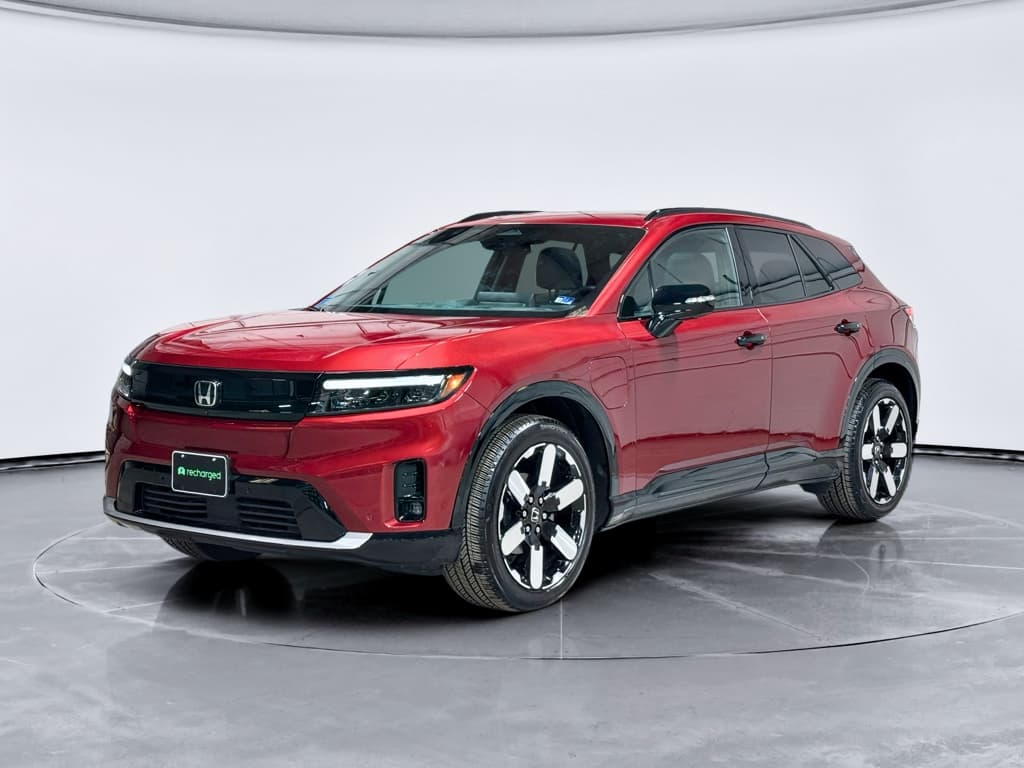
If you’re eyeing Honda’s all-electric Prologue, the first ownership question that hits your wallet every month isn’t range or charging. It’s the **Honda Prologue insurance cost per month**, and why one driver pays $120 while another gets quoted $260 for the same basic SUV shape.
A quick reality check
Average Honda Prologue insurance cost per month
What most Honda Prologue drivers can expect
If you want a **ballpark Honda Prologue insurance cost per month** for full coverage (liability, collision, comprehensive) in the U.S. today, most drivers are likely to see quotes in the **$150 to $220 per month** range. That assumes a clean driving record, average credit, and standard 100/300/50 liability limits with a $500–$1,000 deductible.
That range lines up with a few threads from Prologue owners, where people report everything from about **$120 per month** on a multi-car policy in lower-cost states to **$230–$260 per month** in high-cost markets like California and New Jersey. It also squares with broader EV insurance data, which consistently shows **EVs costing more to insure than comparable gas vehicles** because of higher repair and battery replacement costs.
Ignore the outlier mega-numbers
Why Honda Prologue insurance estimates vary so much
It’s a brand-new, low-volume EV
Insurers love predictable, boring data. The Honda Prologue is neither, yet. It’s a new, electric compact SUV built on GM’s Ultium platform, and underwriters don’t have decades of claims history to lean on. That uncertainty tends to push rates up until the actuarial dust settles.
Repair and battery costs are still murky
EVs frequently cost more to repair than gas vehicles because of specialized labor, calibration for driver-assist systems, and the risk that a damaged battery means a five-figure replacement. Insurers price that risk into your premium, especially on new models where real-world repair cost data is thin.
On top of that, insurance in the U.S. is wildly regional. A driver with the same Prologue, same coverage, and same driving record can see **hundreds of dollars of difference per year** moving from, say, rural Ohio to downtown Los Angeles. Add in credit score, age, and whether the car is leased, and it’s easy to see why you’ll hear such different numbers for the same vehicle.
Use the Prologue as your "test quote" car
How Prologue insurance compares to gas SUVs and Teslas
Honda Prologue insurance vs similar vehicles
How the Prologue’s insurance cost typically stacks up against a gas Honda SUV and a popular electric SUV, on an annualized basis.
| Vehicle | Type | Typical annual insurance | Rough monthly cost | Notes |
|---|---|---|---|---|
| Honda CR-V | Gas compact SUV | ~$2,200 | ~$180 | One of the cheaper crossovers to insure; long repair history, parts are plentiful. |
| Honda Prologue | Electric compact SUV | ~$1,900–$2,600 | ~$160–$215 | New EV model; Honda brand helps, but EV repair costs keep it above many gas SUVs. |
| Tesla Model Y | Electric compact SUV | ~$2,500–$3,500 | ~$210–$290 | Heavier vehicle, more performance-oriented, and historically high claim severity. |
These are directional comparisons using national averages and model-level data; your exact premium will depend heavily on your profile and location.
Honda has historically been one of the **cheaper brands to insure**, thanks to good safety scores and relatively low repair costs. Popular models like the CR‑V regularly show up on “cheapest cars to insure” lists. The Prologue benefits from that brand halo, but it can’t entirely escape EV reality: batteries and bodywork are expensive, and not every shop can fix them.
If you’re cross-shopping the Prologue with a Tesla Model Y, it’s reasonable to expect the Honda to be **slightly cheaper to insure in many markets**, even though both are compact electric SUVs. Against a gas CR‑V, the Prologue might still run **10–25% higher** on insurance, but your savings on fuel and maintenance over time can offset a lot of that difference.
7 factors that shape your Honda Prologue premium
What insurers are really pricing in
The Prologue is just one variable in a very large equation.
1. Where you live
2. Your driving record
3. Coverage and deductibles
4. Who’s on the policy
5. Trim and performance
6. Annual mileage
- 7. **Credit and insurance score** in many states, insurers legally use credit-based insurance scores to predict claims risk. Better credit usually equals lower premiums, even on the same Honda Prologue.
- 8. **How you store the car**, a garage in a low‑crime suburb is cheaper than street parking in a theft hot spot.
- 9. **Discount stack**, multi-car, multi-policy (home + auto), EV/green-vehicle discounts, telematics, and safe driver programs can each shave dollars off your monthly number.
Don’t underinsure a new EV
Real-world Honda Prologue insurance examples
Early threads from Honda Prologue owners give us a few useful data points. These are anecdotal, not gospel, but they help anchor expectations:
Anecdotal Honda Prologue insurance snapshots
Southern California, multi-car policy
One driver reports about **$240 per month** for full coverage on a Prologue plus a second car, with a major national insurer. California is one of the highest-cost states for auto insurance, so this sits on the high end of the curve.
Florida, two-car household
Another owner in Florida mentions paying roughly **$155 per month** for a Prologue and a spouse’s vehicle combined, thanks to a clean record and an aggressive multi-car discount.
New Jersey, single-car policy
A solo driver in New Jersey, another high-cost state, notes paying about **$200 per month** for a Prologue with full coverage. Other posters in that thread confirm similar numbers with different insurers.
Switching from a Tesla Model Y
A former Model Y owner who moved to a Prologue saw their premium shift by only a few dollars per month, essentially flat, highlighting how both EVs live in the same general risk neighborhood for insurers.
Why these examples matter
Ways to lower your Honda Prologue insurance bill
Practical ways to bring your premium back to earth
Most of these apply to any car, but they’re especially important for newer EVs like the Prologue.
Tune the coverage, not just the car
- Raise your collision/comprehensive deductible from $500 to $1,000 if you can afford it in an emergency. That alone can shave meaningful dollars off the monthly bill.
- Skip low-value add-ons you don’t need (for example, roadside assistance if you already get it from your card or automaker).
Shop 3–5 insurers, not just one
EV pricing models are all over the map. One major carrier may treat the Prologue as an exotic liability; another sees it like a CR‑V that happens to plug in. Use at least one independent comparison site plus a local agent or broker if you can.
Opt in to telematics if you’re a calm driver
Usage-based programs that track braking, cornering, and time of day can feel invasive, but they routinely save low-risk drivers **10–20%**. If you’re mostly commuting in daylight and rarely speed, the math may favor you.
Bundle home or renters insurance
Bundling your Prologue with a homeowners or renters policy often unlocks one of the biggest single discounts an insurer offers. If you’re moving or switching carriers anyway, request bundled quotes from the start.
Choose wheels and tires wisely
Ultra-low-profile wheels look sharp but are easier to damage and more expensive to replace. On any EV, Prologue included, sticking with more sensible wheel/tire packages can keep both repair and insurance costs saner.
Ask about EV-specific discounts
Some carriers quietly offer “green vehicle” or EV discounts. They’re not huge, but when stacked with multi-car, telematics, and bundling, they help nudge your monthly cost toward the bottom of the range.
Goal: land below $170/month
Leasing vs. buying: how it changes your insurance
Leased Honda Prologue
- The lender almost always requires **full coverage** with specific minimum liability limits.
- They may mandate certain maximum deductibles (for example, no more than $500) to protect their collateral.
- Gap coverage is often built into the lease; if not, your insurer can add it for a small monthly bump.
Result: Your monthly insurance number will usually be **a bit higher** on a leased Prologue than if you owned it outright and were free to raise deductibles.
Financed or cash purchase
- Your lender may still require full coverage, but you have more latitude on deductibles and optional riders.
- Once the loan is paid off, you control the dial: you can adjust coverage to match the Prologue’s real-world value.
- On a paid-off Prologue that’s several years old, some owners eventually drop comprehensive and collision, especially if the car’s value falls.
Result: Greater flexibility in tailoring coverage to your risk tolerance and budget over time.
Don’t skip gap coverage early on
Budgeting your true monthly cost for a Honda Prologue
When people ask about **Honda Prologue insurance cost per month**, they’re usually trying to answer a bigger question: “What will this car really cost me every month?” Insurance is one piece, but EV ownership reshuffles the rest of the deck.
Sample monthly budget for a new Honda Prologue
A back-of-the-envelope view of what a typical new Prologue might cost each month for an average U.S. driver.
| Line item | Typical range per month | Notes |
|---|---|---|
| Loan or lease payment | $350–$550 | Depends heavily on trim, down payment, and term length. |
| Insurance | $150–$220 | Full coverage; your profile and state can push this higher or lower. |
| Charging (home + public) | $40–$80 | Home electricity is usually far cheaper per mile than gas; fast charging adds cost. |
| Maintenance fund | $25–$40 | EVs skip oil changes, but you still have tires, cabin filters, and brake fluid eventually. |
| Registration & taxes (pro-rated) | $15–$40 | Some states charge extra EV fees; others offer breaks. |
Numbers are illustrative only; plug in your actual loan, electricity, and insurance quotes.
Put that together and you’re often looking at a **total monthly ownership cost in the mid‑$500s to mid‑$800s** for a new Prologue, depending on how aggressively you finance and where you live. Insurance is meaningful, but it’s not the whole story.
Insurance tips when shopping used EVs
If you’re considering a **used Honda Prologue** when they start showing up on the secondary market, or another used EV altogether, insurance should be part of your comparison shopping, not an afterthought.
Smart insurance moves before you buy a used EV
1. Get VIN-specific quotes, not just model-level
Once you have a few candidate vehicles, ask your insurer to quote each one using the actual VIN. That captures trim, equipment, and any prior claims that might affect rates.
2. Compare EVs to your current gas car
Have your agent quote the used EV side-by-side with the car you’re driving now, using identical coverage. That reveals the real premium difference instead of leaving you guessing.
3. Look at safety and repairability
Vehicles with strong crash ratings, common parts, and broad repair networks are often cheaper to insure. Some niche EVs or early-production models can be surprising outliers.
4. Factor insurance into the payment, not after
A used EV with a slightly higher monthly loan payment but lower insurance can be cheaper overall than a “discount” car that costs a fortune to cover.
5. Lean on transparent condition reports
At Recharged, every used EV comes with a <strong>Recharged Score</strong> that includes verified battery health and condition insights. A well-documented, accident-free vehicle is usually easier and sometimes cheaper to insure than a mystery car.
How Recharged can help
Honda Prologue insurance FAQ
Frequently asked questions about Honda Prologue insurance
In the end, the **Honda Prologue insurance cost per month** is neither dirt cheap nor catastrophically expensive. It lives in that uneasy middle ground where EVs currently reside, more complex and costly to fix than gas crossovers, but often cheaper to insure than the flashier electric darlings that dominate Instagram. If you treat insurance as part of your total EV budget, shop a few carriers, and use the Prologue’s sensible character to your advantage, you can usually land a number in the mid‑$100s rather than the horror stories you see online. And if you’re exploring a used Prologue or another electric SUV, Recharged is built to help you see the full picture, from battery health and fair pricing to what it really costs to keep the thing on the road and insured.