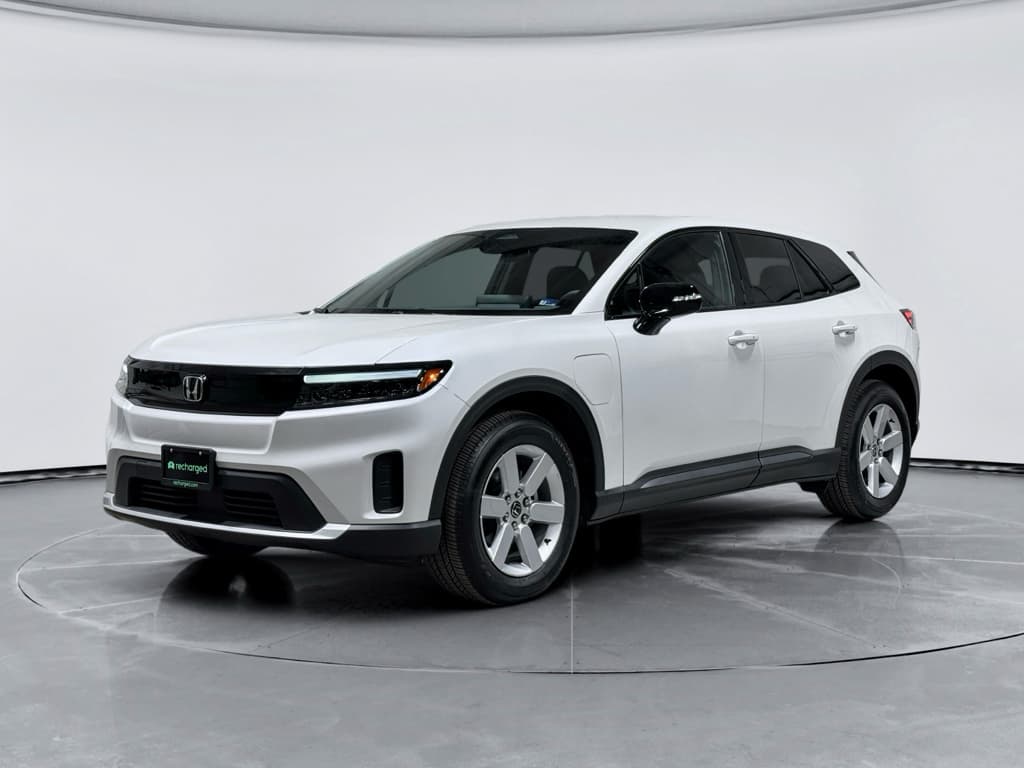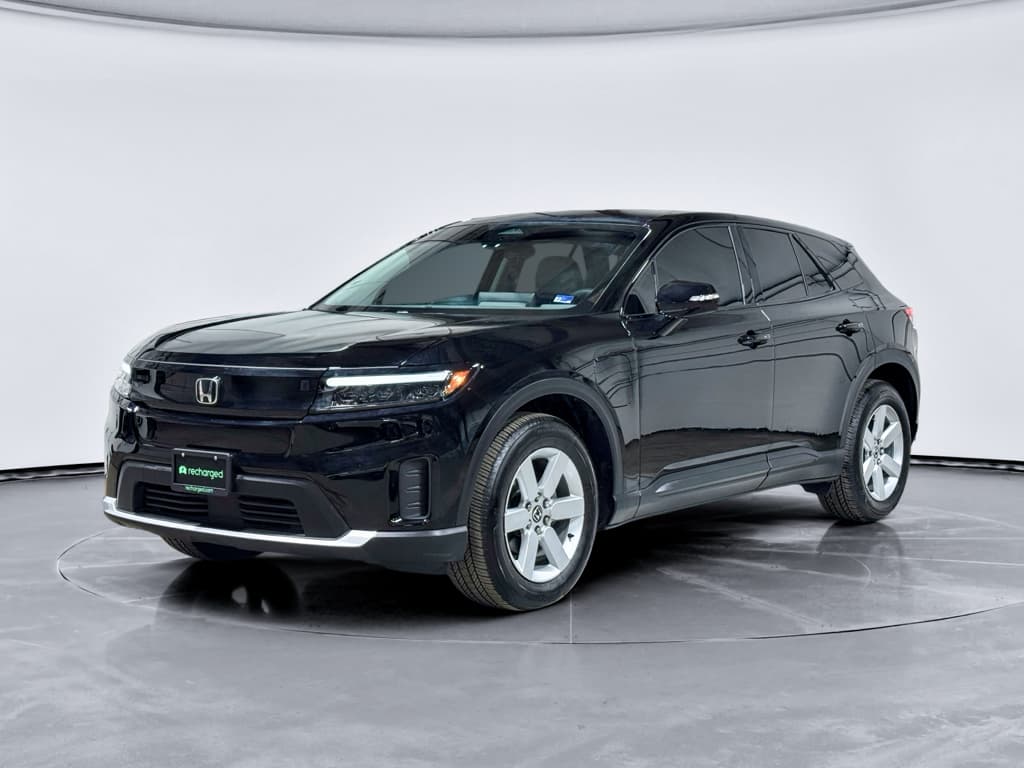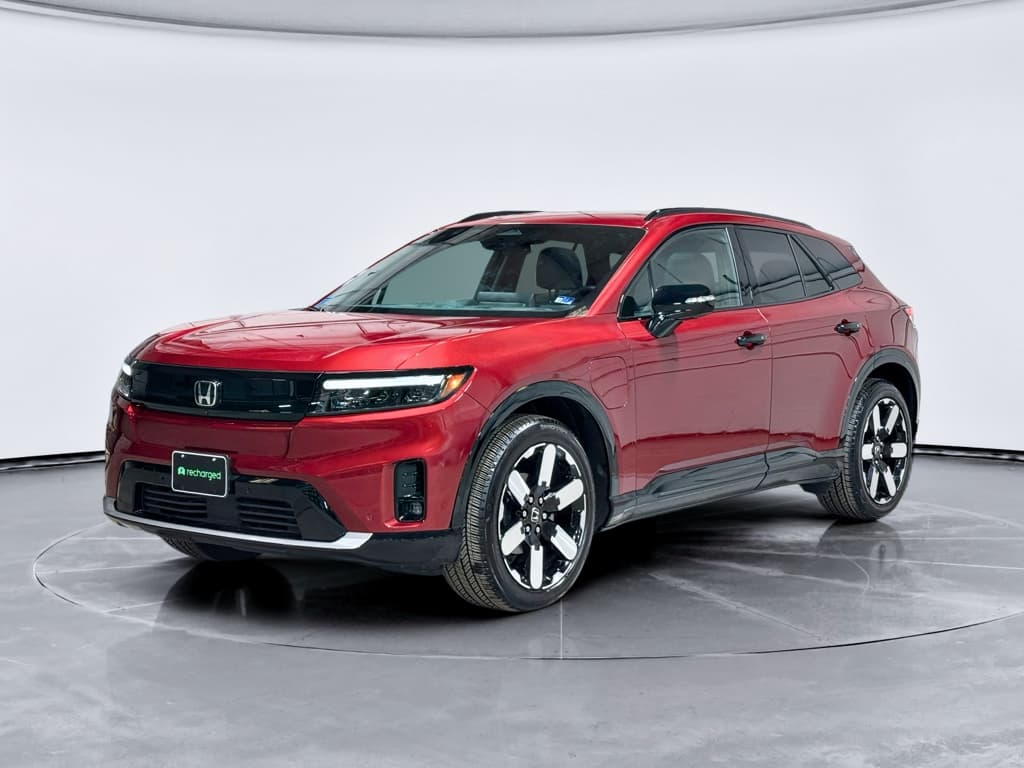
If you’re trying to figure out **Honda Prologue depreciation in the first year**, you’re not alone. The Prologue launched into a volatile EV market, and by early 2026 Honda is already cutting prices and dialing back its EV plans. That makes understanding how fast this SUV is losing value in year one more important than ever, for both new buyers and used shoppers.
Context: Why this is a moving target
Why Honda Prologue first-year depreciation matters now
Depreciation is simply how much value your Prologue sheds between the day it’s new and the day you go to sell or trade it. On paper, that’s a finance term. In real life, it’s the difference between **walking into your next car with equity** or writing a painful check just to get out of the old one.
With the Prologue, there are three big reasons first-year depreciation is under the microscope: - Honda launched it with **premium pricing** rivaling Tesla Model Y and Hyundai Ioniq 5. - EV prices broadly fell in 2024–2026 as automakers chased demand, which pulled used values down. - In 2026, Honda announced major **price cuts and production reductions** for the Prologue, putting extra pressure on already‑built 2024–2025 models.
If you bought early at full sticker…
How much does a new car normally depreciate in year one?
In a calmer market, a new car typically loses **10–30% of its value in the first year**. Mainstream gas SUVs often land toward the lower end of that range, while luxury models and niche vehicles hit the higher end.
Typical first-year depreciation benchmarks
The Honda Prologue sits squarely in that third camp: an EV launched into a price-cutting war, with changing incentives and a short production run. That’s why its first-year depreciation is shaping up to be **steeper than a typical Honda SUV**.
Honda Prologue pricing: MSRP vs. real-world deals
To understand first-year depreciation, you have to start with what people actually paid. The Prologue’s advertised **MSRP** only tells part of the story; transaction prices tell the rest.
Honda Prologue pricing trends (U.S. market)
Approximate new pricing ranges based on public data and buyer reports as of 2024–2026.
| Model year & trim | Official starting MSRP (approx.) | Typical new transaction pricing when new | Notes |
|---|---|---|---|
| 2024 Prologue EX | ~$47,400–$48,800 | Often mid-$40Ks, sometimes lower with incentives | Launch-year model, strong lease incentives and federal tax credit for many buyers |
| 2025 Prologue EX | ~$47,400–$48,800 | Widespread discounts; buyers reporting low-to-mid $30Ks after incentives | Range and power improved while MSRP held; heavy dealer and manufacturer support |
| 2026 Prologue (all trims) | MSRP reduced by about $7,500 vs. 2025 | Effective starting prices in the upper $30Ks before any dealer discounts | Price cut announced after EV tax credit loss and soft demand, hitting earlier models hardest |
These figures are directional, not a price quote, local deals will vary.
Why MSRP doesn’t tell the whole story
Real-world Honda Prologue first-year depreciation examples
Because the Prologue is new, we don’t yet have ten years of auction history. What we do have are early used sales, dealer offers, and lease residuals. When you line those up, some patterns emerge.
Typical first-year depreciation scenarios for the Prologue
These simplified scenarios use rounded figures to show how the math plays out in real life.
Scenario 1: Early 2024 buyer at or near MSRP
Purchase price: About $48,000 for a 2024 EX.
After 12 months: Early 2025 trade offers in the low-to-mid $30Ks are common, especially once rebates and discounts on new 2025s ramp up.
Estimated first-year depreciation: Roughly $13,000–$15,000, or 25–30%.
Scenario 2: 2025 buyer with strong discounts
Purchase price: Around $32,000–$36,000 for a 2025 Touring AWD after incentives and dealer discounts.
After 12 months: Used prices in the high-$20Ks to low-$30Ks, depending on miles and condition.
Estimated first-year depreciation: About $5,000–$8,000, or 15–25%.
Scenario 3: Aggressive 2026 price cuts
Purchase price: Late 2025 or 2026 buyers benefit from Honda’s ~$7,500 MSRP cut and continued discounts.
After 12 months: Gap between new and used prices shrinks; first-year hit is closer to typical compact SUVs.
Estimated first-year depreciation: Potentially in the 15–20% range, still not stellar, but much saner.
Lease residuals echo this story. Some 3‑year Prologue leases are written with **residual values in the mid‑$20Ks** on vehicles that stickered over $50,000. That implies a roughly 50% value drop in three years, and a heavy chunk of it front-loaded into years one and two.
The uncomfortable truth for early buyers

Why the Honda Prologue is dropping faster than average
1. Rapid new-car price cuts
Honda held the line on MSRP from 2024 to 2025, then chopped roughly $7,500 off 2026 pricing and dialed back production. That’s great news for new buyers, but it instantly makes low‑mile used examples look overpriced unless their asking prices fall in step.
When new cars get cheaper overnight, used cars have to reprice. The adjustment is especially punishing for anyone who bought before incentives and discounts really took off.
2. EV market whiplash
The entire EV market has been repricing since 2024 as Tesla and others cut prices to chase demand. Average 5‑year EV depreciation is running higher than gas vehicles, and the **first 12–24 months** have been especially rough for non‑Tesla models.
Add in fast‑moving tech, longer range, faster charging, new software, and last year’s EV can look outdated on paper even if it drives beautifully.
- Honda’s pivot away from near‑term EV expansion in the U.S. has raised questions about long‑term support and updates for the Prologue.
- Collision between GM’s Ultium platform hiccups (which underpins the Prologue) and Honda’s reputation for bulletproof reliability has cooled some shopper enthusiasm.
- Federal tax credit eligibility has seesawed, changing the effective price gap between new and used Prologues several times in just a couple of years.
Don’t confuse market noise with vehicle quality
Lease vs. buy: how depreciation hits Prologue owners differently
One reason you see so many Prologue owners talking about leases is simple: recent Honda lease programs pushed much of that scary depreciation onto the bank instead of the driver. But that only helps if you understand how the math works.
How first-year depreciation plays out: leasing vs. buying
Same vehicle, very different risk profiles.
If you leased your Prologue
- The leasing company owns the car and “eats” most of the depreciation.
- Your risk is limited to your monthly payment and any excess wear/over-mileage charges.
- If the market tanks and the car is worth less than the residual at lease-end, you can just hand it back.
- If the market surprises and values are strong, you can buy it at the contracted residual, which might be a bargain.
If you bought your Prologue
- You own 100% of both the upside and the downside.
- If you put very little money down and financed for a long term, it’s easy to end up upside down (owing more than the car is worth) within the first year.
- High first-year depreciation shows up the moment you try to trade or sell.
- GAP coverage (or a large down payment) becomes much more important.
Why many shoppers chose to lease
What this means for used Honda Prologue buyers
If you’re shopping a used Prologue, all of this depreciation drama is actually **good news**, as long as you buy the right car at the right price. The rapid first‑year drop means there are already low‑mile examples selling for far less than their original transaction price.
Advantages of buying a 1–2 year old Prologue
Big discount vs. original MSRP
Many 2024–2025 Prologues are trading tens of thousands of dollars below their original sticker, especially higher trims. You’re letting the first owner absorb the worst of the curve.
Modern range and charging
With EPA range around 300 miles and DC fast‑charging capability up to roughly 150 kW, a lightly used Prologue still delivers competitive real‑world usability.
Honda familiarity, GM underpinnings
You get Honda’s design and cabin sensibility paired with a platform that’s now well‑understood in the field. That makes service and repair information easier to come by than on a niche startup EV.
Stronger value equation
At the right used price, the Prologue shifts from an iffy new‑car bet into a compelling long‑term EV with a much healthier cost‑per‑mile story.
But you still have to buy smart
How to protect yourself if you own or are shopping a Prologue
If you already own a Honda Prologue
- Know your payoff and your market value. Get an up-to-date payoff from your lender, then compare it with real offers from online buyers and local dealers.
- Avoid panic-selling. Unless you absolutely must get out now, stretching ownership to 3–5 years helps you spread that big first-year hit over more miles.
- Consider refinancing, not trading. If payments are the pain point but you still like the vehicle, a refinance or term extension may cost less than crystallizing the depreciation via a trade.
- Keep mileage reasonable. Staying near 10,000–12,000 miles per year helps you preserve what value you have; big overages speed up the slide.
If you’re shopping a new or used Prologue
- Start with out-the-door pricing. Focus on the final number after fees, discounts, and any incentives, not just the monthly payment.
- Cross-shop nearly new vs. brand-new. Compare a 1‑year‑old Touring or Elite to a discounted 2026 EX. Sometimes new with full warranty and updated hardware is the better deal.
- Get independent value data. Before you sign, check independent pricing tools and real sold listings to see what similar Prologues are actually bringing.
- Have the battery health checked. With any used EV, a **battery health report** is as important as a mechanical inspection. That’s exactly what you get with a Recharged Score on every EV we list.
How Recharged can help
Honda Prologue depreciation: FAQ
Frequently asked questions about Honda Prologue first-year depreciation
Bottom line: Honda Prologue first-year depreciation
The Honda Prologue landed in the U.S. at precisely the wrong moment for anyone hoping for gentle depreciation. Between aggressive EV price cuts, shifting incentives, and Honda’s own 2026 MSRP rollback, first-year value losses have been **sharper than most buyers are used to seeing from this brand**.
If you’re already in a Prologue, the smartest move is to understand your payoff, know the real market for your specific trim, and resist knee‑jerk decisions if you don’t absolutely have to sell. If you’re shopping, you’re in a stronger position: you can let someone else’s first‑year hit work in your favor, provided you buy at a price that already bakes in that drop and you verify the battery’s health.
Either way, depreciation doesn’t have to be a mystery. With transparent pricing data, solid battery diagnostics, and expert support from EV‑focused retailers like Recharged, you can make the Honda Prologue’s wild first few years in the market work for you, not against you.