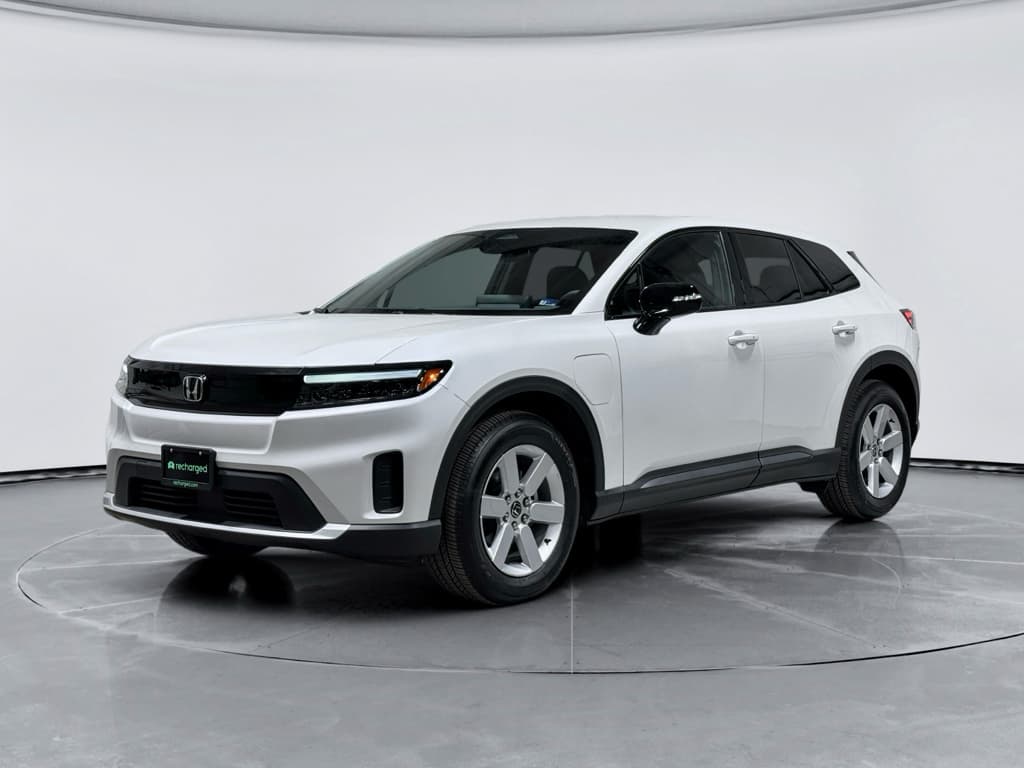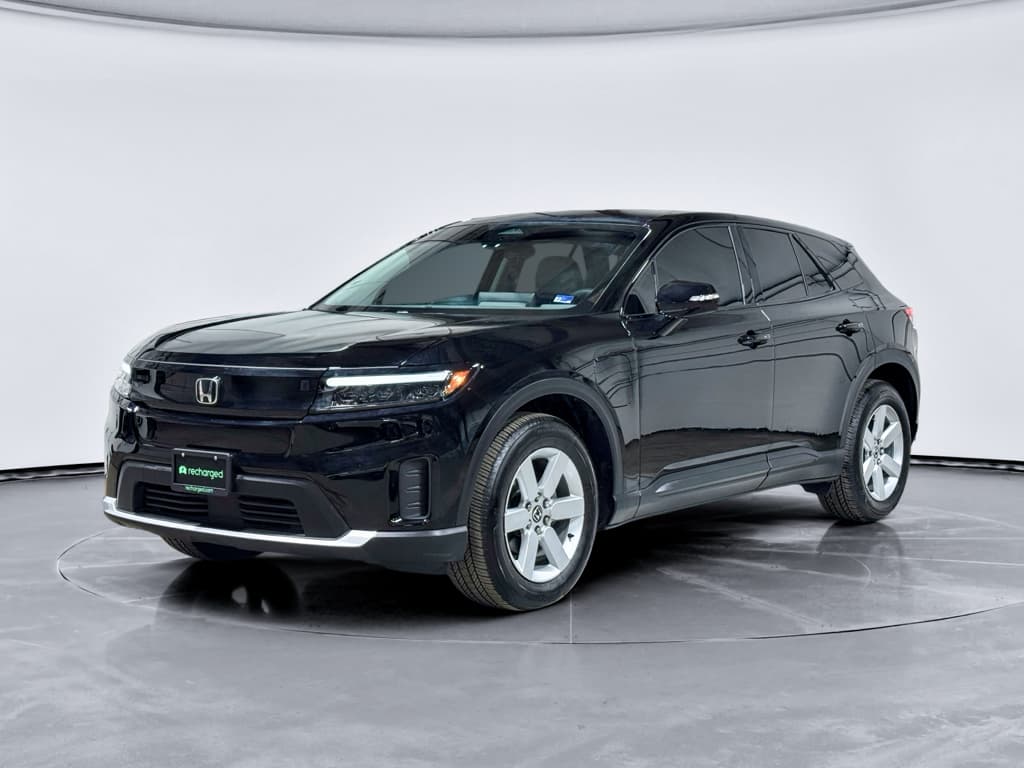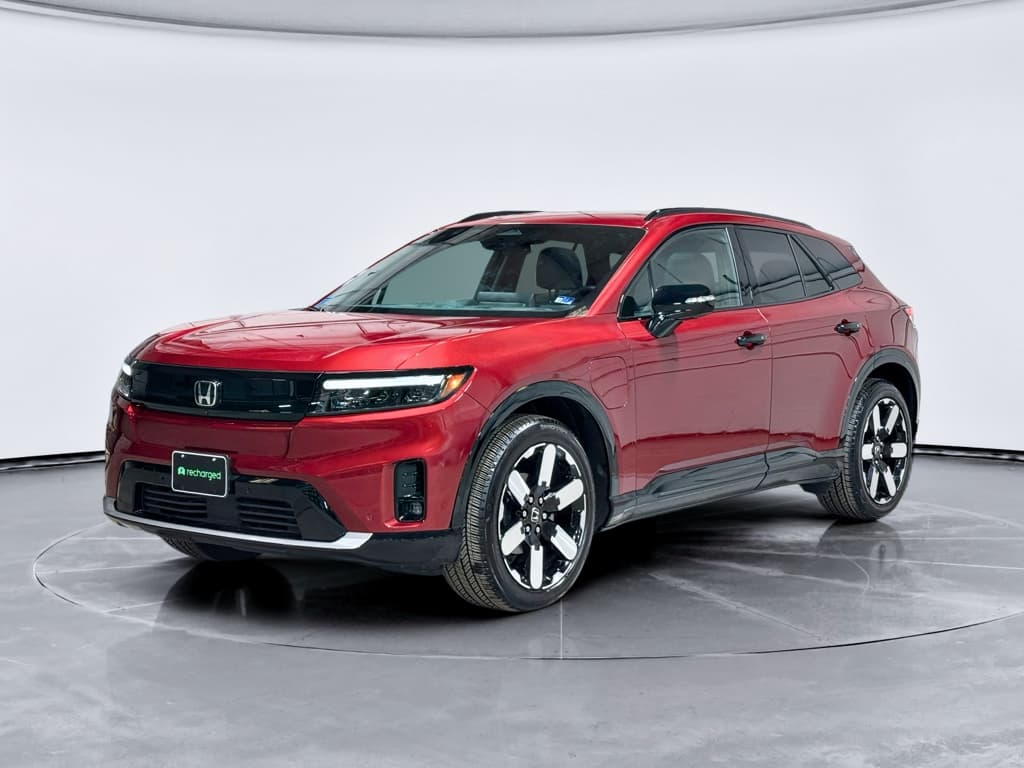
If you’re Googling “Honda Prologue common problems 2026”, you’re probably in one of two camps: you already own Honda’s first mass‑market EV and something doesn’t feel right, or you’re wondering whether a used 2024–2025 Prologue is a smart buy. Either way, the short answer is that the Prologue is no tire fire, but it does have a handful of very real trouble spots you should understand before you sign a lease or a bill of sale.
Quick context
Overview: Honda Prologue problems in 2026
- Software bugs that can blank the instrument cluster or center screen, now subject to a recall on 2024 models.
- Front‑end clicking or clunking noises tied to the front axle/CV joints and at least one suspension‑related recall.
- Overactive driver‑assist tech, especially automatic emergency braking that can feel grabby or “phantom brake.”
- Charging quirks inherited from the broader Ultium family (public fast‑charging reliability is better than year one, but not flawless).
- Infotainment and HondaLink app frustrations, account setup failures, dropped connections, and SiriusXM/OnStar quirks.
The rest of this guide walks through each Honda Prologue common problem, what’s actually serious versus just annoying, how Honda is responding in 2026, and what you should do if you’re an owner or shopper, especially in the used market that Recharged focuses on.
How reliable is the Honda Prologue so far?
Early reliability snapshot (2024–2025 Prologue)
In other words, the Prologue isn’t the bulletproof Civic of your memory, but it’s also not a Blazer EV horror story. You’re dealing with a first‑generation EV on a shared platform, which means software gremlins and some teething issues, but also a strong warranty safety net if you stay inside Honda’s service network.
How Recharged handles Prologue reliability
Problem 1: Blank screens and software glitches
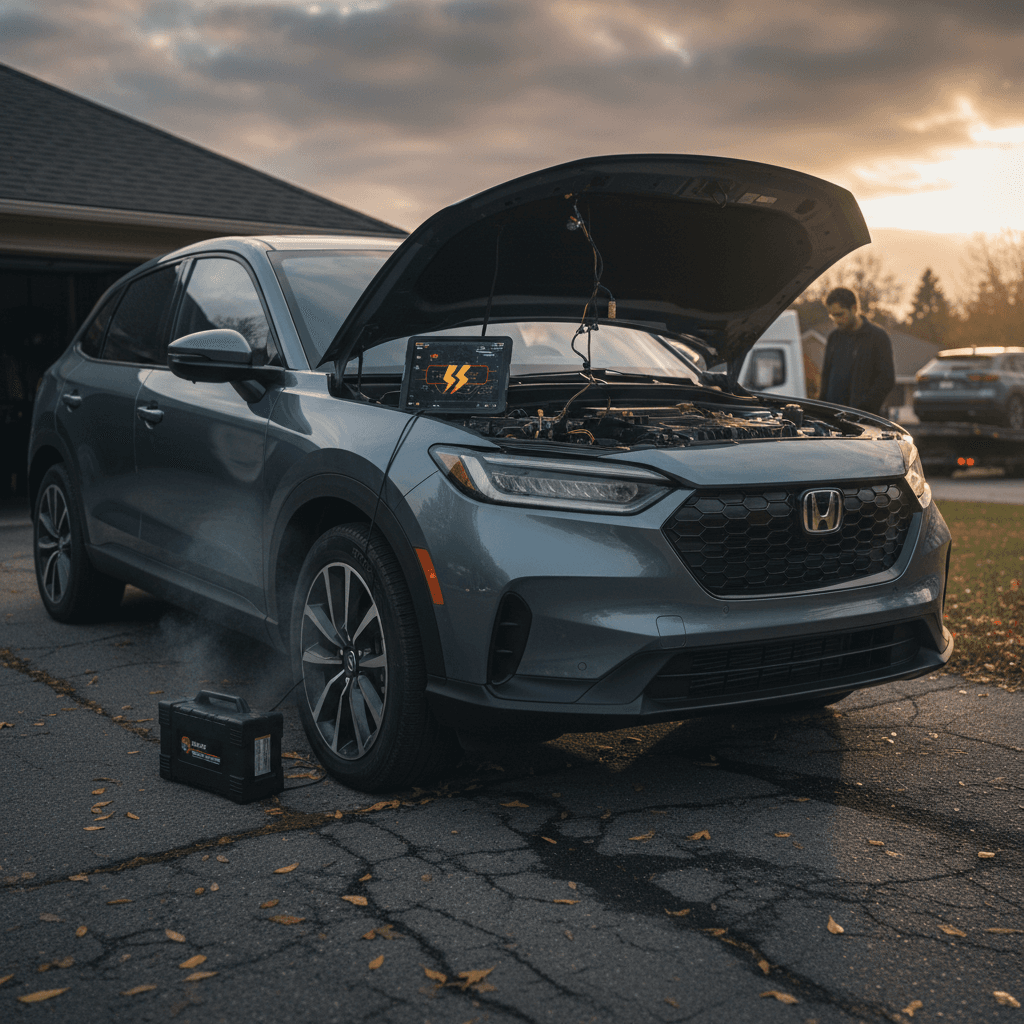
A very 2020s problem: you put the Prologue in reverse and…nothing. No backup camera, no guidelines, just a blank expanse where your center screen is supposed to be. On some 2024 Prologues, the instrument cluster can also go dark, leaving you without speed or warning lights until the system reboots.
How Prologue software problems show up
Most owners see one or more of these symptoms before a dealer visit
Blank or frozen screens
The center infotainment display or the digital gauge cluster goes black, lags badly, or reboots mid‑drive.
Rear camera not displaying
Shift into reverse and the camera view doesn’t appear, or you get a black screen where the image should be.
Random warning messages
Intermittent pop‑up errors about driver‑assist systems or communications, often disappearing after a restart.
2026 software recall on 2024 Prologues
What to do if your Prologue’s screens go dark
1. Capture photos or video when it happens
Document blank screens, frozen displays, or missing camera views with your phone. Service departments and, if needed, lemon‑law attorneys take you more seriously when they can see the failure.
2. Check for open recalls
Use Honda’s recall lookup or NHTSA’s VIN tool to see if your Prologue is covered by the 2026 software recall or earlier campaigns. Any recall work should be free.
3. Get a dealer diagnosis in writing
Ask the service advisor to note all symptoms and any stored fault codes on the repair order. If the fix is a software update, confirm the new software version in the paperwork.
4. Escalate if issues repeat
Multiple failed repair attempts for the same safety‑related software problem may trigger lemon‑law protections in some states. Keep all repair orders together in a folder.
If you’re shopping used, assume every 2024 Prologue should have had this recall performed. At Recharged, we verify that status and surface it directly in the vehicle listing so you’re not the one discovering the problem at a crowded charger.
Problem 2: Front axle clicking and suspension issues
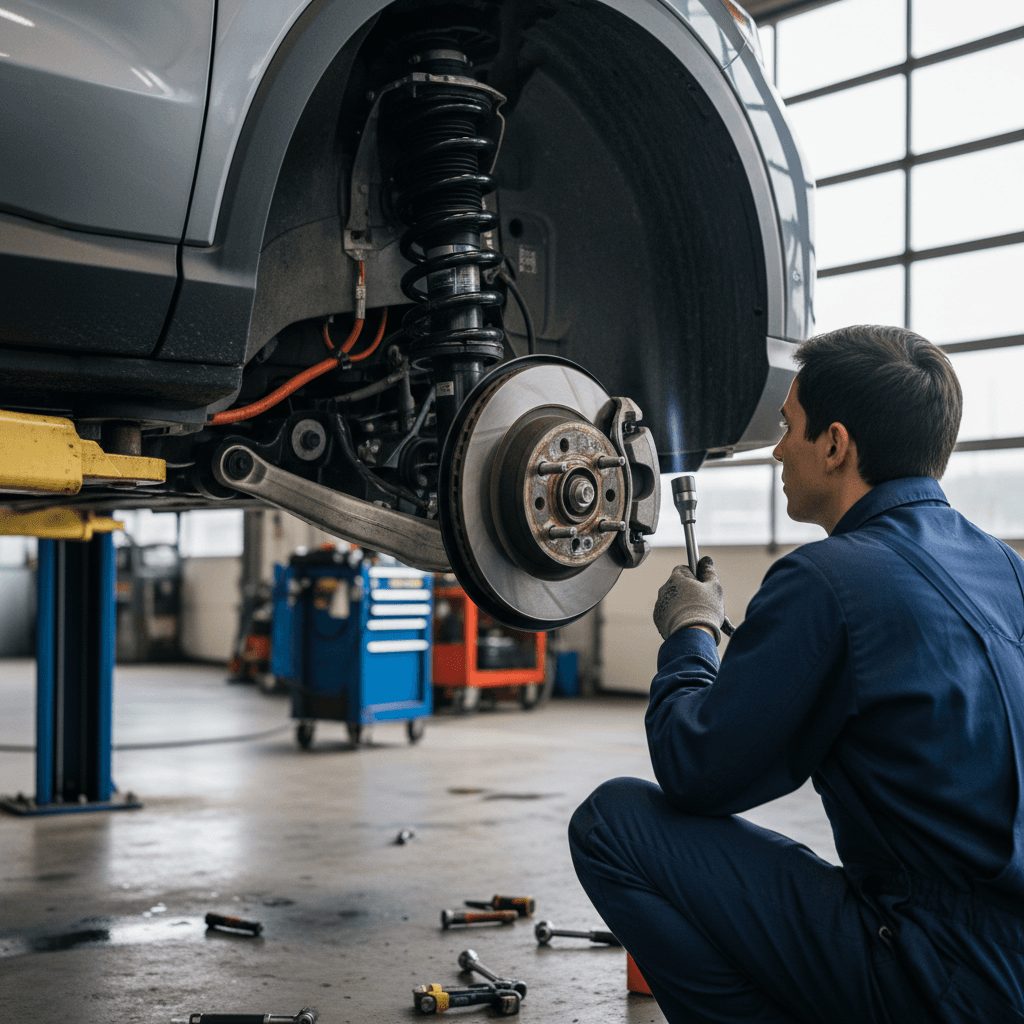
This is the Prologue’s signature noise complaint: a repetitive clicking or clunking from the front end, especially during low‑speed, tight turns or when creeping into a driveway. Early 2024 owners have described it as ice in a blender somewhere behind the front wheels, hardly confidence‑inspiring in a brand‑new EV north of fifty grand.
Front axle & suspension issues on 2024–2025 Prologues
Common patterns from owner reports, lawsuits, and recall documents
| Issue | Typical mileage first noticed | What you’ll hear/feel | How serious is it? | Typical fix |
|---|---|---|---|---|
| Front axle / CV joint clicking | 2,500–12,000 miles | Repetitive clicking or light clunk on tight turns or parking‑lot maneuvers | Annoying; may indicate premature wear but usually not an immediate safety risk | Revised axle parts, re‑torquing, or related front‑end hardware replacement |
| Suspension clunk over bumps | Under 10,000 miles | Single or double knock over sharp bumps or driveway transitions | Low to medium; can affect comfort and long‑term durability | Strut or control‑arm inspection, bushing replacement if needed |
| Right front lower control link recall | Any mileage | Often silent until failure; recall is preventative | High; a failed link can affect steering and stability | Dealer inspection and replacement of the affected control link under recall |
These are patterns, not guarantees. Many Prologues are quiet and trouble‑free, but if yours isn’t, this is likely where you’ll feel it.
Axle noise lawsuit in 2026
Honda has also issued a suspension‑related recall on some 2024 Prologues for a potentially defective right front lower control link. Many vehicles will never experience a failure, but this is exactly the sort of thing you want squared away before you load the family for a road trip.
How to check a Prologue for axle and suspension issues
1. Do slow, full‑lock circles in a parking lot
Turn the wheel fully left and right and drive slow circles with the windows cracked. Listen closely for rhythmic clicking that speeds up with wheel rotation.
2. Find a speed bump and a steep driveway
Go over at a moderate pace. Clunks or knocks from the front corners can hint at loose or worn hardware.
3. Inspect tires for odd wear patterns
Uneven front tire wear, especially cupping, can be the canary in the coal mine for suspension or alignment issues.
4. Ask for recall and TSB printouts
Before buying, ask for a dealer service history showing that any suspension or front‑end recalls have been completed.
Problem 3: Phantom braking and driver-assist "nannies"
Honda’s Collision Mitigation Braking System has been overly eager across multiple Honda models, and the Prologue is no exception. A subset of owners report phantom braking: the car slams or jabs the brakes when there’s no obvious threat, sometimes at highway speeds, sometimes while reversing out of a driveway with nothing but air behind them.
- Sudden, hard braking on the highway with no car cutting you off.
- Short, sharp stabs of brake when a shadow, signpost, or guardrail creeps into the field of view.
- Aggressive braking while backing up despite clear surroundings.
Take phantom braking seriously
Short‑term: Tame the assists
If your dealer can’t immediately fix the behavior, most owners dial back the sensitivity or switch certain functions from automatic braking to alert‑only in the driver‑assist settings. It’s not a perfect solution, but it reduces your odds of a surprise stop while you pursue a real fix.
Long‑term: Push for updates
Ask the service department to confirm you’re on the latest software for collision mitigation and adaptive cruise. If multiple repairs fail to solve severe phantom braking, talk to a consumer‑law attorney about lemon‑law options in your state.
Problem 4: Charging quirks on the Ultium-based Prologue
Because the Prologue rides on GM’s Ultium platform, you inherit a little of the larger family drama. Early Blazer EV and Lyriq owners famously reported “Service High Voltage System” errors and inconsistent fast‑charging behavior. The Prologue has seen fewer of the truly catastrophic failures, but public fast‑charging is still the area where this EV feels most GM.
Common charging complaints from Prologue and Ultium drivers
Less “my battery exploded,” more “why is this so fussy?”
Inconsistent DC fast‑charge speeds
Some owners see the advertised 150 kW peak; others plug into the same hardware and plateau far lower, even with a warm battery.
Session drops or station errors
Public chargers occasionally drop the session or throw fault codes, sometimes blaming the car, sometimes the station.
Scary warning messages
Intermittent high‑voltage system warnings that clear on restart but shake your confidence in the car.
Make charging boring again
This is also where buying from a specialist helps. When Recharged inspects a Prologue, we don’t just drive it, we plug it in, test Level 2 charging behavior, and, where feasible, verify that it can complete a DC fast‑charging session without drama. Those results roll straight into the Recharged Score so you can filter out problem children before you ever schedule delivery.
Problem 5: HondaLink app and infotainment frustrations
A modern EV without a solid app is like a smartphone that drops calls. Early Prologue owners have vented about HondaLink account issues, failures to pair, broken OnStar connectivity on GM‑built infrastructure, and SiriusXM or streaming audio that behaves like it’s on dial‑up.
- Difficulty completing initial HondaLink setup or linking the car to an existing account.
- Vehicle status/charging data lagging or not updating in the app.
- OnStar services not activating properly on day one, requiring infotainment resets.
- Minor but maddening glitches like lost bass response or audio balance quirks after software updates.
Good news: these are usually fixable
Recalls, service bulletins, and what’s been fixed
By April 2026, the Honda Prologue already has a paper trail: formal recalls, product updates, and technical service bulletins (TSBs) that quietly address known problems when you complain loudly enough at the service desk.
Key Honda Prologue recalls and updates through 2026
Always run your VIN through Honda or NHTSA for the latest status, this list focuses on the most talked‑about campaigns.
| Campaign type | Model year(s) affected | Issue | Risk if ignored | Dealer remedy |
|---|---|---|---|---|
| Safety recall – software (screens) | 2024 | Center screen and/or instrument cluster can go blank, including rear camera view when reversing. | Loss of critical driver information and rear visibility; increased crash risk. | Dealer updates multiple software modules; no parts cost to the owner. |
| Safety recall – right front lower control link | 2024 | Defective right front lower control link may fracture under certain conditions. | Potential loss of control if the component fails while driving. | Inspection and replacement of the affected control link at no charge. |
| Product updates / TSBs – front axle noise | Primarily early‑build 2024, some 2025 | Clicking or clunking from front axle/CV joint area during turns. | Annoyance, perceived poor quality; potential long‑term wear. | Revised repair procedures, re‑torquing, or replacement of axle/suspension components depending on diagnosis. |
| Software updates – driver‑assist and infotainment | 2024–2025 | Various bugs in collision mitigation, adaptive cruise, and infotainment behavior. | From nuisance warnings to phantom braking, depending on the case. | Module re‑programming with updated software when owners report problems. |
If you’re buying used, you want every applicable line in this table to show as “completed” in the service history.
TSB vs recall: know the difference
Shopping a used 2024–2025 Prologue? What to check
The used market is where the Prologue story really gets interesting. Lease‑return 2024s and early‑build 2025s are starting to hit dealer lots and marketplaces, and they can look like bargains compared with new EVs. The trick is separating “early software bug that’s been fixed” from “rolling science experiment you don’t want to own out of warranty.”
11‑point checklist for used Honda Prologue shoppers
1. Verify all recalls are completed
Ask for a printout showing recall and product‑update status by VIN. Any open 2024 software or suspension recall work should be performed before you sign.
2. Inspect the front end for noise
Do low‑speed full‑lock turns and drive over sharp bumps, listening for clicks and clunks. Walk away from anything the seller dismisses as “normal for EVs” without documentation.
3. Test every screen and camera
Cycle the car through several start/stop cycles, reverse maneuvers, and menu screens. You’re hunting for lag, freezing, or temporary blackouts.
4. Stress‑test driver‑assist systems
Safely test adaptive cruise and lane‑keeping on a familiar road. If the car brakes unpredictably or feels nervous, you want the latest software, or a different VIN.
5. Confirm clean charging behavior
If possible, plug into a Level 2 charger and a reputable DC fast charger. Make sure the car starts and maintains a charge session without throwing warnings.
6. Review service history for repeat visits
Multiple visits for the same software or electrical issue can be a red flag, even if repairs were covered under warranty.
7. Check tires and alignment
Uneven wear on a relatively low‑mileage Prologue often points to alignment or suspension setup issues that haven’t been fully sorted.
8. Evaluate battery health
Ask for a battery health report or capacity check. At Recharged, this is built into the Recharged Score so you see real‑world range expectations upfront.
9. Pair the HondaLink app on the spot
During a test drive or delivery, set up the app, try remote functions, and confirm vehicle status updates correctly.
10. Confirm warranty transfer
Make sure both the basic vehicle warranty and the EV component/battery warranty transfer cleanly to you as the next owner.
11. Price in the headaches
If you’re buying a Prologue with documented issues that have been fixed, negotiate accordingly. A model with a clean, well‑documented history is worth paying a bit more for.
How Recharged simplifies this
Ready to find your next EV?
Browse VehiclesMaintenance and warranty strategy for current owners
If you already own a Prologue, the goal isn’t to live at the dealership. It’s to use Honda’s warranty and updates intelligently while keeping your sanity, and your range, intact.
Smart maintenance moves
- Stay current on software. Schedule updates when you get recall or product‑update notices; many bugs disappear with new code.
- Rotate tires religiously. The Prologue’s weight will punish neglected tires and can amplify suspension issues.
- Log every weird behavior. Keep a simple note on your phone with dates, mileage, and symptoms. It’s gold if you ever need to escalate.
Warranties to lean on
- Basic bumper‑to‑bumper. Covers most electronics and interior hardware in the early years, use it.
- EV and battery coverage. High‑voltage components and the pack have extended protection; don’t ignore intermittent warning messages.
- Consider extended coverage. If you plan to keep the Prologue past the factory warranty, an extended service plan can be cheaper than one big out‑of‑warranty repair.
Document, document, document
FAQ: Honda Prologue common problems in 2026
Honda Prologue Problems & Recalls: Your Questions Answered
So…should you buy a Honda Prologue in 2026?
The 2024–2025 Honda Prologue isn’t the unflappable, boring‑in‑a‑good‑way Accord of the EV world. It’s an ambitious first‑wave electric SUV built on a shared platform, and it shows: software recalls, axle‑noise lawsuits, and a chorus of owners learning the hard way that the future runs on code as much as kilowatts. But it’s also comfortable, handsome, and, once the big campaigns are done and the front end is quiet, a genuinely appealing daily driver.
If you’re shopping in 2026, the key is not to pretend these Honda Prologue common problems don’t exist. It’s to use them as a checklist. Look for a Prologue with completed recalls, up‑to‑date software, a silent front suspension, and a clean battery‑health report, and you can let someone else pay for the early‑adopter drama while you pocket the depreciation.
That’s where Recharged leans in: by vetting used EVs with battery diagnostics, recall verification, and Prologue‑specific road tests, then backing the whole experience with EV‑savvy support and nationwide delivery. Do that, and the Prologue stops being a question mark and starts looking like what Honda probably intended in the first place, your family’s first electric car that just quietly gets on with the job.