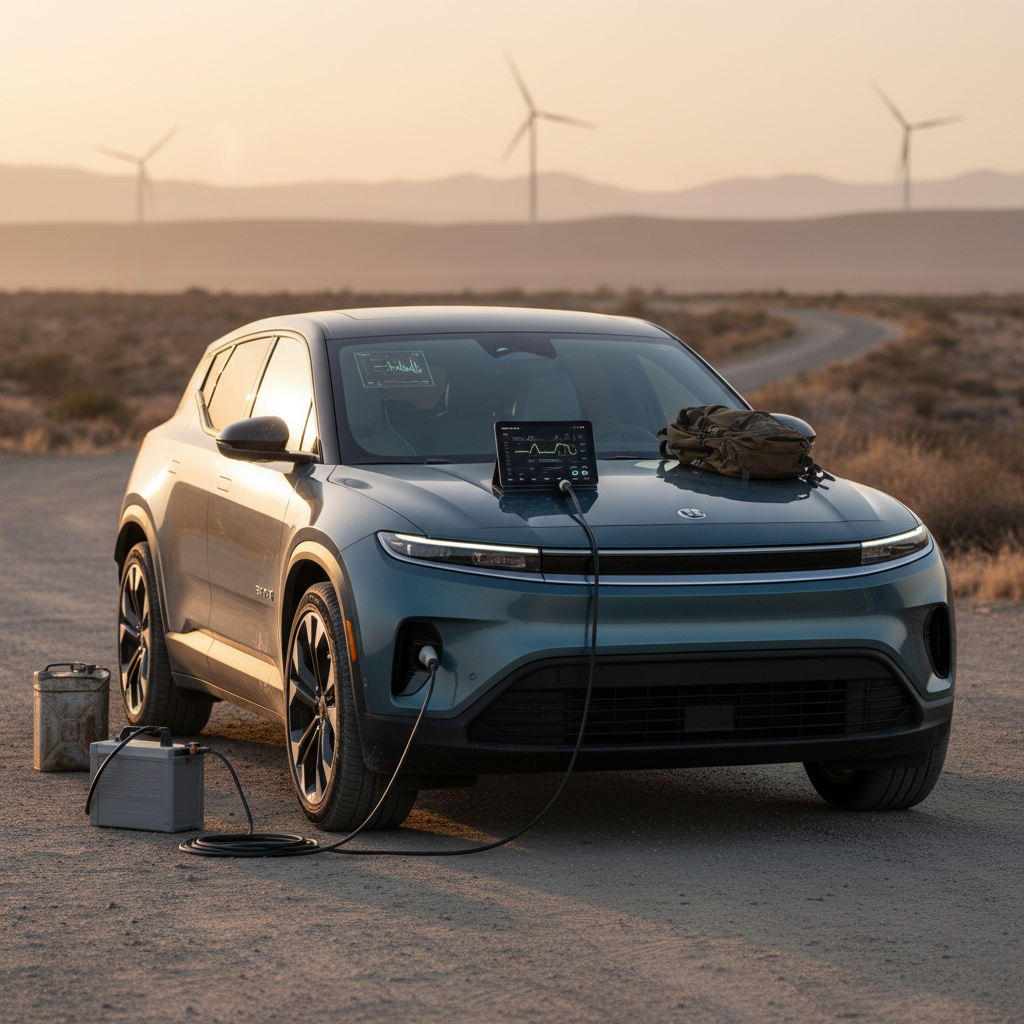
The Chevy Blazer EV is a handsome, fast, family-size electric SUV sitting on GM’s Ultium platform. It’s also a bit of a moving target: trims have shifted, range figures vary with drivetrain, and the model has already seen early software headaches and charging updates. This Chevy Blazer EV buying checklist walks you through the key decisions so you don’t buy more (or less) Blazer than you actually need, especially if you’re considering a used one.
Who this checklist is for
Why the Chevy Blazer EV is tricky to buy well
On paper, the Blazer EV looks simple: a mid-size, 5‑seat electric SUV with up to around 300 miles of range, roughly 11.5 kW Level 2 charging, and DC fast charging up to about 150–190 kW depending on battery pack and trim. In practice, trims have come and gone (the original 1LT and an RS rear‑wheel‑drive variant were short‑lived), and 2025+ models move to the NACS connector for Tesla Supercharger access. That fluidity makes it especially important to work from a structured checklist instead of shopping on looks and horsepower alone.
Blazer EV at a glance (approximate figures)
Why details matter on this model
Step 1: Clarify how you’ll use your Blazer EV
Before you disappear into spec sheets, get clear on how this SUV will actually live. The Blazer EV can be a quiet commuter sled, a road‑trip car, or a faux‑Camaro SS on stilts, each use case pushes you toward different trims and options.
Use‑case questions to answer first
Daily miles and commute pattern
How many miles do you typically drive in a day, and how many days per week? A 40‑mile round‑trip commute is a very different life than 140 miles of sales calls.
Road‑trip expectations
Do you regularly take 200–400 mile highway trips, or is this SUV mostly a school‑run and Costco tool? Heavy highway use makes DC fast‑charging performance and usable range much more important.
Climate and terrain
If you live in a cold climate or at high altitude, expect range loss in winter and more benefit from all‑wheel drive. Plan around your worst‑case winter day, not a perfect spring afternoon.
Family and cargo
Will you routinely use all five seats? Are strollers, bikes, or dogs part of your life? The Blazer EV has plenty of room, but regular full‑load highway driving will burn more electrons.
Garage and parking situation
Do you have a private driveway or garage where you can install a Level 2 charger, or are you relying on workplace and public charging? Your answer changes how much range buffer you need.
Tip: Decide your non‑negotiables
Step 2: Choose the right Blazer EV trim and drivetrain
The Blazer EV lineup has centered on three main trims in the U.S. market: 2LT, RS, and SS. Older materials mention a 1LT and an RS rear‑wheel‑drive variant with the headline 320‑mile range, but those have been trimmed back or simplified in later model years. If you’re looking at a used Blazer EV, pay extra attention to exactly which flavor you’re getting.
Chevy Blazer EV trim snapshot (recent model years – approximate)
Always confirm exact specs for the model year and VIN you’re considering; this table is a directional guide, not a replacement for a window sticker.
| Trim | Drivetrain options | Approx. EPA range | Character | Who it suits best |
|---|---|---|---|---|
| 2LT | FWD or AWD | Up to high‑200s (FWD), a bit lower for AWD | Sensible, well‑equipped family spec | Commuters and families who want value, comfort, and all‑weather confidence. |
| RS | Primarily AWD in later years; some early RWD long‑range builds | High‑200s to ~320 mi depending on pack and drive | Sportier look, bigger wheels, more toys | Style‑conscious buyers who want a sharper drive without going full SS. |
| SS | Performance AWD only | Around 290–300 mi on many specs | High‑power, big‑battery halo model | Enthusiasts who care about acceleration and don’t mind paying for it. |
Trim availability, range, and character have evolved since launch. Treat this as a shopping compass, not biblical truth.
If you prioritize value and comfort
The 2LT is the sweet spot for most people. It typically offers strong range, AWD availability, and a long list of standard safety tech without plunging into SS money. On a used market, this is often the best dollar‑per‑mile‑of‑range play.
If you want drama and performance
The RS and especially the SS lean into performance and design. Expect bigger wheels, quicker acceleration, and higher pricing. They’re compelling as used buys if the first owner ate the initial depreciation.
Trim names ≠ identical hardware
Step 3: Range and battery checklist
Range is the whole ballgame with a mid‑size electric SUV. The Blazer EV’s EPA estimates span from the mid‑200‑mile range up to roughly 300+ miles depending on trim, battery, and drivetrain. The underlying Ultium packs are robust, but how you use and charge the vehicle matters a great deal over time.
- Target at least 20–30% more rated range than your typical daily driving needs.
- Remember that winter, high speeds, and full loads can easily shave 15–30% off the window‑sticker range.
- All‑wheel drive is great for traction but often comes with a modest range penalty versus FWD or RWD.
- Bigger wheels and sticky tires look fantastic on an RS or SS but don’t help efficiency.
Battery and range questions to ask (especially on used)
What’s the official EPA range for this exact trim and year?
Confirm the rated range for the specific configuration you’re considering. Don’t rely on generic Blazer EV marketing numbers, ask for the window sticker or decode the VIN.
How has the car been charged so far?
Frequent DC fast charging and routine 100% charges can age any pack faster. Look for cars that mostly lived on home Level 2, charged to 80–90% for daily use.
What does the battery warranty cover?
GM’s typical EV battery warranty spans eight years/100,000+ miles for capacity and defects. Confirm start date, mileage, and any transfer conditions if you’re buying used.
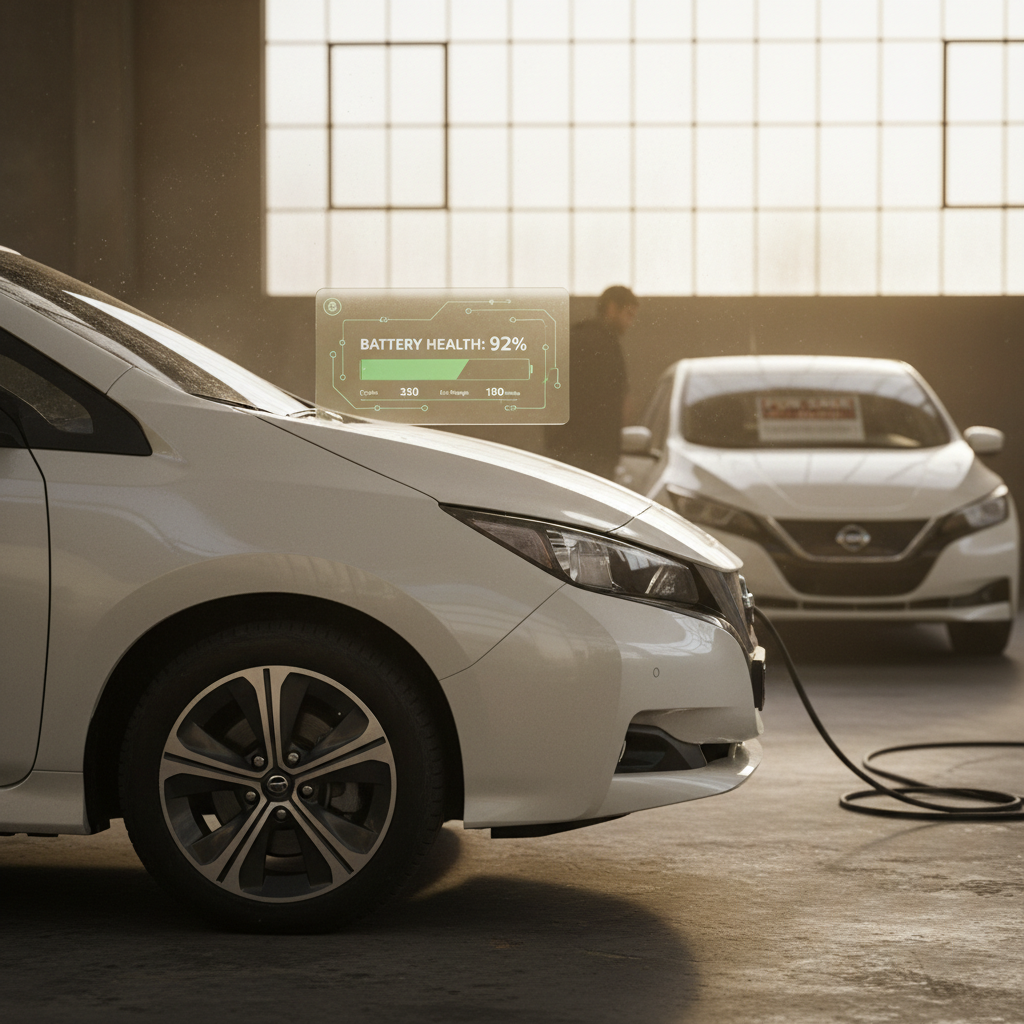
Can you see a battery health report?
With Recharged, every used EV includes a <strong>Recharged Score</strong> and verified battery health data, so you’re not guessing how the Ultium pack has aged.
What’s the real‑world range from current owners?
Owner forums and road tests often report highway ranges slightly below EPA numbers, especially at 70–75 mph. Use those stories as a sanity check.
Plan for your worst day, not your best
Step 4: Charging needs – home and road trip
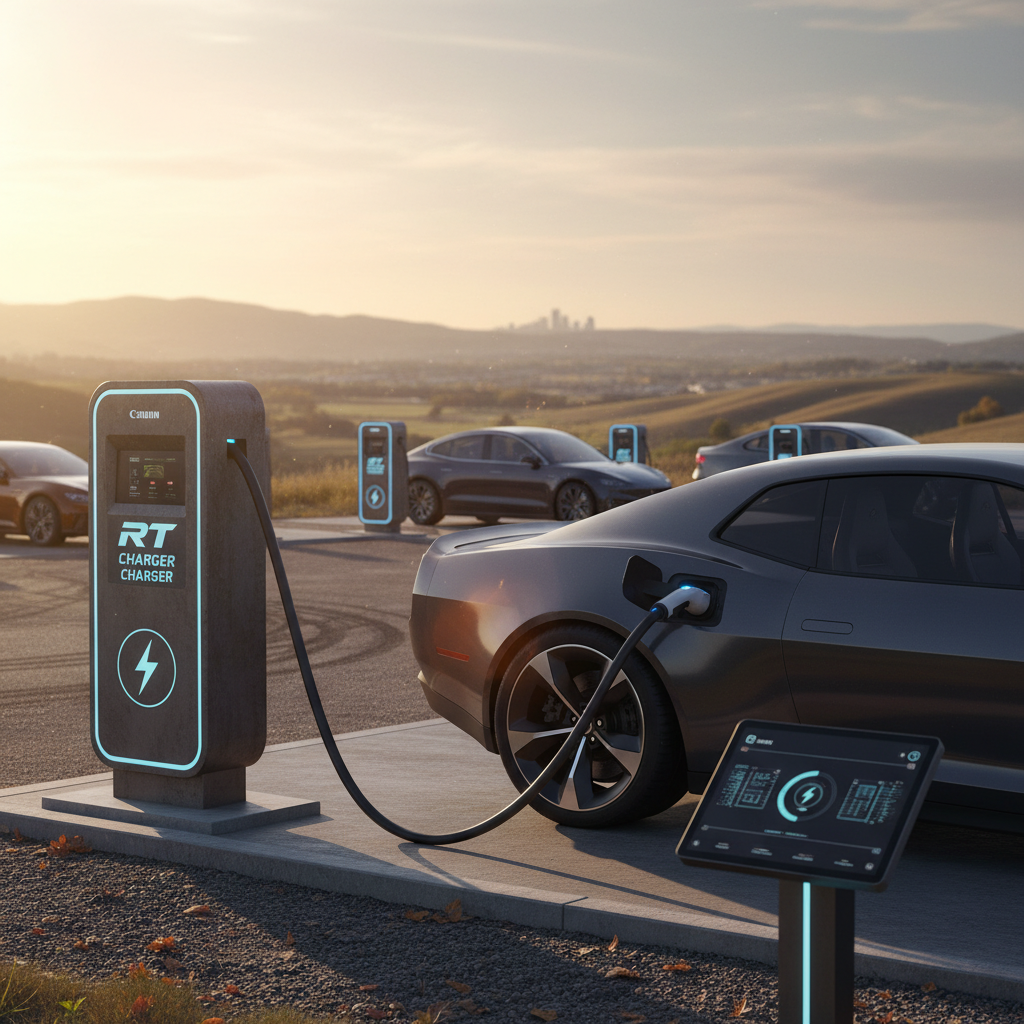
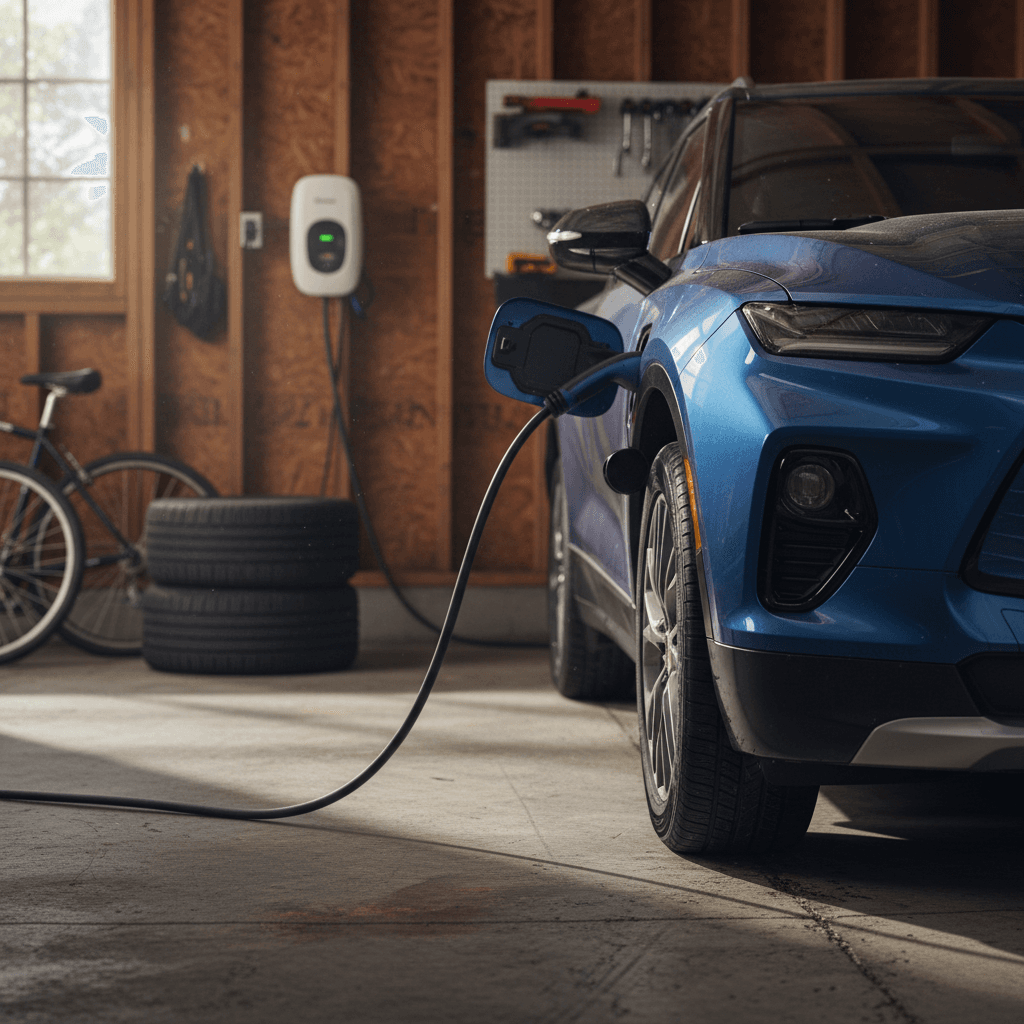
Every Blazer EV supports roughly 11.5 kW Level 2 AC charging, which means a 240‑volt circuit and a 48‑amp charger can refill the pack overnight. DC fast‑charging peaks vary by battery: the smaller pack versions top out around 150 kW, while larger‑pack or performance trims advertise up to about 190 kW at low state of charge.
How you’ll likely charge a Blazer EV
Match your setup to your daily life, not the brochure’s best‑case scenario.
Home Level 1 (120V)
Included cord in a standard outlet.
- Slow: think 3–5 miles of range per hour.
- Fine for plug‑in hybrids or rare drivers.
- As a primary plan for a Blazer EV, it’s a recipe for frustration.
Home Level 2 (240V)
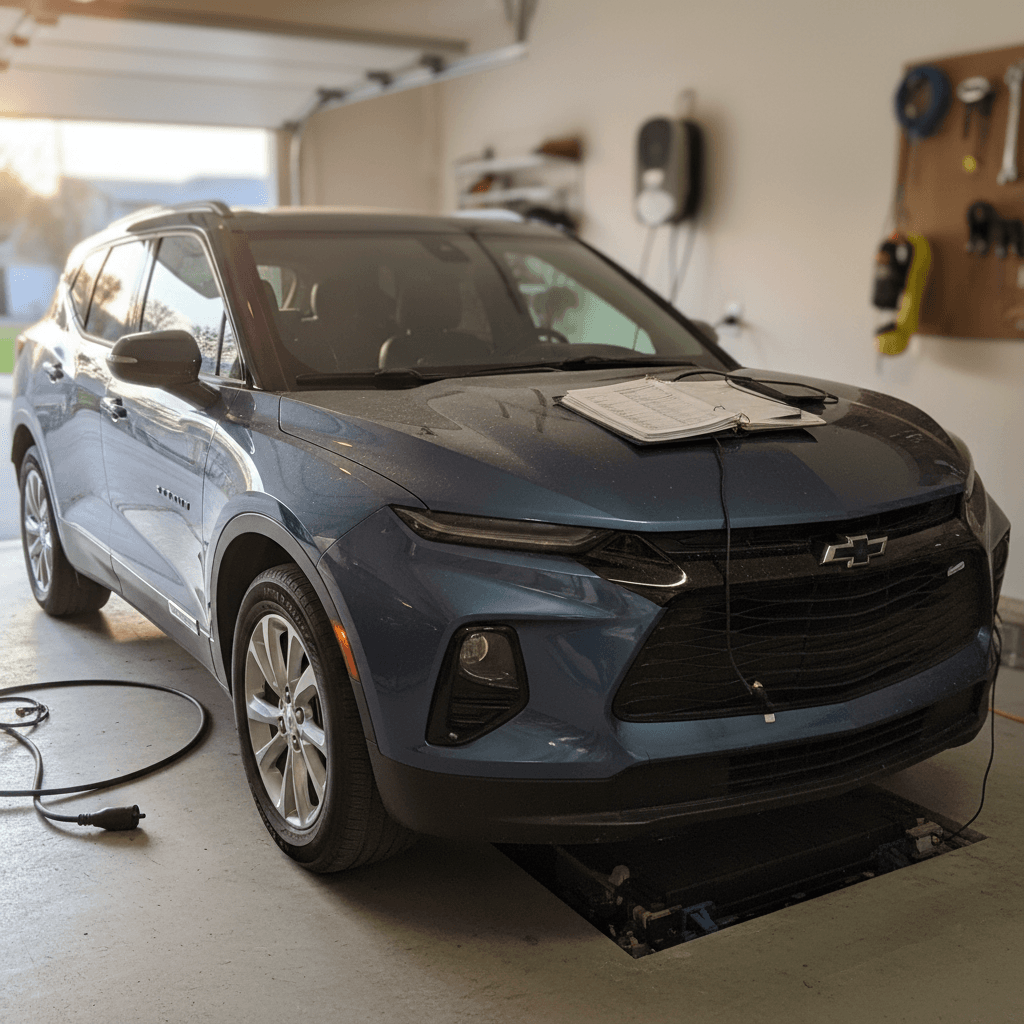
Dedicated 240‑volt circuit with a wallbox or portable 40–48A charger.
- Routinely adds 25–35+ miles of range per hour.
- Refills a low pack overnight, even on big‑battery trims.
- This is what most Blazer EV owners should plan for.
Public DC fast charging
High‑power stations on highways and around cities.
- 85‑kWh packs see about 150 kW peak; larger packs can reach around 190 kW.
- Great for road trips, not ideal as daily charging.
- Later Blazer EVs with NACS can plug directly into many Tesla Superchargers.
Safety: don’t DIY your 240‑volt circuit
Charging checklist before you buy
Confirm connector type (CCS vs NACS)
Early Blazer EVs shipped with CCS1; 2025+ models transition to NACS. CCS cars can still use adapters and most public networks, but native NACS is a convenience win if you road‑trip where Tesla’s network dominates.
Map your local charging desert or oasis
Pull up PlugShare, Chargeway, or your utility’s app and look for fast‑chargers near home, work, and favorite weekend spots. If you live in a sparse charging region, a long‑range trim is more than a luxury.
Decide on a home charger
Will you install a 40A or 48A Level 2, or rely on a portable unit? Compare prices, smart‑charger features, and whether your utility offers rebates or time‑of‑use discounts.
Ask how the previous owner charged
For a used Blazer EV, heavy DC fast‑charging history isn’t a deal‑breaker, but it’s one more data point to weigh alongside mileage and battery health reports.
Step 5: Tech, safety, and comfort features
The Blazer EV leans hard into the digital future: a big central touchscreen, Google‑built‑in software, and GM’s advanced driver‑assist systems. The catch is that not every trim gets every toy, and some shoppers are surprised by the lack of Apple CarPlay/Android Auto as GM pivots to its own ecosystem.
High‑value Blazer EV features to hunt for
These options change how the SUV feels every single day.
Super Cruise (hands‑free)
Available on higher trims like the SS and some well‑optioned RS models, Super Cruise allows hands‑free driving on mapped highways.
If you do lots of interstate travel, this is worth paying for. Make sure the subscription status and hardware are active on a used example.
Safety & driver assistance
Most Blazer EVs bundle lane‑keeping assist, automatic emergency braking, blind‑spot monitoring, and adaptive cruise.
Verify which features are actually present on the VIN you’re considering; packages can differ by year and trim.
Cold‑weather & comfort
Heated seats and wheel, heat pump (where equipped), and remote pre‑conditioning make winter EV life vastly nicer.
These are must‑haves if you live anywhere that sells rock salt by the ton.
Infotainment reality check
The Blazer EV’s Google‑built‑in interface is modern and powerful, but if you’re deeply attached to Apple CarPlay or Android Auto, verify exactly what your model supports. GM is in the middle of turning that ship, and not every buyer loves the new direction.
Seats, visibility, and ride comfort
On 21‑ or 22‑inch wheels, RS and SS trims can ride firmer than you’d expect from a family SUV. Do a long test drive on broken pavement, not just five minutes around the block. Make sure your back, kids, and coffee all agree with the setup.
Step 6: Software history, recalls, and warranty
Early Blazer EVs, like many new‑platform EVs, have seen software hiccups, from infotainment glitches to charging‑behavior updates. The hardware is fundamentally solid, but you want a car that’s had its updates and recall work done, not one still waiting for a service bay.
Don’t ignore software on an EV
Software, recall, and warranty checklist
Run the VIN for open recalls
Ask the seller to provide an official printout showing recall status, or check it yourself on NHTSA’s site. Any open campaigns should be addressed before, or written into, the sale.
Confirm over‑the‑air (OTA) update history
Some updates can be delivered OTA; others require a shop visit. Ask when the last software update was applied and whether any issues remain unresolved.
Understand the remaining bumper‑to‑bumper coverage
Note in‑service date and mileage to calculate remaining comprehensive warranty. An 18‑month‑old Blazer EV with low miles and plenty of warranty left is a very different risk profile than an early‑build, high‑mileage car approaching coverage limits.
Ask about charging and infotainment behavior
On a test drive, plug the car into a DC fast‑charger if possible. Watch for abnormal session dropouts, error messages, or wildly inconsistent charge rates; these can hint at software or hardware issues upstream.
Step 7: Cost of ownership, price, incentives, and resale
MSRP on newer Blazer EVs ranges widely depending on trim and options, and transaction prices have been a moving target as GM and dealers react to demand, software stories, and the broader EV market. A clear cost‑of‑ownership picture will keep you from being wowed by payment numbers alone.
Cost factors to line up before you sign
Don’t just shop monthly payment, look at the whole EV picture.
| Category | What to check | Why it matters |
|---|---|---|
| Purchase price or monthly payment | Compare dealer offers, used listings, and certified programs. | A discounted used Blazer EV 2LT might undercut a new gas SUV on total cost quickly. |
| Financing terms | APR, term length, and whether there’s a balloon or lease‑end buyout. | A rock‑bottom payment often hides a very long term or expensive money factor. |
| Incentives and tax credits | Federal clean‑vehicle credit eligibility, state/utility rebates, employer programs. | Stacking incentives can erase thousands from the effective price, but rules change often. |
| Electricity cost vs gas | Your kWh rate at home and on road‑trip fast‑chargers. | Cheap off‑peak home rates can make a Blazer EV dramatically cheaper to run than a V6 SUV. |
| Insurance | Quotes for your ZIP, driving record, and chosen trim. | Performance trims, large wheels, and advanced sensors can raise premiums. |
| Resale and depreciation | Early EVs can depreciate quickly; Blazer EV values will be tied to Ultium’s reputation and GM’s software narrative. | Buying right on the front end, especially used, can partially inoculate you against future value swings. |
EVs can be cheaper to own than gas SUVs, but only if you buy them intelligently.
Use financing to your advantage, not the dealer’s
Ready to find your next EV?
Browse VehiclesStep 8: Buying a used Chevy Blazer EV
Given early depreciation on many EVs, a used Blazer EV can be the smart play: you let the first owner pay handsomely for the new‑tech novelty, then you scoop a still‑modern Ultium SUV for less. But second‑hand EVs demand more homework than a used gas crossover.
Used Blazer EV inspection checklist
1. Pull a battery and health report
Look for any documentation on battery state of health, charging patterns, and warranty status. On Recharged, every vehicle comes with a <strong>Recharged Score Report</strong> that verifies pack health and fair pricing.
2. Confirm trim, pack, and connector
Match the VIN to a build sheet so you know whether you’re getting an early CCS‑equipped 2LT, a long‑range RS, or a later NACS‑equipped SS. These details affect charging options and resale.
3. Scan for uneven tire wear and suspension damage
Heavy, torquey EVs eat tires if alignment is off. Scalloped or uneven wear on those big RS/SS wheels can hint at curb strikes or neglected maintenance.
4. Check software and infotainment behavior
Cycle through the infotainment system, driver‑assist menus, cameras, and Bluetooth. Random reboots, frozen screens, or disabled driver‑assist features should trigger more questions.
5. Test multiple charging scenarios
At minimum, test Level 2 charging during your inspection. If you can, do a short DC fast‑charge stop and watch the charge rate curve from low state of charge up past 50%.
6. Review service history for hits and misses
A car that has had recalls and campaigns addressed promptly is generally a better bet than a garage‑queen that never saw the inside of a service bay, for software reasons alone.
“With used EVs, the question isn’t just ‘Has it been maintained?’ It’s ‘Has it been updated?’ A neglected software update can sideline a perfectly healthy battery pack.”
Why marketplaces like Recharged help with used EVs
FAQ: Chevy Blazer EV buying questions
Chevy Blazer EV Buying FAQ
Key takeaways from this Blazer EV buying checklist
The Chevy Blazer EV is one of the more interesting electric SUVs on the road: sharp styling, serious pace in upper trims, and the practicality to replace a gas family hauler. It’s also a car whose story is still being written, charging standards, software, and trims are evolving fast. If you walk through this Chevy Blazer EV buying checklist, clarifying your use case, choosing the right trim and range, planning charging, and insisting on transparent battery and software history, you’ll sidestep most of the gotchas that trip up first‑time EV buyers.
If you’re leaning toward a used Blazer EV or another electric SUV, consider shopping through Recharged. Every vehicle comes with a Recharged Score battery‑health report, transparent pricing, EV‑savvy support, and financing options you can pre‑qualify for online. That way, the only real surprise left is how quiet your next road trip feels when the engine noise disappears.