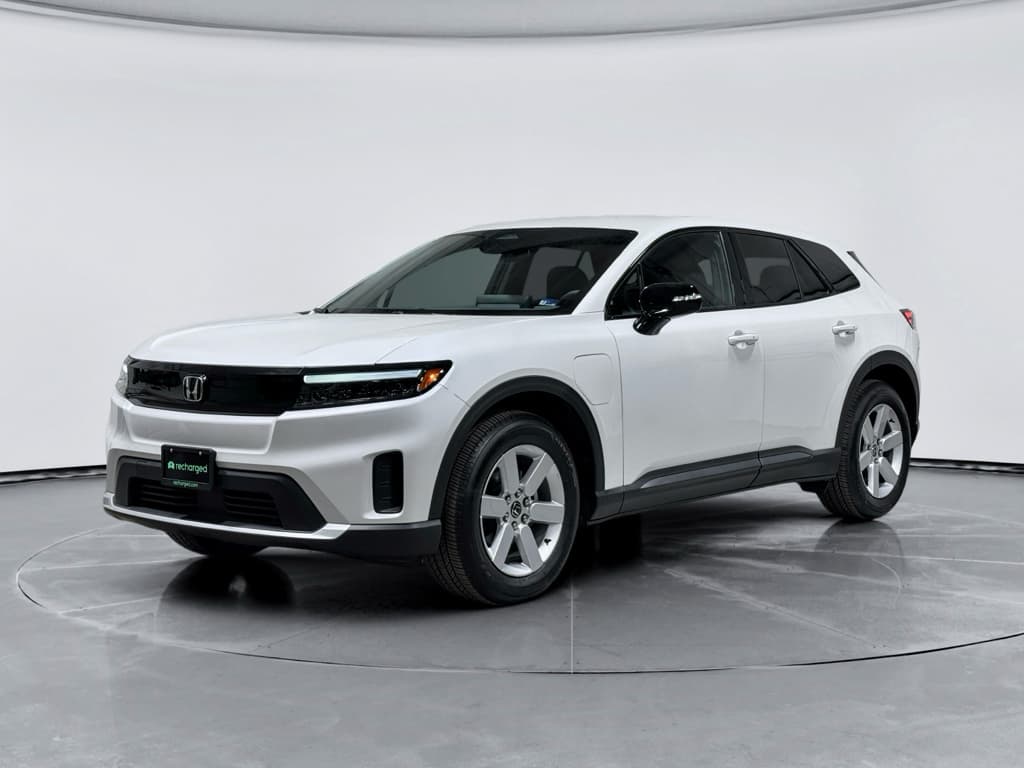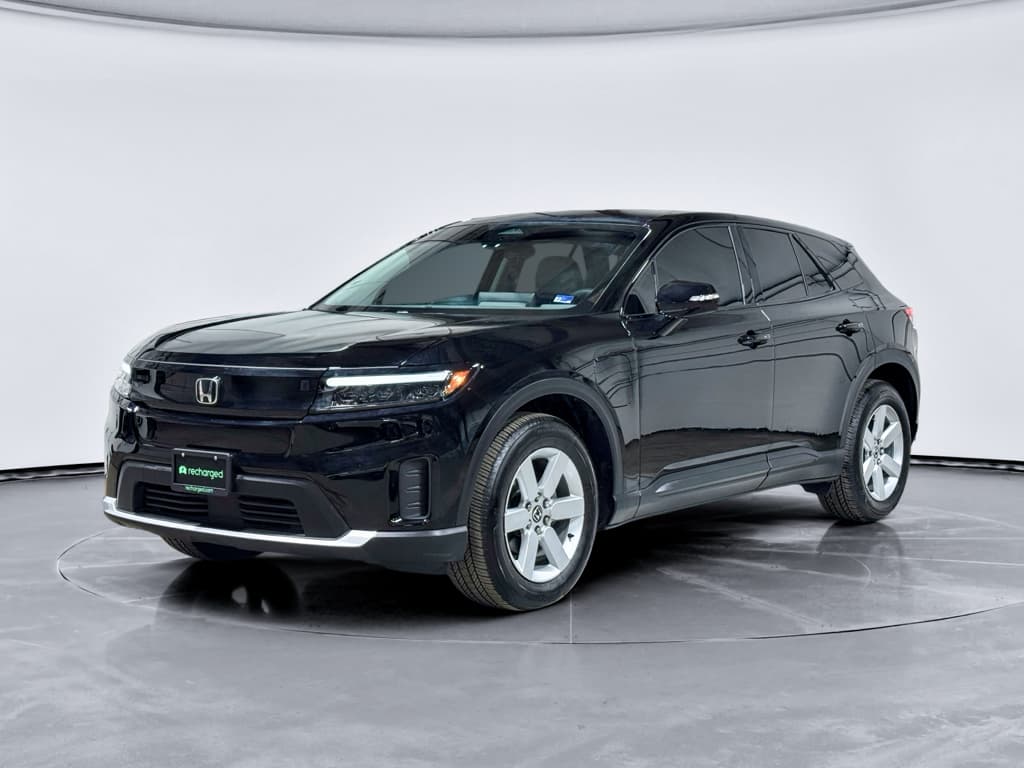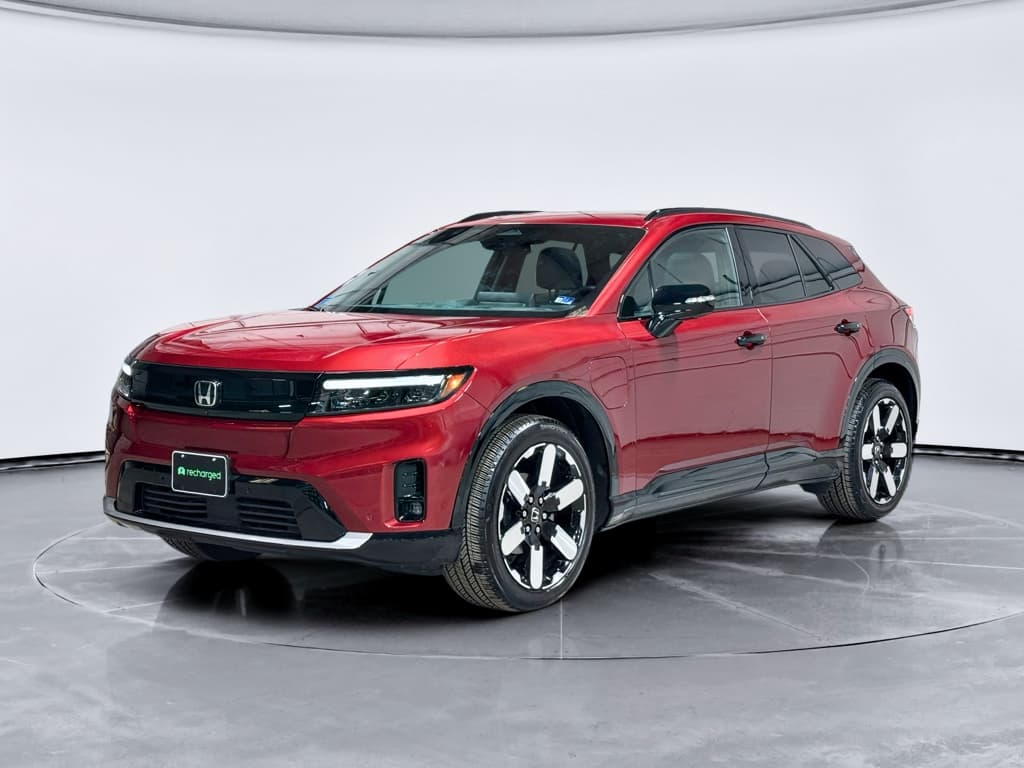
If you’re considering a Honda Prologue or already have one in the driveway, the big question isn’t just range, it’s charging cost per mile. In other words: how much does it actually cost to drive this electric SUV a mile compared with your current gas vehicle?
Quick answer
Honda Prologue efficiency basics
To understand charging cost per mile, you first need to know how efficiently the Prologue uses electricity. The key metric is kWh per 100 miles, how many kilowatt-hours of energy it uses to travel 100 miles.
Honda Prologue key efficiency numbers
Honda and EPA sources list the front‑wheel‑drive Prologue around the low‑30s kWh/100 miles, with some trims a bit more or less efficient. Many owners report seeing roughly 3.0–3.5 miles per kWh in real-world mixed driving, especially once the car has a few thousand miles on it. That’s the range we’ll use for our cost examples.
Convert efficiency both ways
How to calculate Honda Prologue charging cost per mile
The math is simple once you have two numbers: how much you pay per kilowatt-hour and how many miles you get from each kWh in your Prologue.
- Find your electricity rate: Check your utility bill or app for your price per kWh. The U.S. residential average in 2025–2026 is in the mid‑to‑high teens (about $0.16–$0.18 per kWh), but some states are far cheaper or more expensive.
- Estimate your efficiency: Use 3.0–3.5 miles per kWh as a realistic mixed‑driving range for a Honda Prologue, unless your own trip computer shows otherwise.
- Use the simple formula: Cost per mile = (Electricity price per kWh) ÷ (Miles per kWh).
- Optionally, convert to cost per 100 miles: multiply cost per mile by 100.
Example formula
Home charging: Honda Prologue cost per mile
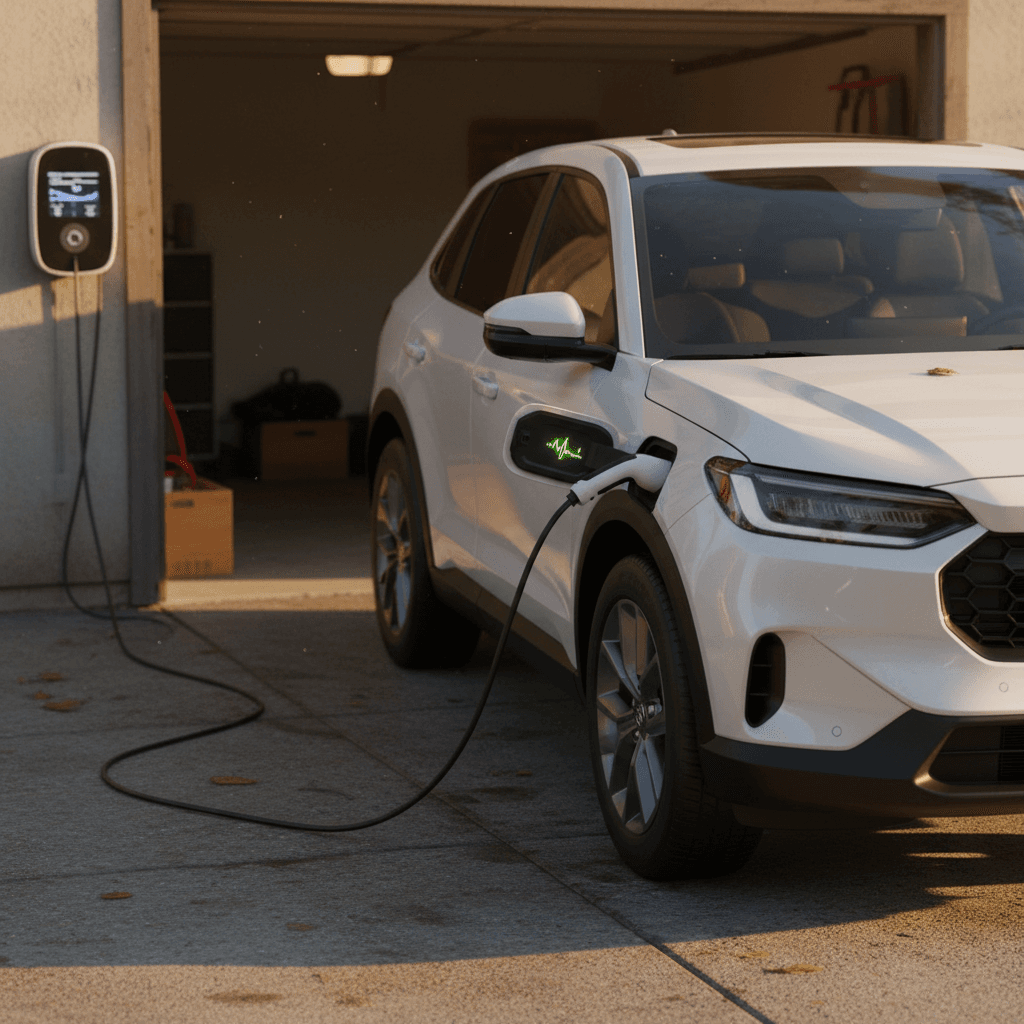
Home charging is where the Honda Prologue really shines on cost. Most U.S. households in 2025–2026 pay around $0.16–$0.18 per kWh on average, with some low‑cost states closer to $0.11 and high‑cost states (like parts of California or the Northeast) well above $0.25.
Honda Prologue home charging cost per mile
Three quick scenarios using realistic 2026 electricity prices
Lower‑cost power
Scenario: $0.12/kWh, 3.3 mi/kWh
- Cost per mile ≈ $0.04
- Cost per 100 miles ≈ $3.60
- Cost per 1,000 miles ≈ $36
Average U.S. home
Scenario: $0.17/kWh, 3.2 mi/kWh
- Cost per mile ≈ $0.05–$0.06
- Cost per 100 miles ≈ $5.30
- Cost per 1,000 miles ≈ $53
High‑cost power
Scenario: $0.27/kWh, 3.0 mi/kWh
- Cost per mile ≈ $0.09
- Cost per 100 miles ≈ $9.00
- Cost per 1,000 miles ≈ $90
Use off‑peak EV rates if available
Public DC fast charging cost per mile
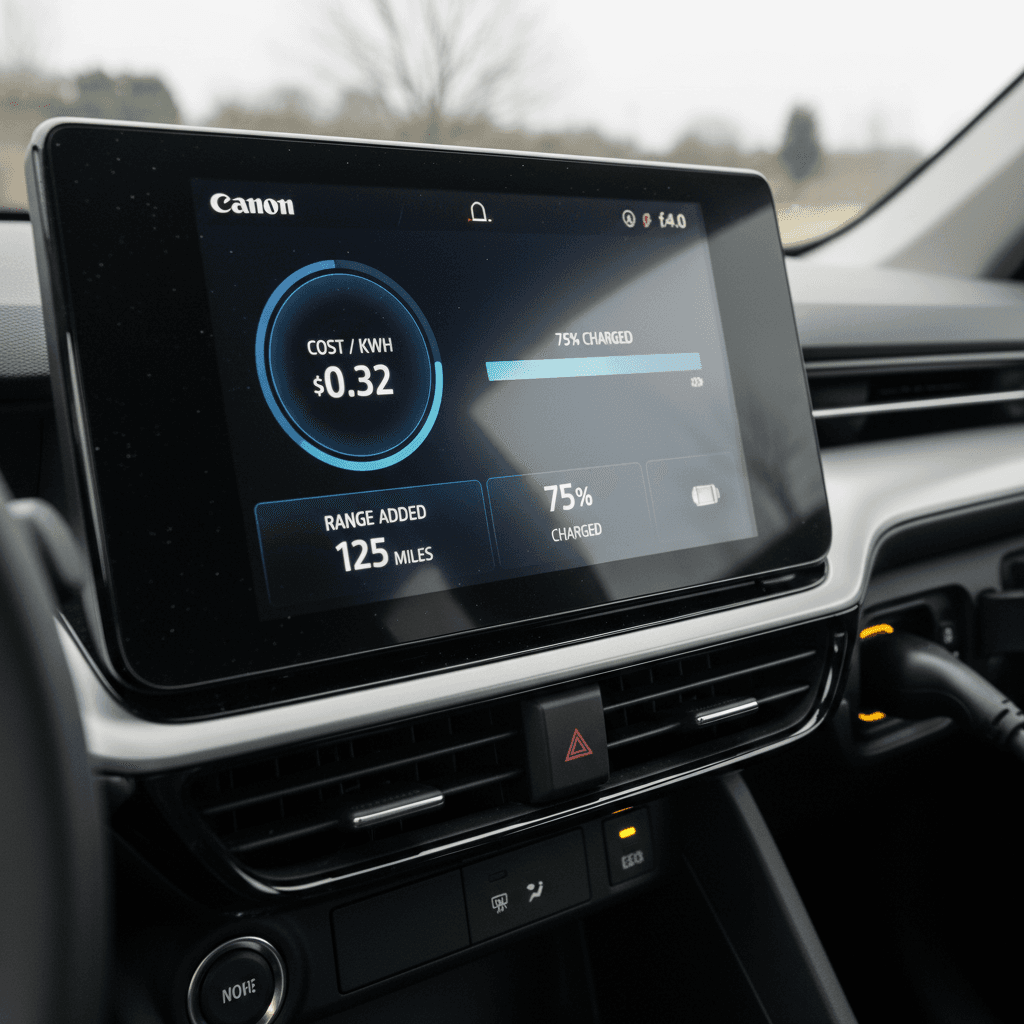
On road trips, you’ll lean on public DC fast chargers. The Honda Prologue can accept up to around 155 kW at peak on DC fast charging, so it can add meaningful range quickly, but the energy you buy this way usually costs more per kWh than at home.
Typical DC fast‑charging prices
- Many networks: $0.30–$0.45 per kWh session‑based pricing
- Some highway corridors or high‑demand areas: $0.50+ per kWh
- Membership discounts can shave a few cents off per kWh
Actual rates vary widely by network and state, so check your charging app before you plug in.
Cost per mile at DC fast chargers
- At $0.30/kWh and 3.0 mi/kWh: ≈ $0.10 per mile
- At $0.40/kWh and 3.2 mi/kWh: ≈ $0.12–$0.13 per mile
- At $0.55/kWh and 3.0 mi/kWh: ≈ $0.18 per mile
Even at higher DC prices, the Prologue is still competitive with many gas SUVs, but the cheap miles happen at home.
Don’t judge cost by one bad charger
What really changes your Honda Prologue cost per mile
Two Prologue owners can see very different cost‑per‑mile numbers on the same electricity rate. That’s because efficiency in any EV is highly sensitive to how, where, and when you drive.
Key factors that move your cost per mile up or down
1. Driving speed and style
High highway speeds and hard acceleration push efficiency down. Keeping the Prologue around 65–70 mph and using smooth inputs can easily bump you from 2.8 to 3.3+ mi/kWh.
2. Weather and climate control
Cold weather, snow, and heavy HVAC use all increase energy use. In winter, it’s normal to see your cost per mile jump 20–40% compared with mild weather.
3. City vs highway mix
Stop‑and‑go city driving with good use of regeneration can actually be efficient in many EVs. Long‑distance, high‑speed freeway runs are where consumption is usually highest.
4. Tire choice and pressure
Aggressive all‑terrain tires or under‑inflated tires raise rolling resistance. Stick with efficient tires and proper pressures if you care about keeping energy costs down.
5. Cargo, passengers, and roof racks
Extra weight and aerodynamic drag matter. A loaded roof box or bike rack at 75 mph can noticeably increase consumption and your cost per mile.
6. Charging behaviors
Relying mostly on DC fast charging costs more and may be tougher on the battery long‑term. Regular home Level 2 charging is cheaper and easier on the pack.
Good news for Prologue owners
Honda Prologue cost per mile vs a gas SUV
Comparing the Prologue’s electricity cost per mile to a gas SUV is where EV economics become very real. Let’s put numbers side by side using realistic 2026 prices.
Honda Prologue vs gas SUV: example cost per mile
Assumes 12,000 miles/year and national‑average energy prices in 2025–2026.
| Vehicle | Energy price | Efficiency | Energy per 100 miles | Cost per 100 miles | Cost per mile |
|---|---|---|---|---|---|
| Honda Prologue (home charging) | $0.17/kWh | 3.2 mi/kWh | 31 kWh | ≈ $5.30 | ≈ $0.053 |
| Honda Prologue (mixed, 75% home / 25% DC) | Blended | 3.1 mi/kWh | , | ≈ $6.50 | ≈ $0.065 |
| Gas midsize SUV (25 mpg) | $3.75/gal | 25 mpg | 4.0 gal | $15.00 | $0.15 |
| Gas compact SUV (30 mpg) | $3.75/gal | 30 mpg | 3.3 gal | ≈ $12.40 | ≈ $0.12 |
These are illustrative averages. Your local fuel and power prices will shift the numbers.
In this example, a Honda Prologue driver who mostly charges at home is spending roughly one‑third to one‑half as much per mile as a typical gas SUV owner. Over 12,000 miles a year, that’s often hundreds to more than a thousand dollars in annual fuel savings.
Think in total cost of ownership
Cutting costs further with a used Honda Prologue
If you’re cost‑conscious, a used Honda Prologue can push your cost per mile even lower, without giving up comfort or tech. The big lever you control is still electricity price and efficiency, but your total ownership cost drops when you avoid new‑car depreciation.
Ways a used Honda Prologue lowers your cost of ownership
Fuel savings plus lower upfront price can be a powerful combo
Smaller monthly payment
Known battery health
Transparent charging costs
EV‑savvy support
How Recharged can help
Honda Prologue charging cost per mile: FAQs
Frequently asked questions
Bottom line: what you’ll really pay per mile
When you boil down the numbers, a Honda Prologue charged primarily at home typically costs about 5–7 cents per mile to drive for most U.S. households in 2026. Even if you mix in some pricier public DC fast charging, it’s hard for a similar gas SUV to compete on energy cost per mile, especially as electricity‑only maintenance (no oil changes, fewer wear items) helps keep your total cost of ownership in check.
If you’re weighing a Prologue or another EV against your current gas car, run the numbers with your actual utility rate and your annual mileage. And if you’re looking at a used Honda Prologue, consider shopping with a trusted EV specialist like Recharged, where every car includes verified battery health, transparent pricing, and EV‑savvy guidance from first click to delivery.