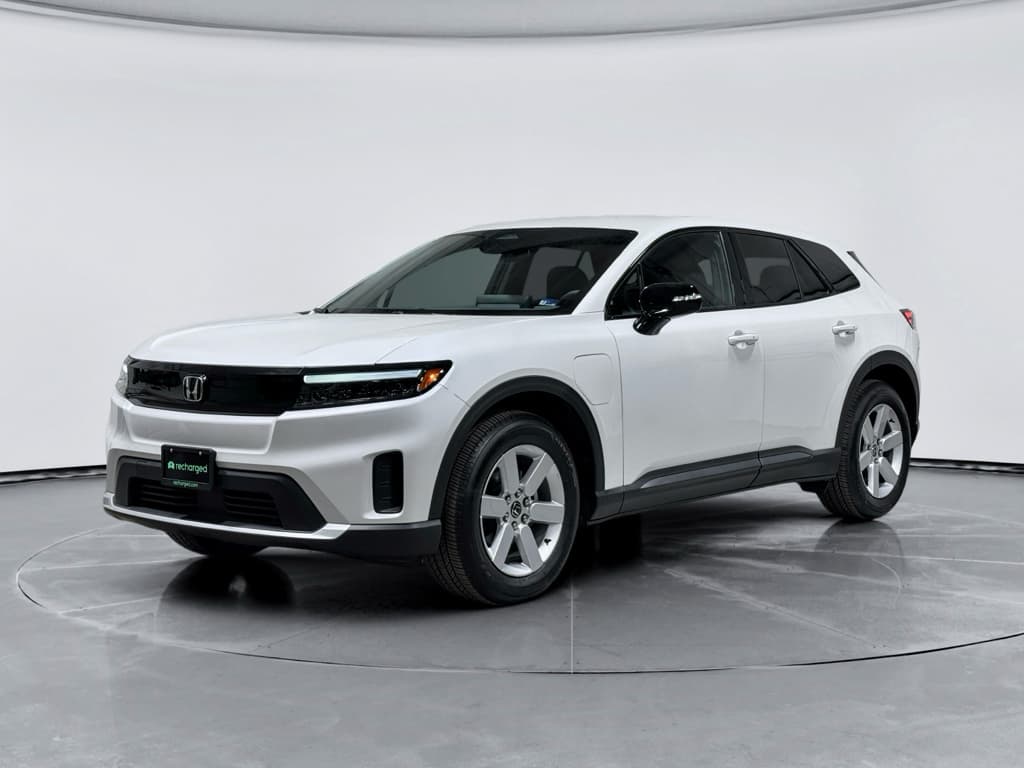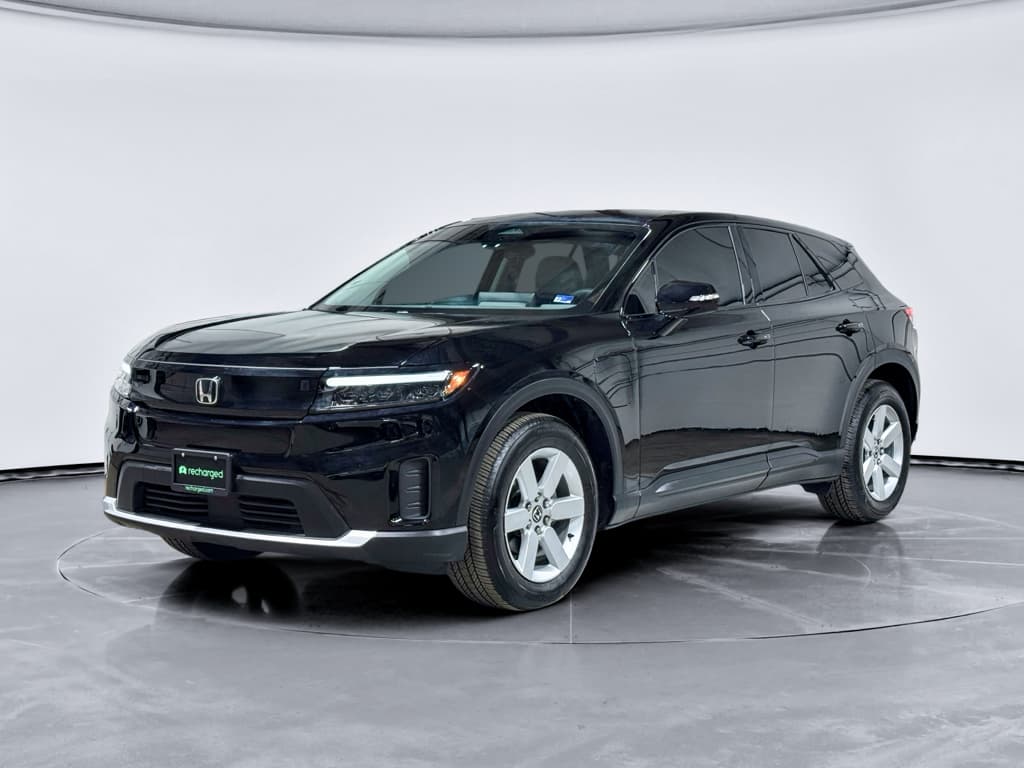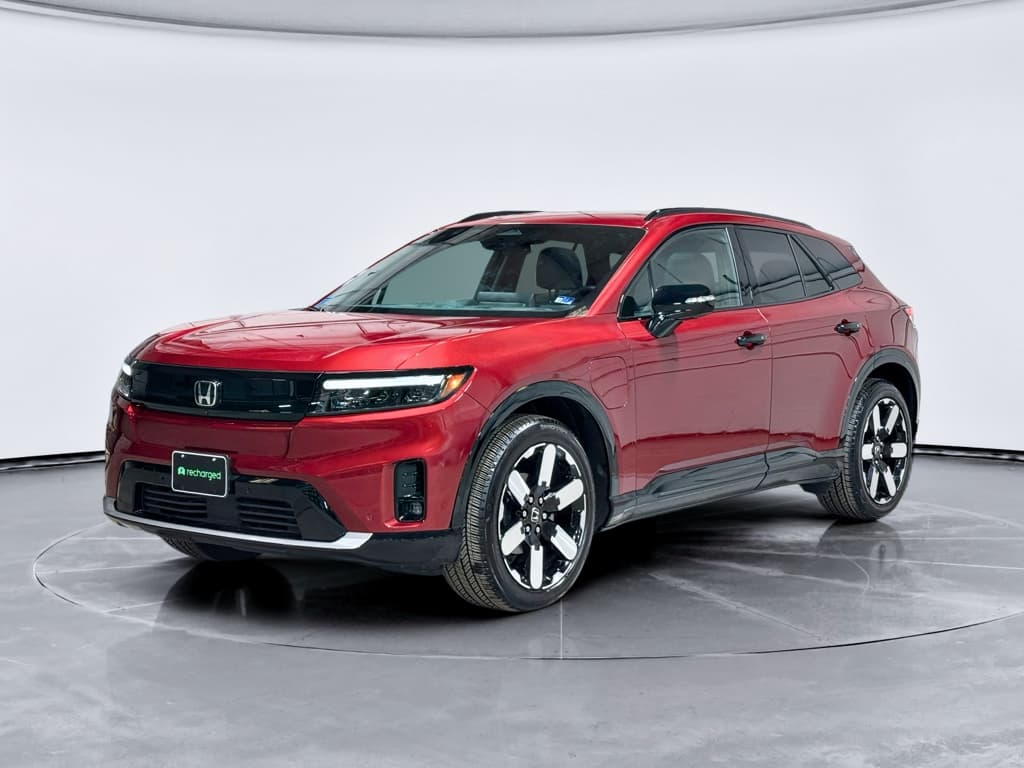
If you’re looking at a Honda Prologue, new or used, the **battery warranty details** should be front and center in your decision. The high‑voltage pack is the heart of the Prologue’s Ultium-based powertrain, and understanding how Honda stands behind it tells you a lot about long‑term cost and peace of mind.
Quick take
Honda Prologue Battery Warranty Overview
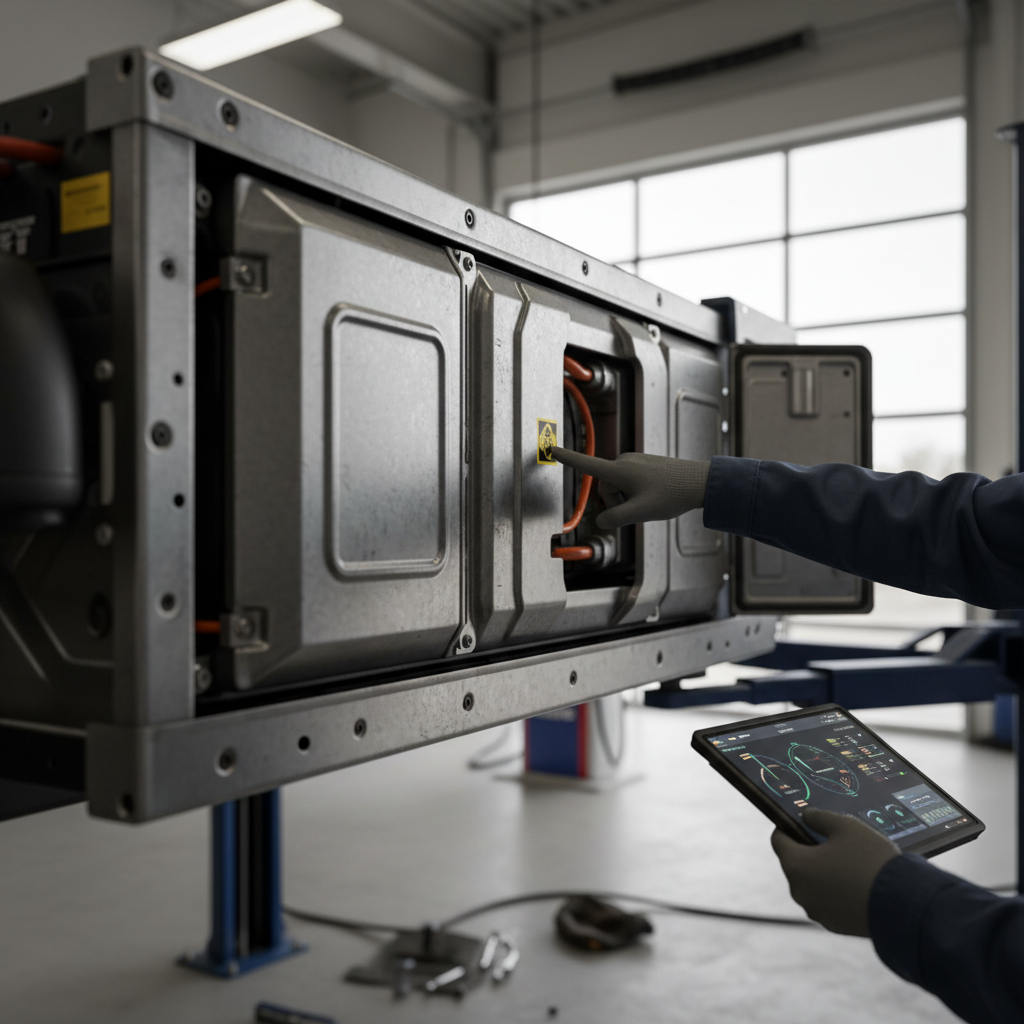
Honda applies its standard new‑vehicle coverage to the Prologue, then adds a dedicated **High‑Voltage Battery Limited Warranty**. According to Honda’s official warranty information for the Prologue, the battery pack is warranted for defects and **excessive degradation** for **8 years or 100,000 miles, whichever comes first**. During that period, if the battery’s usable capacity drops **below 75% of its original value**, as verified by an authorized Honda dealer, Honda will repair or replace the battery pack or modules at no cost to you.
- New Vehicle Limited Warranty: 3 years / 36,000 miles (bumper‑to‑bumper, including 12‑volt battery)
- Powertrain warranty: 5 years / 60,000 miles
- High‑Voltage Battery Limited Warranty: 8 years / 100,000 miles with 75% capacity threshold
- Rust‑perforation warranty: 5 years / unlimited miles
- Seat belt warranty: 15 years / 150,000 miles
Capacity vs. range
Core Battery Warranty Terms, By the Numbers
Honda Prologue Battery Warranty at a Glance
In practice, the Prologue’s battery warranty works the same way you’ve seen on other modern EVs: the pack is expected to lose some capacity over time, but if it drops below Honda’s 75% threshold **within 8 years or 100,000 miles**, that’s considered abnormal, and Honda will step in.
Honda Prologue Battery Warranty: Key Elements
How the Prologue’s high‑voltage battery warranty breaks down in plain language.
| Element | Coverage | What It Means for You |
|---|---|---|
| Duration | 8 years from in‑service date | Covers the original owner and subsequent owners until the 8‑year mark. |
| Mileage limit | 100,000 miles | Once the odometer passes 100,000 miles, battery warranty expires even if it’s under 8 years. |
| Capacity guarantee | 75% of original usable capacity | If verified capacity falls below 75% during the coverage window, Honda repairs or replaces the pack or modules. |
| Who’s covered | Original and subsequent owners | Battery warranty is typically fully transferable in the U.S. |
| Cost to owner | $0 for covered repairs | No deductible when the dealer and Honda approve the claim. |
Time, mileage, and capacity terms that define your coverage.
Prologue’s GM Ultium connection
What the Prologue Battery Warranty Actually Covers
The high‑voltage battery warranty is designed to protect you from **defects** and **unusual degradation**, not every possible drop in range. Honda’s language makes clear that **gradual capacity loss is expected and not covered**, up to a point. Here’s how that splits out.
Covered Battery Issues vs. Normal Wear
How Honda distinguishes warrantable problems from everyday aging.
Typically Covered
- Manufacturing defects in cells, modules, or pack assembly.
- Battery management system (BMS) faults that cause improper charging or discharging.
- Excessive degradation where usable capacity drops below 75% during the warranty period.
- Internal pack issues that trigger diagnostic trouble codes and reduced‑power warnings.
Generally Not Covered
- “Normal” capacity loss that doesn’t fall below 75% in 8 years/100,000 miles.
- Damage from accidents, flooding, or improper repairs.
- Abuse or misuse: using unapproved equipment or ignoring warning lights.
- Modifications to the high‑voltage system or software tuning.
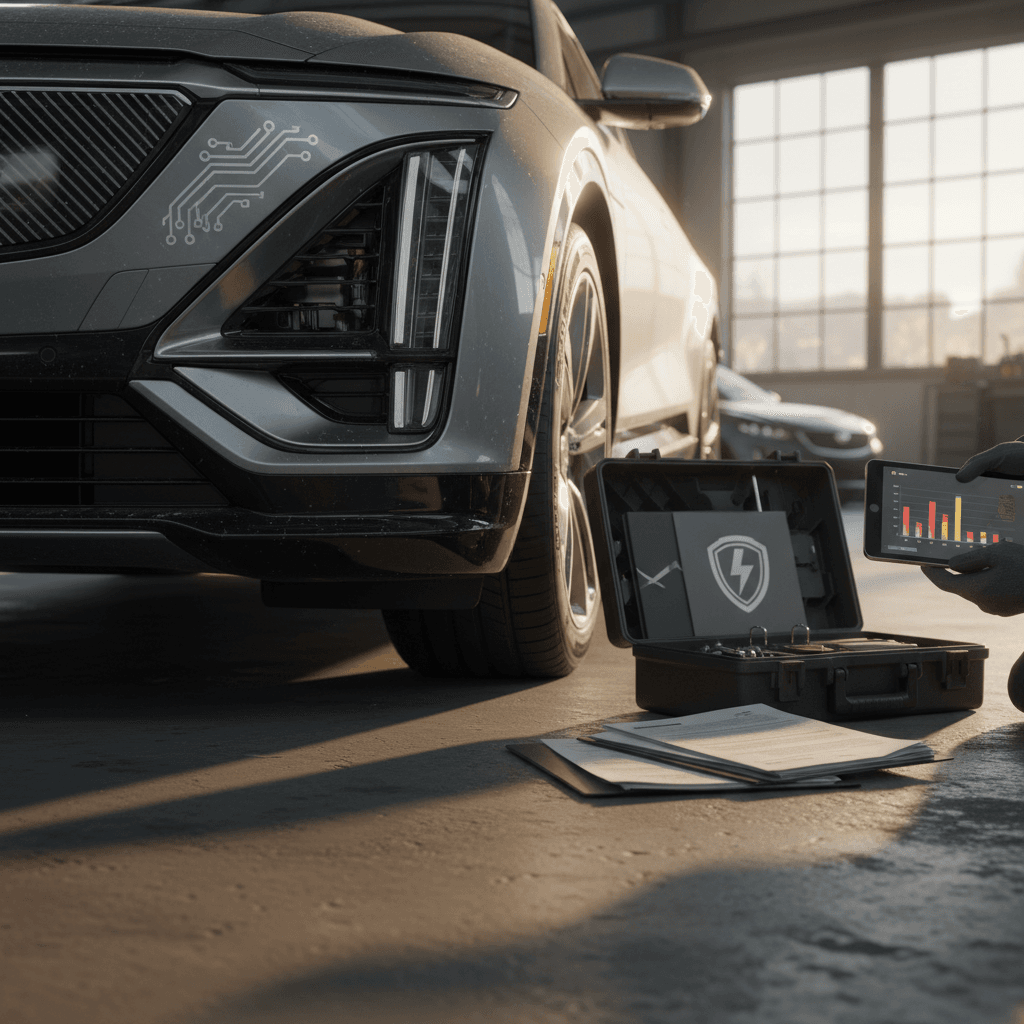
To evaluate a claim, a Honda dealer connects the Prologue to factory diagnostic tools to measure **actual usable capacity**, not just the dash‑displayed range. If the tests show the battery has dropped under that 75% threshold during the warranty period, and there’s no sign of abuse or external damage, Honda authorizes repair or replacement.
Transferable coverage helps used buyers
What ISN’T Covered: Normal Wear and Owner Mistakes
Every EV battery warranty has a “fine print” section, and the Prologue is no exception. Honda is clear that it does **not** cover **normal** capacity loss above the 75% threshold, and it can deny coverage if damage is linked to misuse or improper repairs.
- Normal, gradual battery degradation that still leaves more than 75% of original capacity within 8 years/100,000 miles.
- Range loss due to weather (especially cold winters or very hot summers), driving style, or heavy accessory use.
- Damage from collisions, submersion in water, or other accidents.
- Tampering with the high‑voltage system, aftermarket tuning, or non‑approved repairs.
- Improper use of charging equipment, or using gear that doesn’t meet safety standards.
- Failure to follow key maintenance or inspection guidance in the owner’s manual.
Why “abuse” matters
Honda vs. Competitors: How Prologue Stacks Up
From a warranty standpoint, the Honda Prologue doesn’t try to win a spec‑sheet arms race. Instead, it lands squarely in today’s **mainstream EV average**: 8 years, 100,000 miles, and a mid‑pack capacity threshold.
Prologue Battery Warranty vs. Key Rivals
How the Honda Prologue’s battery warranty compares to other popular electric SUVs in early 2026.
| Model | Battery Warranty | Capacity Guarantee | Notable Notes |
|---|---|---|---|
| Honda Prologue | 8 yrs / 100,000 mi | 75% | Ultium‑based pack, capacity floor slightly higher than some rivals. |
| Chevy Blazer EV (Ultium) | 8 yrs / 100,000 mi | ~70%–75% | Similar Ultium hardware and coverage philosophy. |
| Hyundai IONIQ 5 | 10 yrs / 100,000 mi | 70% | Longer time window, same mileage; strong marketing around battery longevity. |
| Kia EV6 | 10 yrs / 100,000 mi | 70% | Often marketed as “lifetime” for original owner, but capacity rules still apply. |
| VW ID.4 | 8 yrs / 100,000 mi | 70% | Standard European‑style battery warranty. |
All values U.S. market, typical trims.
Bottom line on competitiveness
Real‑World Battery Life: What Prologue Owners Can Expect
The good news for EV shoppers is that across the industry, high‑voltage battery packs have been holding up **better than early skeptics predicted**. Large independent datasets from fleets suggest that modern liquid‑cooled packs often lose capacity slowly and rarely need full replacement under warranty, usually **well under 2% claim rates** even at high mileage.
The Prologue’s 85‑kWh Ultium pack fits that pattern. It’s liquid‑cooled, uses a modern battery management system, and is designed for module‑level repairs if needed. In normal use, daily commuting, occasional fast charging, and climate that isn’t extremely hot or cold year‑round, you’re likely to see **some** capacity drop in the first few years, followed by a slower decline. That’s by design, not necessarily a red flag.
Cold weather vs. actual degradation
If You’re Buying a Used Honda Prologue
A used Prologue can be a smart buy precisely because of the remaining battery warranty. But you’ll want more than a sales pitch, you need **hard data** on pack health, service history, and how the vehicle was used.
Used Prologue Battery & Warranty Checklist
1. Confirm in‑service date and mileage
The 8‑year clock starts when the Prologue was **first sold or leased**, not when you buy it. Ask for documentation so you know exactly how much warranty time and mileage is left.
2. Verify warranty status by VIN
Run the VIN through Honda’s online warranty/recall tools or ask a dealer to confirm that the high‑voltage battery warranty is still active and that any recalls or software updates are complete.
3. Get an objective battery health report
Don’t guess from the dash. At Recharged, every EV gets a <strong>Recharged Score Report</strong> with battery health diagnostics so you can see how the pack is performing versus comparable vehicles.
4. Review charging and service history
Look for signs of abuse or neglect, ignored warning lights, accident damage, or repeated deep discharges. These can influence both real‑world battery health and future warranty decisions.
5. Inspect for physical damage
A visual inspection under the vehicle can reveal impacts or corrosion around the pack enclosure. Any prior flood or severe underbody damage is a major red flag.
6. Compare range to EPA estimates
On a full charge in mild weather, a healthy Prologue should be in the ballpark of its EPA range. A major, unexplained gap is worth investigating before you sign.
How Recharged helps used Prologue buyers
Ready to find your next EV?
Browse Vehicles
Protecting Your Battery, and Your Warranty
The single best way to get the most from your Prologue battery, and minimize the odds of a warranty dispute, is to drive and charge in ways that keep the pack within its comfort zone. The good news: that doesn’t mean babying the car. It just means avoiding extremes.
Smart Habits to Extend Prologue Battery Life
Simple changes that keep you well above the 75% capacity line.
Prioritize Level 2 charging
Use home or workplace Level 2 charging for most top‑ups.
- Fast enough for overnight.
- Gentler on the pack than constant DC fast charging.
Avoid daily 0–100% swings
It’s fine to charge to 100% for a trip, but for day‑to‑day driving:
- Try to stay roughly between 10% and 80%.
- Frequent deep discharges are harder on any lithium‑ion pack.
Manage heat and cold
Whenever you can:
- Park in shade or a garage.
- Use pre‑conditioning while plugged in.
- Expect temporary winter range loss without assuming a bad battery.
Be smart with fast charging
Keep service records tidy
If you ever need to make a battery warranty claim, clear documentation works in your favor. Keep:
- All dealer service invoices.
- Proof of software updates and recalls being completed.
- Notes on any unusual battery behavior and when it occurred.
Use approved equipment
Stick to chargers and adapters that meet Honda’s and industry safety standards. If you’re installing home charging, use a licensed electrician and follow local code, your warranty and your safety are both on the line.
FAQ: Honda Prologue Battery Warranty
Frequently Asked Questions About the Prologue’s Battery Warranty
The Honda Prologue’s battery warranty won’t win every headline comparison, but it lands right where savvy EV shoppers want it: **8 years, 100,000 miles, and a clear 75% capacity floor**. That’s enough coverage to carry most drivers well into the second owner’s tenure, and it gives you a safety net against the rare but expensive battery‑pack failure. Whether you’re eyeing a new Prologue or hunting for a used example, combine that factory warranty with solid diagnostics and smart charging habits, and you can enjoy Ultium‑powered driving without constantly worrying about what’s happening under the floor.