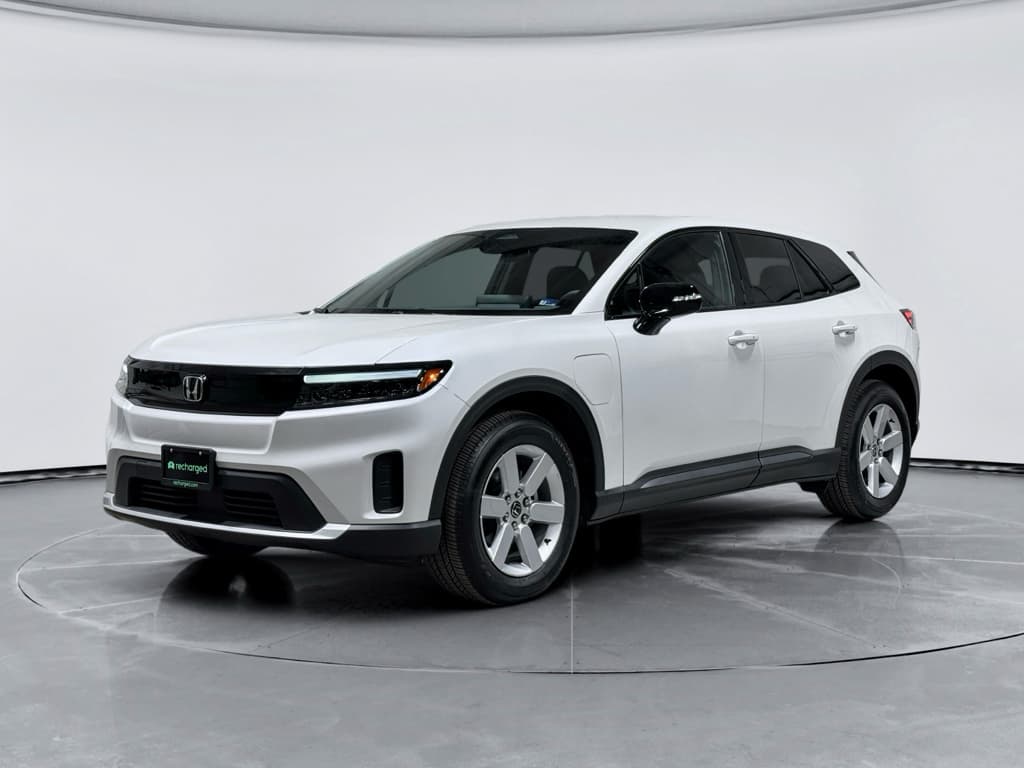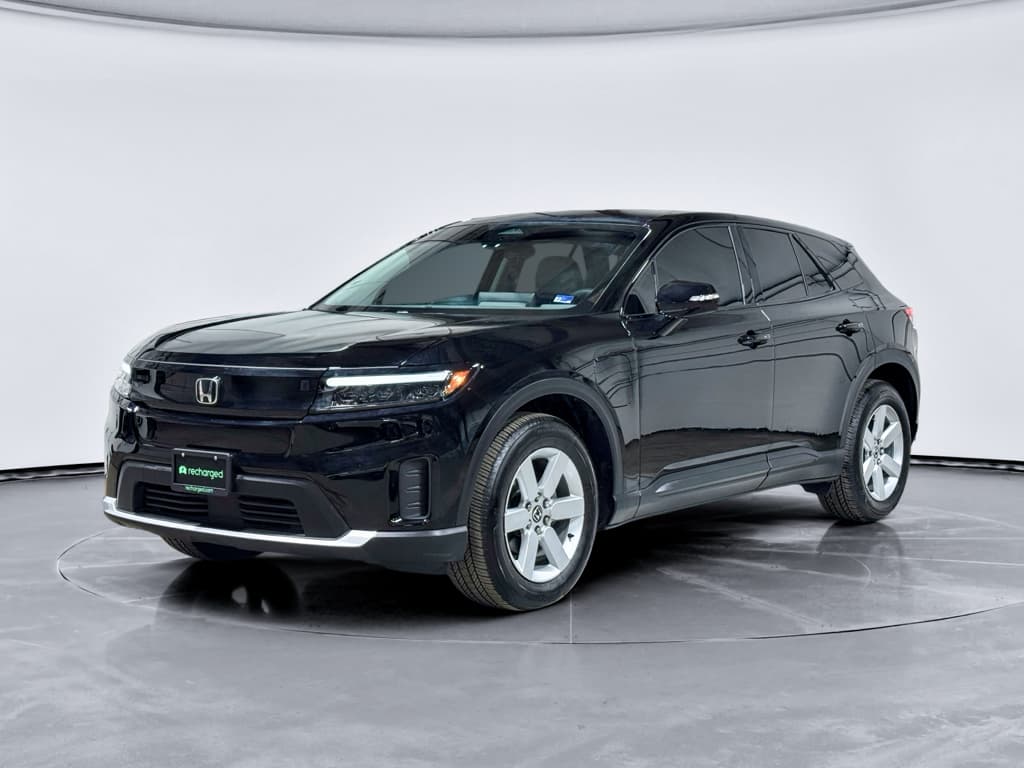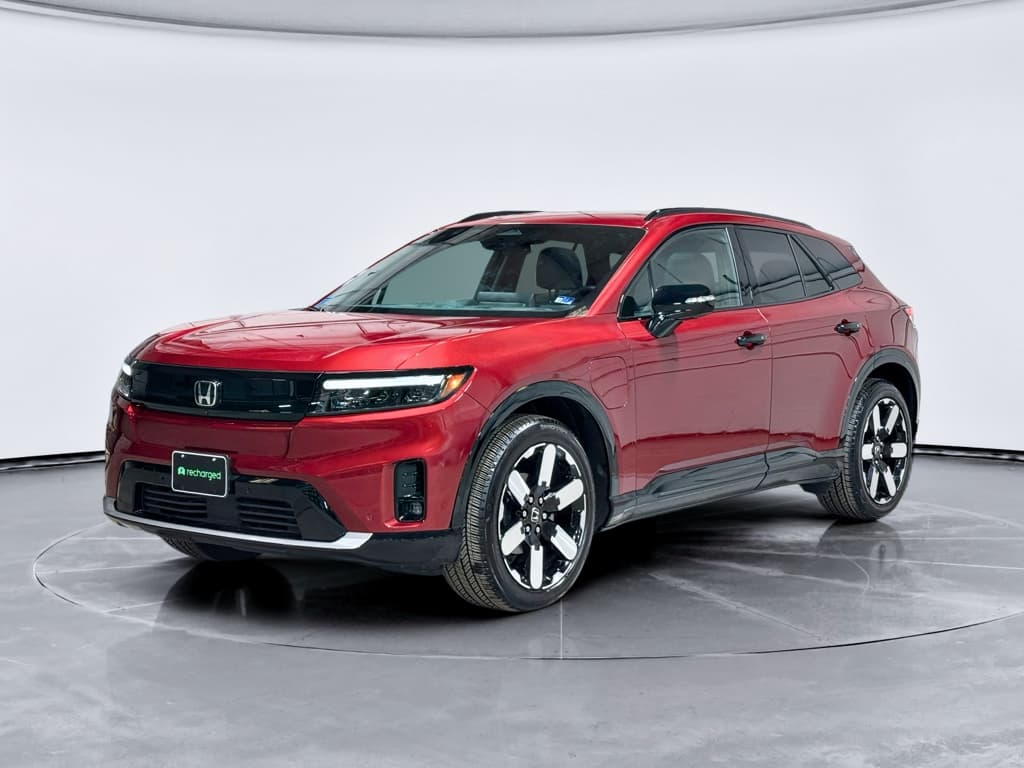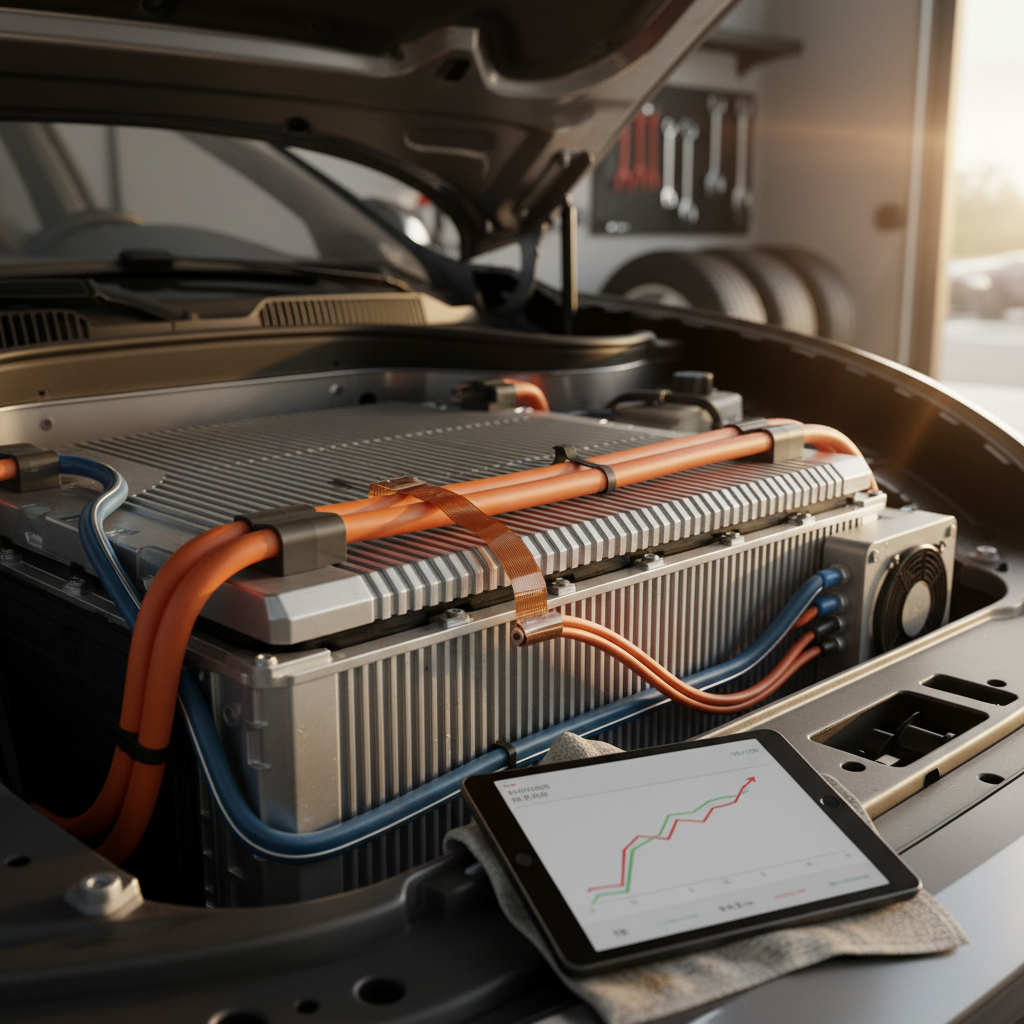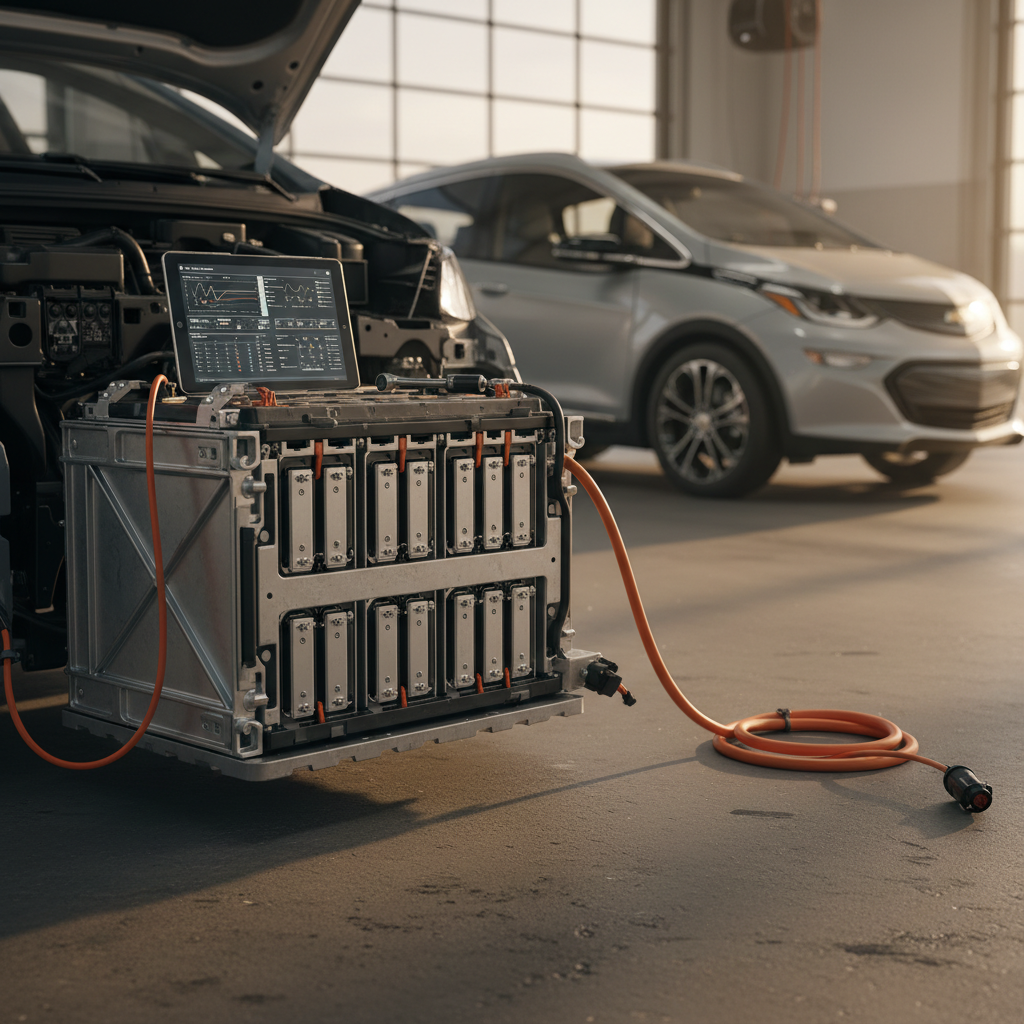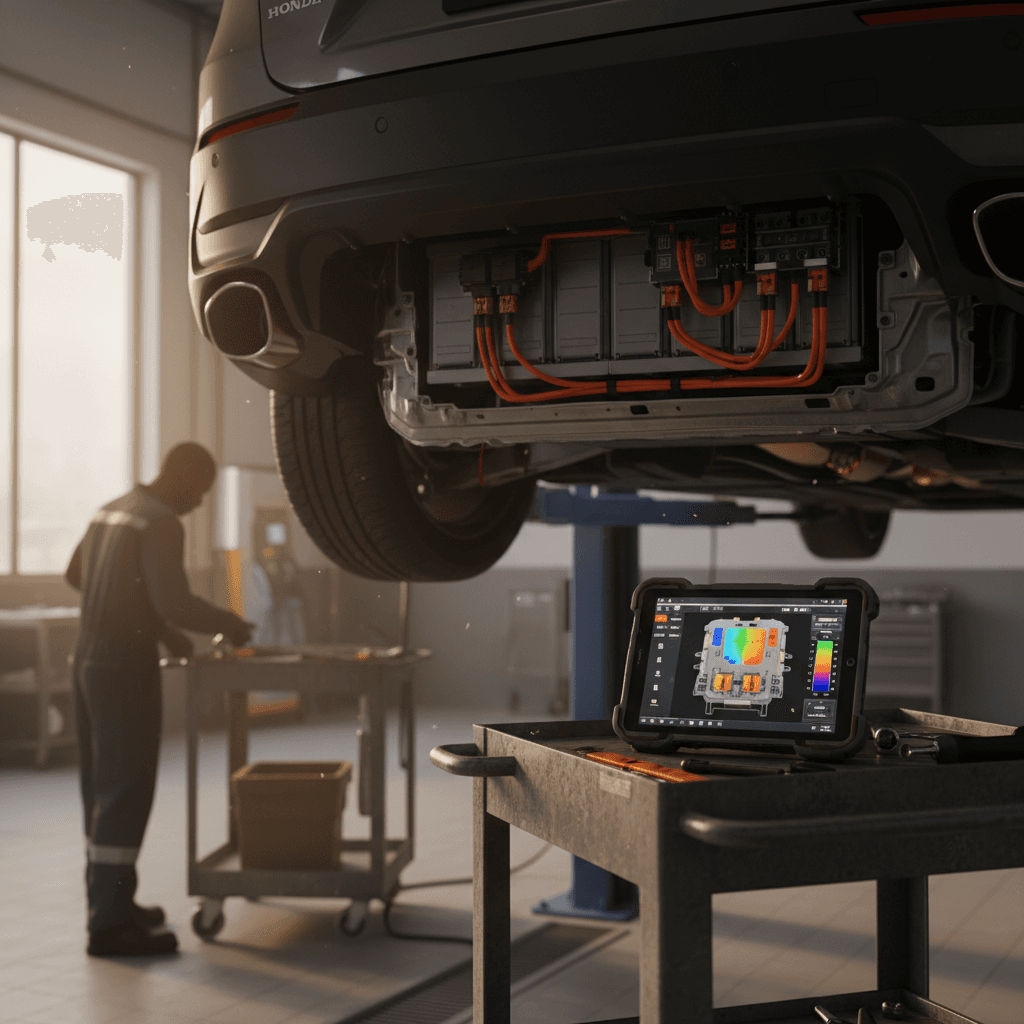
The Honda Prologue is built on GM’s Ultium platform and carries a big promise in its floor: an 85 kWh battery, nearly 300 miles of EPA range, and an 8‑year/100,000‑mile battery warranty. That promise only holds if you treat the pack well. This Honda Prologue battery health guide walks you through how the Ultium battery works, what really causes degradation, and the practical charging, driving, and storage habits that keep your range strong, whether you just took delivery or you’re shopping for a used Prologue.
Battery health in one sentence
Why battery health matters on the Honda Prologue
On a gas SUV, aging shows up as rattles and a soft transmission. On the Honda Prologue, the drama is quieter: loss of usable range. A tired battery means more charging stops, a smaller radius for weekend trips, and a real impact on resale value. Because the pack is the single most expensive component in the car, even modest differences in state of health (SoH) can move the market price thousands of dollars in either direction.
- Range loss is usually gradual, not a sudden cliff.
- You’ll feel it first on cold days and highway trips, where the buffer shrinks.
- Buyers and lenders are becoming battery‑savvy and will pay more for documented health.
- Honda’s warranty protects you from severe degradation, but not from every lost mile of range.
Think in miles, not percentage
Honda Prologue battery basics: specs, range, warranty
Honda Prologue Ultium battery at a glance
Every Prologue sold in the U.S. uses the same 85 kWh liquid‑cooled Ultium battery pack. EPA range lands roughly in the mid‑ to high‑200‑mile zone depending on drivetrain: FWD trims with smaller wheels stretch the farthest, while AWD on big wheels pays a penalty. Honda pairs this with a battery warranty that covers defects and excessive degradation for 8 years or 100,000 miles, usually with a capacity floor around 70–75% of the original rating written into the fine print.
Warranty is not a range guarantee
What actually degrades a Prologue battery
The Ultium pack under your Prologue is both robust and mortal. It lives in the same world as every other modern EV battery: chemistry, temperature, and time. Degradation is a slow dance of cycle aging (how often you charge and discharge) and calendar aging (what the pack endures just sitting there). The big villains are well‑known and, crucially, under your control most of the time.
Four main stressors on Honda Prologue battery health
Tame these, and the Ultium pack will likely outlast your loan.
High state of charge + heat
Keeping the battery near 100% in hot conditions is the fastest way to age any lithium‑ion pack.
- Avoid parking at 90–100% in the sun for long periods.
- Think of 100% as a departure setting, not a lifestyle.
Frequent DC fast charging
DC fast charging (150 kW) is great for road trips, but it heats the pack and adds stress.
- Use DC fast only when you need it.
- Try to unplug by ~80% on road trips.
Aggressive driving at low charge
Repeated hard acceleration when the pack is near empty forces high current through low‑voltage cells.
- Avoid running below ~10% as a habit.
- Use Sport mode as spice, not a food group.
Time at extremes
Leaving the car parked for weeks at very high or very low charge is rough on cell chemistry.
- Long‑term storage is happiest around 40–60%.
- Let the car sleep in that middle band.
Ultium packs age like other modern EV packs
Daily charging habits to keep your battery healthy
Your daily charging routine is the single biggest lever you have on Honda Prologue battery health. The good news: you don’t need to live like a lab tech. A few simple settings in the infotainment system, and a bit of restraint, do most of the heavy lifting.
An ideal daily charging routine for Honda Prologue owners
1. Set a daily charge limit around 70–80%
In the Prologue’s charging settings, choose a target below 100% for everyday use. This gives you plenty of usable range while keeping voltage stress on the pack lower. Save 100% charges for road‑trip mornings.
2. Charge more often, by a smaller amount
Instead of deep 10–100% cycles, plug in when you’re around 30–40% and top up to your daily limit. Shallower cycles are kinder to the battery and often more convenient for your schedule.
3. Prefer Level 2 home charging over DC fast
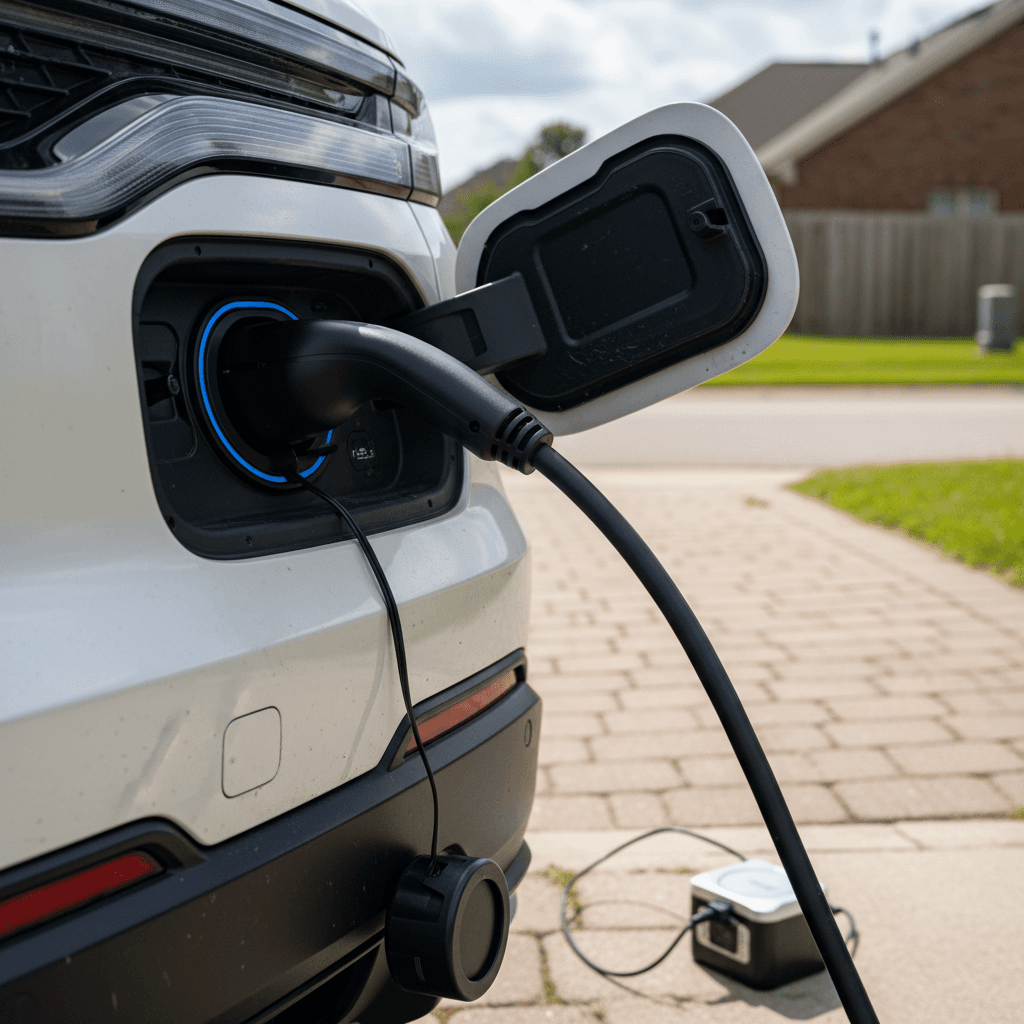
A 240V Level 2 charger at home or work delivers steady, moderate power, exactly what batteries like. Reserve DC fast charging for trips or genuine emergencies, not because you left with 25% for no good reason.
4. Schedule charging to finish before departure
If your utility offers cheaper off‑peak rates, set the car to start charging overnight and finish close to your morning departure. That way the pack doesn’t sit at a high state of charge for hours while you sleep.
5. Avoid habitually arriving home nearly empty
Coming home at 5–10% once in a while is fine. Doing it every day, especially in cold or hot weather, means the cells spend a lot of time at their least comfortable voltage. Give yourself a bigger buffer when possible.
6. Let the car manage preconditioning
In extreme heat or cold, use scheduled preconditioning while plugged in. The Prologue can condition the pack for better performance and longevity while drawing power from the wall instead of from the battery.
Choosing the right home charger
Road trips, DC fast charging, and battery wear
The Prologue is positioned as a road‑trip‑ready electric SUV, and its DC fast charging performance lives up to the brochure: peaks around 150 kW and the ability to add dozens of miles in a coffee stop. Used properly, fast charging won’t murder your battery; abused, it will age it noticeably faster.
How to fast charge smart on trips
- Arrive low, leave mid: Plan legs so you arrive with ~10–20% and leave around 70–80%. This is where charge rates are fastest.
- Watch the taper: Past ~70–80%, the car slows charging to protect the pack. That last 20% can take as long as the first 50%.
- Limit back‑to‑back sessions: Several fast charges in one blazing‑hot day is harder on the battery. Build slightly longer legs or use a slower stop when convenient.
When fast charging becomes a problem
- Using DC fast several times a week for local driving.
- Regularly charging from 5% to 100% on DC for convenience.
- Fast charging and then parking at 100% for hours in hot weather.
If this sounds like your routine, expect more noticeable degradation by year five than a similar Prologue that lives mostly on Level 2.
Heat is the hidden enemy on road trips
Driving style, climate, and range preservation
How you drive your Honda Prologue won’t instantly wreck or save the battery, but over years it shapes both perceived range and actual degradation. Two identical Prologues, one in Phoenix, one in Portland, will age differently even with similar mileage. You can’t move states for your battery, but you can work with the climate you’ve got.
Driving and climate tips that help your Prologue battery
Some of this is chemistry, some is common sense.
Moderate highway speeds
Above ~70 mph, aerodynamic drag eats range and forces the pack to deliver more power.
- Set the cruise a few mph lower on long drives.
- Use Eco mode when you’re not in a hurry.
Respect winter physics
Cold doesn’t permanently damage the battery, but it temporarily slashes range.
- Preheat while plugged in.
- Expect 15–30% less range on the coldest days.
Avoid baking the pack
In hot climates, interior shade equals battery shade.
- Use covered parking or a simple windshield shade.
- Don’t leave the car sitting at 100% in a heatwave.
Efficiency vs. degradation
Long-term storage and seasonal use
Maybe the Prologue is a second car at a vacation home, or your life involves long work trips where it sits. Batteries hate two things in storage: being very full, and being very empty. The Ultium pack has buffers and protections, but it can’t change the basic rules.
Best practices for storing a Honda Prologue
1. Park around 40–60% state of charge
Before leaving the car for more than a week or two, charge or discharge it into the middle of the battery gauge, roughly the halfway mark. That’s where lithium‑ion chemistry is most relaxed.
2. Don’t leave it unplugged near empty
If you park at 5–10% and walk away for weeks, you risk the pack drifting into very low voltages as the car’s background systems sip power. At best, you’ll return to a deeply discharged battery; at worst, you’re testing the edges of the warranty.
3. If you can, leave it plugged in on a limit
Many owners set a 60% or 70% limit and leave the car plugged in for long absences. The Prologue will top itself up as needed without constantly cycling the pack.
4. Avoid baking‑hot storage
If you live in a hot climate, choose a shaded or indoor spot when possible. A closed garage that turns into an oven every afternoon isn’t ideal; ventilation and shade go a long way.
Good storage = invisible aging
How to check Honda Prologue battery health
Here’s the annoying truth: Honda, like most automakers, doesn’t put a big, friendly “battery health: 92%” gauge on the screen. Instead, you have to infer or measure health from a few different angles. That’s especially important if you’re considering a used Honda Prologue, where the odometer only tells half the story.
Ways to assess Honda Prologue battery health
From owner‑level checks to professional diagnostics.
| Method | Who can do it | What you learn | Best use case |
|---|---|---|---|
| Live range vs. EPA | Any owner | Rough sense of usable capacity from real‑world range at moderate speeds. | Ongoing self‑check over months of ownership. |
| Onboard energy stats | Any owner | Average consumption (mi/kWh) and how far you go on a given % swing. | Spotting changes in efficiency vs. capacity. |
| Dealer diagnostic | Honda dealer | Battery state of health, fault codes, warranty eligibility. | Before warranty claims or when you notice major changes. |
| Third‑party health report | Specialist services like Recharged | Independent pack capacity estimate and condition summary. | Buying or selling a used Honda Prologue. |
No single test tells the whole story; look for consistency across several of these checks.
Use consistent test conditions
At Recharged, every used EV, including the Honda Prologue, comes with a Recharged Score battery health report. That means you’re not guessing at pack condition from a test drive and a salesman’s shrug; you’re looking at a verified snapshot of real capacity, so you can compare one Prologue to another with something more objective than “feels fine.”
Buying a used Honda Prologue: battery questions to ask
If you’re shopping the used market, the Honda Prologue’s battery should be front and center in your due‑diligence. A two‑year‑old Prologue with 40,000 miles can be an incredible value, unless those miles are all ride‑hail duty on DC fast chargers. Ask questions that smoke out how the pack has really lived.
Used Honda Prologue battery checklist
1. Ask about daily charging habits
“Where did you usually charge, and to what percentage?” Answers like “home Level 2 to 70–80%” are ideal. A heavy diet of DC fast or habitual 100% charges for years should lower your offer.
2. Look at mileage and climate
A 60,000‑mile Prologue from a cool coastal town may be healthier than a 30,000‑mile car from a very hot, landlocked city. Don’t ignore geography when thinking about battery health.
3. Request service and warranty history
Ask for records of any high‑voltage system work, warning messages, or battery‑related warranty claims. A properly resolved issue with documentation isn’t a deal‑breaker; a pattern of mystery faults is.
4. Compare indicated range to EPA figures
On a full charge, does the indicated range look broadly in line with the original EPA number, once you adjust for weather and driving history? A modest drop is normal; a dramatic shortfall deserves follow‑up questions.
5. Get a third‑party battery health report
Whenever possible, back up the story with data. A Recharged Score report, for example, gives you a quantified estimate of pack health so you’re not buying blind.
Battery health is resale value
When to worry: warranty claims and red flags
Not every wonky range reading means your Honda Prologue’s battery is dying. Software estimates can drift, weather can swing, and tires can steal miles quietly. But there are patterns that should make you pay attention, especially while you’re still inside that 8‑year/100,000‑mile window.
- Sudden, large losses of displayed range that don’t track with weather or driving style.
- Frequent high‑voltage or battery‑system warning messages, especially under light use.
- The car shutting down or refusing to start at moderate indicated charge levels.
- Fast‑charge sessions that never go above very low power, even at ideal state of charge.
- Dealer diagnostics showing state of health near or below the warranty threshold.
Don’t DIY serious battery issues
If a dealer report shows SoH below Honda’s capacity floor while you’re still within 8 years/100,000 miles, you may be eligible for repair or replacement under warranty. Keep detailed notes, and don’t be shy about escalating politely if you’re getting vague answers to specific questions.
Honda Prologue battery health FAQ
Honda Prologue battery health: frequently asked questions
Key takeaways to keep your Prologue battery strong
- Use a 70–80% daily charge limit and save 100% for trip days.
- Live on Level 2 charging; treat DC fast as a road‑trip tool, not a lifestyle.
- Avoid leaving the car parked for long periods at very high or very low state of charge.
- Work with your climate: shade and preconditioning in heat, plug‑in preheat in cold.
- Track real‑world range over time so you notice genuine changes, not just weather swings.
- If you’re buying used, insist on a battery health report, data beats vibes every time.
The Honda Prologue’s Ultium battery is not a fragile orchid; it’s an industrial‑grade energy pack designed to haul families and gear for a decade or more. Treat it with a little respect, reasonable charge limits, mostly Level 2 charging, and some basic storage sense, and it should return the favor with steady range and strong resale value. And if you’re stepping into the used market, let Recharged do the worrying for you: every Prologue we sell includes a Recharged Score battery health report, transparent pricing, and EV‑savvy guidance from first click to delivery.