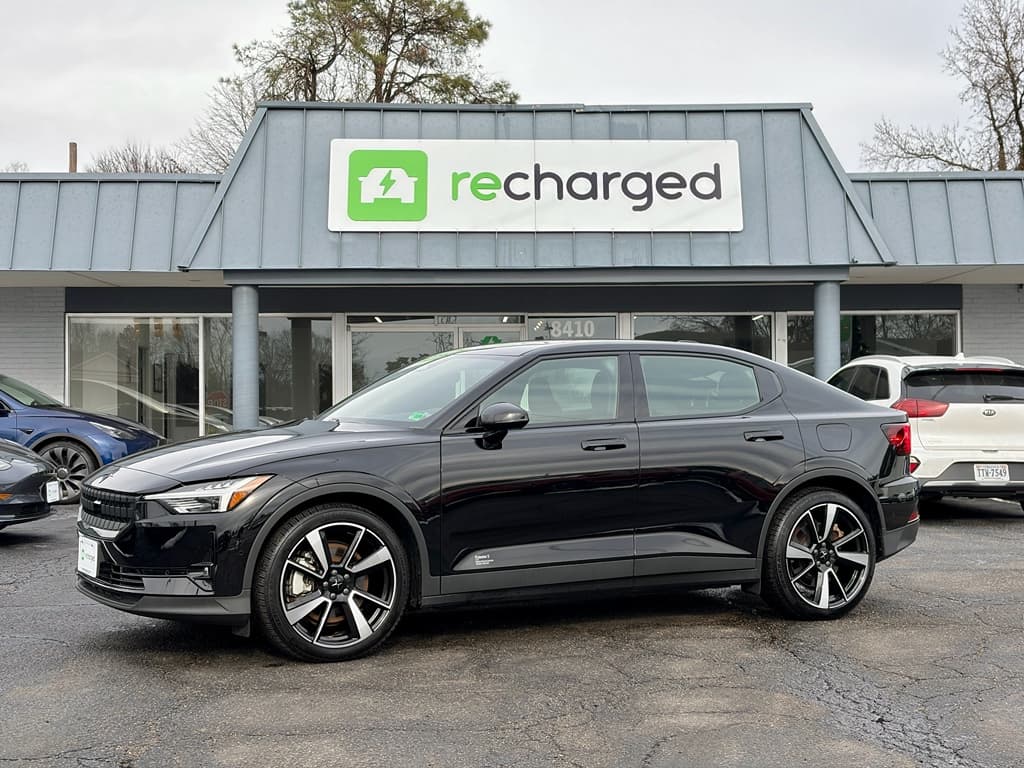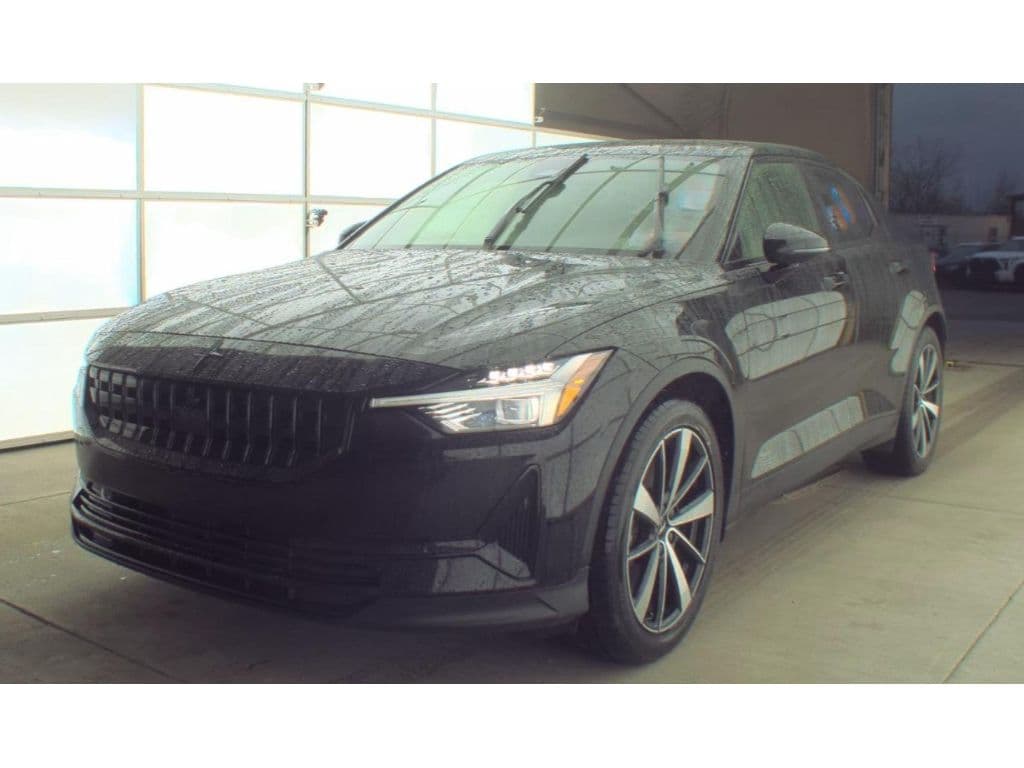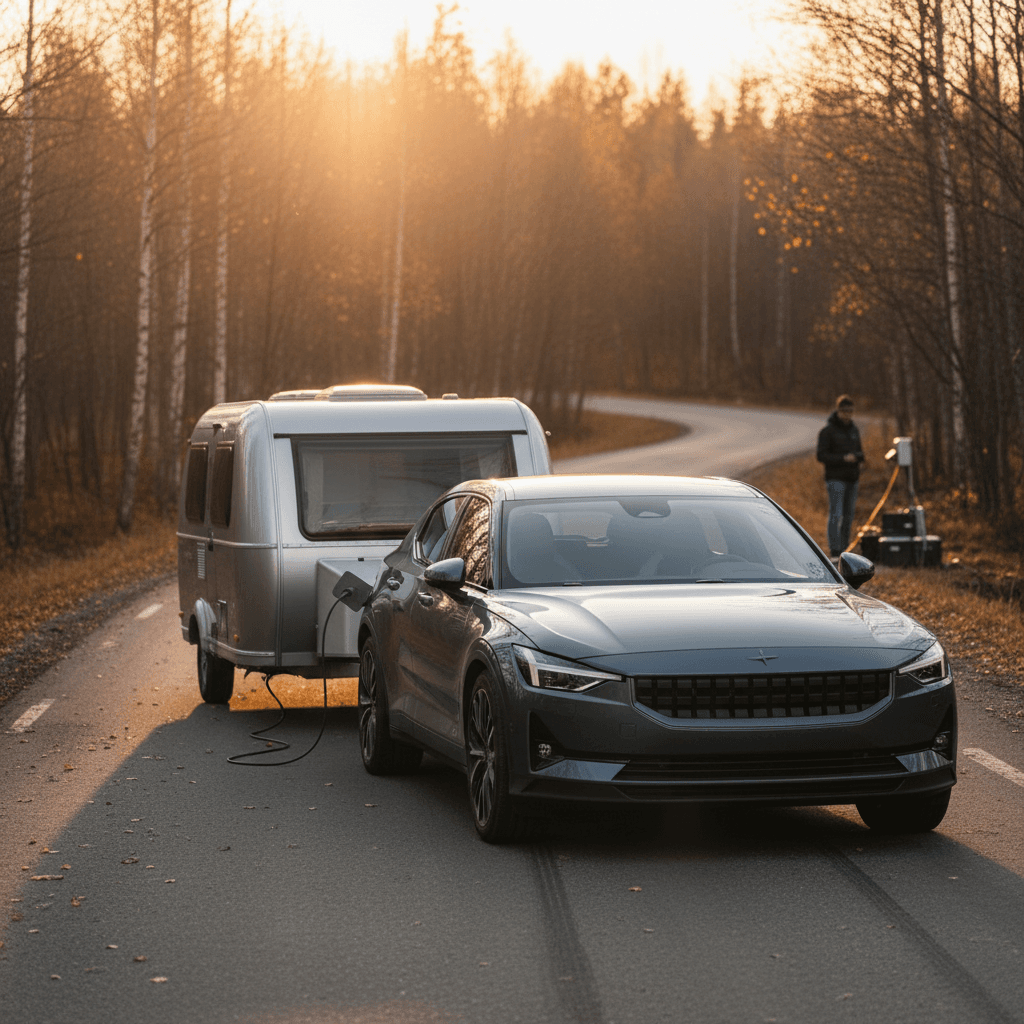
Yes, a Polestar 2 can tow a trailer, as long as it’s properly equipped and you stay within its limits. Think of the Polestar 2 as a light-duty tow vehicle: great for small campers, utility trailers, and gear, not a stand‑in for a half‑ton pickup. The key is understanding the towing ratings, how much range you’ll lose, and which trailers are a good match.
Short answer
Can a Polestar 2 tow a trailer?
If your question is literally “can a Polestar 2 tow a trailer,” the answer is: yes, if it’s tow‑rated and has a hitch installed. Polestar engineered the car with towing in mind, and the owner’s manuals list specific trailer and tongue‑weight limits.
- Factory tow package or approved hitch is required for towing.
- Not every early Polestar 2 in every market was approved to tow, some cars are non‑tow‑rated.
- You must stay under both the maximum trailer weight and the maximum tongue weight.
- Adding passengers and cargo reduces how much trailer weight you can safely pull.
Check your specific car
Polestar 2 towing capacity at a glance
Typical Polestar 2 towing limits (properly equipped)
Polestar 2 towing capacity by region (typical factory ratings)
Approximate trailer and tongue‑weight limits for tow‑equipped Polestar 2 models. Always verify against your specific car’s documentation.
| Region | Braked trailer max | Unbraked trailer max | Max tongue weight | Notes |
|---|---|---|---|---|
| USA / Canada | ~2,000 lbs (907 kg) | ~1,650 lbs (750 kg) | ~200 lbs (90 kg) | Factory or dealer tow package required; some early cars not tow‑rated. |
| EU / UK | 1,500 kg (3,307 lbs) | 750 kg (1,653 lbs) | ~90–100 kg (198–220 lbs) | Most trims share the same rating regardless of single or dual motor. |
| Australia / NZ | 1,500 kg (3,307 lbs) | 750 kg (1,653 lbs) | ~90–100 kg (198–220 lbs) | Broadly similar to EU specifications. |
Ratings vary by year, motor configuration, and local regulations, treat these as ballpark figures, not promises.
Don’t confuse hitch rating with vehicle rating
What kinds of trailers a Polestar 2 can tow
Once you know your weight limits, the natural next question is what you can actually tow. In practice, the Polestar 2 is happiest with compact, aerodynamic trailers that sit well within its capacity and don’t act like a parachute at highway speeds.
Good trailer matches for a Polestar 2
Stay light, low, and simple for the best experience.
Small utility trailers
Think: yard‑waste runs, hardware store trips, small furniture.
- Typically 500–1,000 lbs empty.
- Even with cargo, staying under 1,500–1,800 lbs is realistic.
- Great way to keep big, dirty items out of the cabin.
Lightweight camping trailers
Teardrops and compact campers designed for crossovers.
- Look for under 1,500–1,800 lbs loaded in North America.
- Pop‑up or teardrop shapes are more efficient than tall box trailers.
- Ideal for regional camping trips with frequent charging stops.
Bike and gear haulers
Enclosed moto/bike trailers or cargo pods.
- Low‑roof or sloped‑front designs reduce drag.
- Confirm total weight with bikes or gear on board.
- Alternatively, use a hitch‑mount rack instead of a full trailer.
Rule of thumb for trailer choice
Campers and travel trailers
If you’re dreaming of a full‑size travel trailer, the Polestar 2 is the wrong tool. Its ratings and wheelbase are better suited to micro‑campers, teardrops, and lightweight pop‑ups than to tall, multi‑axle RVs.
Look for manufacturers who specifically market to EVs or compact SUVs, and pay close attention to loaded (not just dry) weight.
Car haulers and toy haulers
Flatbed car trailers, big toy‑haulers, and tall cargo trailers are generally beyond the Polestar 2’s safe comfort zone. Even if an empty steel trailer is technically under the weight limit, adding a vehicle or ATV can push you far over the rating and put massive strain on the battery and brakes.
How towing affects Polestar 2 range
Every EV pays a price in range when it tows. With the Polestar 2, the hit is real but manageable if you plan ahead. Owners commonly report a 30–50% reduction in effective highway range when pulling a modest trailer, especially at 65–75 mph.
- Aerodynamics matter more than weight. A low, rounded teardrop can tow more efficiently than a tall box trailer of the same weight.
- Speed kills range. Dropping from 75 mph to 60–65 mph can make a noticeable difference on the same route.
- Plan for more charging stops. A Polestar 2 rated for 250+ miles might be effectively a 120–160‑mile car when towing at highway speeds.
- Use DC fast charging when you can. You’ll spend more time charging, so prioritize reliable, high‑power stations near major routes.
A realistic towing scenario
Hitches, tow packages, and wiring
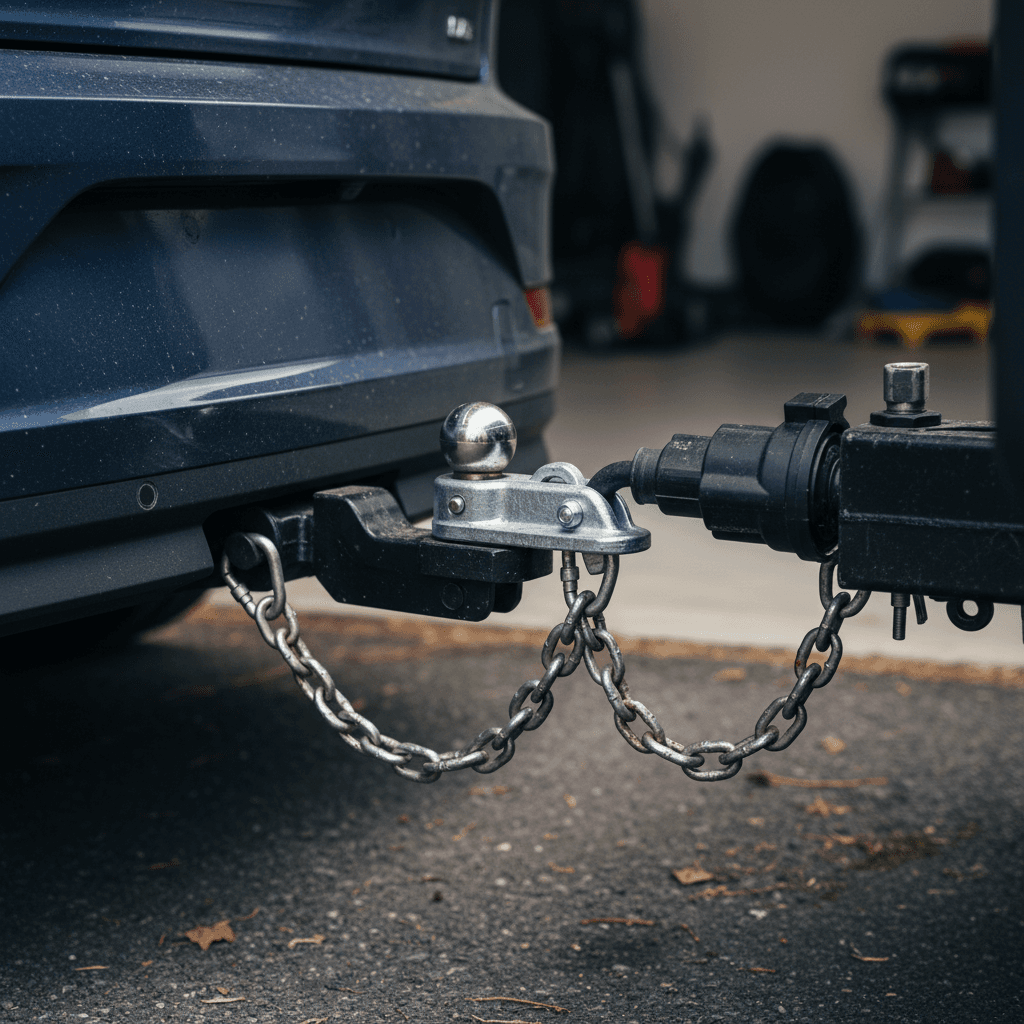
The safest way to tow with a Polestar 2 is to use the factory towing package or a well‑engineered aftermarket hitch that was designed and tested specifically for this car. That’s not just about a metal bar, it’s about cooling, electronics, and software that know when a trailer is behind you.
Hitch and towing setup options for Polestar 2
Choose based on how often, and how heavily, you plan to tow.
Factory towing package
- Integrated, retractable or removable ball mount.
- Trailer wiring harness with proper load detection.
- Car can automatically adjust stability control, parking sensors, and driver aids when a trailer is plugged in.
- Usually the cleanest and most software‑friendly solution, but can be pricey to retrofit after delivery.
Aftermarket hitches
- Options from specialty manufacturers can offer 1.25" or 2" receivers.
- Some are rated higher (e.g., 3,500–4,500 lbs), but you’re still limited by the Polestar 2’s lower factory tow rating.
- Professional installation is strongly recommended to avoid damage to the battery pack, crash structure, or sensors.
- You may need a separate wiring module to power trailer lights.
Bike rack vs. real towing
Safe loading, tongue weight, and trailer brakes
The Polestar 2’s trailer limits aren’t just about what the car can move; they’re about what it can stop and control. That’s why tongue weight and brakes matter as much as the overall trailer number.
Polestar 2 trailer loading checklist
1. Respect tongue‑weight limits
For most Polestar 2 models, maximum tongue weight is around <strong>200 lbs (90 kg)</strong>. Aim for roughly <strong>10% of total trailer weight</strong> on the hitch. So a 1,500‑lb trailer should put about 150 lbs on the tongue, well under the limit.
2. Distribute cargo carefully
Load heavier items low and near the trailer axle(s), slightly forward of center. Too much weight at the rear can cause sway; too much at the front can overload the hitch and rear suspension.
3. Use trailer brakes when required
In many states and provinces, <strong>brakes are legally required</strong> above a certain trailer weight, often 1,500–3,000 lbs. Even when they’re not mandated, having electric or surge brakes on a heavier trailer is simply safer for you and your battery.
4. Include people and cargo in your math
The Polestar 2 has a finite payload. Passengers, luggage, tongue weight, and accessories all count toward that limit. A fully loaded cabin may mean you need to run a lighter trailer to stay within spec.
5. Check tire pressures
Before towing, inflate your Polestar 2’s tires to the recommended pressures for a full load, and confirm trailer tire pressures as well. Under‑inflation increases heat and energy use.
6. Do a full light and brake check
Confirm that all trailer lights, brake lights, and turn signals work correctly. If your trailer has electric brakes, test their engagement at low speeds in an empty parking lot before you hit the highway.
Never ignore a sway‑prone setup
Driving tips when towing with a Polestar 2
Towing with an EV is a little different from towing with a gas crossover, but the fundamentals are the same: smooth inputs, extra margin, and a healthy respect for physics. The Polestar 2’s instant torque makes getting moving easy; your job is to keep things tidy once you’re rolling.
- Slow down a notch. Cruising around 60–65 mph instead of 75 mph dramatically helps both stability and range.
- Use one‑pedal driving thoughtfully. Regenerative braking is great, but give yourself more following distance so you can brake smoothly and avoid overheating friction brakes on long descents.
- Take wider turns. Your trailer tracks inside your car’s path; swing wider at corners and watch mirrors carefully.
- Leave extra stopping distance. A loaded trailer adds a lot of momentum, even with brakes. Think in bus‑lengths, not car‑lengths.
- Use “tow mode” features if available. Depending on software version, your Polestar 2 may alter stability control and driver‑assist behavior when it senses a trailer is plugged in.
- Practice backing up. Find an empty lot and get comfortable reversing with a trailer before you have to do it in a tight campground or busy boat ramp.
Common pitfalls to avoid
Easy mistakes Polestar 2 owners make when towing
Learn from other people’s white‑knuckle moments, not your own.
Towing without checking ratings
Underestimating range loss
Cheap or incorrect hitches
Use your first tow as a shakedown run
Polestar 2 towing FAQ
Frequently asked questions about towing with a Polestar 2
Shopping for a used Polestar 2 for towing
If you’re still in the shopping phase and want a Polestar 2 that can confidently tow a trailer, it pays to be picky about the exact car you buy. That’s where a used‑EV specialist can make your life easier.
Used Polestar 2 towing buyer’s checklist
Verify tow rating for that VIN
Don’t assume every Polestar 2 can tow. Confirm in the <strong>owner’s manual, door‑jamb sticker, or official spec sheet</strong> that the specific car you’re looking at is approved for towing and what its limits are.
Inspect hitch and wiring quality
If a hitch is already installed, look for <strong>clean, non‑rusty hardware, proper mounting points, and a tidy wiring job</strong>. Sloppy or improvised wiring can cause errors or overload the car’s electronics.
Check battery health and history
Towing puts more demand on the battery. A <strong>battery health report</strong>, like the Recharged Score Report that comes with every car from <strong>Recharged</strong>, helps you understand remaining capacity and how the car has aged.
Look for physical signs of heavy towing
Uneven rear tire wear, sagging suspension, or scuffed rear bumper covers around the hitch can hint at lots of towing. They’re not automatic deal‑breakers, but you’ll want to factor them into your evaluation.
Confirm charging options where you tow
If your goal is camping or frequent trailer use, zoom out. Check the <strong>DC fast‑charging coverage</strong> along the routes you actually plan to tow, and make sure you’re comfortable with the spacing.
How Recharged can help
Ready to find your next EV?
Browse VehiclesThe Polestar 2 isn’t a heavy‑duty truck, but it’s a surprisingly capable light‑duty tow partner when you respect its limits. Keep your trailer light and low, plan your charging like a pro, and make sure your hitch, wiring, and loading are all dialed in. Do that, and towing a small camper or utility trailer with a Polestar 2 can be not just possible, but genuinely enjoyable, and a smart way to get more utility out of an EV you already love.