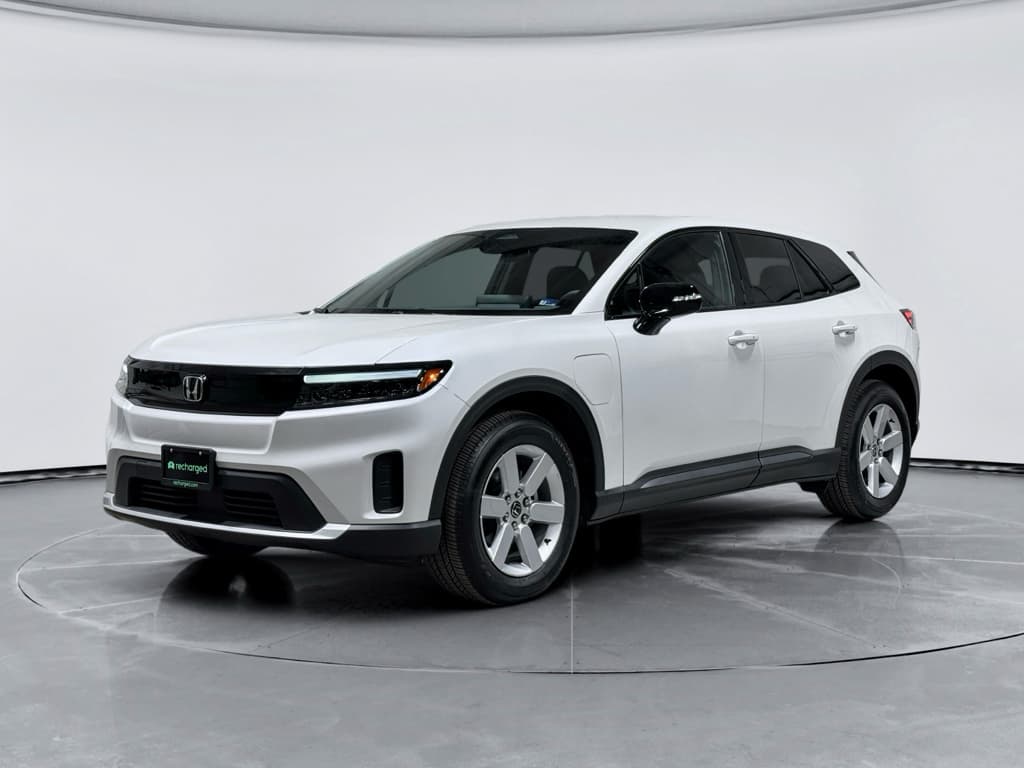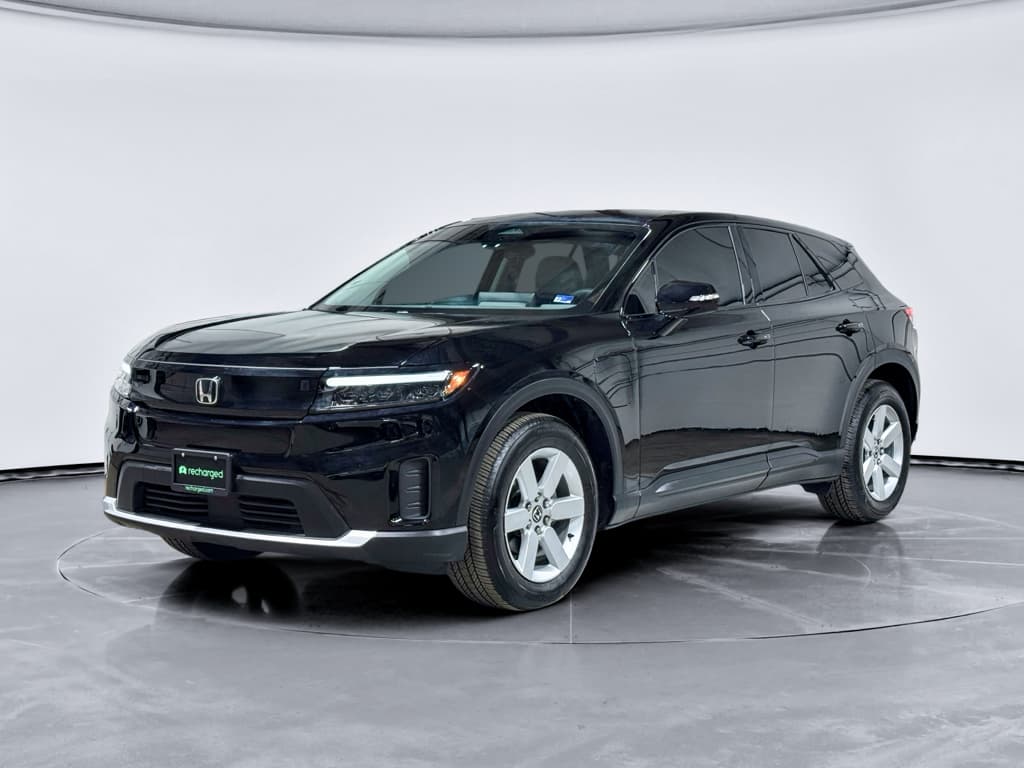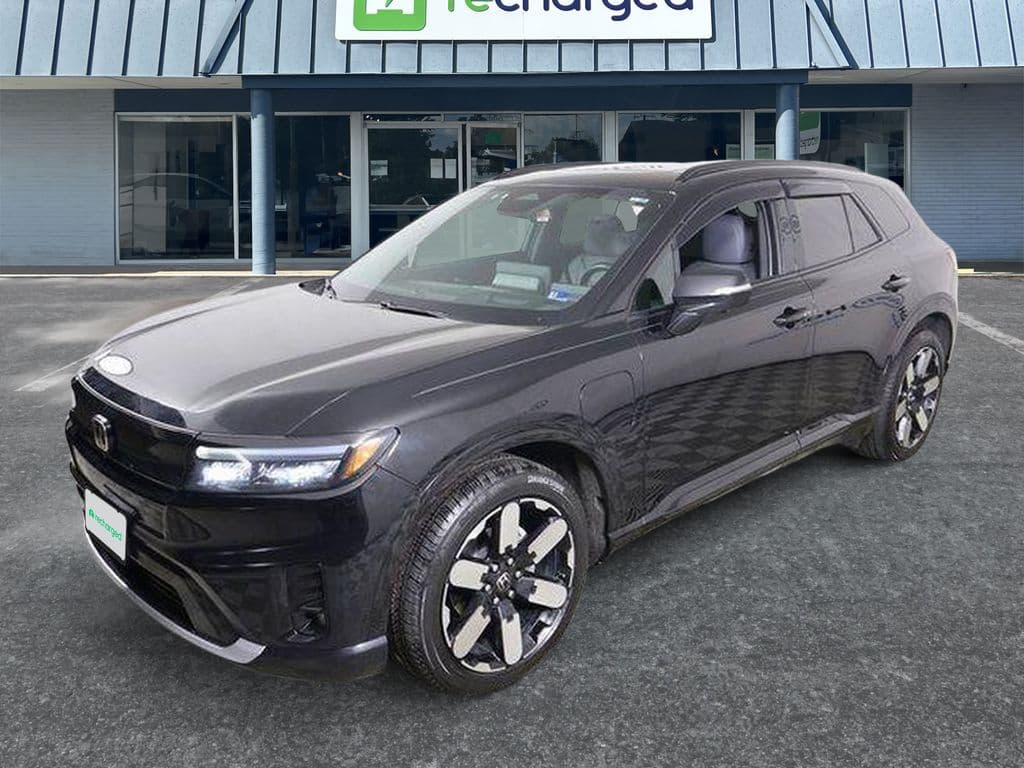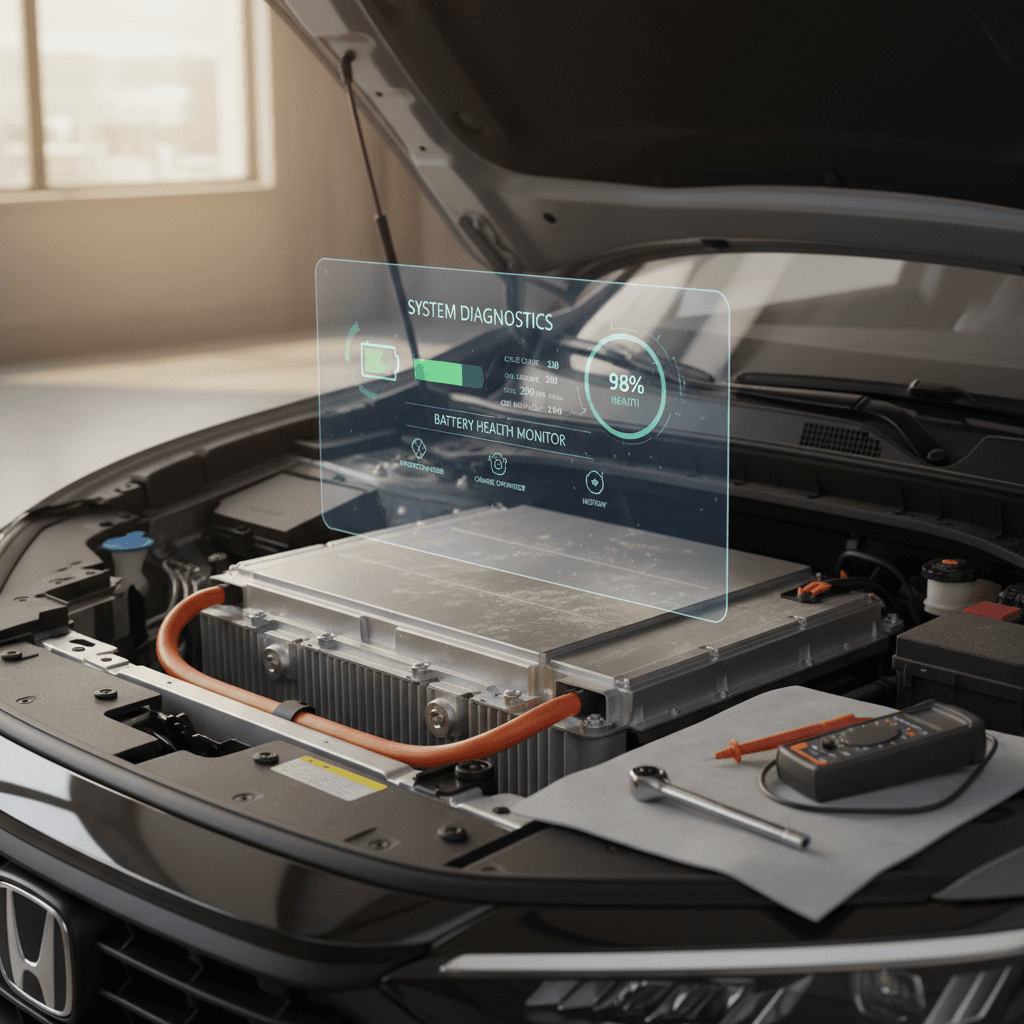
If you own a Honda Prologue, or you’re thinking about buying one used, the health of its 85 kWh Ultium battery pack is your single most important long‑term asset. Understanding how to check Honda Prologue battery health, what the car’s range readouts really mean, and which habits keep the pack happy can save you money and a lot of anxiety down the road.
Ultium basics in 20 seconds
Why Honda Prologue battery health matters
Like every modern EV, the Honda Prologue is basically a big battery on wheels. That Ultium pack is engineered to last well over a decade, and Honda backs it with a multi‑year high‑voltage battery warranty. But real‑world battery health still matters for three reasons: usable range, performance, and resale value, especially if you’re looking at the growing used Prologue market.
Honda Prologue battery and range at a glance
The good news: Ultium packs are heavily buffered and actively cooled, so they’re designed to age slowly if you charge and drive reasonably. The challenge: as an owner, you don’t get a simple “battery health %” readout. You need to read the clues your Prologue already gives you and, when it really matters, lean on professional tools.
What your Honda Prologue can and can’t tell you about battery health
Battery information your Prologue already gives you
These screens are your first line of defense for monitoring pack health day to day.
State of charge & estimated range
Your main cluster and center screen show battery % and an estimated range (miles). That estimate constantly adjusts based on recent driving, climate control use and terrain.
Energy / efficiency screen
The energy or trip screens show mi/kWh (or kWh/100 mi). Tracking this over weeks is the best DIY way to spot gradual efficiency changes that might hint at battery issues, or just driving style and weather.
Warning messages
If the car detects a serious battery or high‑voltage system problem you’ll see warnings like “High Voltage System Problem” or reduced‑power messages, and the car may limit output.
Honda / OnStar‑powered app data
Depending on your market and subscription, the smartphone app can show state of charge, charging history and remote climate. That’s useful for comparing how much energy goes in at the plug vs what you actually use driving.
What you don’t get is a built‑in, owner‑visible “battery state of health (SOH)” number. That lives inside the battery management system (BMS) and is visible only to Honda diagnostic tools, and to third‑party diagnostic equipment like the Recharged Score platform when you’re shopping used.
Don’t obsess over day‑to‑day range swings
Quick DIY Honda Prologue battery health check
You can’t do a perfect lab test at home, but you can run a simple, repeatable check that tells you whether your Prologue’s battery is behaving normally. Here’s a practical procedure you can do over a weekend.
Step‑by‑step DIY Prologue battery health check
1. Pick a mild‑weather day
Aim for temps in the 50–75°F range if you can. Extreme heat or cold can skew results by forcing the pack to heat or cool itself.
2. Start around 80–90% charge
Charge at home or on Level 2 until the car reads ~80–90%. Note the <strong>estimated range</strong>, outside temperature and your wheel/trim combo.
3. Reset a trip meter
In your cluster, reset Trip A or Trip B so you can track miles driven and efficiency (mi/kWh) for this test only.
4. Drive a familiar mixed route
Do 40–60 miles of driving similar to your normal use, some city, some highway, with climate set how you usually like it. Avoid aggressive sprints if you want a realistic read.
5. Record ending % and miles
At the end of the drive, note remaining battery %, trip miles and the average mi/kWh the car reports. For example: 52% left, 52 miles driven, 3.0 mi/kWh.
6. Do the napkin math
Multiply miles driven by (100 ÷ % used) to estimate the full‑pack range under those conditions. In the example above, you used 28% to go 52 miles, or about 186 miles per 100%, but in mild weather most Prologues should land much closer to their EPA range once you factor in highway speed, elevation and climate use.
7. Repeat a few times
One run doesn’t tell the whole story. Repeat this test on different days and average your results. Big, <strong>consistent</strong> outliers, especially in mild weather, are your cue to dig deeper.
Use kWh at the plug as a second data point
How to read range, % and efficiency without freaking out
A lot of Prologue owners mistake normal EV behavior for battery trouble. The car is constantly balancing three moving targets: state of charge (battery %), estimated range (miles) and efficiency (mi/kWh). Understanding how they interact will calm your nerves and help you see genuine red flags.
Battery % vs miles
Battery % is the BMS’s best estimate of how full the pack is. It moves steadily up and down as you charge and drive.
The miles displayed next to it are a prediction, based on how you’ve driven recently. If you’ve been hammering the highway at 80 mph with the heater cranked, the car will assume that continues, so the range figure can tank even when the battery % looks healthy.
Efficiency (mi/kWh)
This is your truth serum. Over weeks and months, your average mi/kWh tells you how much energy your Prologue uses per mile. A healthy Prologue driven moderately in mild weather often lands around the high‑2s to low‑3s mi/kWh.
If that number is stable but your range estimate jumps around, it’s probably the algorithm, not a dying pack.
Seasonal swings are normal
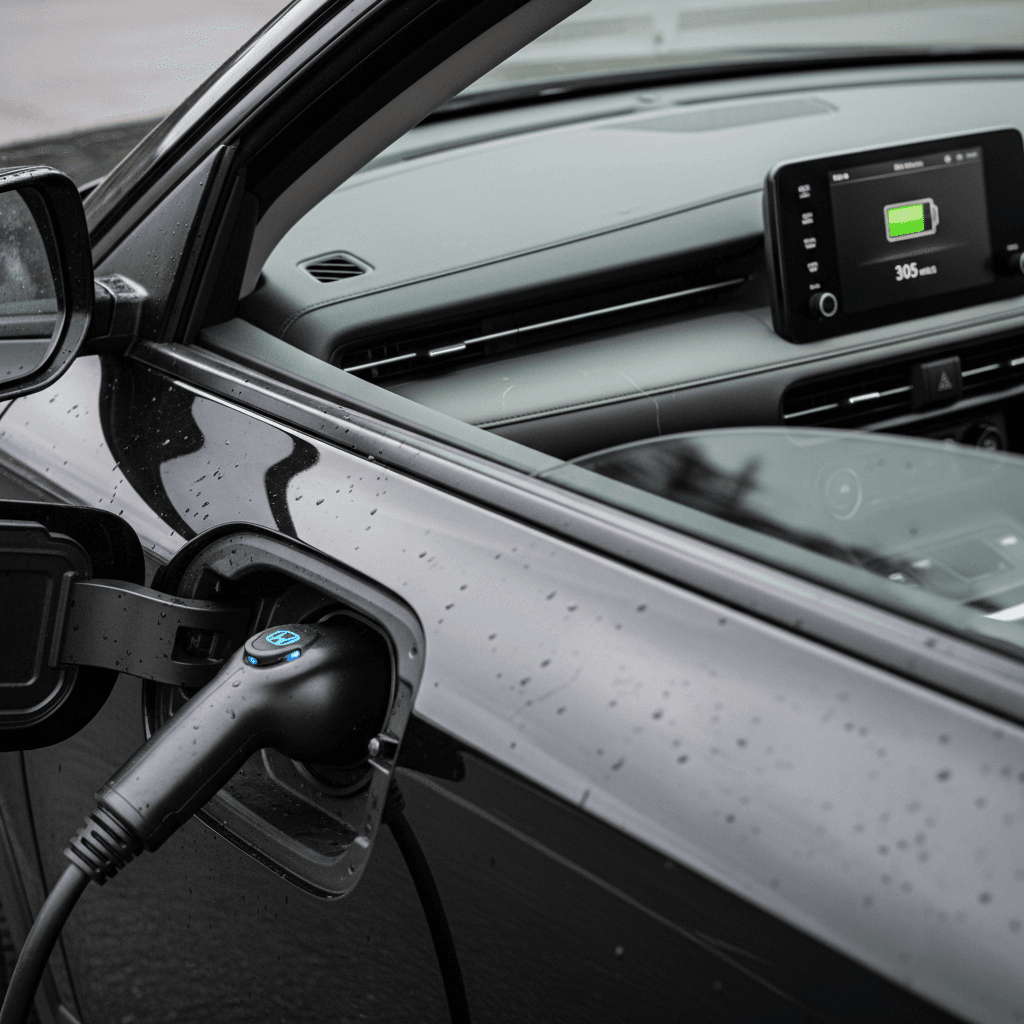
Warning lights, error messages and when to call the dealer
DIY checks are useful, but there are clear lines where you should stop troubleshooting at home and let Honda or a trusted EV shop take over. The high‑voltage system sits at hundreds of volts, never try to touch or service orange‑cabled components yourself.
Common Prologue battery‑related symptoms and what they usually mean
Use this as a quick reference. When in doubt, err on the side of letting a pro inspect the car.
| Symptom | What it might indicate | What you should do |
|---|---|---|
| “High Voltage System Problem” or similar message | The BMS has detected a fault in the battery, contactors, wiring or associated electronics. | Pull over somewhere safe, power cycle the car once. If the message returns, contact a Honda dealer or roadside assistance immediately. |
| Sudden, large permanent range drop in mild weather | Possible cell imbalance, capacity loss, or software issue if it doesn’t recover over weeks. | Document mileage, dates and conditions, then schedule a dealer visit. Ask for a battery capacity or SOH check to be documented. |
| Car limits power (won’t accelerate normally) at higher state of charge | The system is protecting itself from a detected issue or overheating. | Avoid highway passing and towing. Get the car inspected by Honda as soon as possible. |
| Repeated charging failures, especially on multiple DC fast chargers | Could be a DC fast‑charge handshake issue, onboard charger fault, or local station problem. | Test on a different station and network. If it continues on multiple chargers, book service and bring photos of any error codes. |
| Unusual noises from battery area (hissing, popping, burning smell) | Rare but serious: coolant leaks, venting cells or other HV faults. | Move away from the vehicle, call emergency services if you suspect fire risk, and do not attempt to drive the car. |
This table is not a substitute for Honda service information or your owner’s manual, always follow official guidance.
High‑voltage = hands off
How to check Honda Prologue battery health before buying used
Battery health is where a used Honda Prologue can be a smart deal, or a headache. Because the pack is so expensive, you want more than just a seller’s word that “it gets great range.” Here’s how to sanity‑check a used Prologue’s battery before you sign anything.
Used Honda Prologue battery health checklist
1. Start with the basics: model year, trim and mileage
Confirm the exact model year, drivetrain (FWD or AWD) and wheel size so you know the original EPA range. Then note the odometer. Heavy mileage in a short time isn’t necessarily bad, but it’s a clue.
2. Ask for recent full‑charge photos
Have the seller fully charge the car (ideally to 100% on Level 2) and send photos of the dash showing <strong>100% and estimated range</strong>. Compare that number to the EPA figure for that trim, adjusting for weather and wheel size.
3. Do a supervised test drive
Reset a trip meter, drive at least 20–30 miles in mixed conditions and watch how % and estimated range drop. If you burn a quarter of the pack to go 20 miles in mild weather, ask more questions.
4. Scan for warnings and fault history
On the test drive, check for any battery or HV warnings, and ask for documentation of prior HV system repairs. Consistent CELs or repeated battery codes are a red flag unless there’s clear documentation of a fix under warranty.
5. Request a professional battery report
Ask the dealership or seller for a printed battery diagnostic or SOH reading if they’ve done one recently. Better yet, use a third‑party diagnostic like a <strong>Recharged Score Report</strong> when you’re buying through a marketplace that specializes in used EVs.
6. Consider climate and fast‑charging history
Cars that lived in very hot climates or DC fast‑charged to 100% multiple times a week will generally age faster. You may not get exact numbers, but ask the seller how and where they usually charge.
How Recharged approaches used Prologue batteries
Ready to find your next EV?
Browse VehiclesDriving and charging habits that protect your Prologue battery
Honda and GM built a lot of protection into the Ultium pack, but your day‑to‑day habits still matter. The same simple rules that help a Tesla or Hyundai pack age gracefully apply to the Prologue too.
Five habits that keep your Prologue’s battery happy
You don’t have to baby it, but these moves pay off over 8–10 years of ownership.
Live in the middle
For daily use, aim to keep the battery between 20% and ~80–90% when possible. Full charges are fine before a road trip, just don’t sit at 100% for days at a time.
Avoid extreme heat when parked
High heat is harder on lithium‑ion cells than cold. When you can, park in a garage or shade and avoid leaving the car fully charged in direct sun for long periods.
Moderate your DC fast charging
Fast charging on road trips is what the Prologue is built for. But if you have home Level 2, use it for daily charging and save DC fast for longer drives.
Drive smoothly
Avoid repeated 0–70 mph launches and hard braking. You’ll use less energy, generate less heat and keep your average mi/kWh in the efficient zone, good for both range and longevity.
Use cabin pre‑conditioning smartly
If your app or schedule allows, pre‑heat or pre‑cool while plugged in. You’ll draw energy from the grid instead of the pack and reduce strain right at departure.
Stay current on software & service
Software updates can tweak how the BMS estimates state of charge and manages the pack. Keep your Prologue updated and follow any battery‑related service bulletins from Honda.
Don’t fear using your battery
When a professional battery diagnostic makes sense
There are moments when eyeballing range and mi/kWh isn’t enough. Because the BMS hides detailed cell‑level data, you need pro‑grade tools to answer questions like “How many kWh of usable capacity does this specific pack have today?” or “Is one module aging faster than the rest?”
- You see persistent HV system warnings, reduced‑power mode or unexplained range loss in mild weather.
- You’re near the end of the high‑voltage battery warranty window and want documentation in case issues arise later.
- You’re about to buy or sell a used Honda Prologue and want an objective battery health snapshot to justify the price.
- You manage a small fleet (rideshare, delivery, business vehicles) and need to plan around pack life for multiple Prologues.
A Honda dealer can pull basic SOH and fault codes with factory tools, but you may also want an independent battery health report if you’re buying or selling. That’s where services like Recharged’s battery diagnostics and Recharged Score come in: they tap directly into pack data to measure real usable capacity and flag abnormalities.
“For used EV shoppers, the question isn’t just ‘What’s the mileage?’, it’s ‘How much battery is really left, and how do we know?’”
FAQ: Honda Prologue battery health and checks
Frequently asked questions about Honda Prologue battery health
Key takeaways for Honda Prologue battery health
You don’t need a lab or an engineering degree to stay on top of Honda Prologue battery health. Watch your long‑term efficiency, treat the range estimate as a weather report rather than a blood test, and pay attention when warning lights show up. If you’re shopping used, combine a smart test drive with a professional battery diagnostic so you’re not rolling the dice on the most expensive component on the car.
Whether you’re already in a Prologue or cross‑shopping it against other used EVs, Recharged is built to make this part simple. Every vehicle on our marketplace comes with a Recharged Score battery health report, expert EV support and transparent pricing, so you can focus on how the car drives, not whether the pack will keep up with you.