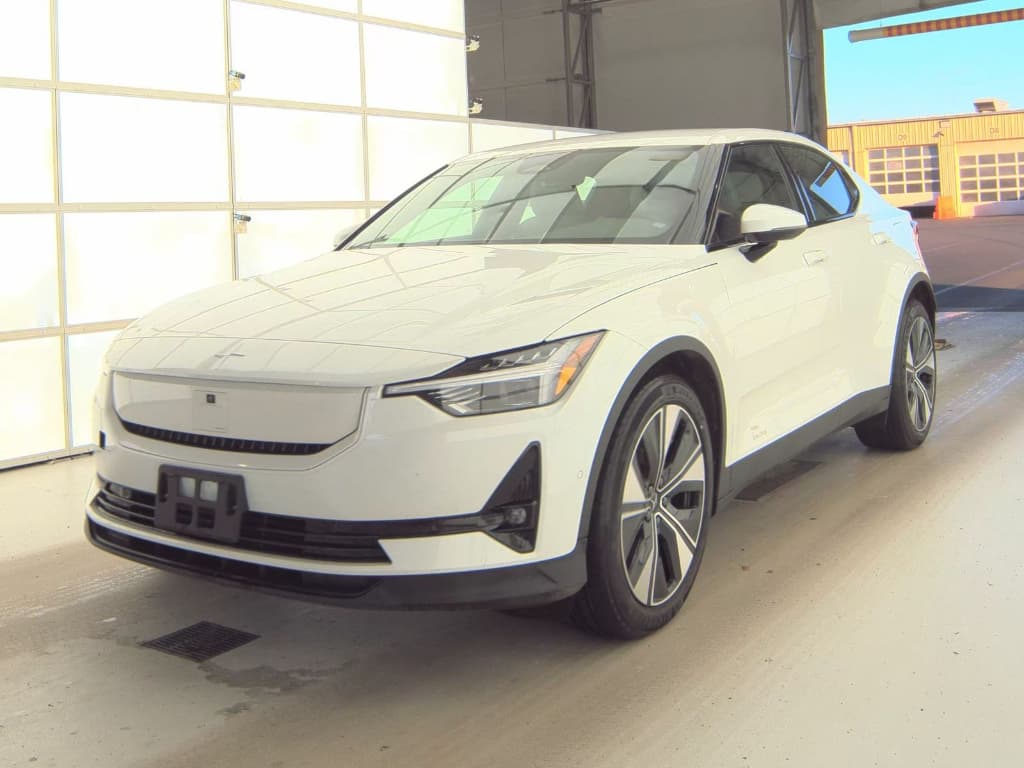
If you’re looking at a Polestar 2, whether new or used, the big question isn’t just range or Google infotainment. It’s depreciation. The Polestar 2 depreciation rate has real consequences for your total cost of ownership, your trade‑in value, and how smart a used purchase can be in today’s EV market.
Quick take
Why Polestar 2 depreciation matters now
Depreciation is the single biggest cost of owning any new vehicle. AAA’s 2025 “Your Driving Costs” report pegs depreciation as the largest expense line item for U.S. car owners, outpacing fuel and maintenance even as overall costs edge down. EVs tend to see faster early‑year depreciation than gas cars because technology moves quickly and incentives can move prices around, and the Polestar 2 is a textbook example of that dynamic.
- It affects your monthly cost more than charging or maintenance.
- It determines how upside‑down your loan might be in years one to three.
- It shapes whether buying new or used makes more financial sense.
- It matters if you plan to trade in or sell within 3–6 years.
The good news: depreciation cuts both ways. If you’re buying used, someone else has already eaten that early‑year drop, especially on 2021–2022 Polestar 2s. Recharged is built around that opportunity: our used EV marketplace and Recharged Score were created to make it easier to understand how depreciation, battery health, and market pricing come together on any individual car.
How fast does a Polestar 2 depreciate? Key numbers
Polestar 2 depreciation at a glance (U.S. market)
Aggregating used listings data and MSRP histories, recent analysis suggests the Polestar 2 loses around 18% of its value per year on average over the first 3–4 years, with earlier model years hit hardest. That’s steeper than a typical gas sedan, but broadly in line with other premium EVs that launched in the 2020–2022 window.
Depreciation isn’t perfectly linear
Polestar 2 depreciation by model year (2021–2025)
To understand the Polestar 2 depreciation rate, it helps to look at specific model years. The numbers below are based on U.S. MSRP at launch and estimated used prices as of around mid‑2025 for well‑kept cars with typical mileage.
Estimated Polestar 2 depreciation by model year
Approximate U.S. dual‑motor Polestar 2 values in mid‑2025. These are directional, not offers for any specific VIN.
| Model year | Approx. MSRP at launch | Typical used price (mid‑2025) | Dollar depreciation | Value retained |
|---|---|---|---|---|
| 2021 | $61,200 | $28,000 | $33,200 | 45.8% |
| 2022 | $51,200 | $29,000 | $22,200 | 56.6% |
| 2023 | $53,300 | $34,000 | $19,300 | 63.8% |
| 2024 | $56,700 | $44,000 | $12,700 | 77.6% |
| 2025 | $66,200 | $66,200* | $0 | 100%* |
Retention is calculated as current used price divided by original MSRP.
Viewed through a depreciation lens, the story is straightforward: - The 2021 Polestar 2 has already lost just over half its original value, now trading around the high‑$20,000s for dual‑motor cars. - The 2022 model benefits from a lower MSRP and sits in the mid‑50s retention range. - The 2023 model holds roughly 64% of its original price, reflecting newer hardware and shorter time in market. - The 2024 model year still retains close to 78% of MSRP after roughly a year, what you’d expect for a relatively fresh premium EV. - The 2025 model hasn’t had enough time to truly depreciate yet; assuming used and new prices roughly match is a temporary, early‑cycle artifact.
How does this compare to the broader EV market?
Polestar 2 vs. Tesla Model 3 depreciation
If you’re cross‑shopping, you’re probably wondering how a Polestar 2 holds up against the default choice in this segment: the Tesla Model 3. On paper, the Tesla typically retains value better, but the gap isn’t as massive as online mythology sometimes suggests.
Three‑year ownership: Polestar 2 vs. Tesla Model 3
Directional comparison for a new purchase held for about 3 years and 36,000 miles.
Polestar 2
Estimated 3‑yr resale: ~60–65% of original price.
Higher upfront price and steeper early depreciation lift your dollar loss versus a Tesla, but you may find more discounting on the new‑car side to offset some of that.
Tesla Model 3
Estimated 3‑yr resale: ~65–70% of original price.
Better brand recognition, broader charging access, and higher efficiency support stronger used values, though Tesla’s own price cuts can be brutal when they happen.
Big picture
Across three years, the Model 3 usually wins on depreciation by several percentage points. That can translate into roughly $8,000–$12,000 lower total ownership cost versus a comparably specced Polestar 2 over the same period.
Where the Polestar 2 claws some of that back is in the used market. Because it has depreciated faster from new, a 3–4‑year‑old Polestar 2 can be substantially cheaper than an equivalent‑age Model 3, even if they offered similar capability when new. For value‑focused buyers shopping used, that shift in where depreciation happens is the opportunity.
Why does the Polestar 2 depreciate the way it does?
1. Brand maturity & demand
Polestar is still a relatively young brand in the U.S., and the Polestar 2 is its first volume EV. That means lower brand awareness and a smaller, more niche buyer pool on the used market than a Tesla or a mainstream badge like Hyundai or Ford.
When there are fewer bidders for used cars, prices slip faster, especially in a market flooded with lease returns and prior‑year EVs chasing tax‑credit‑adjusted pricing.
2. Fast‑moving EV tech
EVs are improving rapidly: bigger batteries, better efficiency, improved charging speeds, and more standard safety tech. The Polestar 2 itself has evolved, from early dual‑motor launch editions to rear‑wheel‑drive single‑motor variants and range bumps.
Each update makes prior years look a little more dated, which the used market bakes into pricing fairly quickly.
3. Incentives & pricing changes
Changes to federal and state EV incentives, plus manufacturer discounts, effectively reset what buyers are willing to pay for both new and used cars. If a brand leans on discounting new inventory, used prices usually follow.
Polestar has used occasional incentives and lease deals to keep the 2 competitive. That supports new‑car volume, but it also compresses used values when leases return.
4. Supply, recalls and sentiment
Supply hasn’t been huge for Polestar 2 in the U.S., but even a relatively small number of off‑lease units can weigh on prices in such a niche segment. Software‑fixable issues, like the rear camera recall on 2021–2025 Polestar 2s, don’t usually crush values, but they do remind buyers that this is a first‑generation product.
On the flip side, solid crash‑test scores, a high‑quality cabin, and an improving reliability story help put a floor under resale values.
What this depreciation means if you buy a new Polestar 2
If you’re eyeing a new or nearly new Polestar 2, you’re effectively volunteering to absorb the steepest part of the curve. That doesn’t automatically make it a bad decision, but you should go in with eyes open.
Key questions before buying a new Polestar 2
1. How long will you keep it?
If you plan to keep the car for 7–10 years, short‑term depreciation matters less. Over a longer horizon, the difference between a 55% and 65% 3‑year retention rate becomes just a blip in your total ownership picture.
2. Are you financing or leasing?
With steep early depreciation, leasing can make sense if you value flexibility. If you finance, aim for a term that pays down principal fast enough that you’re not upside‑down if you need to sell in years two or three.
3. Are there factory or dealer incentives?
A hefty discount off MSRP effectively starts you lower on the curve. That can offset some of Polestar’s weaker headline depreciation numbers compared with a Tesla bought at or near sticker.
4. How does it compare to used options?
Run the math on a gently used 2022–2023 Polestar 2 versus a new one. If you’re comfortable with the earlier tech and options, the used car’s baked‑in depreciation can translate into a much lower monthly cost.
Think in total cost of ownership, not just resale
Why a used Polestar 2 can be a smart buy
From a value perspective, the best way to “win” against depreciation is to let someone else take the initial hit. That’s exactly what a used Polestar 2 buyer is doing. Because early‑year depreciation has already happened, the curve tends to flatten: the difference between a 3‑year‑old and 6‑year‑old Polestar 2 is usually smaller, in dollar terms, than between new and 3‑year‑old.
Upsides of buying a used Polestar 2
Especially compelling for shoppers cross‑shopping used Model 3s and Ioniq 5s.
More car per dollar
Because the Polestar 2 has depreciated faster from new, a 3–4‑year‑old example can undercut equivalent premium EVs on price while still feeling modern, safe, and well‑equipped.
Modern EV fundamentals
Even earlier model years deliver competitive range, DC fast‑charging capability, and over‑the‑air updates. You’re not stuck with first‑generation EV compromises from the early 2010s.
Depreciation has slowed
Once a car has already lost ~40–50% of its value, the slope of the curve flattens. From there, annual dollar losses are often more manageable and predictable.
This is exactly where Recharged leans in. Every used Polestar 2 on our platform includes a Recharged Score Report with verified battery health, fair‑market pricing, and a transparent look at how that specific car’s mileage, options, and history relate to the wider depreciation story. You can finance, trade‑in, or even sell your current EV through Recharged, all in a fully digital flow with optional delivery or a visit to our Experience Center in Richmond, VA.
How battery health impacts Polestar 2 value
Underneath all the market noise, battery health is the single most important technical driver of EV resale value. Two Polestar 2s of the same year and trim can carry very different prices depending on how their packs have aged.
- A Polestar 2 with above‑average battery health can command a noticeable premium versus the market average for its year and miles.
- Aggressive fast‑charging, extreme temperatures, and high annual mileage can accelerate degradation and push prices down.
- A documented history of careful charging habits and regular software updates makes buyers more confident and supports stronger resale.
Where Recharged’s battery data helps
Ready to find your next EV?
Browse VehiclesTips to reduce depreciation on your Polestar 2
Practical ways to protect your Polestar 2’s value
1. Keep mileage in check
Depreciation isn’t just about age; mileage still matters. If you can, keep annual mileage around or below the U.S. average (roughly 12,000 miles). High‑mileage EVs are still a tougher sell on the used market.
2. Treat the battery kindly
Avoid living at 100% or 0% state‑of‑charge, minimize repeated high‑power DC fast‑charging when not needed, and park in moderate temperatures if possible. Healthier batteries command higher resale values.
3. Stay on top of software & recalls
Apply over‑the‑air updates, address recalls promptly, and keep documentation. A Polestar 2 with all camera, infotainment, and safety updates done is more attractive to the next owner.
4. Preserve the interior and wheels
Premium cabins and big wheels look great when new, but curb rash, worn bolsters, and neglected interiors are resale killers. Small cosmetic repairs can punch above their weight at trade‑in time.
5. Document maintenance and charging
Even though EVs need less maintenance, keep records for tire rotations, brake fluid, cabin filters, and any service visits. A tidy paper trail helps justify a stronger price when you sell.
6. Time your exit smartly
If you know a major refresh or next‑gen replacement is coming, consider selling a few months earlier. Being ahead of a big styling or range upgrade can spare you a chunk of extra depreciation.
What accelerates depreciation the most
FAQ: Polestar 2 depreciation and resale value
Frequently asked questions about Polestar 2 depreciation
Bottom line: Is the Polestar 2 depreciation worth it?
The Polestar 2 doesn’t defy gravity: it depreciates faster than many gas sedans and a little faster than the Tesla Model 3, especially in its first few years. But that doesn’t automatically make it a bad bet. For new‑car buyers who plan to keep it long term and value its design, driving feel, and Google‑native tech, the total‑ownership story can still pencil out. For used‑car buyers, those same depreciation curves turn the Polestar 2 into a quietly excellent value play.
If you’re considering a Polestar 2, the smartest move is to treat depreciation as just one piece of a bigger picture that also includes battery health, incentives, financing terms, and your own time horizon. That’s exactly the lens Recharged is built around. On our platform, every used EV, including Polestar 2s, comes with a Recharged Score Report, transparent pricing, available financing and trade‑in options, and the choice of a fully digital experience or a visit to our Richmond, VA Experience Center. That way, you’re not just betting on a curve, you’re buying the right car, at the right point on it, for you.