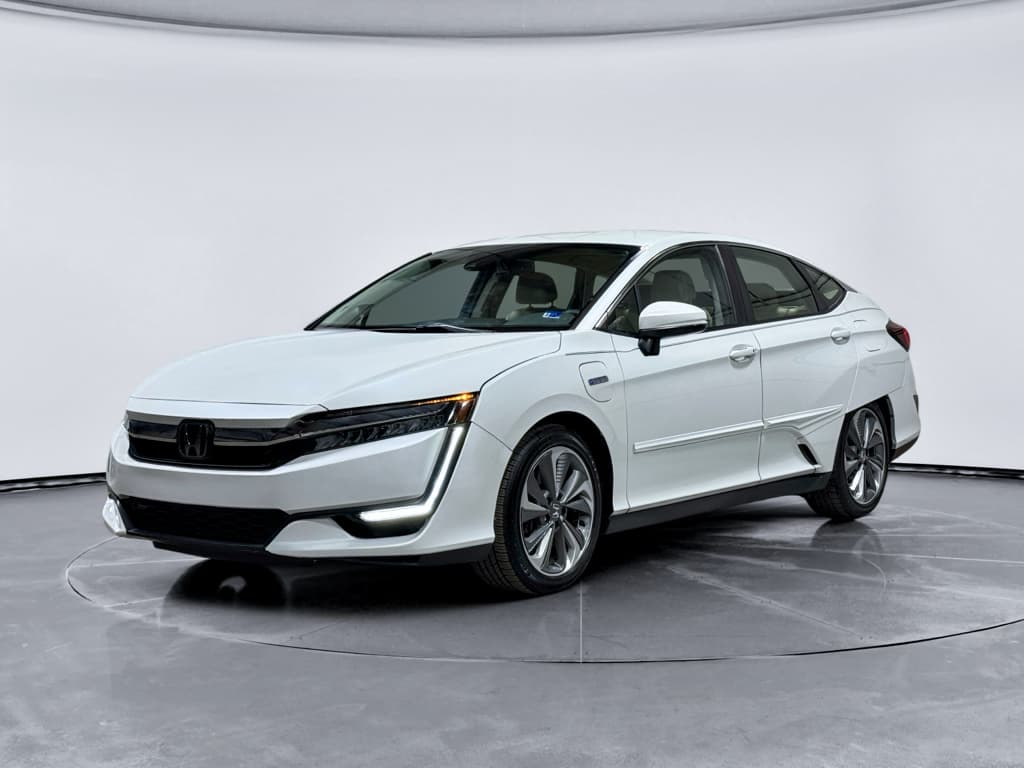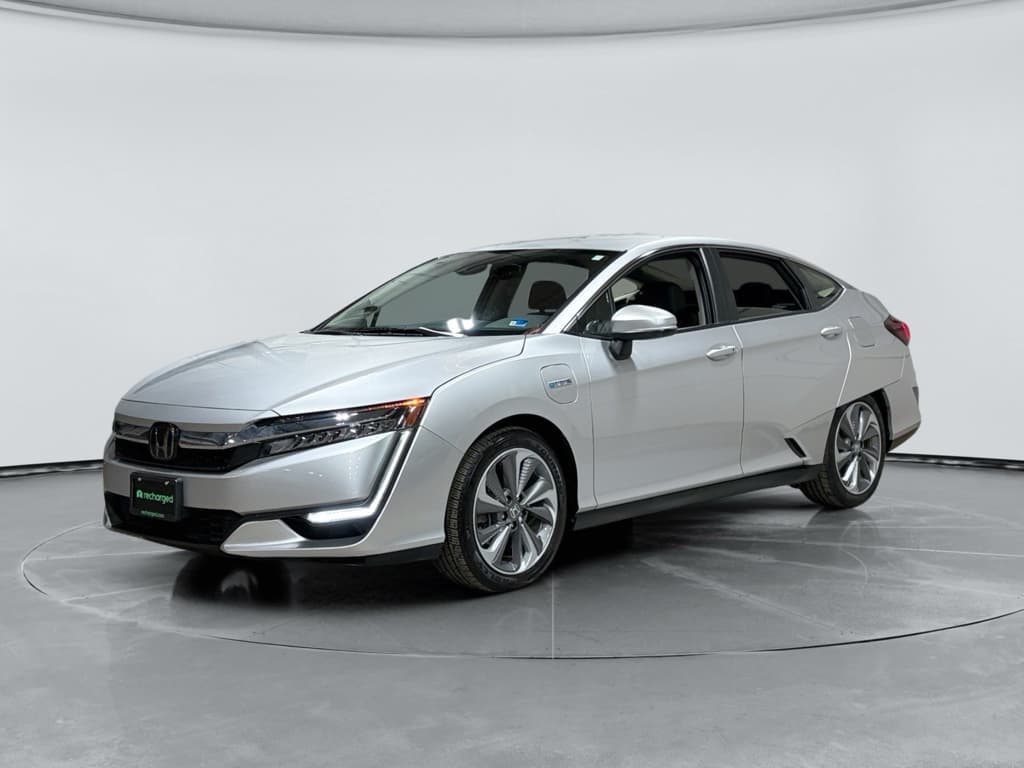
If you’re driving, or thinking about buying, a Honda Clarity Plug‑In Hybrid, it’s natural to worry about what happens when the big battery ages out. The phrase “Honda Clarity PHEV battery replacement cost” can sound like a five‑figure nightmare. The reality is more nuanced: outright failures are rare, warranty coverage is generous for many owners, and smart shopping can protect you from a surprise bill. Let’s walk through the real numbers and practical strategies.
Key takeaway up front
How big is the Clarity PHEV battery and how long does it last?
The Honda Clarity Plug‑In Hybrid uses a lithium‑ion battery pack around 17 kWh in capacity. That’s large for a PHEV, which is why the Clarity launched with an impressive 47 miles of EPA‑rated electric range, more than most plug‑in hybrids of its era.
- Battery type: lithium‑ion, liquid‑cooled
- Approximate capacity: 17 kWh
- Original EPA electric range: about 47 miles
- Total system: 1.5‑liter gasoline engine + electric motor + battery
Like any EV or PHEV, the Clarity’s battery will slowly lose usable capacity over time. In real‑world owner reports from 2018–2020 cars, it’s common to see high‑mileage examples (80,000–120,000 miles) still delivering 30–40 miles of EV range. That’s noticeable degradation, but not catastrophic, and usually not enough to trigger warranty replacement by itself.
Think in range, not just age
Honda Clarity PHEV battery replacement cost explained
Let’s get to the question at the top of your mind: what does a Honda Clarity PHEV battery replacement actually cost if you’re outside warranty?
Typical cost ranges for Clarity PHEV battery work
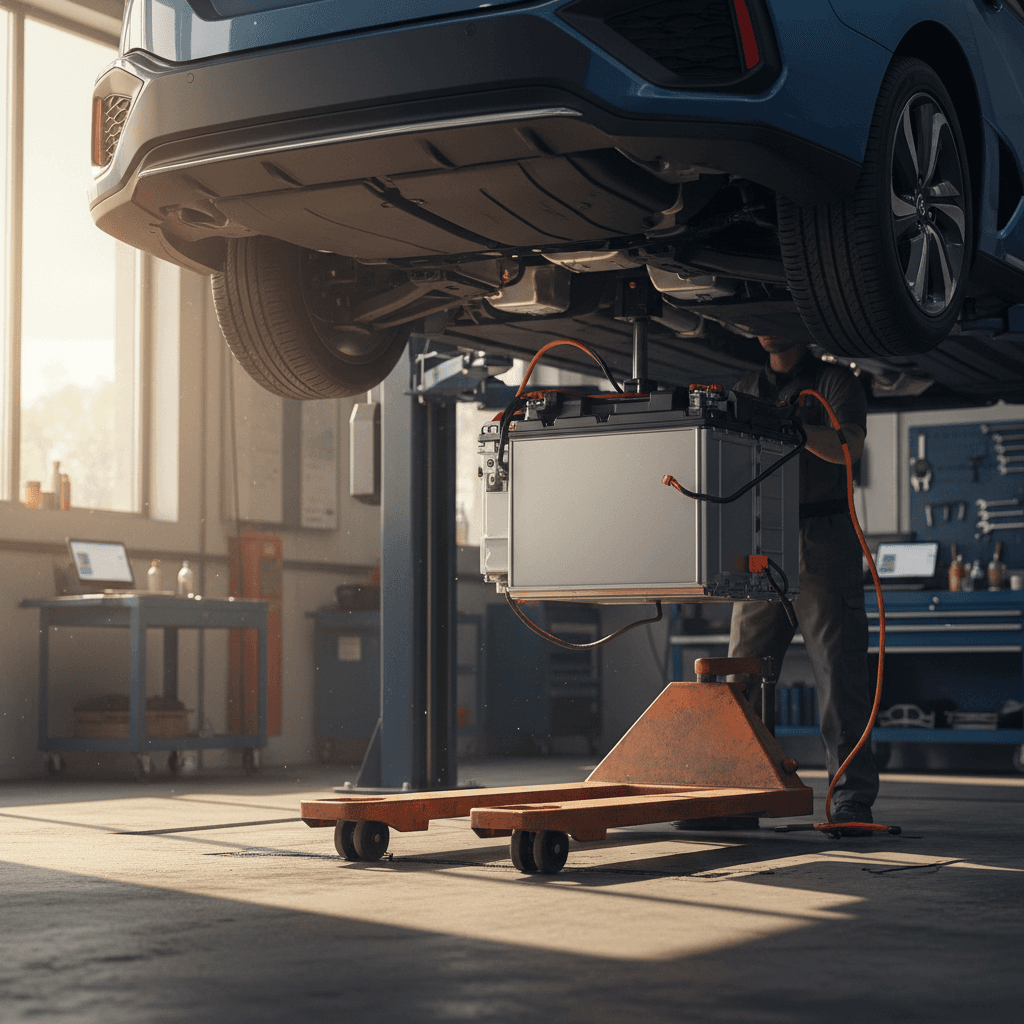
The traction (high‑voltage) battery is the expensive one. Owner experiences and dealer quotes suggest that a brand‑new OEM pack installed by Honda can run in the $8,000 to $12,000 range in the United States once you’re out of warranty. That’s in line with other modern hybrids and PHEVs with relatively large packs.
Because the Clarity PHEV was sold in modest numbers, there isn’t yet a big aftermarket of refurbished pack suppliers the way there is for, say, Prius hybrids. A few hybrid‑battery specialists will attempt cell‑level repairs or partial module replacements, which can land in the $1,500–$4,000 range, but availability varies widely by region and the long‑term reliability of those fixes can be hit‑or‑miss.
Don’t confuse the two batteries
Warranty coverage: when Honda pays for the battery
For most Clarity Plug‑In Hybrid owners, warranty coverage is the biggest factor in whether you’ll ever see a large battery bill. Honda provides a specific high‑voltage battery warranty separate from the basic bumper‑to‑bumper coverage.
Typical Honda Clarity PHEV battery warranty terms
Exact coverage can vary slightly by model year and whether the car was sold in a CARB (California emissions) state. Always confirm with a Honda dealer for your specific VIN.
| Region / program | Typical coverage | What’s included | Notes |
|---|---|---|---|
| Federal (most U.S. states) | 8 years / 100,000 miles | High‑voltage battery and key PHEV components | Covers defects and excessive capacity loss, not normal gradual degradation. |
| CARB states (e.g., CA, NY, MA) | Up to 10 years / 150,000 miles in some cases | High‑voltage battery and certain emissions‑related hybrid components | Coverage varies by state and model year; check your warranty booklet or dealer. |
| Powertrain warranty | 5 years / 60,000 miles | Engine, transmission and related parts | Separate from the battery warranty. |
| 12‑volt battery | Varies, typically 3 years or prorated | Accessory 12‑volt battery | Maintenance item; not the traction pack. |
High‑voltage battery and PHEV component warranty basics for the Clarity Plug‑In Hybrid.
Honda’s fine print also distinguishes between expected gradual capacity loss and “greater than normal degradation.” The latter can qualify for battery repair or replacement under warranty, but you’ll need an authorized Honda dealer to run a capacity test with factory diagnostic tools.
Good news for used‑car shoppers
Signs your Clarity PHEV battery might need attention
You don’t need a PhD in battery chemistry to spot early warning signs. Pay attention to how the car behaves in everyday driving.
- Sudden, severe loss of EV range – Dropping from mid‑40s to under 20 miles in a short time can signal a problem beyond normal aging.
- Warning lights or error codes – “Check EV System,” hybrid system warnings, or DTCs related to the high‑voltage pack should be investigated immediately.
- Charging behavior changes – The car stops charging early, charges unusually slowly, or the fan noise is much louder than usual during charging.
- Inconsistent state of charge (SOC) – The battery gauge jumps around or drops unexpectedly under light load.
- Dealer‑documented low capacity – A capacity test at a Honda dealer shows the pack well below their acceptable threshold.
Don’t ignore warning lights
How to check battery health before you buy used
If you’re shopping for a used Honda Clarity PHEV, the smartest move you can make is to evaluate battery health before you sign. This is where a little homework pays off in real money.
Used Clarity PHEV battery health checklist
1. Verify warranty time and mileage
Ask for the VIN, then confirm the in‑service date and mileage. A 2018 Clarity sold late in the year could still have high‑voltage battery coverage left well into 2026 or beyond, depending on your state.
2. Look up title history and region
Cars originally sold in CARB states may have longer hybrid‑battery coverage. A quick vehicle history report can show registration states and major repairs.
3. Test real‑world EV range
On a full charge, drive in EV mode on a familiar route. Healthy used examples commonly deliver 30–40 miles of electric range. If you’re seeing much less, ask why.
4. Scan for diagnostic trouble codes
Have a shop connect a professional scan tool, or use a quality OBD‑II dongle and compatible app, to check for stored or pending hybrid system codes.
5. Ask the seller for dealer service records
Look for documentation of any prior hybrid system or battery work, capacity tests, or warranty claims. A recent clean bill of health from a Honda dealer is a plus.
6. Get an independent EV‑savvy inspection
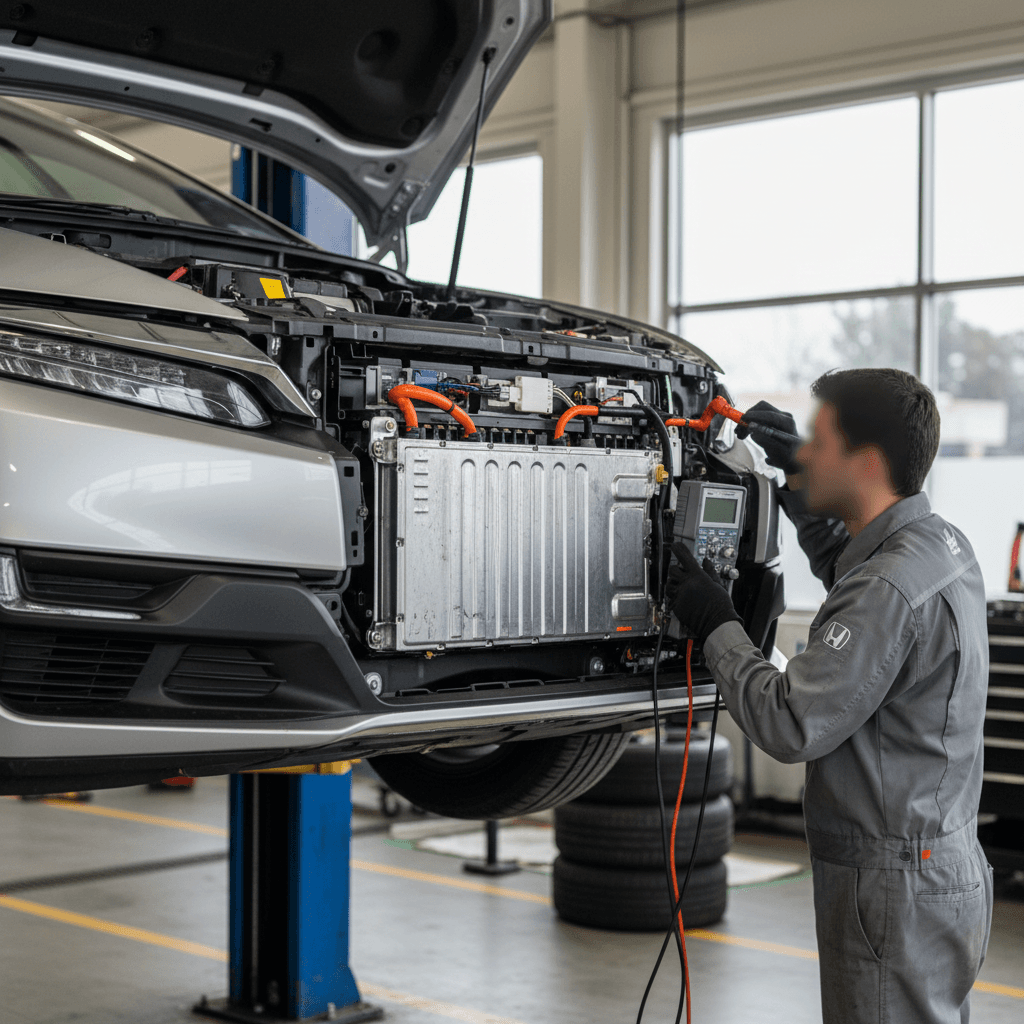
A shop experienced with hybrids and EVs can spot red flags, coolant leaks, wiring damage, or abnormal battery cooling fan behavior, that a generalist might miss.
How Recharged helps
Ways to avoid or reduce a big battery bill
Strategies to manage Clarity PHEV battery risk
Combine a few of these to stack the odds in your favor.
Buy within warranty window
If you’re shopping used, prioritize Claritys that still have high‑voltage battery coverage left. That way, if an early‑life defect shows up, Honda, not you, covers the big bill.
Consider extended coverage
Some third‑party or manufacturer‑backed service contracts include hybrid components. Read the fine print: you want explicit coverage for the traction battery and related electronics.
Maintain the hybrid system
Keep software up to date, follow Honda’s maintenance schedule, and address any cooling‑system issues quickly. Heat is the enemy of battery life.
Drive and charge smart
- Avoid leaving the car fully charged at high temperatures for long periods when you can.
- Use scheduled charging so it finishes closer to your departure time.
- Don’t stress about occasional fast or frequent charging, the Clarity’s pack is conservative, but day‑in, day‑out gentle treatment helps.
Plan for long‑term ownership costs
- If you’re keeping the car beyond warranty, budget a realistic reserve for major repairs, just as you would for a transmission on a conventional car.
- Compare that reserve to the fuel and maintenance savings you enjoy driving mostly on electricity.
Use total cost of ownership math
Clarity PHEV vs other PHEV battery costs
The Honda Clarity PHEV isn’t unique in facing expensive battery replacements outside warranty. Modern plug‑in hybrids from Toyota, Hyundai, Kia, and others all use complex, high‑voltage packs that can cost many thousands of dollars to replace if something goes badly wrong.
How the Clarity PHEV’s battery cost profile compares
Approximate replacement‑cost behavior of several popular plug‑in hybrids, based on owner reports and dealer quotes. These are directional, not official list prices.
| Model | Approx. pack size | Typical dealer replacement behavior | Aftermarket/refurb options |
|---|---|---|---|
| Honda Clarity PHEV | ~17 kWh | Owner‑reported quotes often $8k–$12k installed | Limited; niche model, few refurb pack providers so far |
| Toyota Prius Prime | ~8.8–13.6 kWh (by gen) | High but often slightly lower than Clarity due to smaller pack | Growing refurb market; Prius platform is common |
| Chevy Volt (used) | ~16–18.4 kWh | Similar or higher depending on pack generation | Some independent specialists and refurbished packs available |
| Hyundai/Kia PHEVs | ~8–14 kWh | Comparable dealer pricing for out‑of‑warranty packs | Aftermarket still developing, varies by model |
Battery replacement for any modern PHEV is costly; the Clarity is broadly in line with peers.
In other words, the Clarity PHEV’s potential battery costs are not an outlier for the segment. The bigger story is how infrequently packs are actually replaced outside warranty; most owner anecdotes about full replacements involve cars that were still under Honda’s hybrid coverage.
FAQ: Honda Clarity PHEV battery replacement cost
Frequently asked questions about Clarity PHEV batteries
Is a used Honda Clarity PHEV still worth it?
When you see big numbers attached to "Honda Clarity PHEV battery replacement cost," it’s easy to panic. But zoom out. The Clarity delivers long electric range for a PHEV, a comfortable cabin, and real‑world fuel savings that add up over years of commuting. Batteries do age, and out‑of‑warranty replacements aren’t cheap, yet actual pack failures remain uncommon and many cars on the market still sit safely inside Honda’s hybrid battery coverage.
If you do your homework on warranty status and battery health, and price the car accordingly, the Clarity Plug‑In Hybrid can still be one of the most compelling used plug‑in buys out there. And if you’d rather not navigate that process alone, a marketplace like Recharged can help you shop used EVs and PHEVs with battery transparency, financing options, and expert guidance built in. That way, you get the benefits of electric driving without losing sleep over what’s under the floor.