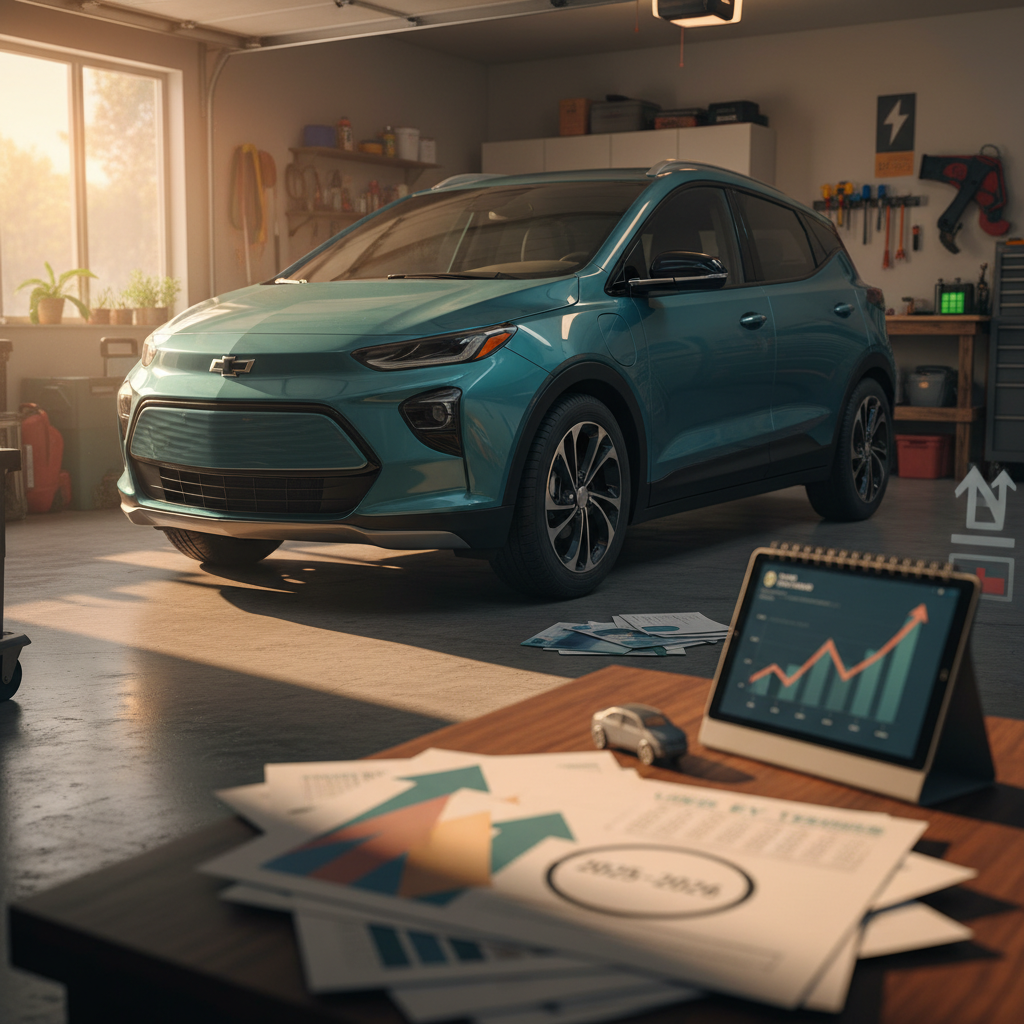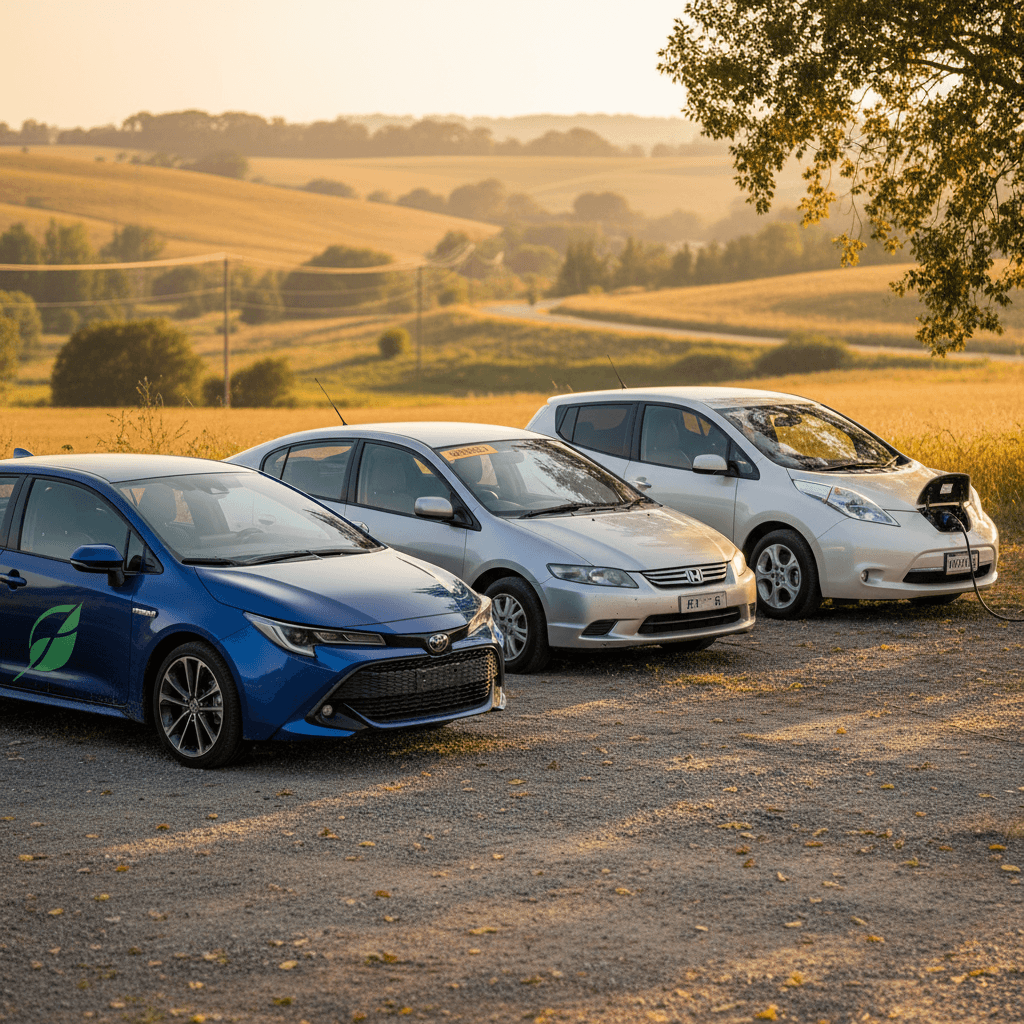
You say you want a good economy car. Not the slowest, cheapest thing on four wheels, but something that uses very little fuel, doesn’t murder your monthly budget, and still feels like a real car, not a penalty box. In 2025, that can mean a frugal gas sedan, a used hybrid, or even a used EV, each with very different math behind the savings.
Economy Isn’t Just MPG Anymore
What Makes a Good Economy Car in 2025?
Four Pillars of a Good Economy Car
Look past the window sticker and focus on the costs that stick around.
Low Fuel or Energy Use
Manageable Monthly Cost
Low Maintenance & Repairs
Livable Day to Day
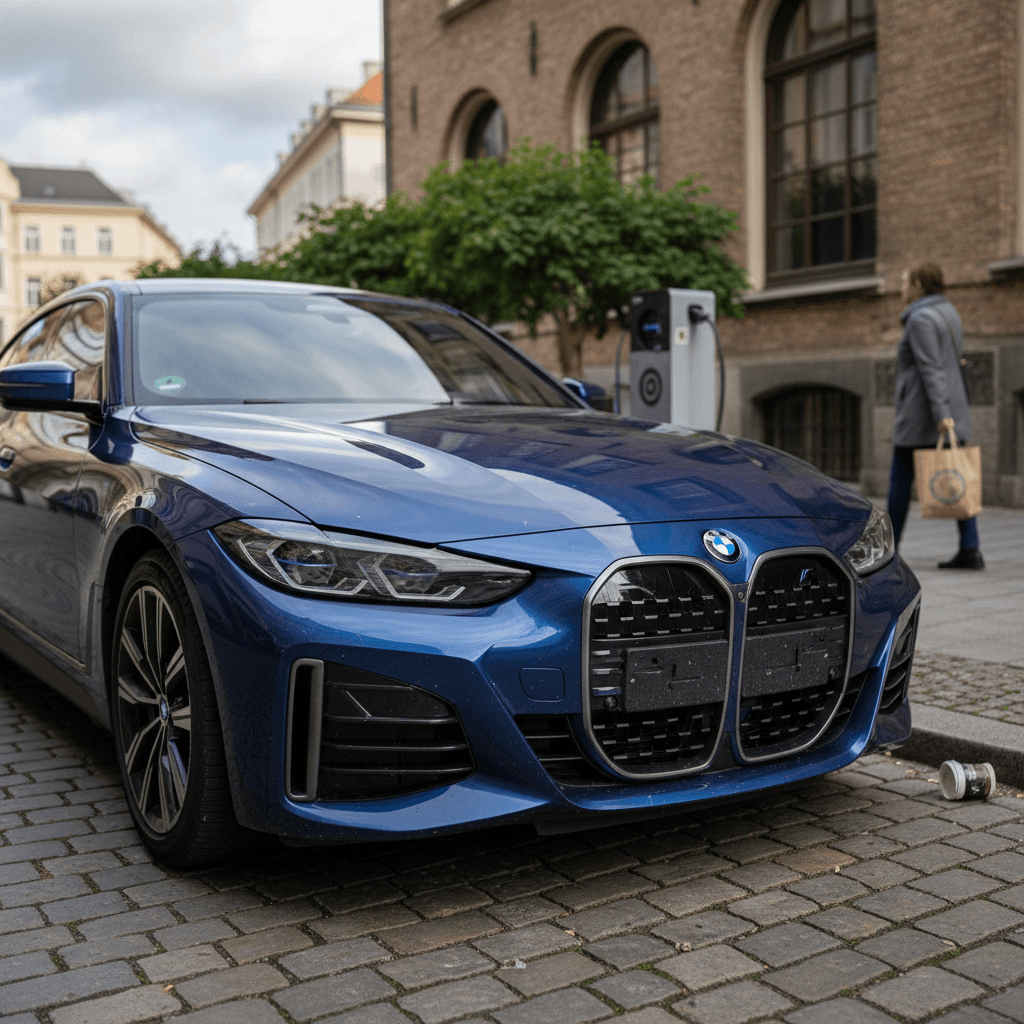
Gas vs Hybrid vs EV: Which “Economy Car” Type Fits You?
Gasoline Economy Cars
Think Honda Civic, Toyota Corolla, Hyundai Elantra, Nissan Sentra. Combined economy around 34–36 mpg in 2025 for the best trims, with the very thrifty Mitsubishi Mirage still hovering around 39 mpg combined in its final model years.
- Pros: Lowest upfront price, plentiful used inventory, easy to service anywhere.
- Cons: You’re still exposed to gas price swings; MPG gains are incremental, not transformative.
Hybrids
Cars like the Toyota Prius, Hyundai Elantra Hybrid, Toyota Camry Hybrid, Honda Accord Hybrid sit around 50–57 mpg combined in 2025, effectively doubling the thirst of a compact SUV.
- Pros: Huge fuel savings, long range, no charging anxiety.
- Cons: Higher purchase price, slightly more complex drivetrains, can hold value so well that used prices stay high.
Electric Vehicles (EVs)
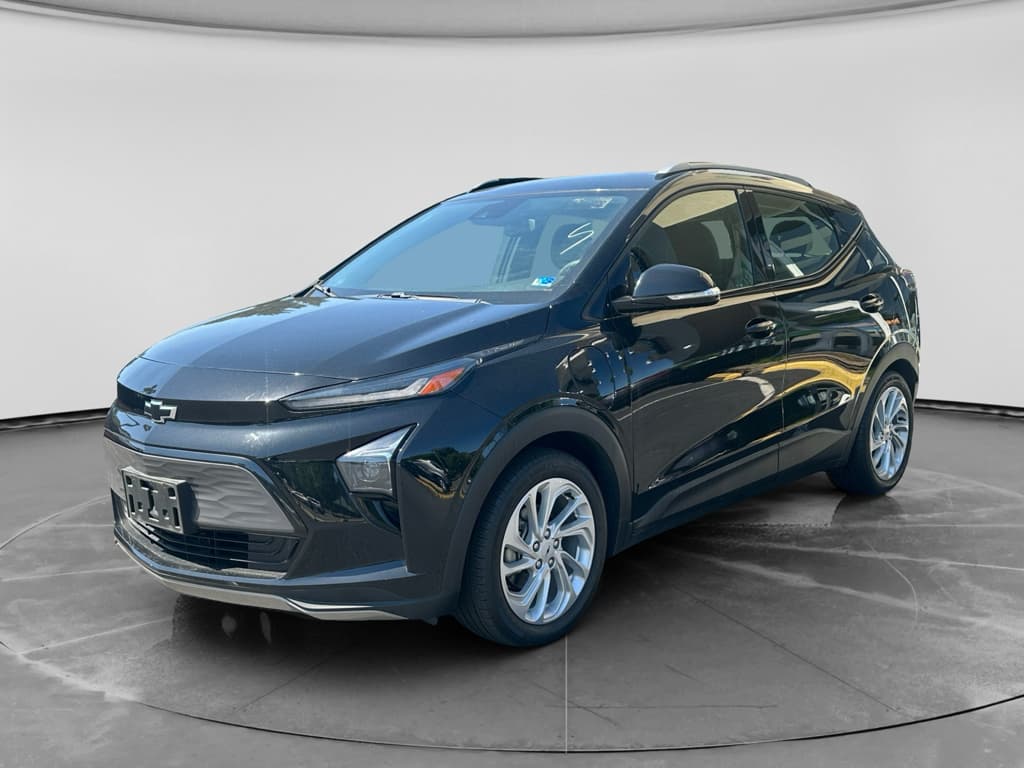
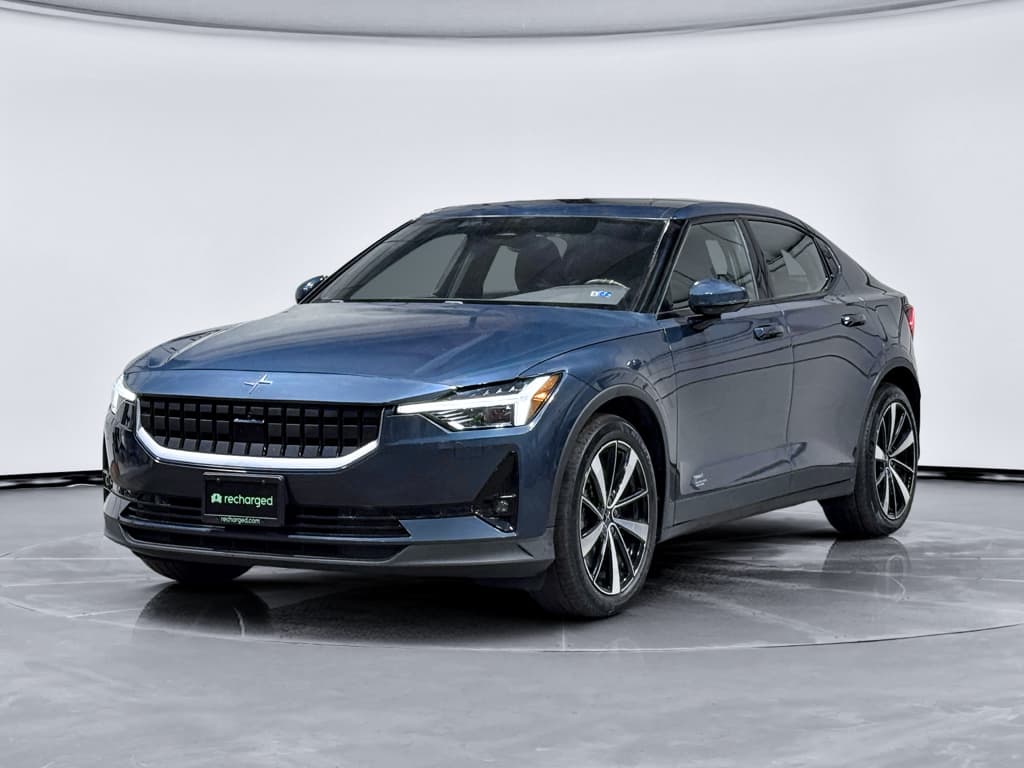
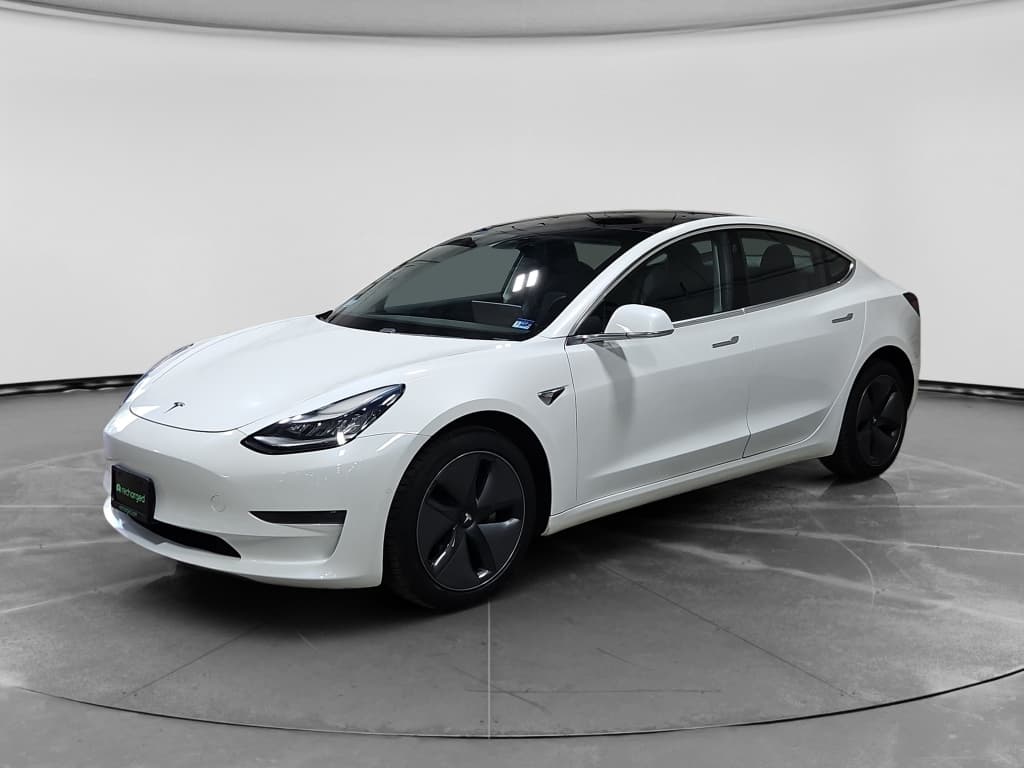
Used EVs have become the stealth economy play. Depreciation hit the first owner; you get quiet, low‑maintenance driving and the cheapest energy where electricity rates are favorable.
- Pros: No gas, fewer moving parts, instant torque, often loaded with tech.
- Cons: Range limits, charging access, and higher insurance in some markets; not always the cheapest option if you drive very little.
Quick Rule of Thumb
Best New Gas Economy Cars in 2025
2025 Benchmarks for Non‑Hybrid “Good Economy Cars”
If you’re set on a new or nearly new gasoline car, the current crop of compacts has quietly become excellent. A 2025 Honda Civic or Hyundai Elantra will run with the traffic, feel like a grown‑up car, and still deliver mid‑30s mpg. The Toyota Corolla trails them by maybe a single mpg but often wins on long‑term reliability and resale. Step down to a car like the recent Mitsubishi Mirage and you’ll see ~39 mpg, but you’re trading away performance, space, and refinement to get it.
Representative New Gas Economy Cars (2025 Model Year)
These are the types of models you’ll see at the sharp end of non‑hybrid fuel economy rankings.
| Model | Type | Combined MPG | Approx. Base Price | Pros | Watch for |
|---|---|---|---|---|---|
| Honda Civic LX | Compact sedan | 36 | $25k | Excellent all‑rounder; refined, fun to drive | Higher trim prices creep toward hybrid territory |
| Hyundai Elantra SE | Compact sedan | 36 | $23k | Striking design; strong value; high mpg | Long‑term resale still catching up to Honda/Toyota |
| Toyota Corolla | Compact sedan/hatch | 35 | $23k | Legendary reliability; great resale | Not the absolute mpg champ; can feel conservative |
| Nissan Sentra | Compact sedan | 34 | $20k | Comfortable, good value, pleasant ride | Less exciting to drive; interior materials vary by trim |
| Volkswagen Jetta | Compact sedan | 34 | $24k | Roomy, Euro‑flavored manners | Options and DSG service can add cost over time |
EPA figures and pricing rounded; check local listings for exact numbers.
Don’t Chase 1 MPG and Ignore Everything Else
Standout Used Hybrids for Real-World Savings
If you want a truly good economy car and can live with a modestly higher purchase price, a used hybrid sedan is where the numbers really move. Modern hybrids from Toyota, Honda, Hyundai, and Kia routinely deliver 45–55 mpg combined, and they do it while driving like normal cars rather than science experiments.
Used Hybrid “Sweet Spot” Picks Under About $25,000
These are the cars that quietly crush fuel bills without crushing your soul.
Toyota Camry Hybrid (2018–2024)
Honda Accord Hybrid (2018–2024)
Hyundai Elantra & Toyota Corolla Hybrid
The modern hybrid is what the old-school ‘economy car’ always wanted to be: cheap to run without feeling cheap to own.
Why Hybrids Hit the Sweet Spot Right Now
When a Used EV Beats Any Gas Economy Car
Here’s the twist: in the used market, EVs went through a depreciation cliff, which means you can sometimes buy a lightly used electric hatchback or compact crossover for less than a comparable hybrid. If your driving pattern fits, home charging, predictable mileage, few long road trips, a used EV can be the ultimate economy car even if its sticker price once said otherwise.
When a Used EV Makes Brilliant Sense
- You can charge at home or work at reasonable electricity rates.
- You drive mostly in town or on predictable routes well inside the car’s real‑world range.
- You’d like lower maintenance: no oil, no timing belts, fewer fluids.
- You value quiet, smooth driving more than engine noise and shifting.
When You’re Better Off With Gas or Hybrid
- You road‑trip often through areas with sparse fast‑charging.
- Your only charging option is slow, expensive DC fast‑charging in town.
- You live where winters are harsh and range is already marginal for your commute.
- Your budget can’t absorb potential battery‑related depreciation if you sell early.
Where Recharged Fits In
Comparison Table: Economy Gas vs Used Hybrid vs Used EV
What “Economy” Really Looks Like Over Five Years
Illustrative comparison for a typical U.S. driver doing about 12,000 miles per year.
| Type | Example Vehicle | Combined Efficiency | Energy Cost Feel | Maintenance Feel | Best For |
|---|---|---|---|---|---|
| New gas compact | 2025 Civic / Elantra / Corolla | 34–36 mpg | Good, but not life‑changing; you still feel gas spikes | Conventional, predictable; any shop can handle it | Drivers who want new‑car warranty and normal road‑trip flexibility |
| Used hybrid sedan | 2019–2023 Camry / Accord / Corolla Hybrid | 45–52 mpg | Excellent; fuel costs can drop by a third or more | Very good; hybrids from major brands are proving durable | High‑mileage commuters and families who keep cars 5+ years |
| Used compact EV | Leaf, Bolt, Kona, Niro, etc. | No mpg; think 3–4 mi/kWh | Can be extremely cheap per mile with home charging | Minimal routine service; tires and brake fluid mostly | Households with home charging, predictable daily routes, and tolerance for range limits |
Numbers are broad examples to show relative differences. Your local fuel and electricity prices, insurance, and incentives will move the goal posts.
Checklist: How to Shop for a Good Economy Car
Seven Steps to a Truly Good Economy Car
1. Define Your Real Annual Mileage
Grab last year’s odometer readings or fuel receipts and estimate how many miles you actually drive. Under 8,000 miles? Don’t overpay for mpg you’ll barely use. Over 12,000? Hybrids and EVs earn their keep quickly.
2. Set a Monthly All-In Budget
Include payment, fuel, insurance, and a small repair reserve. A slightly pricier car that slashes fuel and maintenance can be more economical than a cheap gas guzzler.
3. Shortlist 3–5 Models by Type
Pick a lane: efficient gas compact, used hybrid, or used EV. Narrow it to a handful of specific models rather than browsing the entire internet. That’s how you keep your sanity.
4. Research Real-World Ownership Costs
Look up typical mpg, tire prices, insurance quotes, and known trouble spots. This is where a trusted inspection and, for EVs, a battery‑health report pay for themselves many times over.
5. Drive Them Back-to-Back
The best economy car is the one you’ll happily keep. Drive your contenders on the same route. Pay attention to seating position, noise, visibility, and how the car behaves at 70 mph.
6. Think About Resale on Day One
Civic, Corolla, Camry, and strong hybrids tend to hold value; some EVs lose it quickly, which is great when you’re buying used but relevant if you plan to sell in three years.
7. Use Transparent Tools & Inspections
Whether you’re buying a used hybrid or EV, lean on independent inspections. With Recharged, every used EV includes a <strong>Recharged Score</strong> and expert guidance so you’re not decoding range estimates alone.
Common Mistakes People Make With Economy Cars
- Buying the absolute cheapest car on the lot, then discovering it’s exhausting to drive more than 30 minutes.
- Overestimating how much fuel economy they’ll gain versus their current car and underestimating how much they’ll pay in interest or insurance.
- Assuming every hybrid or EV automatically saves money, regardless of how little they drive.
- Ignoring safety and crash‑test ratings in pursuit of a rock‑bottom price.
- Skipping a pre‑purchase inspection on a used hybrid or EV, where hidden battery or inverter issues can be ruinously expensive.
The False Economy Trap
FAQ: Good Economy Cars
Frequently Asked Questions About Good Economy Cars
Bottom Line: The Smart Path to a Good Economy Car
A good economy car in 2025 isn’t just the one with the highest mpg on the sticker. It’s the car that costs you the least, month after month, without making every drive feel like a punishment. For some drivers, that’ll be a clean, efficient gas compact like a Civic or Corolla. For others, it’s a used hybrid that slices the fuel bill in half. Increasingly, for drivers with home charging and predictable routes, it’s a used EV that someone else already paid the depreciation on.
Take the time to do the boring homework, mileage, total cost, safety, resale, and you end up with something rare: a car that’s cheap to own, easy to live with, and still feels like a small luxury every time you walk up to it. And if the numbers point you toward a used EV, Recharged is built to make that transition simple, transparent, and surprisingly painless.