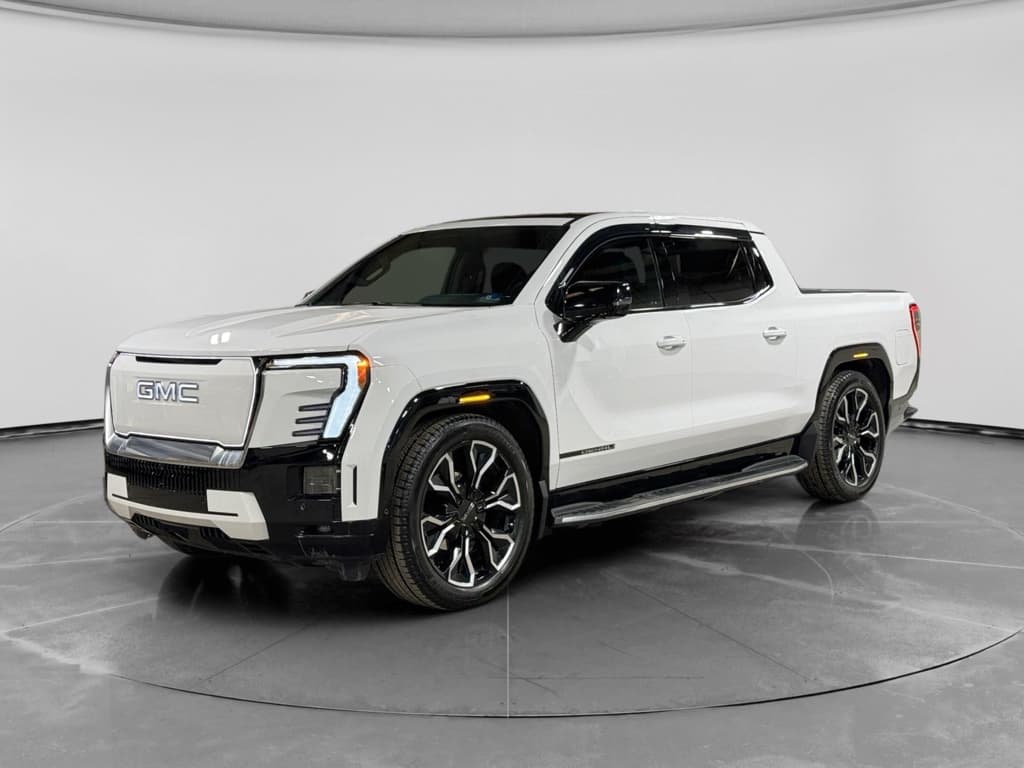
The GMC Hummer EV maintenance schedule looks a lot lighter than what you’d see for a gas-powered heavy-duty pickup, but that doesn’t mean you can ignore it. With a curb weight well north of 9,000 pounds, massive tires, and a big battery pack, the Hummer EV puts unique stress on tires, brakes, and suspension. Staying on top of the right inspections is critical if you want this super truck to age well and hold its value.
Where to Confirm Your Exact Schedule
Overview: How the GMC Hummer EV Maintenance Schedule Works
Because the Hummer EV is fully electric, there’s no oil to change, no spark plugs, and no traditional transmission service. The official schedule is built around time-based inspections and mileage-based wear items like tires, brakes, and coolant for the battery and power electronics. GM generally maps maintenance in 7,500–10,000‑mile steps or 12‑month timeframes, whichever comes first.
Core Elements of the Hummer EV Maintenance Plan
Think inspections and wear items, not fluid changes and tune-ups.
Mileage-Based Visits
Most owners will see suggested visits around 7,500–10,000 miles for tire rotation, brake inspection, and multi-point checks.
Time-Based Checks
Even if you don’t drive much, GM expects annual inspections to spot tire aging, corrosion, and coolant issues.
EV System Health
High-voltage components are usually inspected, not replaced, but coolant and software updates still matter over time.
Use the Truck’s Own Reminders
Factory GMC Hummer EV Maintenance Schedule by Mileage
GM doesn’t publish a flashy table for the Hummer EV the way it does for volume models, but the pattern is straightforward. Below is a representative schedule for typical Hummer EV usage. Use it as a conversation starter with your dealer or independent EV shop, not a replacement for the manual.
Approximate GMC Hummer EV Maintenance Schedule
Common intervals for inspections and service on most Hummer EV models (Edition 1, EV2x, EV3x). Always verify against your VIN-specific schedule.
| Mileage / Time | Key Service Items | Notes |
|---|---|---|
| 7,500 mi / 12 months | Tire rotation; brake inspection; suspension & steering check; fluid level check; software updates | Very important on heavy EVs, don’t skip, even with low miles. |
| 15,000 mi / 24 months | Repeat 7,500‑mile items; cabin air filter inspection or replacement; check 12V battery | Dusty or urban driving will clog cabin filters faster. |
| 22,500 mi / 36 months | Tire rotation; brake and rotor inspection; inspect coolant levels; underbody corrosion check | Good time to address any squeaks, rattles, or alignment pulls. |
| 30,000 mi / 36–48 months | Repeat full inspection; likely new tires for many owners; cabin air filter; alignment check | Many Hummer EVs will burn through the first tire set by ~30k miles. |
| 45,000–60,000 mi / 4–5 years | Comprehensive multi-point inspection; coolant service as specified; more aggressive brake and suspension review | Expect more expensive wear items (bushings, control arms) to show up here if abused. |
| Every visit | Visual battery enclosure inspection; check for warning lights or stored fault codes; over-the-air or dealer software updates | Keeping software current can improve range, charging, and diagnostics. |
Intervals shown are approximate; follow whichever comes first: mileage or time.
Heavy Use Shortens These Intervals
How Hummer EV Maintenance Differs from Gas Trucks
What You Don’t Need Anymore
- No oil changes: No engine oil, oil filter, or fuel filters to replace.
- No spark plug or ignition service: The high‑voltage battery replaces the internal combustion engine.
- No traditional transmission flush: The Hummer EV uses electric drive units, not a multi‑gear automatic transmission.
What Still Matters (Sometimes More)
- Tires: Instant torque and weight punish tread.
- Brakes & suspension: Regenerative braking helps, but the truck’s mass still stresses components.
- Battery cooling: EVs trade oil and engine coolant for high‑voltage coolant circuits that must stay leak‑free and properly filled.
Overall Maintenance Load vs. Gas
High-Priority Hummer EV Maintenance Items
When you strip out engine work, a short list of maintenance items does most of the heavy lifting on long‑term reliability. If you do nothing else, take these seriously.
Top Four Hummer EV Maintenance Priorities
Handle these on schedule and you’ll prevent most big repair surprises.
Tire Rotations
Rotate every 7,500 miles or less. The Hummer EV’s weight and torque can shred tires if you skip this.
Alignment Checks
At least every 15,000–20,000 miles, or sooner after potholes or off‑roading. Misalignment accelerates tire and suspension wear.
Brake Inspections
Even with regen, the truck’s mass means you should visually inspect pads and rotors at least once a year.
Coolant & Seals
EVs still rely on coolant for the battery and power electronics. Catching leaks early protects very expensive components.
Tires, Brakes, and Suspension on the Hummer EV
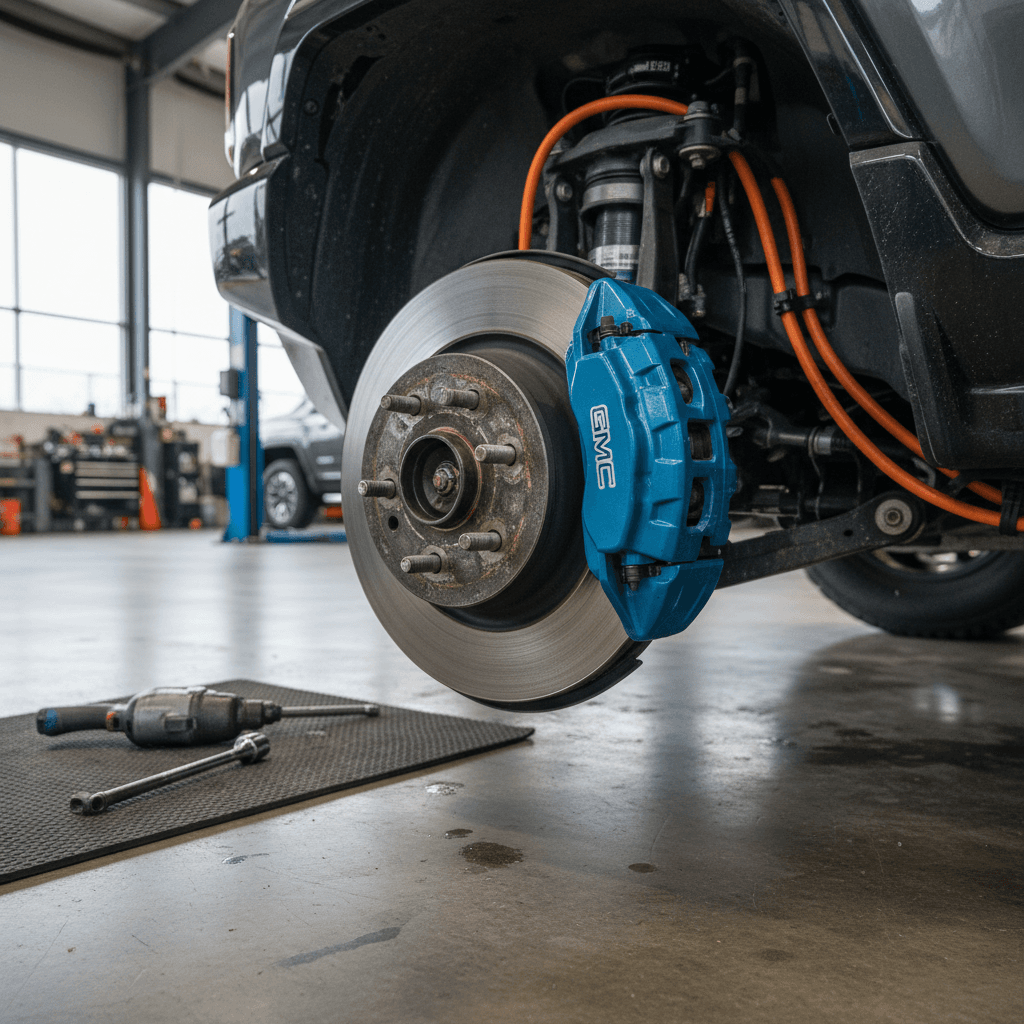
If there’s one place Hummer EV owners get surprised on maintenance costs, it’s under the truck. Big off‑road tires, complex suspension hardware, and sheer curb weight conspire to wear parts out faster than you might see on a smaller EV.
Key Wear Areas to Watch
1. Aggressive Tire Wear
Inspect tread depth at every wash or charge stop at home. Uneven wear (inside or outside edge) usually means you need an alignment and possibly a suspension check.
2. Cupping or Feathering
Off‑road use and heavy loads can cause odd tread patterns. Catching this early with a rotation and alignment can save a set of $400+ tires.
3. Brake Pad Taper or Hot Spots
Ask your shop to document pad thickness front and rear. With regen braking, <strong>pads can age more by time and heat cycles</strong> than by pure mileage.
4. Suspension Bushings & Ball Joints
Clunks over bumps, wandering at highway speeds, or uneven steering feel can signal control arm or steering component wear.
Don’t Cheap Out on Tires
Battery and High-Voltage System Care
The Ultium battery pack is the most expensive single component on the Hummer EV. The maintenance schedule focuses less on opening it up and more on protecting it with inspections, coolant integrity, and software that manages charging and heat.
- Follow GM’s guidance on DC fast charging frequency and avoid repeated 0–100% sessions when possible.
- Park in shade or a garage in extreme heat and avoid letting the truck sit at 100% charge for days at a time.
- Schedule service promptly if you see battery or high‑voltage warning lights, even if the truck still drives normally.
- Make sure any body or underbody repairs after an accident include a visual check of the battery enclosure and cooling lines.
Software Updates Are Battery Maintenance
Typical GMC Hummer EV Maintenance Costs
Real‑world costs will vary by region and dealer, but you can roughly group Hummer EV maintenance into three buckets: basic inspections, tire/suspension work, and out‑of‑warranty EV system repairs. The first bucket is fairly tame; the other two can add up if left unchecked.
Budgeting for Hummer EV Maintenance
Where EVs Often Save You Money
Maintenance Red Flags When Buying a Used Hummer EV
For used shoppers, and that’s where companies like Recharged live, maintenance history is the difference between a solid Hummer EV and a very expensive project. You want documentation that the truck’s weight and power have been respected, not abused.
Used Hummer EV: Green Flags vs. Red Flags
What to look for in service records and physical inspections.
Positive Signs
- Documented tire rotations every 7,500 miles or less.
- Alignments noted after off‑road trips, wheel changes, or curb hits.
- No history of “battery system” or “high‑voltage” warning lights.
- Dealer or EV‑specialist inspection reports on file.
Red Flags
- Uneven tire wear or mismatched tire brands/load ratings.
- Unexplained suspension or steering component replacements at low miles.
- Gaps in maintenance records for years at a time.
- Repeated service visits for charging, battery, or cooling issues.
How Recharged Evaluates Used Hummer EVs
DIY Maintenance Checklist for Hummer EV Owners
You don’t need a lift and scan tool to keep tabs on your Hummer EV between scheduled visits. A few simple habits can help you catch problems early and stretch out the life of key components.
Owner DIY Maintenance Checklist
1. Monthly Tire Inspection
Check tread depth, look for sidewall damage, and verify tire pressures, especially after big temperature swings. Use the door‑jamb sticker, not the tire’s max PSI rating.
2. Listen for New Noises
Clunks, creaks, or whines that weren’t there last month usually mean something in the suspension or driveline has shifted. Note when it happens and mention it at your next visit.
3. Watch for Warning Lights
Battery, charging, and brake warnings are not “wait and see” issues on an EV. Take photos of any messages and schedule service quickly.
4. Keep the Underbody Clean
If you off‑road or drive in winter salt, rinse the underbody periodically. You’re protecting not just the frame, but also <strong>coolant lines and high‑voltage components</strong> that run below the cabin.
5. Document Everything
Save digital invoices, alignment sheets, and inspection reports in one folder. This paper trail can add real money to your resale value when it’s time to sell or trade.
GMC Hummer EV Maintenance FAQ
Frequently Asked Questions About Hummer EV Maintenance
Bottom Line: Stick to the Schedule, Protect the Truck
The GMC Hummer EV doesn’t bury you in oil changes and tune‑ups, but it does demand respect for its weight, power, and complex suspension. If you stay on top of tire rotations, alignments, brake and suspension inspections, and battery cooling checks, the rest of the schedule is surprisingly manageable.
For current owners, that means building a relationship with a dealer or EV‑savvy shop that understands heavy electric trucks. For shoppers eyeing a used Hummer EV, it means digging into records and leaning on tools like a Recharged Score Report to verify battery health and maintenance history. Either way, following the maintenance schedule isn’t just about reliability, it’s about protecting the value of a very expensive, highly capable electric truck over the long haul.