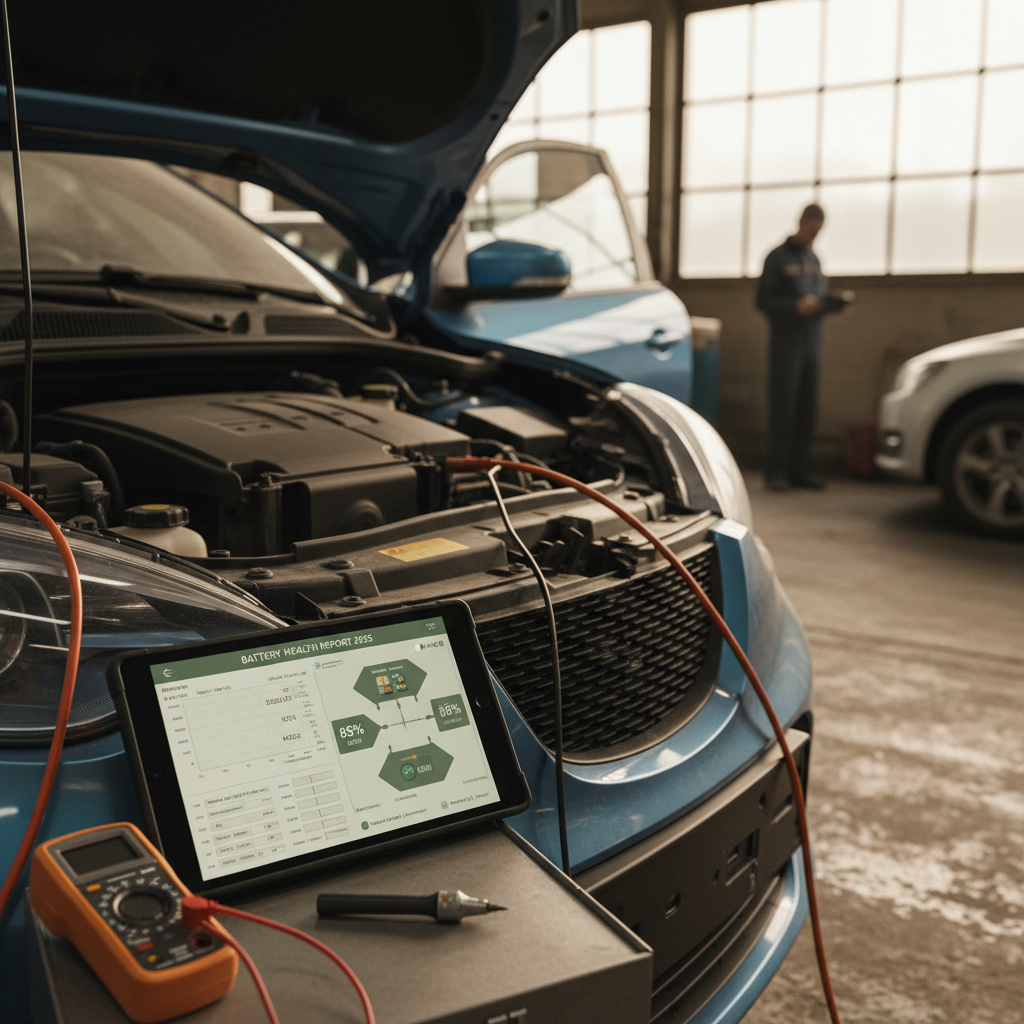
If you’re getting ready to sell a Genesis GV70 Electrified, you’re not just selling a luxury SUV, you’re selling a fast‑charging, 800‑volt EV with quirks that most buyers don’t fully understand. A model‑specific Genesis GV70 Electrified selling checklist helps you price it correctly, present it honestly, and answer the EV questions that separate serious buyers from time‑wasters.
Who this checklist is for
Why a model-specific selling checklist matters
Compared with gas GV70s, the Electrified GV70 lives in a very different used‑value world. Rapid incentives, deep new‑car discounts, and fast‑moving EV tech mean paper depreciation can look brutal, even though the vehicle itself is still a fantastic daily driver. At the same time, its 77.4 kWh battery, 800‑V architecture, and rapid 10–80% DC fast‑charging in roughly 18–20 minutes make it unusually compelling for the right buyer.
A generic used‑car checklist won’t tell you which charging accessories to include, how to talk about battery health, or why a clean DC fast‑charge history can calm skeptical EV shoppers. That’s what this Electrified‑GV70‑specific checklist is designed to do.
How Recharged fits in
Step 1: Confirm your Electrified GV70 specs and options
Before you even think about pricing, confirm exactly what you have. Electrified GV70s look similar on the outside, but equipment and running changes matter for value.
Specs to confirm before you price
Model year & trim
Verify the exact model year (e.g., 2023 vs 2024) and trim (Advanced vs Prestige). Small differences in equipment, like Highway Driving Assist II, panoramic roof, or upgraded audio, change where your car sits versus comparable listings.
Drivetrain & color combo
All Electrified GV70s in the U.S. are dual‑motor AWD, but color and interior combos matter. Note paint color, interior color, and any desirable options like tow prep or appearance packages.
Battery & charging hardware
The Electrified GV70 uses a ~77.4 kWh battery and 800‑V architecture with rapid DC charging. Confirm whether your car has any dealer‑installed home charging equipment on the bill of sale, if you include it, mention that clearly.
Mileage & usage pattern
Record current odometer, average monthly miles, and whether the vehicle has mostly seen highway commuting, short‑trip city driving, or road‑trip duty. Light, consistent use is more attractive than long periods sitting parked.
Don’t mix up gas and electric GV70 values
Step 2: Understand current value and depreciation
Electrified GV70s have seen aggressive early depreciation, largely because new EVs have been heavily incentivized while used EV demand is still catching up. Price your car as if you’re competing with discounted new examples, not just other used listings.
Electrified GV70 resale snapshot (U.S. market, 2024–2025)
Electrified GV70 pricing cheat sheet
How condition and history affect asking price
Use this as a directional guide alongside live listings and instant‑offer tools, real‑time market data should always be your final reference point.
| Profile | Mileage | Condition & history | Market positioning vs similar EVs |
|---|---|---|---|
| “Cream puff” CPO‑like | Under 15,000 mi | No accidents, clean interior, full records, no open recalls, one owner | Can justify pricing at the upper end of used EV luxury SUV listings in your region. |
| Solid daily driver | 15,000–35,000 mi | Minor cosmetic wear, complete maintenance, no serious repairs | Price mid‑pack; focus ad copy on battery health and charging convenience. |
| High‑mileage commuter | 35,000–60,000+ mi | Normal wear, documented charging behavior, possibly original tires/brakes | Lean more aggressive on price and highlight how depreciation makes it a value play. |
| Prior damage / lemon buyback | Any | Accidents, paintwork, or branded Carfax (e.g., buyback for ICCU/battery issue) | Expect a noticeable discount; transparency and paperwork matter more than ever. |
Adjust your starting ask up or down based on where your Electrified GV70 fits in this grid.
Use instant offers as a sanity check
Step 3: Document battery health and charging history
For most Electrified GV70 buyers, the traction battery is the whole ballgame. They don’t want to be a test case for long‑term battery degradation, and they’ve seen enough scary forum posts to arrive skeptical. Your job is to replace fear with documentation.
Ways to prove your Electrified GV70’s battery is healthy
You don’t need to be an engineer, just organized and honest.
Battery‑health reports
Many buyers will ask, “What’s the battery health?” Your options:
- Pull state‑of‑health data from dealer service records where available.
- Use a reputable third‑party battery test service.
- On Recharged, every vehicle gets a Recharged Score Report that summarizes independently verified battery condition.
Charging habits
Sketch your real‑world use in the listing and during conversations:
- Typical charge level (e.g., usually 20–80% at home).
- Rough split between home Level 2 and DC fast charging.
- Any regular road‑trip routes.
Moderate DC use and avoiding 100% daily charging are reassuring signals.
Range and efficiency logs
Buyers care more about real range than brochure numbers:
- Share typical highway range at 65–70 mph in mild weather.
- Mention winter range if you live in a cold climate.
- Screenshot your trip computer showing recent mi/kWh.
Be careful with “100% health” claims
Step 4: Take care of maintenance, recalls, and ICCU issues
Many Electrified GV70 owners have sailed through ownership with only routine tire rotations. Others have dealt with issues like ICCU (integrated charging control unit) failures or low‑voltage battery problems. For resale, the key is to close the loop on any problems and show it in the paperwork.
Pre‑sale service and safety checklist
Check for open recalls and campaigns
Run your VIN through Genesis’s recall site or a dealer service department. If there’s an open campaign, especially around charging, ICCU, or battery management, have it completed before you list the car, then keep the repair order.
Annual service and software updates
Buyers want to see at least basic annual checks: brake inspection, cabin filter, tire rotation, and any software or TSB updates. If those records are missing, consider a fresh inspection now and include the report.
Resolve obvious warning lights
If there are any active warnings, especially EV‑system or battery‑related, address them before you show the car. A single amber light can erase thousands of dollars of perceived value in a 10‑minute test drive.
Tires and brakes
Document remaining tread depth and brake pad thickness. The Electrified GV70 is heavy and quick; fresh tires and healthy brakes are big confidence builders for a performance‑minded EV buyer.
Don’t hide serious EV issues
Step 5: Detail the car with EV buyers in mind
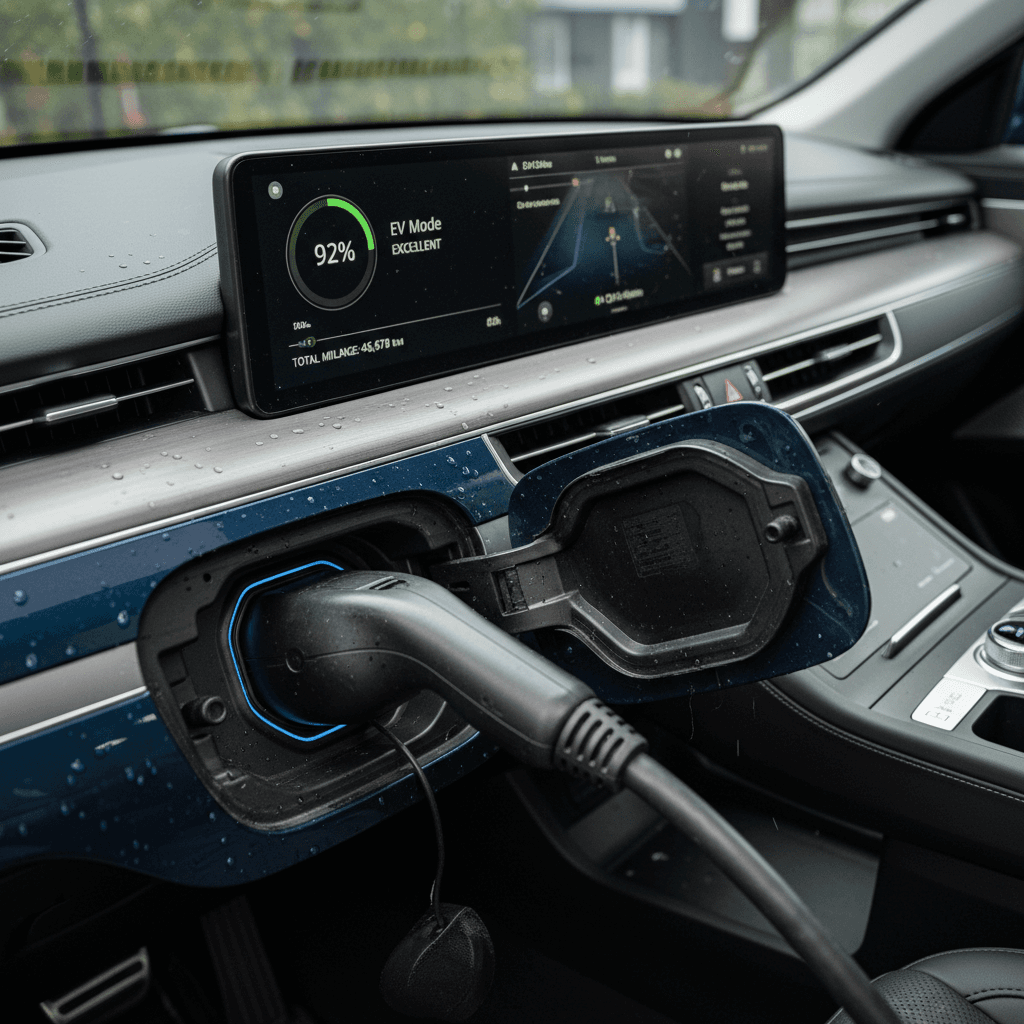
Detailing a luxury EV is about more than shampooing floor mats. You’re telling a story about how the car has been treated, and EV shoppers tend to read those cues closely because they can’t see inside the battery pack.
High‑impact detailing items for Electrified GV70 sellers
Focus on what buyers actually notice in person and in photos.
Exterior first impression
- Hand wash and clay if needed; avoid harsh tunnel washes.
- Touch up small chips and curb rash where reasonable.
- Dress tires lightly, skip the greasy look.
Make sure the charge‑port door opens smoothly and is spotless in photos.
Cabin & tech surfaces
- Deep clean leather, dash, and piano‑black trim.
- Remove personal profiles and paired phones from the infotainment system.
- Set the cockpit to a neutral, bright layout for photos.
Charging‑ready presentation
- Show the car fully charged or at a comfortable state of charge (60–80%) in photos.
- Include shots of the charging port, in‑car charging screens, and included cables.
- Avoid clutter around the vehicle, buyers should picture it in their own driveway.
Small EV‑centric touches go a long way
Step 6: Gather paperwork, keys, and charging gear
The easiest way to make your Electrified GV70 stand out is to be the seller who has everything ready in one folder. It makes test drives smoother and negotiations shorter.
What to have ready before you list
Title, registration, and ID
Confirm the title is in your name and locate any lien‑release letter if you’ve recently paid off a loan. Verify registration is current so test drives are legal.
Service and recall records
Print or save PDFs of dealer service history, recall/compliance campaigns, and any independent shop invoices related to tires, brakes, or alignment.
Battery and charging documentation
Include any battery‑health reports, warranty paperwork, or documentation of ICCU or charging‑system repairs. This is especially helpful for wary first‑time EV buyers.
Charging equipment & accessories
List every item you’re including: factory portable charger, any wall‑mounted Level 2 if it stays with the car, adapters, extra charging cables, winter wheels, cargo accessories, etc. Missing gear gives buyers leverage to push price down.
How Recharged handles this step
Step 7: Decide between trade-in, consignment, and private sale
The Electrified GV70 sits in a niche market: some traditional dealers don’t understand it yet, while EV‑savvy buyers are hunting for bargains. That makes your sales channel choice more important than it might be for a mainstream gas SUV.
Trade‑in or instant offer
- Fastest and simplest path.
- Great if you’re already buying another vehicle.
- May undervalue EV‑specific strengths like fast charging.
Best for: Time‑constrained sellers who value convenience over squeezing every last dollar.
Consignment on an EV marketplace
- Specialist platforms (like Recharged) market your car to EV‑focused buyers.
- You get guidance on pricing, photography, and disclosures.
- Fees apply, but you often net more than a generic trade‑in.
Best for: Owners who want help telling the Electrified GV70 story without DIYing everything.
Private sale
- Maximum control over price and buyer selection.
- Requires managing listings, messages, test drives, and paperwork.
- Demands confidence explaining EV basics and safety.
Best for: Sellers with time, patience, and comfort walking buyers through the EV learning curve.
Hybrid strategy that often works
Step 8: Write an EV-savvy listing and photos
Your listing needs to speak two languages at once: mainstream luxury‑SUV shopper and EV‑curious buyer. That means highlighting both comfort and charging, both styling and battery health.
What to include in a compelling Electrified GV70 listing
Hit these notes and you’ll stand out from generic marketplace ads.
Key bullets for your description
- Year, trim, color combo, and major options.
- Current mileage and ownership history (e.g., one‑owner, non‑smoker).
- Battery‑related details: typical range you see, fast‑charging behavior, and any health reports.
- Warranty status, including remaining high‑voltage battery coverage.
- Recent maintenance, recall work, or new tires.
Photo checklist
- Front 3/4 exterior, rear 3/4, both sides.
- Close‑ups of wheels, lights, and badges (including “Electrified”).
- Cabin, rear seats, cargo area with seats up/down.
- Instrument cluster with mileage, center screen showing range and charging info.
- Charging port open, cable attached, and any included accessories laid out neatly.
Avoid over‑selling range
Step 9: Handle test drives and EV-specific questions
Once you’ve filtered out obvious low‑ballers, the test drive is where serious Electrified GV70 buyers decide whether to move ahead, and where you can quietly demonstrate that you’ve been a thoughtful owner.
Test drive game plan for your Electrified GV70
Pre‑charge and pre‑condition
Have the battery at a comfortable state of charge (50–80%) and the cabin pre‑conditioned before the buyer arrives. This shows off the car’s instantaneous warmth/AC and avoids low‑battery anxiety.
Walk‑through of controls
Spend 3–5 minutes showing how to start/stop the car, shift, adjust regen modes, and bring up key screens (range, energy use, driver‑assist settings).
Address common EV fears up front
Be ready to explain home charging options, DC fast‑charging speeds, winter performance, and warranty coverage in plain language. Use your own experience rather than reciting the brochure.
Safe route and solo driving protocol
Choose a test route you know well. For private sales, consider riding along for safety and to answer questions, or, if you let them drive solo, verify their license and snap a photo of it for your records.
Insurance and liability reminder
Step 10: Close the sale safely and transfer charging access
When buyer and seller agree on a number, the finish line is close, but with an EV, you have a few extra steps beyond signing the title and handing over the keys.
- Meet at a safe, well‑lit location, ideally a bank or credit union where funds can be verified or a cashier’s check can be issued on the spot.
- Use a written bill of sale that captures VIN, mileage, sale price, date/time, and that the vehicle is sold as‑is unless you’ve agreed otherwise.
- If there’s still a lien, coordinate directly with your lender on payoff logistics so neither party is relying on vague promises.
- Delete your personal profiles, phone pairings, home/work navigation entries, and connected‑services accounts from the car and associated apps.
- If the buyer wants a brief charging tutorial, stop at a nearby Level 2 or DC fast charger and walk them through starting and ending a session.
- Hand over all keys, charging cables, adapters, and documentation you agreed to include, then take photos for your own records.
Never “hold the car” on vague promises
Genesis GV70 Electrified selling checklist (printable summary)
One‑page Genesis GV70 Electrified selling checklist
1. Confirm specs
Year, trim, color combo, options, mileage, and battery/charging hardware all verified against original documents and current condition.
2. Research value
Review instant offers, EV‑specific pricing guides, and comparable Electrified GV70 listings. Set a realistic asking range based on your car’s profile.
3. Document battery health
Gather any SOH reports, range screenshots, and notes on charging behavior. Be ready to talk about real‑world range and fast‑charging performance.
4. Close maintenance gaps
Complete open recalls or campaigns, address warning lights, and get a fresh inspection if service history is thin or scattered.
5. Detail and photograph
Thoroughly clean inside and out, stage the car with charge cables neatly presented, and capture high‑quality photos including charging and infotainment screens.
6. Organize paperwork & gear
Title, registration, ID, service records, warranty docs, charging equipment, second key, and accessories all gathered into one place.
7. Choose your channel
Decide whether to trade in, use consignment/marketplace support like Recharged, or list privately based on your time, risk tolerance, and price goals.
8. Build the listing
Write a clear, EV‑savvy description and upload a complete photo set. Be transparent about any cosmetic or historical blemishes.
9. Manage inquiries & tests
Screen buyers with a few quick questions, schedule test drives in safe locations, and be prepared to explain EV basics calmly and clearly.
10. Close and transfer
Verify funds, complete title and bill of sale, remove accounts from the car, hand over keys and charging gear, and keep copies of all paperwork.
Genesis GV70 Electrified selling FAQ
Frequently asked questions about selling a Genesis GV70 Electrified
Selling a Genesis GV70 Electrified isn’t hard, but it is different from selling a gas SUV. If you follow this checklist, document your battery and service history, and choose the right sales channel for your situation, you can turn early‑EV depreciation into an opportunity for a smooth, confident sale. And if you’d rather have a specialist by your side from pricing to paperwork, Recharged is built to make that entire process simpler, for you and for the next owner.