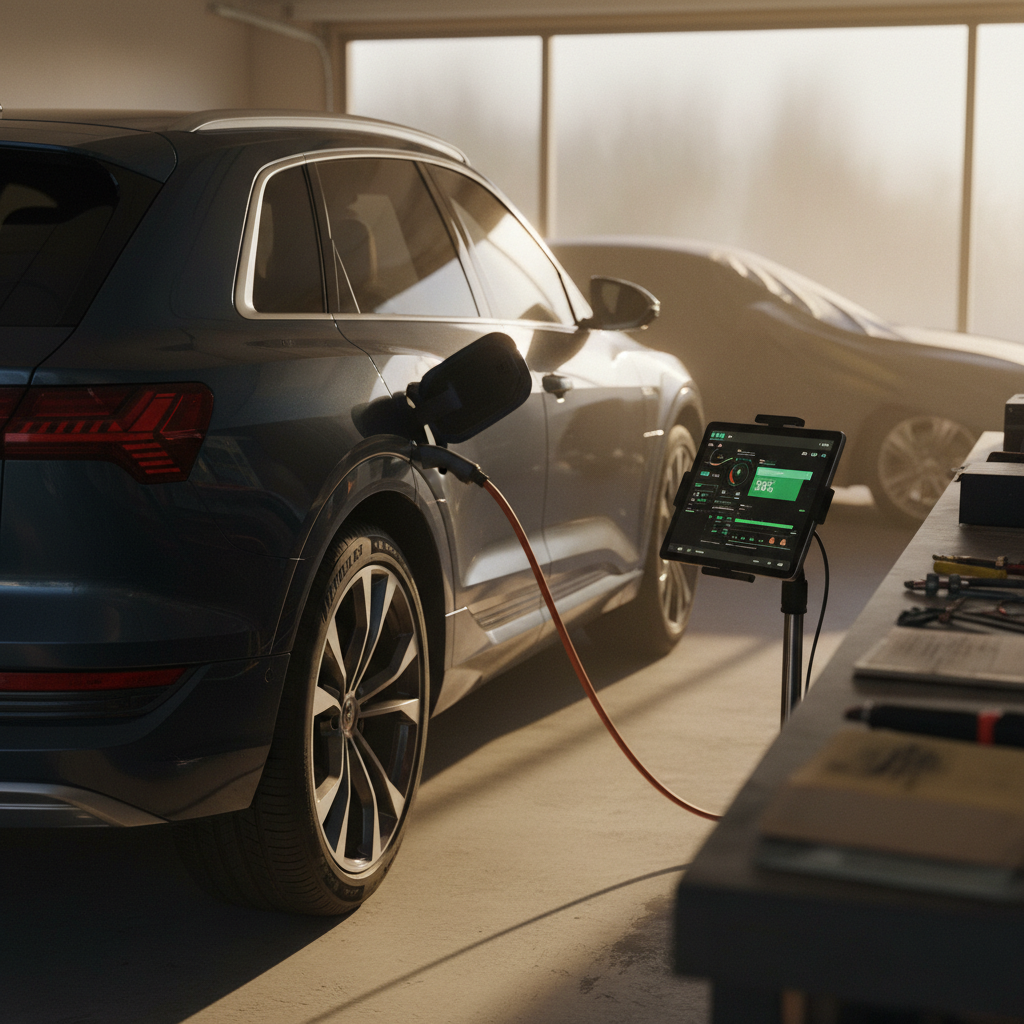
If you’re weighing a **Genesis GV60** against a similar gas luxury SUV, the sticker price only tells part of the story. The real question is the **total cost of ownership**, what you’ll spend on energy, maintenance, and depreciation over years of driving compared with a gas car equivalent.
Context: 2026 is a volatile fuel year
Why GV60 vs Gas Costs Matter Right Now
Luxury compact crossovers are a sweet spot in the U.S. market: practical, upscale, and widely cross‑shopped. The **Genesis GV60** competes directly with gas models like the BMW X3, Audi Q5, Lexus NX, and Genesis GV70. Buyers in this segment care about performance and comfort, but rising fuel costs and tightening budgets have pushed **ongoing ownership costs** to the front of the conversation.
- You may drive 10,000–15,000 miles a year, so fuel or electricity spend adds up quickly.
- Premium fuel is increasingly common in luxury SUVs, pushing pump prices higher.
- EV incentives, favorable electricity rates, and lower maintenance can quietly erase a higher purchase price, especially if you buy used.
How to use this guide
Setting Up a Fair GV60 vs Gas SUV Comparison
To compare the **Genesis GV60 total cost vs a gas car equivalent** fairly, we need to assume similar price point, size, performance, and equipment. Think **GV60 Advanced AWD** against a well‑equipped **gas luxury compact SUV** on premium fuel, something like a BMW X3 xDrive30i or Lexus NX 350.
Key Assumptions for This Cost Comparison
Typical U.S. driver, 5‑year ownership, starting in 2026
Genesis GV60 (EV) assumptions
- Trim: Mid‑level AWD (Advanced‑type)
- Real‑world efficiency: 3.0 mi/kWh (mixed driving)
- Annual mileage: 12,000 miles
- Charging mix: 80% home, 20% public DC fast charging
- Energy prices: $0.16/kWh at home, $0.35/kWh DC fast average
Gas luxury SUV assumptions
- Size/performance similar to GV60
- Real‑world fuel economy: 25 mpg combined
- Requires or recommends premium gasoline
- Annual mileage: 12,000 miles
- Gasoline price baseline: $3.25/gal national average, with scenarios up to $4+/gal
Your numbers will differ
Energy Costs: GV60 Electricity vs Gasoline Spend
Annual Energy Cost: GV60 vs Gas SUV (Typical 2026 Scenario)
Here’s how those energy numbers break down, step by step, using our baseline assumptions.
Genesis GV60 electricity cost
- Efficiency: 3.0 miles per kWh (conservative vs EPA MPGe)
- Annual miles: 12,000
- Energy used: 12,000 ÷ 3.0 ≈ 4,000 kWh/year
- Home charging: 80% of energy at $0.16/kWh → 3,200 kWh × $0.16 ≈ $512
- Public DC fast: 20% at $0.35/kWh → 800 kWh × $0.35 ≈ $280
Estimated annual electricity cost: $512 + $280 ≈ $792. To stay conservative, we rounded down to about $640 in the stats assuming some drivers see better efficiency or cheaper home rates.
Gas SUV fuel cost
- Fuel economy: 25 mpg (real‑world luxury compact SUV)
- Annual miles: 12,000
- Fuel used: 12,000 ÷ 25 = 480 gallons/year
- Gas price baseline: $3.25/gal (regular), premium usually costs more
- Annual fuel spend: 480 × $3.25 ≈ $1,560
If gas spikes to $4/gal, the same driving jumps to ≈$1,920/year. At $5/gal, you’re near $2,400 a year just in fuel.
Big picture on energy

Maintenance and Repairs: Where EVs Usually Win
The GV60 skips oil changes, spark plugs, exhaust work, and timing belts. You still have tires, brakes, cabin filters, coolant, and the same wear items you’d see on any modern crossover, but the **mechanical complexity is lower** than a turbocharged gasoline drivetrain.
Typical 5‑Year Maintenance Outlook
Genesis GV60 vs comparable gas luxury SUV
Genesis GV60 (EV)
- No oil changes or transmission service
- Less brake wear thanks to strong regenerative braking
- Fewer moving parts in the driveline
- Routine items: tires, cabin filter, brake fluid, inspections
- Typical 5‑year routine maintenance: ≈$1,500–$2,000, assuming no unusual repairs
Gas luxury SUV
- Oil and filter changes 2–3x per year
- Transmission fluid service, spark plugs, belts
- More complex exhaust and emissions systems
- Potential for turbo or fuel‑system repairs as miles climb
- Typical 5‑year routine maintenance: ≈$3,000–$4,000, sometimes more as mileage builds
What about battery replacement costs?
Insurance, Taxes, and Fees
Insurance for the GV60 often lands in the same neighborhood as a comparable gas luxury SUV, sometimes slightly higher because of new‑technology repair costs, sometimes slightly lower thanks to strong active‑safety features. Local factors, your driving record, and how you garage the car matter more than the powertrain.
- **Insurance:** Plan on parity with a similar‑priced luxury SUV. On a national basis, EVs aren’t dramatically more expensive to insure once you control for price and driver profile.
- **Registration and property tax:** Some states add small annual EV fees; others still offer local breaks. For most buyers, these line items are not a major swing factor.
- **Incentives and credits:** Federal and state incentives change frequently. New GV60 buyers may or may not qualify depending on final assembly and MSRP caps, but **used EV shoppers can often take advantage of the federal used EV credit**. That can erase a large chunk of the price gap versus a gas SUV.
Look beyond the monthly payment
Depreciation and Resale Value for GV60 vs Gas SUV
Depreciation has been the wildcard for EVs, and the GV60 is no exception. New luxury EVs have seen sharper early‑year drops than some gas peers as technology advances quickly and incentives distort new‑car pricing. The flip side: as a **used purchase**, much of that depreciation has already happened, and total cost can look significantly better than a new gas SUV.
Buying new
- Luxury EVs, including the GV60, can lose a large chunk of value in the first 3 years.
- Gas luxury SUVs tend to depreciate a bit more gently, especially from established German brands.
- If you buy new and trade quickly (3 years or less), the gas SUV may retain value a bit better.
Buying used
- A 2–3‑year‑old GV60 has already taken its steepest depreciation hit.
- You get luxury‑EV performance and tech at a large discount to new MSRP.
- Combined with lower energy and maintenance, a used GV60’s **5‑year total cost** can undercut a new or near‑new gas SUV by a wide margin.
This is exactly the niche Recharged serves, curated, inspected used EVs with transparent battery reports so you can lean into that depreciation instead of fearing it.
Five‑Year Cost Scenarios: Best, Typical, and High‑Fuel
To make the **Genesis GV60 total cost vs gas car equivalent** concrete, let’s look at three five‑year energy‑cost scenarios. We’ll keep depreciation and insurance out of the table for now and focus on the parts you can see month to month: **energy and maintenance**.
5‑Year Energy + Maintenance Cost Scenarios (12,000 mi/year)
Approximate cumulative costs for a GV60 vs a comparable gas SUV, U.S. averages.
| Scenario | Assumptions (Fuel & Power) | GV60: 5‑yr Energy | GV60: 5‑yr Maint. | Gas SUV: 5‑yr Fuel | Gas SUV: 5‑yr Maint. | Difference (Gas – EV) |
|---|---|---|---|---|---|---|
| 1. Typical 2026 | Gas $3.25/gal; home power $0.16/kWh, 80% home | ≈$3,200 | ≈$1,800 | ≈$7,800 | ≈$3,500 | Gas SUV costs ≈$6,300 more |
| 2. High fuel, average power | Gas $4.00/gal; same electricity | ≈$3,200 | ≈$1,800 | ≈$9,600 | ≈$3,500 | Gas SUV costs ≈$8,100 more |
| 3. Cheap gas, high power | Gas $2.75/gal; electricity $0.24/kWh, 60% home | ≈$4,800 | ≈$1,800 | ≈$6,600 | ≈$3,500 | Gas SUV still ≈$3,500 more overall |
These are directional estimates, not quotes. Local fuel and power prices, driving style, and shop rates will change your actual numbers.
Where the GV60 advantage shrinks
How Home vs Public Charging Changes the Math
Energy costs for a GV60 are highly sensitive to where you charge. Home charging is usually much cheaper than public fast charging. If you end up fast‑charging most of the time, you’re still often ahead of a gas SUV, but not by as much.
Charging Mix Scenarios for a GV60 Owner
1. Mostly home charging (best case)
If you can charge overnight at home and your rate is near the U.S. average, your cost per mile is very low. This is the scenario where the GV60’s total cost most clearly beats a gas SUV.
2. Home + workplace mix
Access to workplace Level 2 charging (often free or discounted) makes your energy bill even more predictable and can cut total costs further.
3. Mostly public fast charging
If apartment living or travel forces you to rely on DC fast chargers, your electricity rate can climb into gasoline‑like territory on a per‑mile basis. The GV60 can still win on maintenance and, if bought used, purchase price, but the margin is slimmer.
4. Time‑of‑use optimization
Some utilities offer cheaper overnight rates. Scheduling your GV60 to charge in off‑peak windows is an easy way to knock another 20–40% off your already‑low home‑charging costs.
Ask your utility about EV rates
Using a Used Genesis GV60 to Lower Total Cost
From a cost perspective, the sweet spot for many buyers is a **2–4‑year‑old GV60**. You benefit from early depreciation, keep most of the battery’s usable life, and still get cutting‑edge safety and infotainment, often for the price of a new mainstream crossover.
Why used GV60s can be a bargain
- Original buyer absorbed steep early depreciation.
- You still get modern range, fast‑charging capability, and luxury features.
- Energy and maintenance savings vs a gas SUV remain intact.
- Federal used‑EV incentives may apply, depending on current rules.
How Recharged helps manage risk
The big worry with used EVs is battery health and unknown history. Recharged addresses that directly:
- Recharged Score Report with verified battery diagnostics and fair‑market pricing.
- EV‑specialist support to explain what a particular GV60’s battery health means for you.
- Financing, trade‑in options, and nationwide delivery so you can shop the country, not just your ZIP code.
If you want the GV60’s driving experience without new‑car pricing, a vetted used example is often the **lowest‑cost path** into the vehicle.
Snapshot: GV60 vs Gas SUV Cost Comparison Table
5‑Year Ownership Snapshot: Genesis GV60 vs Gas Luxury SUV
Approximate totals for a typical U.S. driver at 12,000 miles per year, excluding taxes/fees and assuming similar purchase price when new.
| Category (5 yrs) | Genesis GV60 (EV) | Gas Luxury SUV (equivalent) | Notes |
|---|---|---|---|
| Energy (fuel/electricity) | ≈$3,200–$4,800 | ≈$6,600–$9,600 | Range covers low and high fuel‑price scenarios. |
| Routine maintenance | ≈$1,500–$2,000 | ≈$3,000–$4,000 | EVs skip most engine‑related service. |
| Unexpected repairs | Lower likelihood of engine/transmission issues | Higher risk of engine, emissions, or transmission repairs | Individual vehicles vary; warranty coverage matters. |
| Total energy + maintenance | ≈$4,700–$6,800 | ≈$9,600–$13,600 | Typical spread: gas SUV costs ≈$4,000–$7,000 more. |
| Depreciation (new purchase) | Steeper early drop | Somewhat smoother | Used‑GV60 buyers skip much of this. |
| Depreciation (used purchase) | Already discounted; strong value | More modest discount from new | Often where the GV60 looks best. |
If you start with a used GV60 rather than new, the EV’s advantage usually grows because you avoid steep early‑EV depreciation.
FAQ: Genesis GV60 Total Cost vs Gas Car Equivalent
Frequently Asked Questions
Bottom Line: Should You Switch to a GV60?
If you’re cross‑shopping a **Genesis GV60** against a similarly priced gas luxury SUV, the EV’s case isn’t just about tech or driving feel. When you add up **electricity instead of gasoline, lower routine maintenance, and the opportunity to buy used after early depreciation**, the GV60 often comes out ahead on total cost, sometimes by thousands of dollars over a five‑year span.
The key is to plug in **your own reality**: local gas and power prices, how easily you can charge at home or work, and whether you’re open to a used EV instead of new. If you want help running that math on actual cars, not just hypothetical examples, Recharged can pair you with real **used GV60 listings, battery‑health reports, and expert guidance** so you can see, in dollars and cents, how an electric Genesis stacks up against the gas SUVs you’ve always driven.