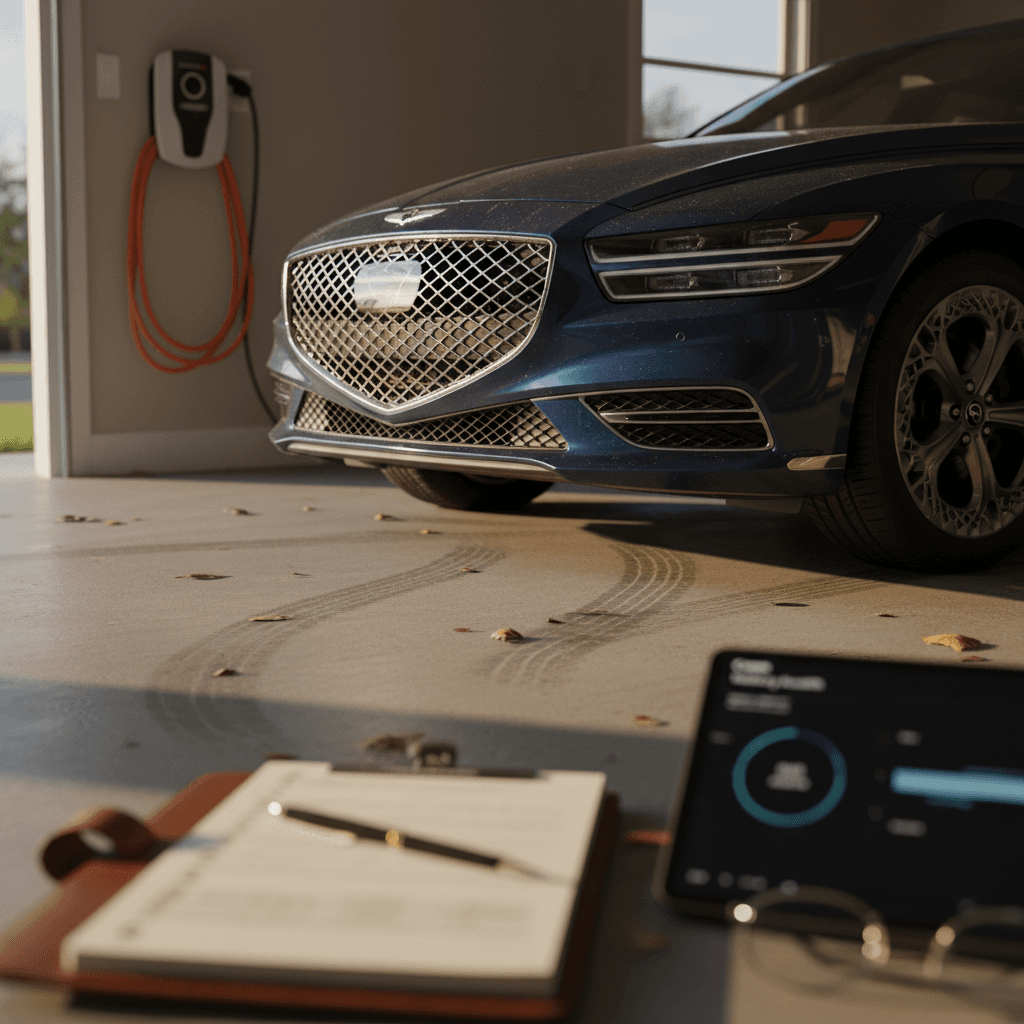
If you’re shopping for a luxury EV sedan, the **Genesis Electrified G80** is one of the most refined choices you can buy used. But before you commit, you’ll want clear answers on two things: **towing capacity** and **real-world range**. This guide walks through what the Electrified G80 can, and can’t, tow, how far it really goes on a charge, and what that means for everyday driving and road trips.
Key takeaway
Overview: Genesis Electrified G80 towing and range at a glance
Genesis Electrified G80: key towing & range specs
About model years and markets
Does the Genesis Electrified G80 have a towing capacity?
Here’s the blunt truth: the **Genesis Electrified G80 does not have a published towing capacity** in U.S. and most European spec sheets. In technical databases and manufacturer materials, the towing fields are either left blank or marked “–”, which is a strong signal that the vehicle is **not approved for towing** rather than “we just forgot to list it.”
- Genesis does **not** list an official tow rating (braked or unbraked) for the Electrified G80.
- Owner’s manuals and spec sites treat it as a passenger car only, not a tow vehicle.
- Aftermarket hitches, where available, are marketed for **bike racks or cargo platforms**, not trailers.
Don’t assume a hidden tow rating
Why many luxury EV sedans skip towing
Luxury EV sedans like the Electrified G80, Mercedes EQE, and BMW i5 focus on ride quality, aerodynamics, and refinement. Engineers optimize the rear structure and suspension for comfort, not for the extra stresses of trailer tongues and high tongue weights.
Adding a tow rating would often require structural changes, extra cooling, and different suspension tuning. On a low‑volume car like the Electrified G80, that investment rarely pencils out.
When an SUV might suit you better
If towing is even an occasional need, jet skis, a small camper, or a utility trailer, you’re usually better off with an electric SUV that carries a clear tow rating. Models like the Hyundai Ioniq 5, Kia EV9, or Genesis GV60 are designed with light towing in mind.
If you’re not sure what fits your use case, a used‑EV specialist at Recharged can help you compare range, payload and tow ratings across multiple models.
Battery size, EPA range and real-world efficiency
On paper, the Electrified G80 looks every bit the long‑range luxury sedan. Early cars sold in the U.S. use an **87.2 kWh battery pack** and dual‑motor all‑wheel drive. The EPA rates them at about **282 miles of combined range**, with a 0–60 mph time around **4.9 seconds**, quick enough to embarrass a lot of gas V8s while remaining whisper‑quiet.
Genesis Electrified G80 battery and range figures
Approximate figures for the Electrified G80 as sold in the U.S. and as updated internationally. Always check the window sticker or local homologation data for the exact car you’re considering.
| Specification | Earlier U.S. spec (2023–2024) | Later international facelift (2024+) |
|---|---|---|
| Battery capacity (gross) | 87.2 kWh | ~94.5–95.4 kWh |
| Usable battery (approx.) | ~82–90% of pack | Similar proportion |
| Official range standard | EPA (U.S.), WLTP (EU/UK), Korean test | Primarily WLTP/Korean |
| Headline range figure | ~282 mi EPA, ~323 mi WLTP | Up to ~354–373 mi WLTP / national tests |
| Max DC fast‑charge power | ~187 kW | Similar (around 187 kW) |
| AC onboard charger | 11 kW | 11 kW |
Numbers rounded for simplicity; real‑world range will vary with conditions.
Range numbers mean different things by market
In real mixed driving, many reviewers and owners report the Electrified G80 delivering around **260–300 miles per charge in mild weather** when driven sensibly. Highway‑heavy driving at U.S. interstate speeds, especially in colder temperatures, can knock that into the **220–250 mile** range before you’ll want to recharge.
How speed, weather and hills change your range
The Electrified G80 is efficient for a big luxury sedan, but physics still apply. Its large frontal area, curb weight over 5,000 lb, and powerful dual‑motor drivetrain mean that **high speed, cold weather, and steep grades can chew through range faster than you might expect**.
Biggest range killers in an Electrified G80
What will actually move your real‑world range up or down
Sustained high speed
Above about 70–75 mph, aerodynamic drag ramps up quickly. Expect noticeably lower efficiency if you cruise at the far right of the speedometer, especially into a headwind.
Cold temperatures
Cold weather thickens lubricants and forces the battery to use energy for self‑heating and cabin warmth. It’s not unusual to lose **15–30%** of rated range on frigid days, particularly on short trips.
Steep climbs and heavy loads
Long uphill stretches raise energy use; you’ll recover some on the way down via regen, but not all of it. Carrying a full passenger load or packing the trunk to the brim has a smaller but still noticeable effect.
Drive it like a luxury car, not a sports car
Is the Electrified G80 good for road trips? Charging & planning
As a long‑distance machine, the Electrified G80 is genuinely impressive. It pairs **near‑flagship comfort** with an efficient powertrain and **strong DC fast‑charging capability**, Genesis quotes about **10–80% in roughly 22–25 minutes** on a high‑power DC fast charger under ideal conditions. That puts it in the same league as many newer premium EVs.
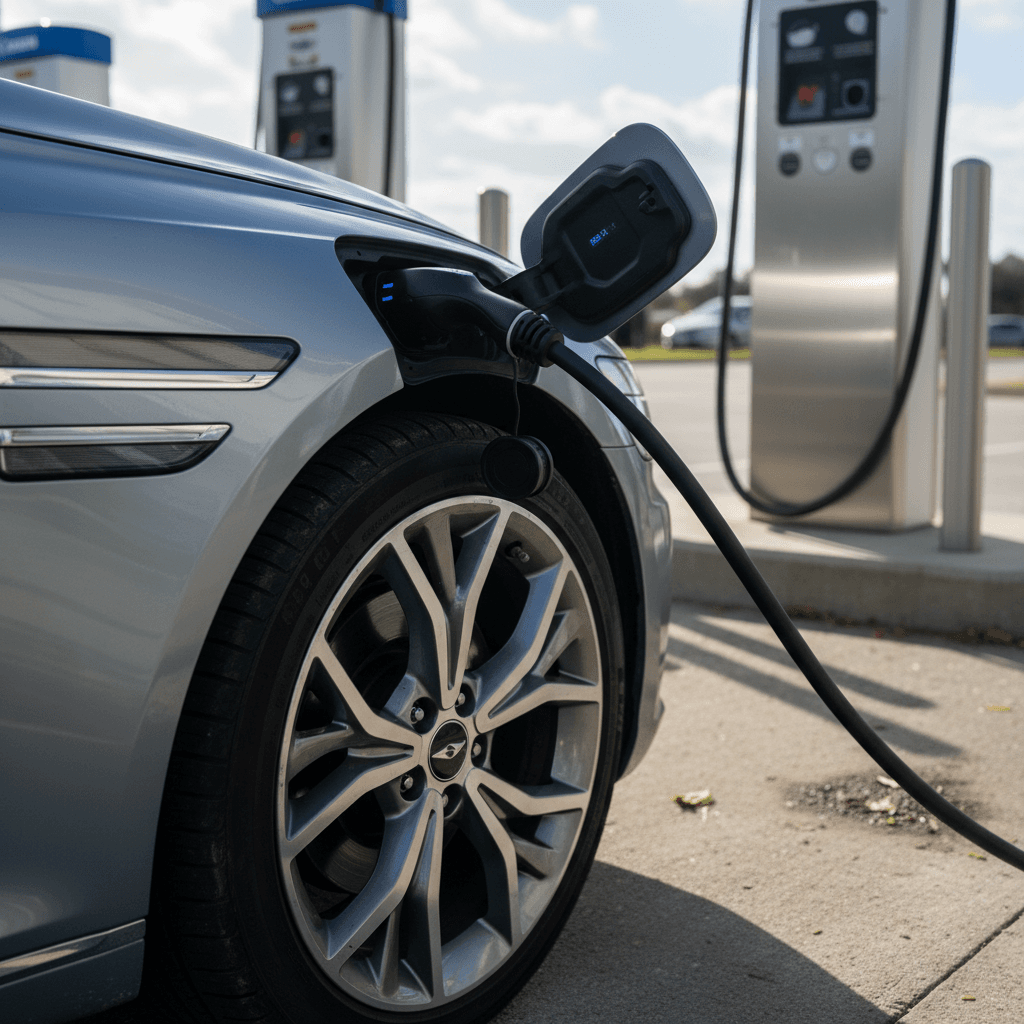
Planning a smooth road trip in a Genesis Electrified G80
1. Plan legs around 150–200 miles
While the Electrified G80 can go farther, planning stops every 150–200 miles gives you a comfortable buffer for weather, traffic and detours, especially in winter.
2. Target 10–70% or 80% state of charge (SoC)
Fast‑charging is quickest in the middle of the battery’s SoC window. On road trips, it’s often faster overall to take **more frequent, shorter charges** than one long charge to 100%.
3. Filter for high‑power DC fast chargers
Look for 150 kW or 350 kW units on networks like Electrify America or other high‑power providers. The Electrified G80 can make real use of those higher speeds when the battery is warm.
4. Precondition the cabin while plugged in
Use the car’s climate pre‑conditioning on shore power before you depart. Warming or cooling the cabin while charging keeps more battery energy available for actual driving.
5. Use multiple apps for redundancy
Don’t rely on a single charging app. Having at least two or three (plus the in‑car navigation) reduces the odds of being surprised by an out‑of‑service station.
6. Carry a portable Level 2 backup
If you’re staying at a rental, friends’ homes, or smaller hotels, a portable Level 2 EVSE (using a 240V outlet) can be a trip‑saver when public chargers are scarce.
About charging port location
How Electrified G80 range compares to other luxury EV sedans
If you’re shopping the Electrified G80 against other used luxury EV sedans, it lands in a kind of sweet spot: **more efficient and longer‑legged than some early‑generation luxury EVs**, but not quite at the extreme long‑range levels of the very largest‑battery flagships.
Range comparison: Electrified G80 vs other luxury EV sedans (approximate)
All figures are for commonly available U.S. trims and rounded; actual range varies with wheels, options and driving conditions.
| Model | Battery (approx.) | EPA range (approx.) | Towing rating? |
|---|---|---|---|
| Genesis Electrified G80 (early US spec) | 87.2 kWh | ~282 mi | No published rating |
| Mercedes‑Benz EQE Sedan | 90–96 kWh | ~260–305 mi | Limited or no rating depending on market |
| BMW i5 eDrive40 | ~81 kWh | ~295–295 mi | Typically no tow rating in US |
| Tesla Model S (Long Range) | 100 kWh | ~375–405 mi | No rated towing in US |
| Hyundai Ioniq 6 SE RWD | 77.4 kWh | ~361 mi | No rated towing in US |
Use this table directionally, not as a promise of exact range for every car you might find on the used market.
Where the Electrified G80 shines
Used Electrified G80 ownership: battery health and resale reality
Genesis has already **discontinued the Electrified G80 in the U.S.**, largely because of low sales volumes, not because it was a flawed product. For used‑EV shoppers, that creates a classic double‑edged sword: you might find **attractive pricing** on a refined, low‑mile luxury EV, but you’ll want to be thoughtful about long‑term support and battery health.
Pros and cons of buying an Electrified G80 used
What to weigh before you pull the trigger
Pros
- Luxury for less: Early depreciation on a niche model can mean strong value on the used market.
- High equipment level: Most cars are loaded with tech, safety and comfort features.
- Healthy battery tech: Large modern packs, efficient thermal management, and modest DC fast‑charge rates relative to capacity are all good signs for longevity.
Cons
- Model discontinued: Future parts and software support will depend on Genesis’ long‑term policies.
- Limited dealer familiarity: Fewer mechanics have hands‑on experience versus higher‑volume EVs.
- Resale uncertainty: Niche, discontinued sedans can be slower to resell compared with popular SUVs.
Why a battery health report matters
Practical tips to maximize range in a Genesis Electrified G80
You can’t add towing capacity to the Electrified G80, but you can absolutely **stretch its range and protect its battery** with a few smart habits. Most are simple to build into your routine and pay off over years of ownership.
- Use Eco or Comfort modes for routine driving instead of Sport; they smooth throttle response and reduce unnecessary power draw.
- On the highway, try to cruise in the **65–70 mph** band when practical; the drop in drag versus higher speeds is significant.
- Pre‑condition the cabin while plugged in, especially in winter, so the battery isn’t doing double duty on climate control and propulsion.
- Avoid frequent 0–100% DC fast charges back‑to‑back unless you’re on a road trip; day‑to‑day, living between about **20–80% SoC** is kinder to the pack.
- Keep tires at the recommended pressures, underinflated tires can cost you several percent in efficiency and increase wear.
- Use the car’s navigation to route through chargers when needed, and favor reputable high‑power sites to minimize time spent stopped.
Matching the car to your life
Ready to find your next EV?
Browse Vehicles