If you’re trying to decide whether a fully electric vehicle fits your life, you’re not alone. Battery-electric vehicles (BEVs) are now the fastest‑growing slice of the car market, but they still come with plenty of questions: How do they differ from hybrids? What are the real costs? And what should you watch out for when buying used? This guide answers those questions in plain language, with a focus on helping you make a smart, financially sound decision.
Quick definition
What is a fully electric vehicle?
In technical terms, a fully electric vehicle is a battery electric vehicle (BEV). It uses one or more electric motors powered solely by an onboard battery pack. There’s no internal combustion engine in the drivetrain at all, and no way to add energy other than plugging in or (in some experimental designs) swapping the battery.
- Other common names: all‑electric vehicle, pure electric vehicle, only‑electric vehicle.
- Energy source: a rechargeable high‑voltage battery pack, typically using lithium‑ion chemistry such as NMC or LFP.
- Propulsion: one or more electric motors driving the wheels directly, often with single‑speed gear reduction instead of a multi‑gear transmission.
- Refueling: plug into Level 1 or Level 2 AC power, or DC fast charging, instead of visiting a gas station.
Think of it like this
Fully electric vs hybrid vs plug‑in hybrid
Automakers and even regulators often blur the lines between EV types, which makes it harder for shoppers to compare apples to apples. Here’s the clean breakdown.
How fully electric vehicles compare to other electrified cars
Key mechanical and ownership differences between fully electric vehicles (BEVs) and common hybrid types.
| Type | Primary energy source | Can it drive without gas? | Electric range (typical) | Tailpipe emissions in daily use |
|---|---|---|---|---|
| Fully electric (BEV) | Battery only | Yes, always | 150–350+ miles on electricity | None |
| Plug‑in hybrid (PHEV) | Battery + gasoline | Yes, for limited miles | 20–60 miles on electricity, then gasoline | Low at first, then similar to efficient gas car |
| Full hybrid (HEV) | Gasoline, with assist | No | Very short or zero | Lower than comparable gas car but still present |
| Mild hybrid (MHEV) | Gasoline, small motor assist | No | None | Similar to gas car, slight efficiency gain |
Only fully electric vehicles eliminate gasoline entirely; hybrids still depend on combustion for some or most driving.
Don’t be fooled by labels
How a fully electric vehicle actually works
Under the skin, a fully electric vehicle is mechanically simpler than a gasoline car. Most of the complexity moves into software and power electronics. That’s good news for long‑term maintenance if the battery is healthy.
Core components of a fully electric vehicle
Fewer moving parts, more software, different failure modes.
High‑voltage battery pack
Inverter & power electronics
Electric motor & drivetrain
Regenerative braking
When you lift off the accelerator in a fully electric vehicle, the motor turns into a generator, converting motion back into electricity and storing it in the battery. This regenerative braking can capture a meaningful share of energy that would otherwise be lost as heat.
Conventional brakes still matter
BEVs still have conventional friction brakes for hard stops and emergencies. However, because regen does much of the everyday work, brake wear is usually lower than on a comparable gas car, another long‑term maintenance advantage.
Key benefits of driving a fully electric vehicle
Why fully electric vehicles are gaining ground
- Instant torque and smooth driving. Electric motors deliver max torque from zero rpm, so even modest BEVs feel responsive in city driving.
- Quieter, cleaner experience. No engine noise, idling vibration, or tailpipe emissions. For many drivers, this is the biggest quality‑of‑life upgrade.
- Lower routine maintenance. No oil changes, transmission services, spark plugs, or exhaust repairs. You’ll mainly service tires, cabin filters, brake fluid, and the occasional coolant flush.
- Home refueling convenience. If you can charge where you park, leaving home with a “full tank” every morning is hard to give up.
- Policy support. Many U.S. states still pair federal incentives with local rebates, HOV lane access, or discounted electricity rates for overnight charging.
Where used fully electric vehicles shine
Tradeoffs and limitations to keep in mind
A fully electric vehicle isn’t the right tool for every job. The technology’s strengths line up beautifully with some use cases and poorly with others. It’s better to be clear‑eyed about the tradeoffs than to buy into either hype or backlash.
Fully electric vehicle strengths and pain points
Match the tool to your actual driving, not the other way around.
Where fully electric vehicles work best
- Daily commuting under 60–80 miles, especially with home or workplace charging.
- Two‑car households that can keep a gas vehicle for edge‑case road trips or towing.
- Urban and suburban driving with lots of stop‑and‑go, where regen shines.
- Drivers focused on operating cost and reliability rather than road‑trip flexibility.
Where they can be challenging
- Single‑car households doing frequent long‑distance trips in regions with sparse fast‑charging.
- Drivers without reliable off‑street parking, relying only on public charging.
- Very cold climates where winter range drops 20–40% and charging can be slower.
- Heavy towing and payload duty cycles, which cut range significantly and require more charging stops.
The biggest risk: mis‑matched expectations
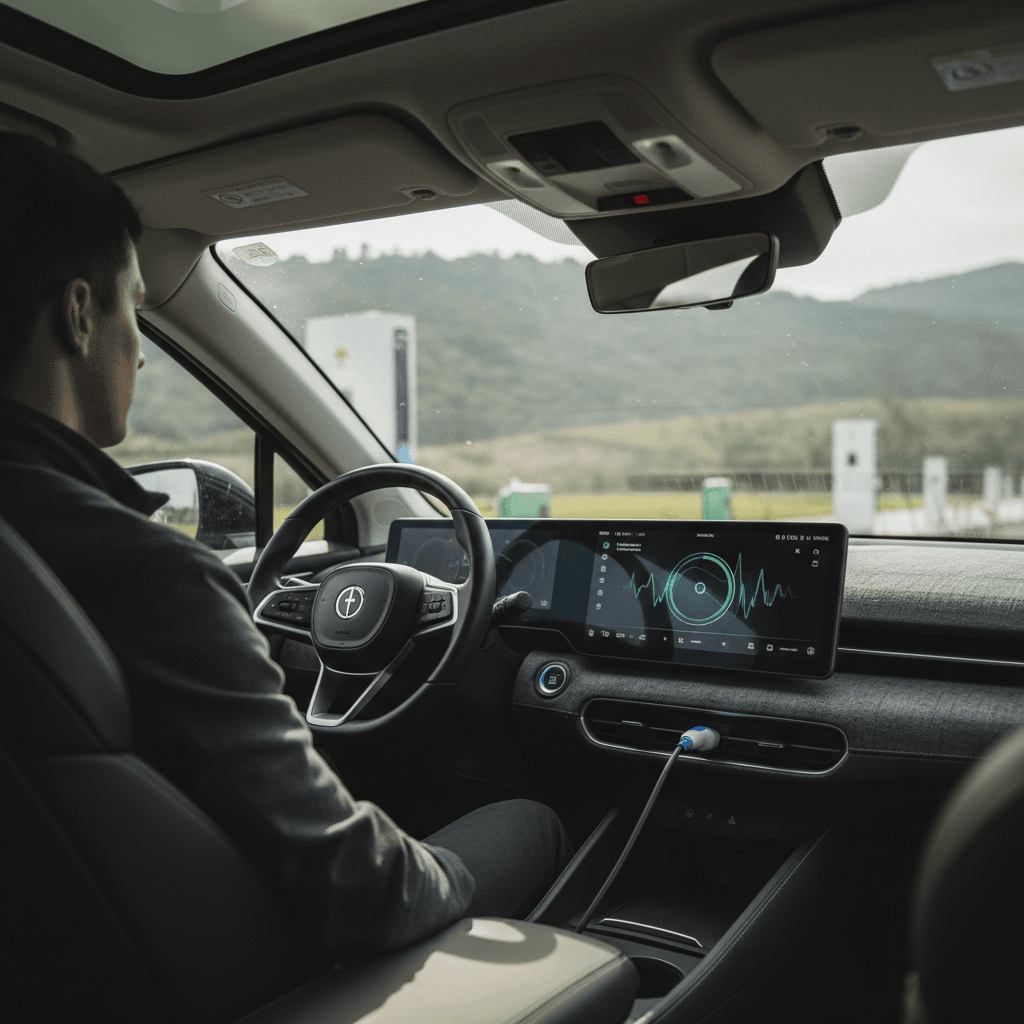
Charging a fully electric vehicle: home and public options
Charging is where fully electric vehicles break most sharply from gas cars, and where your experience can be either delightfully simple or needlessly frustrating. The key is matching your charging mix to your driving pattern.
Charging options for a fully electric vehicle
How long it takes to add meaningful range at different charging levels, assuming a modern BEV.
| Charging type | Power | Typical use case | Approx. speed | Best for |
|---|---|---|---|---|
| Level 1 (120V outlet) | 1–1.9 kW | Standard household outlet | 3–5 miles of range per hour | Low‑mileage drivers, overnight top‑ups |
| Level 2 (240V AC) | 7–11 kW (home); up to ~19 kW (public) | Dedicated home charger or workplace/public station | 20–40 miles of range per hour | Most daily charging for BEV owners |
| DC fast charging | 50–350 kW+ | Highway corridors and some urban sites | 150–1,000+ miles of range per hour (tapering as battery fills) | Road trips, occasional fast top‑ups |
For most households, Level 2 home charging is the sweet spot; fast charging is best treated like a road‑trip gas station, not a daily habit.
Home charging doesn’t have to be fancy
What a fully electric vehicle really costs to own
Sticker price is only one piece of the puzzle. Fully electric vehicles tend to cost more upfront than comparable gas cars but make it back over time through lower energy and maintenance costs, especially if you buy used.
Upfront costs
- Purchase price: New BEVs still carry a premium over similar gas models, although discounts and dealer incentives have become more common in 2024–2025.
- Incentives: Depending on the vehicle and your tax situation, you may qualify for federal and state EV incentives on new or certain used EVs.
- Home charging: Budget a few hundred dollars for a basic Level 2 charger, plus any electrical work if your panel or wiring needs an upgrade.
Operating costs
- Electricity vs gasoline: On a cost‑per‑mile basis, home charging is often substantially cheaper than fueling a similar gas car, even with recent electricity price increases.
- Maintenance: No oil changes, timing belts, exhaust, or emission systems. BEV maintenance tends to be flatter and more predictable over time.
- Depreciation: Early EVs depreciated quickly; today, used prices are more rational. That’s a challenge for first owners but a big opportunity for used‑EV buyers.
Used BEV sweet spot
Buying a used fully electric vehicle: what matters most
With a used gas car, you worry about transmissions, head gaskets, and rust. With a used fully electric vehicle, the big question is simpler but more concentrated: What shape is the battery in? After that, you’re mainly looking at familiar used‑car basics.
Used fully electric vehicle buying checklist
1. Check real battery health, not just range estimates
On‑screen range estimates can be influenced by recent driving and temperature. You want an objective view of the pack: measured usable capacity, cell balance, and any fault codes. Every vehicle sold on Recharged includes a <strong>Recharged Score battery health report</strong> so you know what you’re buying.
2. Understand remaining warranty coverage
Most OEMs warrant the high‑voltage battery for 8 years or a set mileage. Confirm the in‑service date and mileage to see how much coverage remains, and whether any capacity‑loss clauses apply.
3. Review charging history and patterns
Heavy reliance on DC fast charging, especially in hot climates, can accelerate battery wear. Ask how the previous owner charged the car and look for evidence of regular home or workplace Level 2 use.
4. Inspect for collision and flood damage
Battery packs are structurally integrated. Poorly repaired accident damage or flood exposure can create long‑term reliability and safety risks. A professional inspection and vehicle history report are worth it here.
5. Test drive in your real‑world scenario
If you commute on the highway, make sure the test drive includes highway speeds. If you live in a cold region, test the car early in the day to see how it warms up and how quickly range drops.
6. Factor charging into your total cost
Think through where the car will live most nights. If you don’t yet have home charging, get quotes for a 240V circuit and Level 2 charger and bake that into your budget.
How Recharged helps
Ready to find your next EV?
Browse VehiclesBattery health and longevity in fully electric vehicles
Modern EV batteries are holding up better than many early skeptics expected, but they’re not invincible. Understanding what actually wears a pack out will help you shop smarter and treat the battery well once you own the car.
What helps, or hurts, a BEV battery
Most pack degradation is about heat, time, and how the car is used.
Heat and extreme cold
Charge level habits
Driving and charging patterns
Range loss is gradual, not catastrophic
The future outlook for fully electric vehicles
Globally, the momentum behind fully electric vehicles is now structural rather than speculative. Battery costs have fallen dramatically over the past decade, charging networks have expanded, and major automakers have committed to large‑scale electrification, even as policy uncertainty in the U.S. makes short‑term sales more volatile.
Where fully electric vehicles are headed next
Technology and batteries
More vehicles will use <strong>LFP batteries</strong>, which favor long cycle life and durability over maximum range.
Battery chemistries and pack designs will continue to trade peak performance for <strong>safer, longer‑lasting cells</strong>.
Vehicle‑to‑home and vehicle‑to‑grid features will become more common, turning BEVs into <strong>energy assets</strong>, not just transportation.
Charging and infrastructure
Highway fast‑charging coverage will keep densifying, especially along major U.S. corridors and in Europe and China.
More multi‑unit buildings and workplaces will add Level 2 charging, making BEVs viable for more apartment dwellers.
Interoperability and common connector standards will reduce adapter headaches and make network roaming more seamless.
Market and policy
Some regions will continue tightening emissions rules, effectively pushing new‑vehicle markets toward <strong>majority‑electric sales</strong> over the next decade.
Used EV markets will mature, with better data on battery health and pricing, exactly the problem Recharged is built to solve.
Short‑term policy swings may create sales spikes and lulls, but the long‑term direction toward electrification is unlikely to reverse.
Fully electric vehicle FAQ
Frequently asked questions about fully electric vehicles
Conclusion: should you go fully electric?
A fully electric vehicle is more than just a different kind of powertrain, it’s a different ownership experience. For drivers with predictable daily mileage and decent access to charging, BEVs deliver a compelling mix of performance, refinement, and lower operating costs. For others, especially those without stable parking or with heavy long‑distance towing needs, the tradeoffs are real and worth respecting.
If you’re EV‑curious but cautious, starting with a used fully electric vehicle can be a smart way to test the waters without taking first‑owner depreciation. Just make sure you have clear, independent data on battery health and a realistic plan for charging. That’s exactly the gap Recharged was built to fill, with battery‑focused inspections, fair‑market pricing, and EV‑specialist support from your first search to delivery.
In a car market that’s finally giving you real choice, the best move isn’t to rush into, or out of, electrification. It’s to honestly map your needs, understand what fully electric vehicles do uniquely well, and then choose the right vehicle at the right point in its life cycle. When you do that, the odds are good that your first fully electric vehicle won’t be your last.