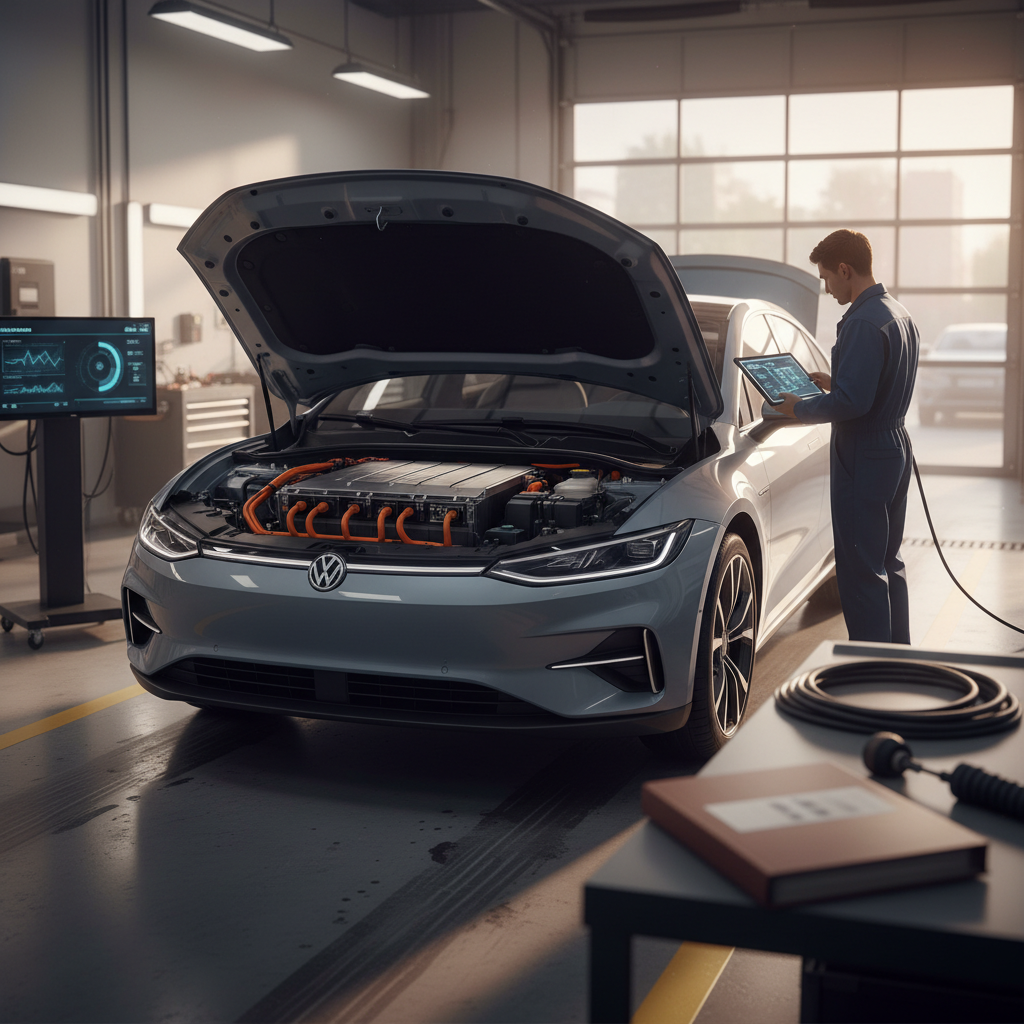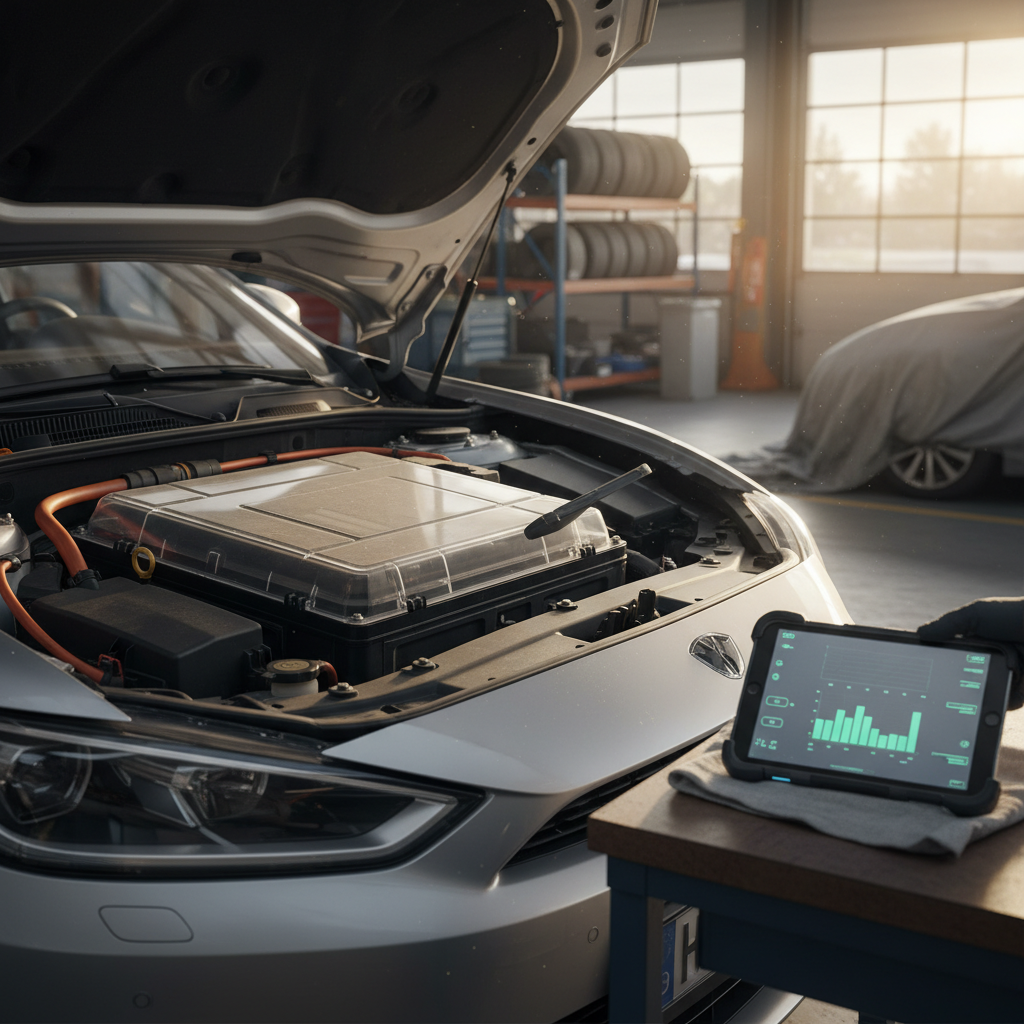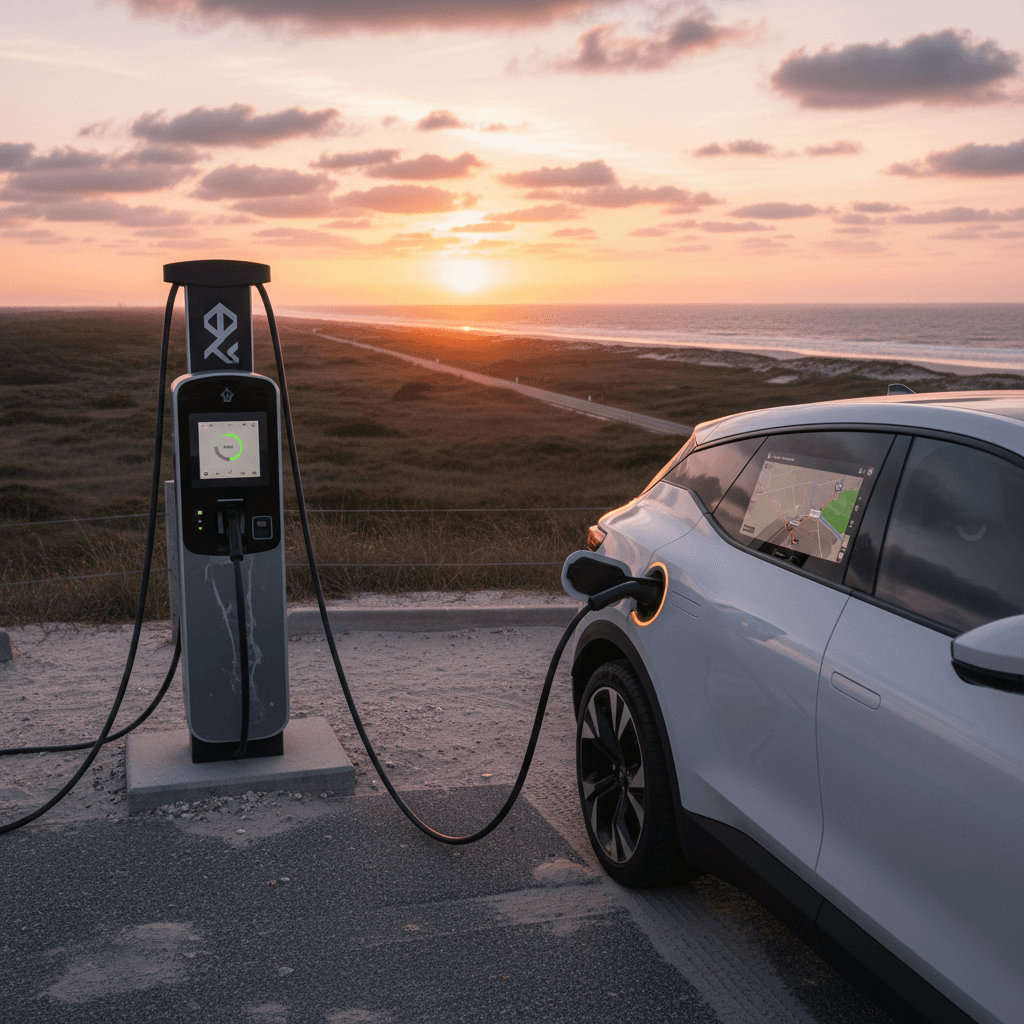
Turning a long EV drive into a **free EV charging road trip** sounds like a fantasy, until you start adding up hotel chargers, workplace plugs, and the complimentary charging deals many automakers still bundle with new EVs. With a little planning, you can cut your road‑trip “fuel” bill close to zero, and sometimes all the way there.
The short version
Why free EV road trips are actually possible now
A decade ago, the idea of a free EV road trip in the U.S. was mostly limited to Tesla owners with early free Supercharging. Today, **public charging is denser**, more hotels offer Level 2 chargers, and many automakers still give buyers a bucket of complimentary DC fast charging or time‑limited free sessions at networks like Electrify America, EVgo, or proprietary brand hubs.
EV road-tripping keeps getting easier
That infrastructure doesn’t mean every stop will be free. It does mean you can **design a route that leans hard on $0 charging**, especially if you: - Start with a car that includes complimentary charging credits or time‑limited free sessions. - Sleep at hotels with free or bundled Level 2 charging. - Use charging apps to filter for $0 stations. - Top up at work, colleges, parks, and retail locations that don’t bill for energy.
Reality check
Where to find free EV charging on a road trip
You won’t find a single “free charging” network that’ll carry you coast‑to‑coast. Instead, think in layers: **baseline public networks**, **destination charging**, and **promotional offers** that overlap along your route.
Main sources of free EV charging
Mix these to build a near‑$0 energy budget
Hotels & lodging
Many hotels, especially mid‑scale and upscale brands, offer Level 2 charging that’s free or included in the nightly rate.
- Search for properties with on‑site chargers.
- Confirm cost: free, flat fee, or per kWh.
- Plan for 8–10 hours on the plug overnight.
Retail & restaurants
Some big‑box stores, grocery chains, and restaurants offer free or validated charging to attract customers.
- Look for stations marked “$0” in apps.
- Check fine print: some require loyalty apps.
- Often limited to Level 2 speeds.
Workplaces & campuses
Corporate offices, universities, libraries, and municipal buildings sometimes provide free or low‑cost charging.
- Ideal if you’re visiting friends or family.
- Usually Level 2; ask about guest access.
- Be extra respectful of parking rules.
Automaker complimentary charging
Many new‑EV buyers get a set amount of free DC fast charging, measured in kWh or months/years of 30‑minute sessions, through networks like Electrify America, EVgo, or brand‑specific hubs.
These programs can easily cover a few road trips if you plan your route around participating sites and understand the time, kWh, and session‑limit rules.
Community & municipal chargers
Some towns, parks, and utilities still operate Level 2 chargers without a fee to encourage EV adoption. These rarely show up as “brand” networks, but charging apps surface them if you filter for free stations.
They’re perfect for long lunch stops or sightseeing time where 2–4 hours of slower charging is fine.
Destination-first mindset
Apps and tools to map a near-$0 fuel route
The difference between a stressful EV trip and a smooth, low‑cost one is usually your **app stack**. Most major charging and mapping apps now let you filter for cost, connector type, and speed, exactly what you need when you’re hunting for free power.
- PlugShare – The go‑to community map for U.S. EV drivers. Lets you filter for free stations, read driver reviews, and see photos so you know what to expect.
- ChargeHub & ChargePoint – Rich maps of Level 2 and DC fast stations across North America. Both support pricing filters and route planning.
- Network apps (Electrify America, EVgo, FLO, etc.) – Critical if your automaker perk is tied to a specific network; they’ll show which stations qualify and how your free sessions or kWh are consumed.
- Route planners like A Better Routeplanner (ABRP) or built‑in EV navigation – Great for ensuring you stay within your range envelope while prioritizing slower (but free) overnight charging when it makes sense.
Pro app setup
Step-by-step: Plan your free EV charging road trip
Here’s a practical framework you can reuse for any long EV drive, whether you’re chasing 100% free energy or just trying to cut your costs dramatically.
Your 8-step free EV charging trip planner
1. Inventory your free charging perks
Check whether your car includes **complimentary DC fast charging** or credits. Log into your automaker’s app and any partner network (often Electrify America or EVgo) to confirm how many kWh or months you have and when it expires. If you’re buying a used EV, ask specifically whether any remaining free‑charging offer transfers.
2. Choose a realistic distance
Start by aiming for a route where you can cover **at least one full driving day on overnight charging alone**, for example, 250–300 miles for a 70–80 kWh pack. Longer trips are doable, but they’ll require more DC fast‑charging stops, so you’ll lean harder on automaker perks.
3. Map high-level legs and overnight stops
Use Google Maps or your favorite planner to break the trip into legs of 150–200 miles (or about 60–70% of your usable range). Pick towns with multiple charging options, ideally at least one DC fast site and several Level 2 choices.
4. Layer in hotel chargers first
Next, search hotel sites or apps like PlugShare for properties with on‑site Level 2 chargers. Prioritize places that clearly list charging as **free or included in parking**. This is where you’ll reclaim most of your range at zero cost while you sleep.
5. Fill daytime gaps with free or perk-backed chargers
For each day’s drive, add 1–2 potential charging stops: - Free or low‑cost Level 2 at retail, parks, or campuses. - DC fast chargers on the network tied to your automaker perk. If you have free DC sessions, make them your primary highway stops and use free Level 2 for top‑offs near attractions.
6. Build in a buffer and backups
Always have a **Plan B charger** within 10–20 miles of each main stop, even if it’s paid. Free stations can be busy, broken, or unexpectedly start billing. A realistic goal is to minimize paid sessions, not bet everything on a single $0 plug.
7. Confirm the details the week before
Re‑check hotel listings and charging‑app reviews for your key stops. Look for recent comments about chargers being out of service or suddenly switching from free to paid. If a location looks questionable, pick an alternate now, not when you’re at 12% state of charge.
8. Track costs and adjust for next time
After the trip, total what you spent on charging vs the miles you drove. You’ll quickly see which strategies saved the most, hotel Level 2, workplace visits, or the automaker’s perk, and can lean harder on them in your next itinerary.
Aim for “mostly free,” not “absolutely free”
Using automaker free-charging perks on road trips
If you bought your EV new in the last few years, there’s a decent chance it came with some kind of **complimentary fast‑charging offer**. The catch: these programs change often, and terms for 2025 model‑year vehicles are usually **less generous** than for 2021–2023.
Common complimentary charging patterns (illustrative examples)
Exact offers vary by model and purchase date. Always check your specific terms; use this table as a directional guide, not a contract.
| Automaker / brand | Typical partner | What the offer often looks like | Best way to use it on trips |
|---|---|---|---|
| Hyundai / Kia | Electrify America or ChargePoint | A fixed kWh bucket (for example, ~500–1,000 kWh) or a set number of months of 30‑minute DC fast sessions, sometimes with recent changes for 2025 models. | Plan highway legs around the partner network and stop roughly every 20–60% of battery to take full advantage of high‑speed charging. |
| Volkswagen | Electrify America | Free DC fast charging for a defined period or kWh limit, often with 30‑minute session caps. | Use as your primary corridor charging, then switch to hotel Level 2 once you’re off the interstate. |
| Luxury brands (BMW, Mercedes, Porsche, etc.) | Electrify America or brand hubs | Several years of 30‑minute DC fast sessions or a large kWh bank, sometimes paired with brand‑operated hubs. | Ideal for frequent long‑distance drivers: string together short, efficient DC sessions along major interstates. |
| Other brands | EVgo, ChargePoint, or mixed networks | Smaller free‑charging credits or time‑limited promotions, sometimes as part of a home‑charger vs public‑charging choice. | If you choose the public‑charging option, build at least one major road trip before credits expire. |
Use automaker offers as the backbone of a free EV charging road trip, then plug gaps with hotel and destination charging.
Read the fine print
If you’re shopping for a **used EV**, ask whether the original owner activated a complimentary charging offer and whether the benefit transfers. In some programs, free DC fast charging is explicitly for the **first owner only**, but in others, remaining kWh or time still apply to the car. A used EV with a hefty kWh bank left can be a terrific road‑trip value.
Realistic expectations when chasing free charging
Even with careful planning, you’ll eventually run into a broken station, a line of cars, or a “free” charger that quietly turned into a paid one last month. Building a pleasant road trip around free EV charging is as much about **expectation management** as it is about technical planning.
- Speed trade-offs – Most free charging is Level 2, not 150 kW DC fast. You’ll trade some time for savings, especially if you’re relying on free retail or municipal chargers.
- Hotel realities – A property might list two Level 2 ports but arrive to find one blocked and one occupied. Call ahead, arrive earlier in the evening when possible, and always have a public backup nearby.
- Free offers can change – Automakers and networks have ended or revised some of their richest offers since 2023. If your plan leans on a specific perk, verify that it’s still valid for your VIN and purchase date before you leave.
- Be a good citizen – Free chargers are a shared resource. Move your car once you’re done, don’t “camp” in EV spots, and avoid treating free workplace or campus chargers like your personal gas tank.
Don’t outrun your buffer
What type of EV makes free road trips easier?
All modern EVs can road‑trip, but some make **low‑cost, low‑stress** travel noticeably easier than others. When you’re scanning listings, especially for used EVs, keep a few traits in mind.
Road-trip features that matter for free charging
What to prioritize when you care about travel costs
Decent highway range
A comfortable highway range buffer (often 230–260+ miles EPA) gives you more flexibility to skip crowded or broken chargers and aim for the best free options.
Strong DC fast speed
Fast peak charging (150 kW+ on compatible networks) lets you take full advantage of complimentary DC offers based on 30‑minute sessions.
Good charging navigation
Native EV routing, with charger availability and speed shown in‑car, reduces the risk of showing up to a dead or slow station and having to scramble.
Connector type and adapter access
Between CCS and NACS (Tesla’s connector), the U.S. is in a transition phase. Many new and upcoming EVs include NACS access either natively or through an adapter, opening up Tesla’s Supercharger network and, increasingly, other NACS sites.
For low‑cost trips, more networks = more chances to lean on free or discounted promos.
Automaker support and perks
The right complimentary charging program can cover thousands of miles when used smartly. If you’re cross‑shopping EVs, weigh the value of any free charging over the first year or two of ownership.
And if you’re buying used, a seller who can clearly explain what’s left, and show it in the app, is a big plus.
Think like a road-tripper when you shop
How Recharged helps road‑trip‑focused EV buyers
If your dream is a free or low‑cost EV road trip, the car you start with matters. That’s where buying used through Recharged can tilt the odds in your favor.
- Every EV on Recharged comes with a Recharged Score Report, including verified battery health. Healthy packs preserve more **usable range**, which is crucial when you’re stretching between free chargers.
- You can shop entirely online, lean on our EV specialists for **road‑trip‑oriented model advice**, or visit our Experience Center in Richmond, VA if you want to see options in person.
- If you’re comparing two similar EVs, our team can help you understand which one will be easier to charge on the road, connector type, DC fast speeds, remaining complimentary charging offers, and likely real‑world range.
- Already own an EV and thinking about trading into something more road‑trip‑ready? Recharged offers trade‑ins, instant offers, and consignment options, plus nationwide delivery for your next car.
Turn free charging into a feature, not a gamble
FAQ: Free EV charging road trips
Frequently asked questions
A **free EV charging road trip** isn’t magic, it’s logistics. The more you understand your car’s range, your complimentary charging perks, and the patchwork of free Level 2 stations across the country, the easier it becomes to string them together into real vacations. Start with the right EV, map your route around charging rather than gas stations, and treat paid DC fast charging as a backup, not a failure. You’ll spend more time enjoying the drive and a lot less money fueling it.