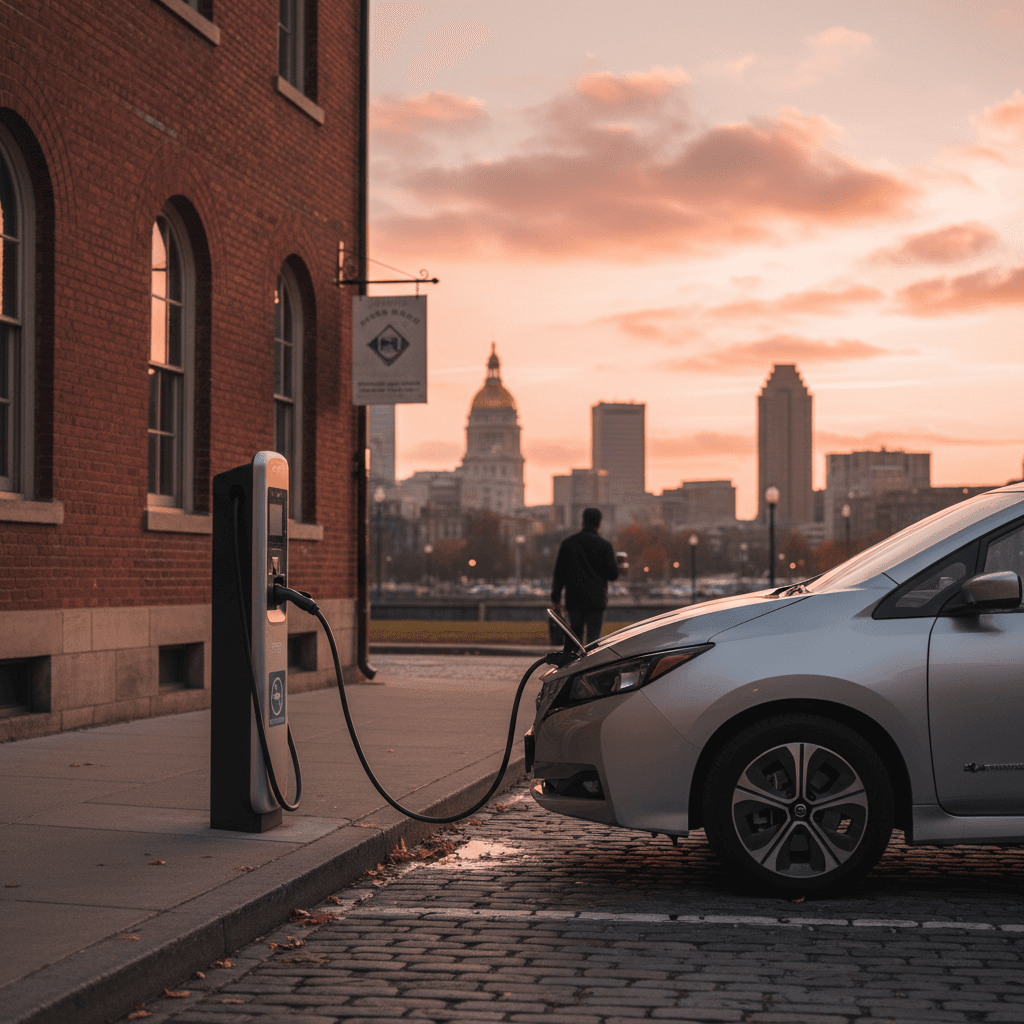
If you drive an EV in Baltimore, you’ve probably heard rumors about free EV charging in Baltimore, MD, chargers at city garages, workplace perks, even shopping centers that quietly let you plug in for nothing. Then you look at an app, roll up to a station, and find session fees, parking charges, or a “free for members only” fine print. This guide cuts through that noise so you know where free (and almost free) charging really exists in 2026, and when it’s smarter to build your life around cheap home charging instead of chasing a free plug downtown.
First, a quick reality check
Why “free” EV charging in Baltimore is so confusing
When you search for free EV charging, you’re really fighting three different systems at once: parking rules, electricity pricing, and local regulations. A charger might appear as “free” in an app because the electricity cost is $0.00, but you still pay for garage parking. Another might be a perk for customers or employees but not clearly marked as such. On top of that, station operators are steadily phasing out free charging as utilization increases and grant requirements change.
The parking vs. charging split
In city- or garage-owned facilities, you often pay to park but not for the electrons. That shows up as “free charging” in some apps, but your total cost is the parking bill. For a short top‑off downtown, that can be worth it; for an all‑day session, it may be more expensive than a pay‑per‑kWh charger outside the core.
Old data, new prices
Apps and Google Maps are notoriously slow to update pricing. Chargers originally installed for free under early grants in Maryland are being converted to paid service as demand grows. A station that was free in 2023 might quietly start billing per minute in 2025 while still being tagged “no fee” in an app.
What actually counts as “free” EV charging in Maryland
- No per‑kWh or per‑minute fee
- No session fee, connection fee, or idle fee
- No required paid membership just to plug in
“Free” can still cost you
- Truly free: No cost to park, no cost to charge, open to you as a member of the public, or as a clearly eligible group (for example, an employee lot).
- Functionally free: Free charging but paid parking, or vice versa. You still spend money, but you’re not paying for the energy separately.
- Not free: Any station that bills per kWh, per minute, or via a required paid subscription, no matter how small the fee.
Types of free or near‑free charging you can realistically find
Where Baltimore EV drivers actually find low‑ or no‑cost charging
Think of these as layers you can stack, not a single silver bullet.
City & county garages
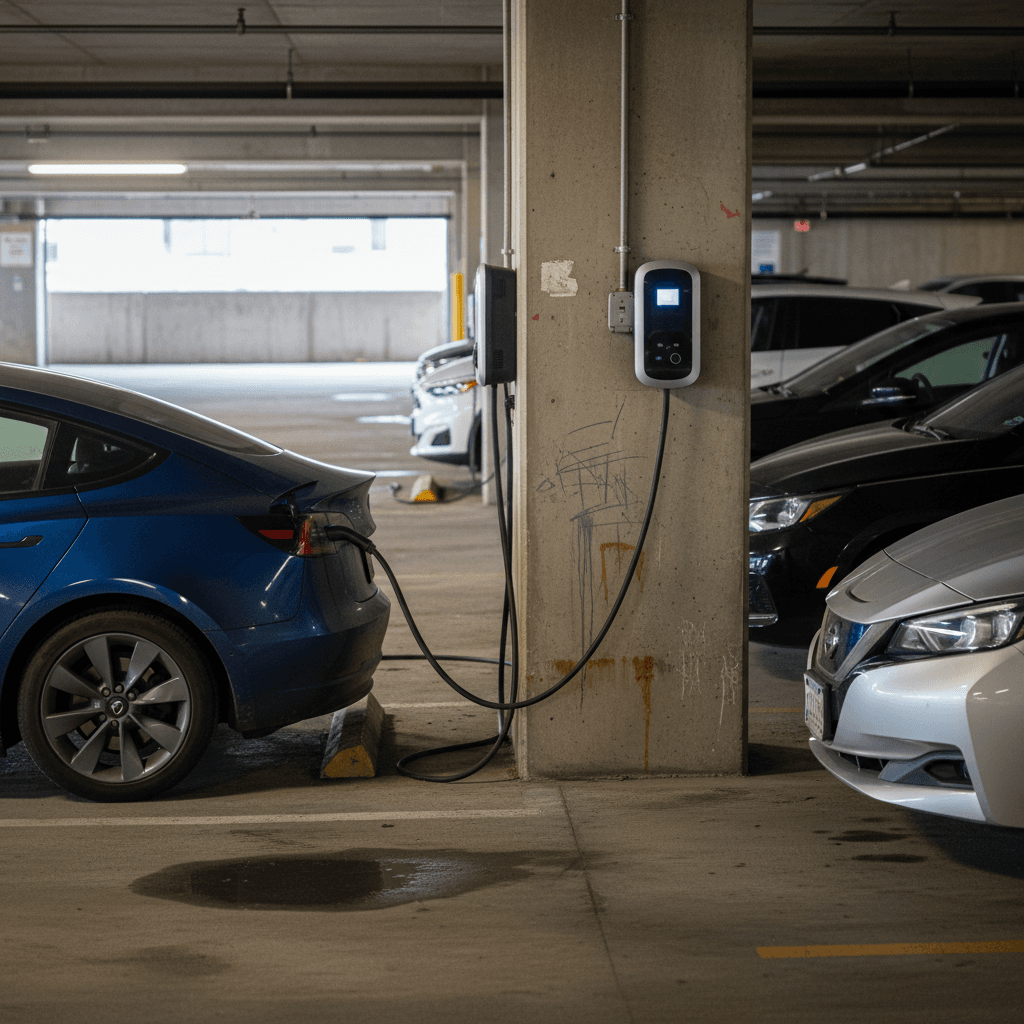
Some Baltimore City garages include Level 2 chargers where the charging session itself is free, but you still pay the usual hourly or daily parking rate. The value is best when you’d be parking there anyway for work or events.
Amenity chargers at businesses
Retailers, grocery stores, and hotels sometimes treat charging as an amenity, free or heavily subsidized while you shop or stay. These offers come and go, so always confirm in your app before you bank on a free session.
Workplace charging
Many large employers in the Baltimore region offer free or heavily discounted EV charging as a perk, often in gated or badge‑access lots. Not public, but effectively free if you work there.
Home charging with off‑peak rates
With BGE’s EV time‑of‑use and smart‑charger programs, overnight home charging can feel almost free compared with daytime DC fast charging, especially over an entire year of commuting.
Short‑term promos and loyalty programs
Networks occasionally run free‑charging weekends or kWh credits for new members. Baltimore doesn’t always get the densest coverage, but if you’re flexible about timing, you can surf these deals.
Public right‑of‑way pilots
Baltimore County and Maryland are piloting EV chargers in public rights‑of‑way and community locations. Early pilots sometimes offer free or discounted charging to drive adoption, especially in overburdened communities.
How to think about “free” strategically
How to find free EV chargers in Baltimore, MD
You won’t find a single official map of all free EV charging in Baltimore, because many of those chargers are privately run amenities that change quickly. Instead, you combine apps, local knowledge, and a bit of pattern recognition. Here’s a simple playbook.
Step‑by‑step: hunting down free or very cheap chargers
1. Start with community‑fed apps
Apps like PlugShare, ChargeHub, and A Better Routeplanner aggregate user reports about pricing, access hours, and whether parking fees apply. Filter by ‘free’ or sort by price, but always read recent check‑ins to see if a once‑free station now charges.
2. Cross‑check network apps
If a site shows “free” in a third‑party app, open the official app (ChargePoint, EVgo, Electrify America, Tesla, etc.) and check the station details page. That’s usually the most current view of pricing and session fees.
3. Look at Baltimore City’s parking assets
Baltimore’s Parking Authority manages city‑owned garages and some public EV chargers. Check their EV charging program page for locations, then confirm pricing in your charging app or by looking at posted signage once you arrive.
4. Ask your employer directly
If you work at a hospital, university, large corporate campus, or distribution center around Baltimore, ask HR or facilities about EV charging. Free or reduced‑rate workplace charging often never appears in public maps because it’s behind access control gates.
5. Scout your regular routes
Free amenity chargers are often hiding in plain sight at grocery stores, hotels, and shopping centers. Once you find one that reliably works and fits your routine, save it as a favorite in your app, but assume it could eventually switch to paid.
6. Check for special promos
Networks and automakers run time‑limited offers, like free sessions on certain weekends or kWh credits for new accounts. These are rarely Baltimore‑specific, but if you’re already near an eligible site during the promo window, it’s an easy win.
City and county programs: what Baltimore is actually building
Baltimore City and Baltimore County aren’t promising city‑wide free charging, but they are quietly expanding the network and experimenting with how EV charging fits into public parking and right‑of‑way policy.
Baltimore‑area public charging landscape in 2026
Key players and what their EV charging efforts mean for your day‑to‑day charging costs.
| Entity | What they’re doing | What it means for “free” charging |
|---|---|---|
| Baltimore City Parking Authority | Adding Level 1 and Level 2 chargers in city‑owned garages and lots as part of its Electric Vehicle Charging Program. | Charging sessions at some stalls may be free while you pay normal garage parking rates. Treat the “free” energy as a parking perk. |
| Baltimore County | Promoting EVs through sustainability initiatives and allowing chargers in public right‑of‑way in some cases. | Street‑side public chargers may appear in neighborhoods without driveways. Early pilots sometimes launch with free or reduced‑rate charging but can transition to paid. |
| Maryland Energy Administration (MEA) | Funding community EVSE grants and statewide EVSE rebates to grow the network, especially in overburdened communities. | Grants may underwrite low pricing or free charging periods, but the long‑term plan is usually to bill users once demand picks up. |
| Maryland Transportation Agencies | Installing fast chargers at customer service centers and near toll facilities across the state. | These are typically paid DC fast chargers. Think of them as reliable road‑trip infrastructure, not a source of ongoing free energy. |
Use this as a high‑level map, then confirm specific sites and pricing in your charging app before you drive.
Good news for range anxiety
BGE and Maryland programs that make “almost free” charging at home
If you have (or can get) off‑street parking in Baltimore, your best long‑term “free charging” strategy isn’t chasing public stations, it’s exploiting cheap overnight electricity and rebates. Baltimore Gas and Electric (BGE) and the Maryland Energy Administration have designed programs that can knock down both installation costs and your ongoing energy bill.
Why home charging usually beats “free” public sessions
- EV‑specific time‑of‑use (TOU) rates: BGE offers EV‑focused TOU programs that reward you for shifting charging to off‑peak hours. Combined with a smart charger, your effective cost per mile can undercut gasoline by a wide margin.
- Maryland EVSE rebates: State rebates help offset the cost of installing a Level 2 charger at home or in multifamily buildings. Combined with utility programs, this can make a professionally installed charger surprisingly affordable.
- Managed charging incentives: Some smart‑charger or telematics‑based programs pay you small annual incentives for letting the utility modulate when your car charges during off‑peak windows. You still wake up full; the grid just breathes easier.
Run the numbers on “free” vs. home
Public vs. home charging in Baltimore: what really makes sense
When to lean on public (ideally free) charging
- Apartment living without a dedicated space: If you park on‑street in Federal Hill, Hampden, or Mount Vernon, public chargers may be your primary fuel source, especially as more right‑of‑way chargers and community lots go live.
- Downtown workers: If you already pay to park in a city garage with Level 2 chargers, plugging in every workday can offset a big chunk of your monthly fuel cost, whether the session is free or just inexpensive.
- Road‑trips and out‑of‑town weekends: For I‑95 runs to D.C., Philly, or New York, the value is reliability and speed at DC fast chargers, not free energy. You want chargers that simply work.
When home charging wins hands‑down
- You have a driveway or garage: In most Baltimore rowhouse neighborhoods with parking pads or alleys, a 240‑volt circuit and a good Level 2 charger turn your house into the cheapest, most reliable station in the city.
- You drive a predictable commute: Regular trips from, say, Towson or Catonsville into the city are perfect for overnight charging. You’ll barely think about range, and your per‑mile cost stays low.
- You value time more than the last free kilowatt‑hour: Not circling for a charger or babysitting a car in a garage is, for many people, worth more than shaving a couple dollars off a monthly bill.
Where Recharged fits in
Practical etiquette and rules at Baltimore chargers
Whether a charger is free or paid, you’re sharing limited infrastructure with other drivers. In tight downtown garages and small surface lots around Baltimore, good etiquette is the difference between a smooth day and a passive‑aggressive note on your windshield.
Baltimore EV charging do’s and don’ts
Don’t treat free chargers as all‑day parking
If your car hits 100% at a Level 2 stall, move it within a reasonable window so someone else can use the spot, especially in city garages and small neighborhood lots. Some operators enforce idle fees or time limits, even on free stations.
Read local signage carefully
In Baltimore City garages, the rules on how long you can stay, whether you must move after charging, or whether EV stalls revert to general parking after certain hours will be spelled out on signs, even if apps don’t mention them.
Be honest in apps
If you discover a formerly free station is now paid, per kWh, per minute, or with new parking rules, log that in PlugShare or your app of choice. You’re doing every other Baltimore EV driver a favor.
Don’t unplug someone else without consent
Even at free stations, unplugging another car is bad form unless there’s a clear local norm (like labeled sharing protocols) or an emergency. When in doubt, wait for an open stall.
Keep cords tidy
Especially at street‑side or right‑of‑way pilots, make sure cables don’t create trip hazards on sidewalks. It’s a small thing that affects how your neighbors feel about EVs.
Watch for ticket traps
FAQ: Free EV charging in Baltimore, MD
Frequently asked questions about free EV charging in Baltimore
Bottom line, and how Recharged can help Baltimore EV drivers
Free EV charging in Baltimore, MD is real, but it’s patchy, conditional, and rarely permanent. You’ll find it in city garages where electrons are free but parking isn’t, at workplaces that quietly reward EV‑driving employees, and at businesses experimenting with amenity chargers. Over time, though, the region is clearly moving toward paid but plentiful charging, with state agencies and utilities focused on coverage and reliability rather than giving energy away.
If you can install a Level 2 charger at home or in your building, that’s almost always the smartest play: cheap overnight electricity, predictable routine, and no scavenger hunt for a plug downtown. If you can’t, your strategy becomes picking the right car and the right routine, reliable Level 2 anchors at work or along your normal routes, occasional fast‑charging for longer trips, and opportunistic use of free stations when they’re convenient.
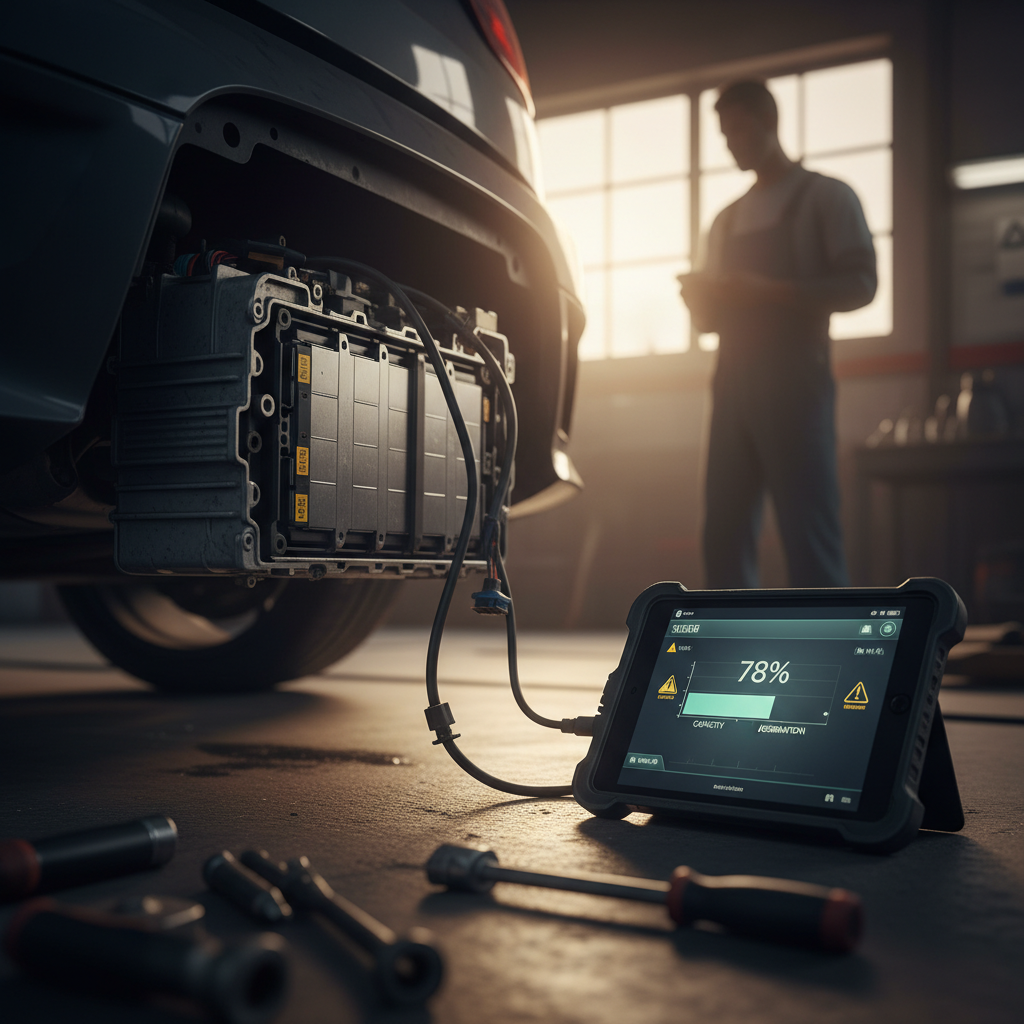
That’s where Recharged comes in. When you shop a used EV through Recharged, you get a Recharged Score Report with verified battery health, realistic range estimates, and expert support from search to delivery. If Baltimore’s patchwork of free, cheap, and paid charging has you second‑guessing which EV fits your life, you don’t have to figure it out alone.