If you’ve searched for free electric vehicle charging stations, you’re not alone. Public charging has become one of the biggest line items in EV ownership, and with electricity prices up in many regions, the idea of plugging in for free is understandably attractive. The good news: free charging is real and surprisingly common. The catch: it’s scattered, often limited, and it rarely replaces a solid everyday charging plan.
Big picture: lots of chargers, some of them free
Why free EV charging stations exist
To understand where to find free EV charging, it helps to understand why it exists in the first place. Very few organizations run free chargers out of pure charity. Most are trying to drive foot traffic, lengthen visits, or meet sustainability goals. You’re trading your time and attention for kilowatt-hours.
Who pays for “free” charging, and why
Most free stations are marketing, benefits, or policy tools, not giveaways.
Retailers & grocery chains
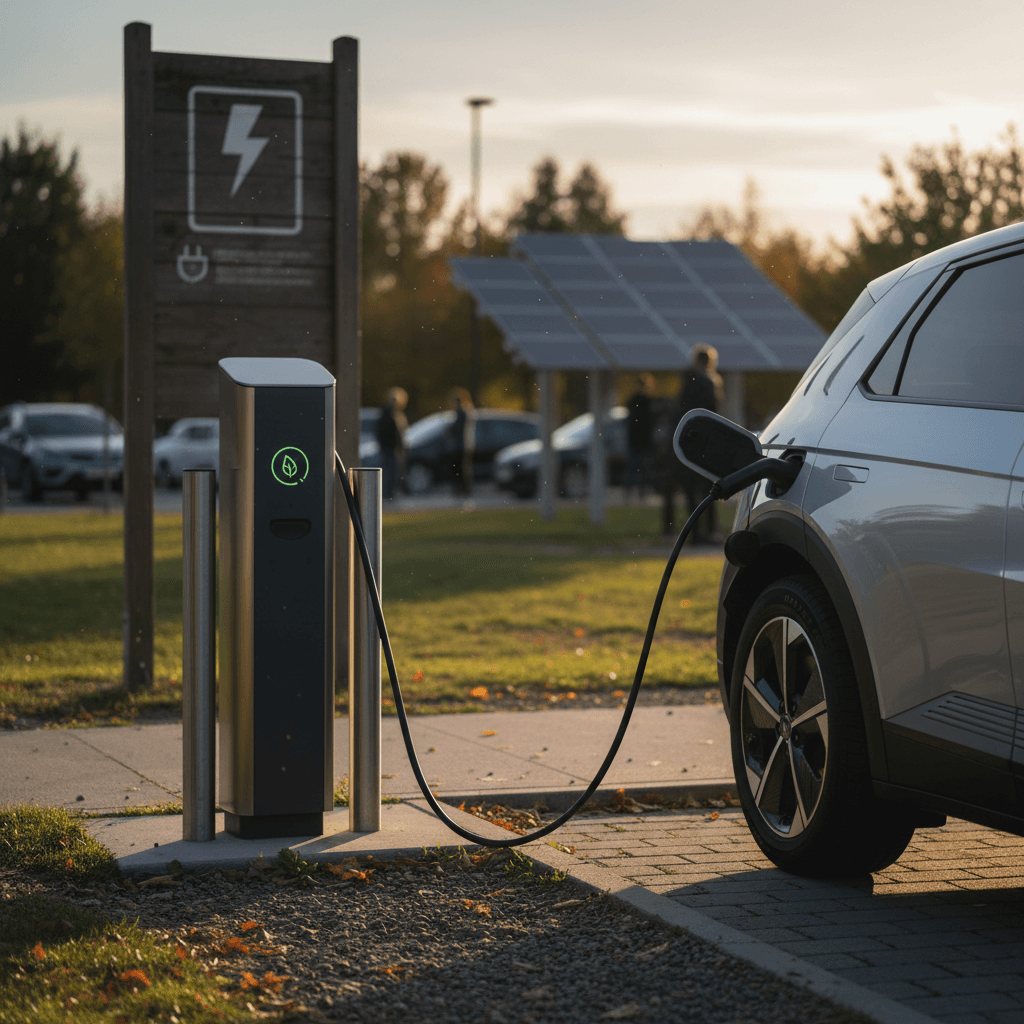
Many supermarkets, big-box stores, and malls offer free Level 2 charging in the parking lot.
- Encourages longer shopping trips
- Helps win loyalty from EV drivers
- Occasionally sponsored by utilities or charger brands
Employers & office parks
Workplace chargers are often installed as part of employee benefits and sustainability plans.
- Improves recruiting and retention
- Supports corporate emissions targets
- Cost is small compared with office utilities
Cities, utilities & tourism sites
Local governments, utilities, and tourist destinations may offer free charging to showcase green credentials.
- Pilots to encourage EV adoption
- Parking incentives in downtowns
- Grants and pilot programs cover hardware
Think like the host
Where to find free electric vehicle charging stations
Free stations pop up in patterns. Once you know the usual suspects, you’ll start noticing them in your daily routes and trip planning. Here are the main categories to watch in the US.
- Grocery stores & big-box retailers: Many locations of chains like Walmart, Whole Foods, Target, and regional grocers host free or partially subsidized Level 2 chargers, especially where utilities or charger providers share the cost.
- Shopping malls & lifestyle centers: Outlet malls and mixed-use developments often install free chargers near prime parking to attract higher-spend visitors.
- Hotels: Mid-range and upscale hotels increasingly advertise EV charging as an amenity. Some offer it free to guests, others bundle the cost into resort or parking fees.
- Workplaces: Corporate campuses, medical centers, and universities frequently provide free charging for employees and sometimes visitors, at least during business hours.
- Municipal & utility-sponsored sites: Public libraries, city halls, park-and-ride lots, and recreation areas may host free chargers funded by climate or clean-transport grants.
- Auto dealers: Some EV-focused dealers leave chargers open to the public, often free, during business hours as part of community outreach.
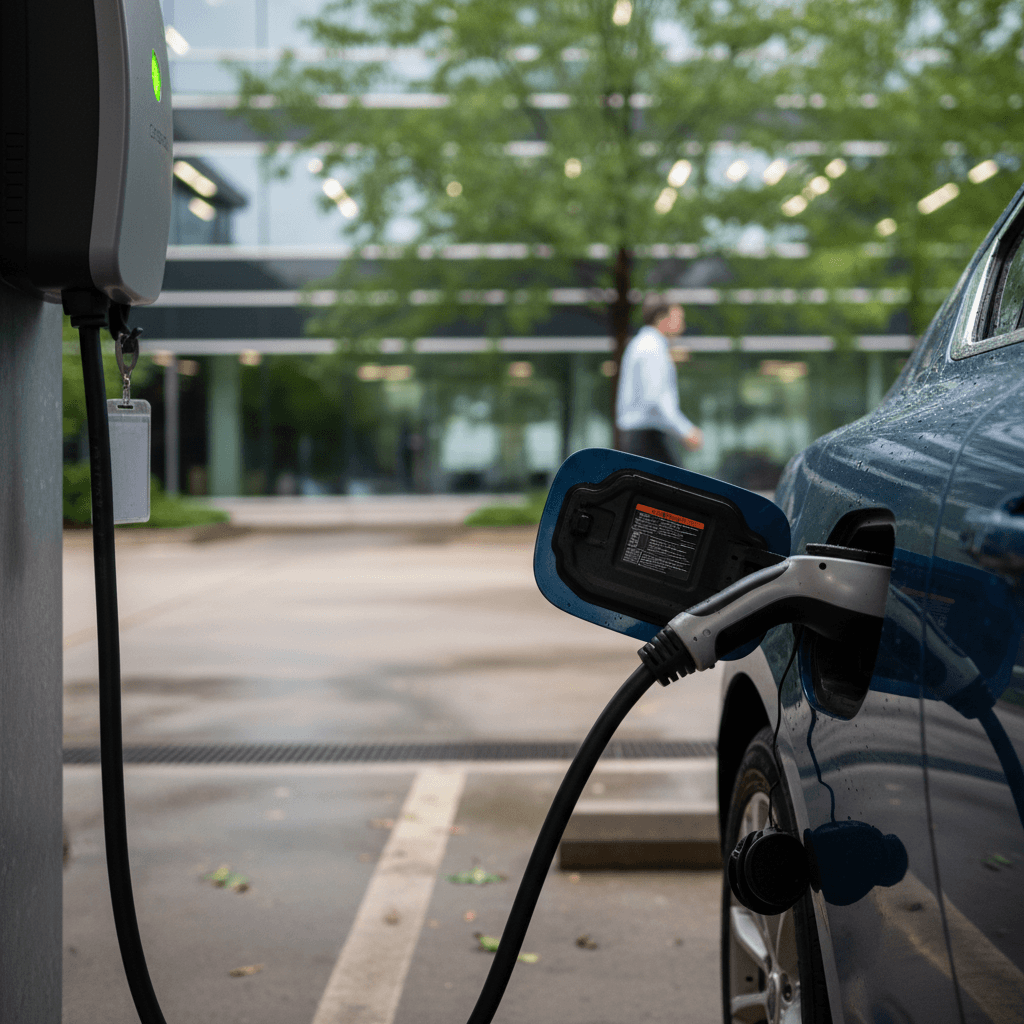
Watch for time limits and parking rules
How to search for free EV chargers in apps and maps
You don’t need to drive around guessing which plugs are free. Most major charging and mapping apps now let you filter by price, network, charger speed, and more. The trick is knowing which filters and keywords to use.
Three ways to filter for free charging
Use multiple tools to cross-check price and availability.
EV charging apps
Apps like PlugShare, ChargePoint, EVgo, and individual utility apps often flag “Free” pricing or $0.00/kWh in the station details.
- Filter by "Cost" or "Pricing"
- Read recent user check-ins for surprises
- Sort by plug type and power level
Google Maps & Apple Maps
Type queries like “EV charging station free” or "EV charging at hotel" and check amenity descriptions.
- Look for terms like “complimentary charging”
- Tap into reviews mentioning no-fee charging
- Cross-check with the hotel or business website
Vehicle nav systems
Newer EVs integrate public-charger data directly in the car’s navigation.
- Some show pricing tiers or free labels
- Use filtering for Level 2 vs DC fast
- Still confirm with app reviews before betting your trip on it
Trust, but verify with recent reviews
Pros and cons of free electric vehicle charging
On paper, free electric vehicle charging stations look like a no-brainer. In practice, they come with tradeoffs around time, convenience, and predictability. It’s worth weighing them against paid public charging or a home Level 2 charger.
Free vs paid public charging: quick comparison
How zero-cost charging stacks up against paid public options for everyday use.
| Factor | Free public Level 2 | Paid public Level 2 | Paid DC fast charging |
|---|---|---|---|
| Out-of-pocket cost | $0 (for energy) | Moderate | Highest |
| Availability | Often limited ports | More locations overall | Best highway coverage |
| Reliability | Varies; hosts may under-maintain | More consistent | Highest focus on uptime |
| Speed | Typically 6–11 kW | Similar 6–11 kW | 50–350 kW |
| Ideal use case | Topping up while you shop/work | Routine top-ups away from home | Road trips and urgent charges |
The right answer usually isn’t all free or all paid, it’s a blend that fits your driving patterns.
Best use of free charging
The true cost of “free” EV charging
Electricity may be free to you, but it’s never free to the host. That cost shows up somewhere, higher prices on goods, resort fees, parking charges, or simply in how many plugs are available and how well they’re maintained. For you as a driver, there’s also the value of your time.
Time and opportunity cost
- If you detour 15–20 minutes off-route to reach a free charger, you’ve effectively “paid” with your time.
- Waiting in line behind other drivers can wipe out the savings versus paying for a closer, faster charger.
- For high-income drivers, the value of time often outweighs the energy savings.
Quality and reliability tradeoffs
- Free sites may not invest as heavily in maintenance and software updates.
- Hosts sometimes cut back hours or quietly add fees when demand spikes.
- Free chargers are more likely to be ICEd (blocked by gas cars) because the parking feels “general use.”
Don’t rely on free DC fast charging for road trips
Free charging, fast charging, and battery health
One common worry among EV shoppers, especially used buyers, is whether frequent public charging harms the battery. The short answer: how you charge matters more than whether it’s free or paid. Free chargers are often slower Level 2 units, which are generally kinder to batteries than repeated DC fast-charging to 100%.
What typical charging patterns look like
For battery longevity, the usual guidance holds whether the station is free or not: avoid living at very high or very low state of charge, don’t fast-charge to 100% repeatedly, and let the battery cool a bit between hard driving and fast charging. When you’re shopping used, this is exactly the kind of pattern you want to understand, and it’s where a battery-health report like the Recharged Score can give you objective data instead of guesswork.
How to build a smart mix of home, free, and paid charging
Free electric vehicle charging stations work best as part of a broader strategy, not the entire plan. Your ideal mix depends on where you live, where you park, and how far you drive.
Design your personal charging strategy
1. Map your daily parking spots
List where your car actually sits for hours: home, office, school, gym, favorite grocery store. Search each location for nearby Level 2 chargers and note which ones are free.
2. Decide if home charging is realistic
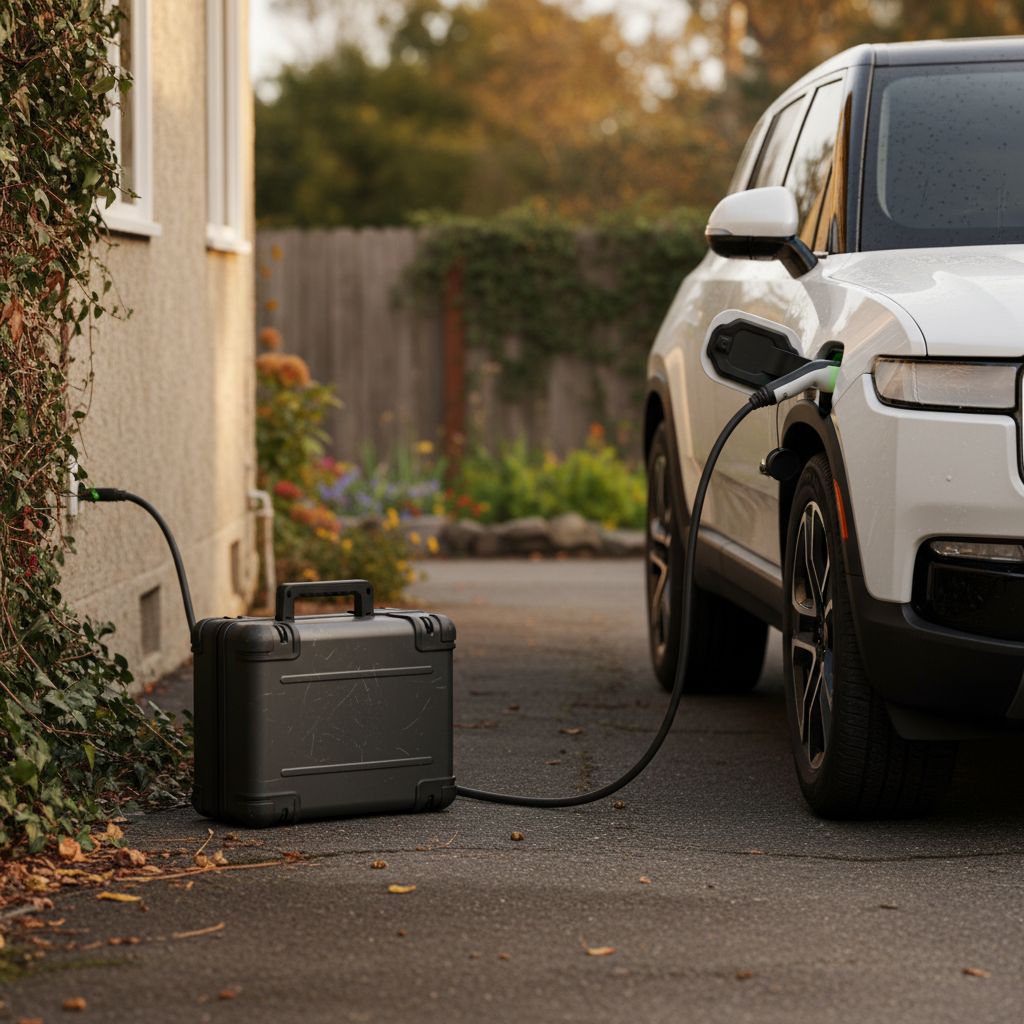
If you have a driveway or garage, a Level 2 charger or 240V outlet will still be your cheapest, most convenient long-term option, even if you occasionally grab free energy elsewhere.
3. Treat free charging as a bonus, not fuel plan
Assume free chargers might be full, broken, or turned into paid stations later. If you wouldn’t make the trip without the free energy, you’re relying on it too heavily.
4. Separate road-trip and local needs
Use free Level 2 chargers to manage your weekdays and weekend errands. For long trips, prioritize reliable DC fast networks with clear pricing and good uptime.
5. Keep a backup option in every area
For any free station you rely on regularly, identify at least one backup, another nearby public Level 2 or a fast charger you’re comfortable paying for if your usual spot is down.
Think in miles, not just kilowatt-hours
Used EV buyers: what to look for in charging history
If you’re shopping the used market, it’s natural to wonder whether a previous owner leaned hard on fast charging or ran the battery down before every free session. You won’t always get a perfect diary of their habits, but you can look for signals, and lean on independent battery data.
Questions to ask the seller
- “Where did you do most of your charging, home, work, or public?”
- “About how often did you use DC fast chargers?”
- “Did you regularly charge to 100%, or mostly to 70–80%?”
- “Any issues with charging speed or stations timing out?”
Why a battery-health report matters
- Real-world battery capacity is more important than odometer alone.
- Diagnostics can reveal if the pack is performing as expected for age and mileage.
- With Recharged, every vehicle comes with a Recharged Score report, including verified battery health and charging performance, so you’re not guessing how the last owner treated the pack.
How Recharged fits in
Ready to find your next EV?
Browse VehiclesFAQ: Free electric vehicle charging stations
Frequently asked questions about free EV charging
Bottom line: when to chase free EV charging, and when not to
Free electric vehicle charging stations are a powerful perk of driving electric, but not a magic fuel plan. They work best when they’re on your existing route, available during the hours you’re already parked, and treated as a way to trim your energy budget rather than replace a reliable home or workplace setup.
If you’re trying to minimize your total cost of ownership, start by mapping out the charging options in your real life: home, work, favorite stores, parks, and hotels along your usual routes. Layer in free stations as an opportunistic bonus, not a lifeline. And if you’re considering a used EV, look beyond the sticker price to the health of the battery and your local charging landscape. With a verified Recharged Score report, fair pricing, financing options, and expert EV support, Recharged can help you choose a car that fits both your budget and your charging reality, free stations included.