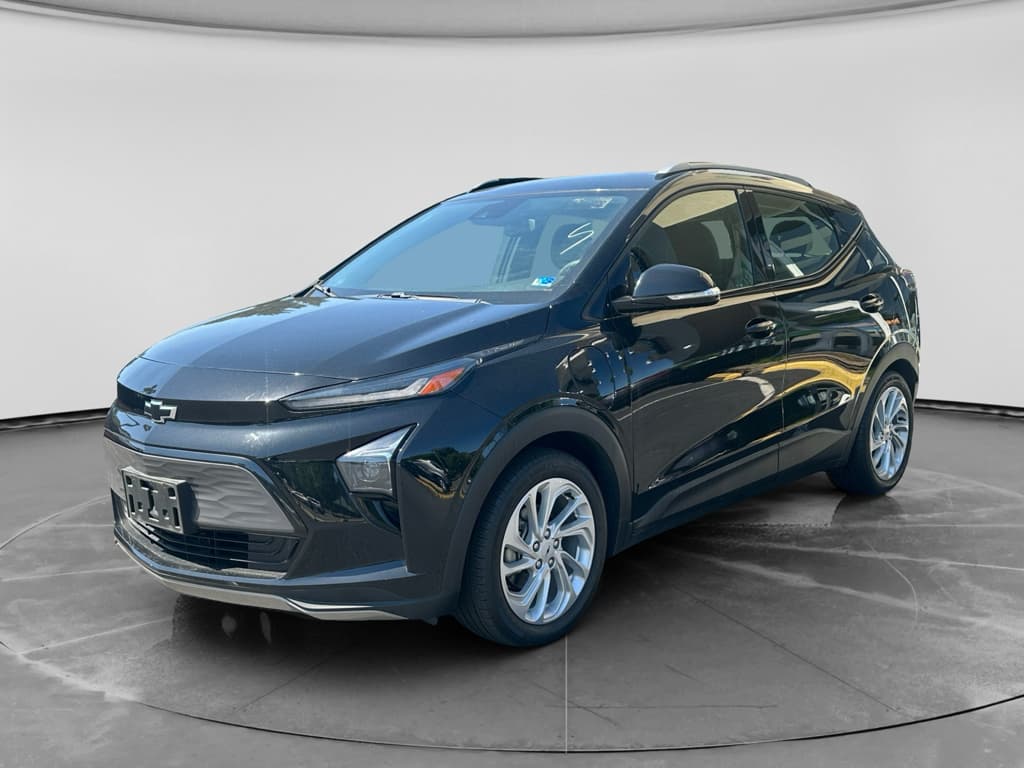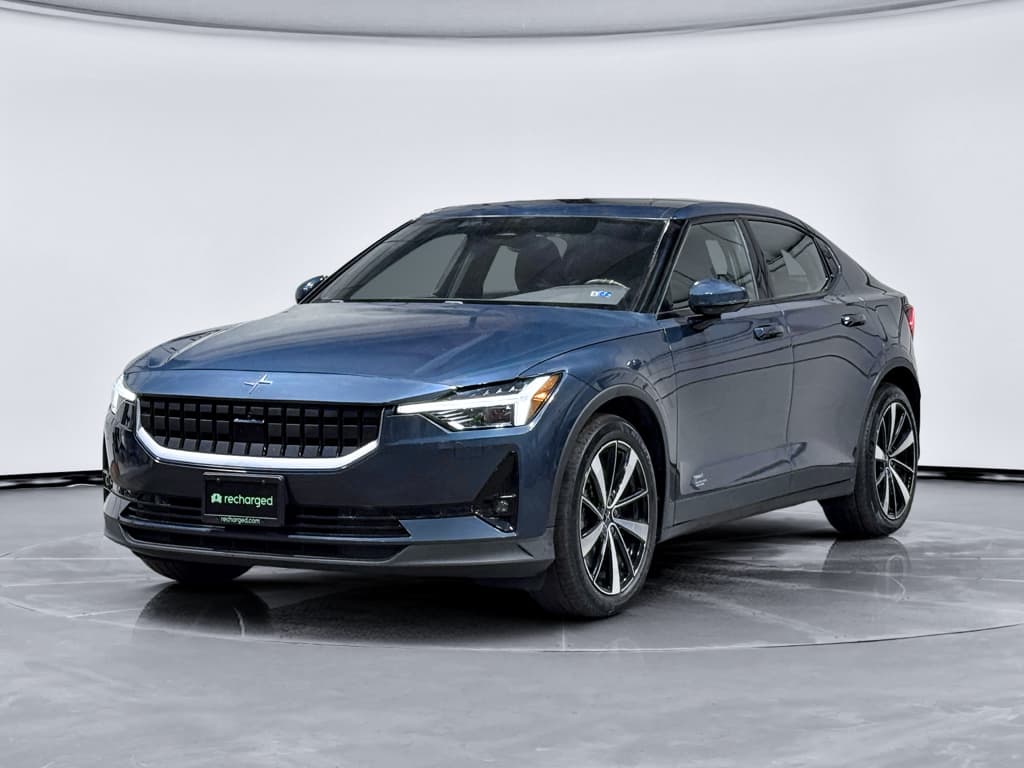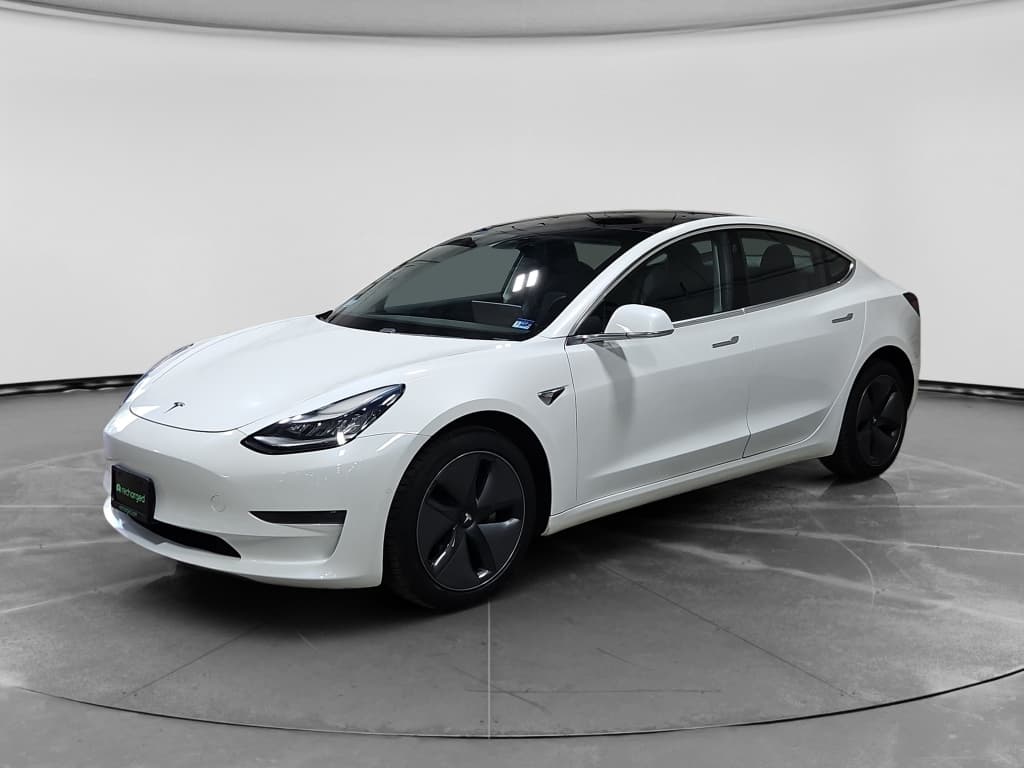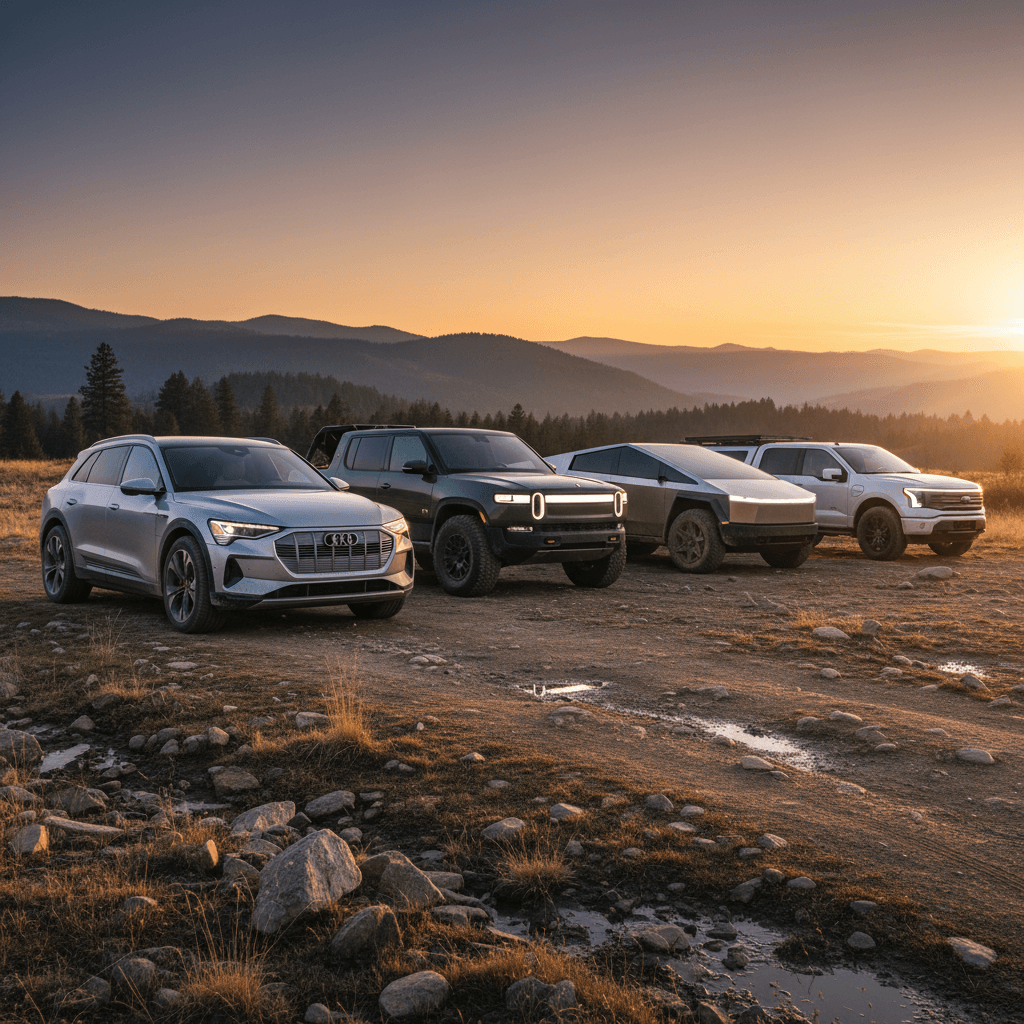
If you picture four-wheel drive, you probably see a boxy SUV clawing its way up a muddy trail. Today, more and more of those vehicles are electric. Four-wheel-drive electric cars (most are technically all-wheel drive, or AWD) now range from compact crossovers to three-row family SUVs and serious performance machines. The good news: you can enjoy that extra traction without giving up the quiet, instant punch that makes EVs so addictive.
Quick terminology check
Why four-wheel-drive electric cars are booming
Throw a dart at today’s EV SUV lineup and odds are you’ll hit an AWD model. Automakers learned quickly that shoppers who live with snow, gravel, or steep driveways don’t want to give up the security they’ve always had in their gas-powered 4x4s. Pair that with the fact that it’s relatively easy to add a second motor to an EV platform, and you’ve got a recipe for an AWD boom.
AWD is becoming the default on EV SUVs
Think about resale
How AWD and four-wheel drive work in electric cars
Dual-motor AWD in EVs
Most four-wheel-drive electric cars use one electric motor on each axle. There’s no traditional driveshaft connecting front and rear. Instead, software constantly decides how much torque to send to each motor.
- Always ready: Power can shift in milliseconds if a wheel slips.
- Simpler hardware: No transfer case, no front differential housing running under the engine.
- More efficient: Some systems can shut one motor off on the highway to save energy.
Traditional 4WD in gas vehicles
Classic 4x4 SUVs and trucks use a single engine with a transmission, transfer case, and driveshafts to both axles.
- Mechanical connection: Fixed ratios and locks move torque, not software.
- Low range: Some have a low-gear transfer case for rock crawling or heavy towing.
- More moving parts: Extra hardware can mean more weight and maintenance.
Modern EVs mostly skip low-range hardware, but their instant torque and fine control make them surprisingly capable on rough or slippery roads.

- Motor-per-axle setups are the norm for AWD EVs: one up front, one in back.
- Some performance models add a third motor on the rear axle for even finer control.
- Torque distribution is handled by software and inverters instead of mechanical clutches.
- Traction control can pulse power at each axle far quicker than a human can react.
Don’t rely on AWD alone
Pros and cons of AWD electric cars
Is AWD worth it on an EV?
Here’s how four-wheel drive changes the experience.
Advantages
- Traction & confidence: Better grip pulling away on wet, snowy, or gravel surfaces.
- Acceleration: Dual motors mean serious shove off the line.
- Stability: Software can fine-tune torque to keep the car planted in corners.
- Capability: Many AWD EV SUVs handle dirt roads and trailheads with ease.
Trade-offs
- Higher price: Dual-motor trims cost more to buy.
- Less range: Extra motor and weight usually shave some miles off EPA range.
- Higher insurance: Performance-oriented models can carry higher premiums.
- More power than you need: City drivers in mild climates might never use it.
When AWD pays off fast
Best four-wheel-drive electric cars and SUVs for 2025
The AWD EV field is crowded, so instead of listing every single model on the market, let’s walk through standouts by role. Exact availability and incentives can vary by state, but this will give you a solid short list to test-drive, and, if you’re shopping used, to hunt for on a marketplace like Recharged.
Affordable AWD EVs worth a look
Notable budget-friendly AWD electric crossovers
Approximate starting MSRPs are for new 2025 model-year vehicles in the U.S. before incentives; used examples can be thousands less.
| Model | Type | Drivetrain | Est. EPA Range (AWD trim) | Approx. New Starting Price |
|---|---|---|---|---|
| Hyundai Ioniq 5 AWD | Compact SUV | Dual-motor AWD | Around 260–280 miles | Low $50,000s |
| Kia EV6 AWD | Compact SUV | Dual-motor AWD | Around 250–280 miles | Low $50,000s |
| Volkswagen ID.4 AWD | Compact SUV | Dual-motor AWD | Around 250 miles | High $40,000s |
| Subaru Solterra AWD | Compact SUV | Dual-motor AWD | About 227 miles | High $30,000s |
| Toyota bZ4X AWD | Compact SUV | Dual-motor AWD | Up to about 228–250 miles | High $30,000s |
If you’re price-sensitive, these AWD EVs balance cost, range, and everyday usability.
Remember the used market
Family-friendly AWD electric SUVs
Roomy four-wheel-drive electric SUVs for families
More seats, more cargo, still all-electric.
Kia EV9 AWD
Hyundai Ioniq 9 AWD
Subaru Solterra AWD
Luxury and performance 4WD EVs
Luxury four-wheel-drive EV SUVs
- Mercedes-Benz EQS SUV 4Matic: All 2026 models use dual-motor AWD, with up to the low-300-mile range, a serene cabin, and serious tech.
- BMW iX xDrive: Distinctive styling, strong performance, and a very plush interior, all with standard AWD.
- Volvo EX90 / Polestar 3: Scandinavian design, big-battery AWD SUVs aimed at families who also want premium comfort.
Performance-focused AWD EVs
- Tesla Model Y Performance: Dual-motor AWD and blistering straight-line speed wrapped in a practical crossover shell.
- Ford Mustang Mach-E GT: Dual motors, sport-tuned suspension, and plenty of attitude.
- Rivian R1T & R1S: Adventure-focused truck and SUV with multiple motor configurations, impressive off-road chops, and genuine towing ability.
If you’re shopping used, these high-spec AWD trims are where a detailed battery health report, like the Recharged Score, really earns its keep.
Range, winter driving, and light off-road use
Here’s the tough-love part: AWD doesn’t magically fix winter range loss. Cold temperatures slow the chemistry in every battery, and running the cabin heater takes energy. That’s true for both two- and four-wheel-drive EVs. But AWD can make the miles you do have a lot less stressful when the road turns ugly.
- Plan on 20–40% less range in very cold weather, more if you’re doing short trips where the cabin never fully warms up.
- Use preconditioning (warming the car while plugged in) so you start with a warm battery and cabin.
- Choose all-weather or winter tires that are EV-rated; they handle the weight and torque better.
- If you regularly drive on gravel or rutted dirt, look for higher ground clearance and a dedicated Snow/Off-Road drive mode.
Respect your ground clearance
What to look for when buying a used AWD EV
Shopping the used market for a four-wheel-drive electric car is smart: you let the first owner eat the steepest depreciation, and AWD models are increasingly common on dealer lots. But you do want to be picky, especially with battery health and how the previous owner used the vehicle.
Used AWD EV inspection checklist
1. Verify battery health
Ask for a <strong>battery state-of-health report</strong>, not just range guesses from the dashboard. At Recharged, every vehicle comes with a Recharged Score that quantifies battery health, fast-charging history, and expected future performance.
2. Confirm both motors operate properly
On a test drive, make sure the vehicle can access AWD-specific modes (like Snow or Sport) without warnings, and listen for unusual noises from either axle under acceleration.
3. Check for underbody and corrosion issues
AWD EVs that have lived on salted winter roads or gravel can take a beating underneath. Look for rust on suspension components, damage to skid plates, and scrapes on the battery pack shield.
4. Inspect tires for even wear
Uneven front-to-back wear patterns can hint at alignment issues or mismatched tires, both bad news on a heavy, high-torque EV. Budget for a quality set of EV-rated tires if you see anything suspicious.
5. Review charging and towing history
Ask how often the car was DC fast-charged and whether it towed regularly. Those aren’t deal-breakers, but they’re important context for battery wear and drivetrain stress.
6. Test driver-assistance and drive modes
Many AWD EVs bundle features like adaptive cruise, lane centering, and terrain modes with higher trims. Confirm these systems work correctly; they’re a big part of the ownership experience.
Where Recharged fits in
Financing and total cost of ownership
AWD EVs often wear bigger price tags, but the real story is in what it costs you over several years. Electricity is usually cheaper per mile than gasoline, and fewer moving parts in the powertrain can mean less maintenance. The AWD premium adds to your payment, but it might not add as much to your monthly budget as you expect, especially on a used vehicle.
Costs to factor in
- Purchase price: Dual-motor trims cost more new; used pricing depends heavily on demand in your region.
- Financing terms: A slightly higher price spread across a 60–72 month loan may be manageable.
- Insurance: Performance-oriented AWD trims can cost more to insure than base models.
- Charging setup: Budget for a Level 2 charger at home if you don’t already have one.
Where you save
- Fuel: Electricity typically beats gas on cost per mile, especially if you can charge off-peak.
- Maintenance: No oil changes, fewer fluids, and simplified drivetrains compared with gas 4x4s.
- Brakes: Regenerative braking means pads and rotors can last longer.
- Used value: In snow states, AWD EVs can remain more in demand, supporting resale or trade-in value.
If you’re exploring a used AWD EV on Recharged, you can also apply for financing online and see your payment options before you commit.
FAQ: Four-wheel-drive electric cars
Frequently asked questions about 4WD and AWD EVs
Bottom line: Is a four-wheel-drive EV right for you?
Four-wheel-drive electric cars sit at a sweet spot: they combine the instant, whisper-quiet torque that makes EVs fun with the confident traction you’re used to from a good 4x4. For many drivers in snowy climates, hilly neighborhoods, or adventure lifestyles, AWD is the version to have, even if it costs a bit more and shaves a handful of miles off the range figure on the window sticker.
If your driving is mostly mild-weather city streets, a more affordable single-motor EV might serve you just as well. But if you’re leaning toward the surefooted route, take the time to compare a few AWD models back-to-back, pay close attention to battery health on anything used, and think about how you’ll charge at home. When you’re ready, a platform like Recharged can help you find, finance, and confidently evaluate the right AWD electric SUV or car, so the only thing slipping this winter is your old idea of what a capable family car has to be.