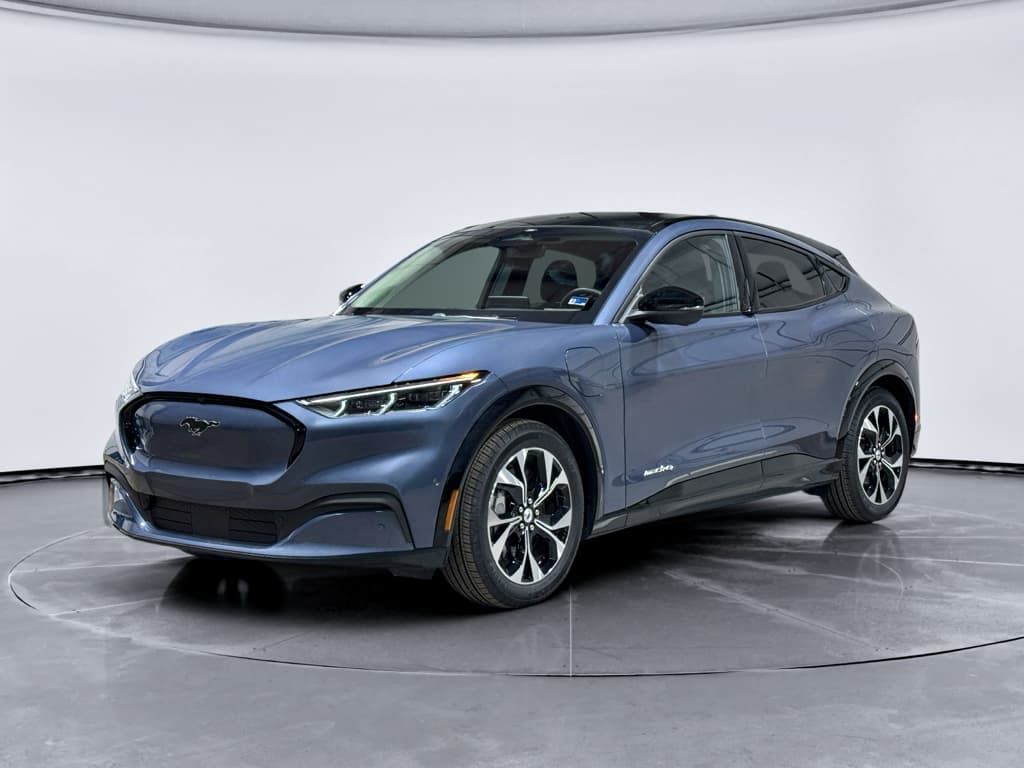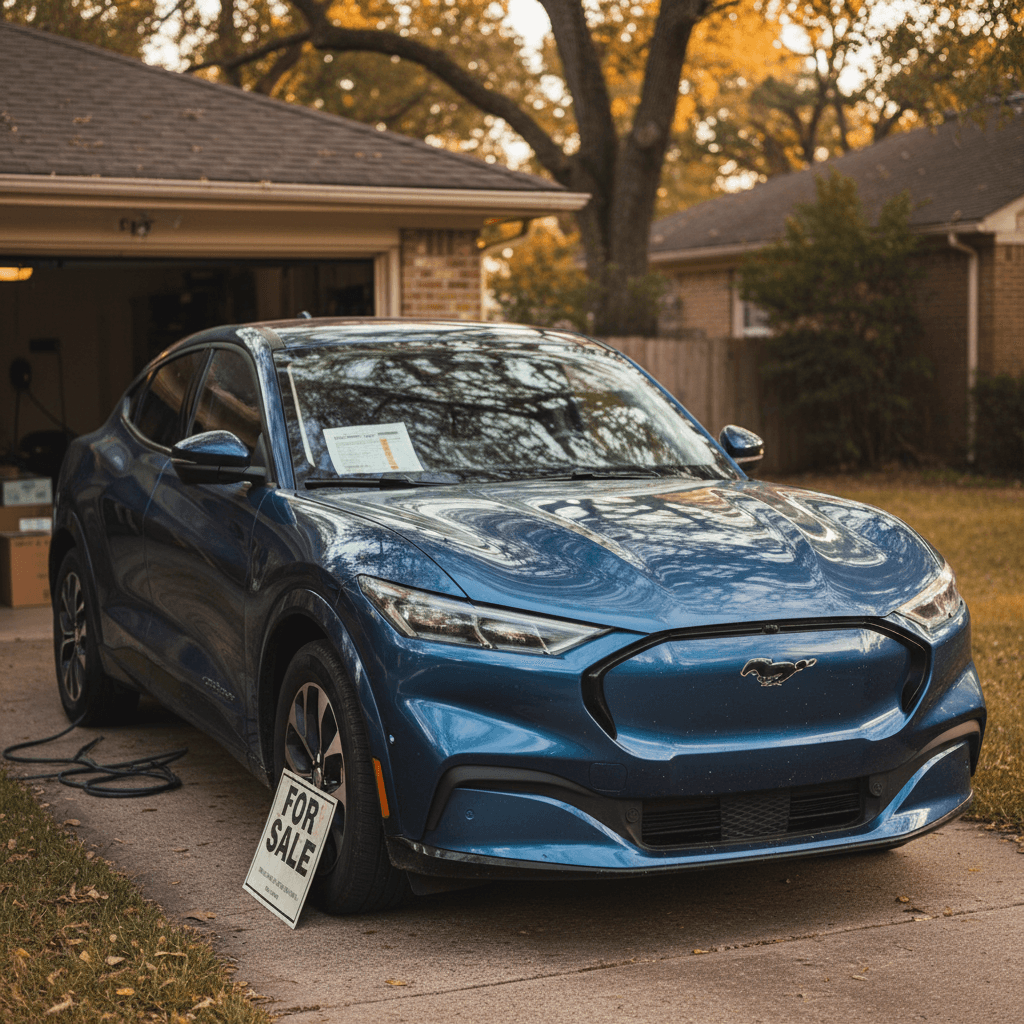
If you own a Ford Mustang Mach‑E, or you’re shopping used, you’re probably wondering how well it holds its value after 3 years. The short answer: a typical Mustang Mach‑E loses around 40–45% of its original price in the first 36 months, putting its value after 3 years in the low‑to‑mid‑$20,000s for many trims. The longer answer depends on battery, mileage, and where the EV market is the day you sell.
Why 3‑year value matters
Overview: Mach‑E value after 3 years
Ford Mustang Mach‑E value snapshot after 3 years
Several independent valuation tools show the Ford Mustang Mach‑E losing just under 44% of its value after 3 years, with a resale value around $21,000 on an original price in the high‑$30,000s. That puts it in line with many electric crossovers, which tend to depreciate faster than comparable gas SUVs during the first three years as incentives, tech changes, and battery concerns ripple through the market.
How much does a Mustang Mach‑E depreciate in 3 years?
To make this concrete, let’s start with what a typical Ford Mustang Mach‑E costs new and where that lands after 36 months.
Typical 3‑year value for a Ford Mustang Mach‑E
Illustrative numbers for a Mach‑E originally priced around $38,000–$40,000, based on market depreciation data and used‑listing trends.
| Scenario | Original MSRP | Estimated 3‑Year Depreciation | Estimated 3‑Year Value | Notes |
|---|---|---|---|---|
| Base Select RWD, average options | $39,000 | 44% (≈$17,000) | ≈$22,000 | Typical mileage (30–36k), clean history. |
| Premium RWD, better equipment | $45,000 | 42% (≈$19,000) | ≈$26,000 | Higher starting price helps dollar value stay stronger. |
| GT Performance, niche demand | $62,000 | 48% (≈$30,000) | ≈$32,000 | Enthusiast trims can be volatile, strong if demand is there, soft if not. |
| High‑mileage fleet or rideshare | $40,000 | 50%+ (>$20,000) | <$20,000 | Heavy use, cosmetic wear, and rapid‑charging history can drag values down. |
Actual values vary by trim, incentives, mileage, and local demand, but these ranges describe what many U.S. shoppers see in 2025 when buying or selling a 3‑year‑old Mach‑E.
Model‑year vs. vehicle‑age confusion
When you run a Ford Mustang Mach‑E through popular depreciation calculators, you’ll often see a 3‑year depreciation figure in the low‑40% range. On the ground, that translates to many 3‑year‑old Mach‑Es trading in the low‑$20,000s, with nicer trims stretching into the mid‑$20,000s and high‑spec GT models hovering higher, especially with low miles.
What affects a 3‑year‑old Mach‑E’s value?
No two 3‑year‑old Mach‑Es are worth exactly the same amount. Under the skin, battery chemistry, equipment, and usage patterns can create big differences. Here are the levers that move value the most.
Key value drivers for 3‑year‑old Mustang Mach‑Es
The same model year can swing thousands of dollars based on these factors.
Battery health & chemistry
The Mach‑E launched with NCM (nickel‑cobalt‑manganese) packs and later added LFP batteries on some trims. Healthy packs with limited rapid‑charging history typically command a premium. Noticeable degradation or fast‑charge‑only usage can push prices down quickly.
Mileage & usage pattern
Three years and 20–30k miles is very different from 70k rideshare miles. Higher odometer readings correlate with more battery cycles and more cosmetic wear, so expect steeper discounts once you climb past ~45–50k miles.
Charging history
Home Level 2 charging is generally gentle on the pack, while constant DC fast‑charging builds heat. A car that lived on road trips and public fast chargers will likely show more battery wear than one that mostly charged at home.
Trim & options
Premium, California Route 1, and GT trims with features like BlueCruise, larger screens, and upgraded audio usually hold value better than bare‑bones Select models, as long as buyers in your area value those options.
Warranty status & history
A clean Carfax, no structural accidents, and remaining battery/electric‑drive warranty all boost buyer confidence. Airbag or major structural repairs can spook shoppers and lenders, pushing the price down.
Region & incentives
EV‑friendly markets on the coasts and in bigger metros often support stronger used prices than rural regions with limited charging. Local rebates on new EVs can also undercut used prices if shoppers can "buy new for not much more."
Don’t ignore software and feature updates
Real‑world price examples for 3‑year‑old Mach‑Es
By early 2026, most 2021 and early‑build 2022 Ford Mustang Mach‑Es are right at that 3‑ to 4‑year mark. Looking across nationwide listings, here’s the sort of pricing pattern you’ll tend to see for clean‑title, no‑accident vehicles.
Scenario 1: Value‑play commuter
A 2021 Mach‑E Select RWD with around 30,000 miles, basic equipment, and solid service history often lands around the $21,000–$24,000 mark in many U.S. markets. That’s right in line with the ~44% depreciation figures from major valuation tools.
For a buyer, this is a sweet spot: you get modern range, DC fast‑charging, and Ford’s latest software without paying new‑car money. For a seller, it can feel harsh if you paid close to MSRP in 2021, but remember that most of the steep drop is already behind you now.
Scenario 2: High‑spec, low‑mile example
A 2022 Premium AWD Extended Range with 18,000 miles, panoramic roof, and a tidy service record can still bring $28,000–$32,000, especially in EV‑friendly regions. You’re seeing less mileage, more range, and more equipment, all things that preserve value.
Those numbers still represent a big dollar drop from a price that could easily have stretched into the $50,000s when new, but they’re attractive versus many new‑EV payments.

How a 3‑year‑old Mach‑E compares to other EVs and SUVs
The Mach‑E doesn’t depreciate in a vacuum. Used‑car shoppers are cross‑shopping Teslas, Korean EVs, and traditional gas crossovers, and that competitive set shapes what a 3‑year‑old Mustang Mach‑E is worth.
3‑year depreciation: Mach‑E vs. typical competitors
Broad comparison of 3‑year depreciation patterns for similar vehicles. Numbers are approximate and based on a mix of published studies and marketplace data.
| Vehicle type | Typical 3‑year depreciation | Typical 3‑year residual value | Notes |
|---|---|---|---|
| Ford Mustang Mach‑E (compact EV SUV) | ≈44% | ≈56% | In line with many non‑Tesla EV crossovers; steeper than gas SUVs. |
| All‑electric compact SUVs (average) | ≈46% | ≈54% | As a group, small EV SUVs shed slightly more value than the Mach‑E has so far. |
| All SUVs (gas & hybrid, all sizes) | ≈25% | ≈75% | Conventional SUVs still hold value better through year three. |
| All passenger cars (gas) | ≈24% | ≈76% | Traditional sedans and hatchbacks usually depreciate less early on than EVs. |
These are generalized figures; individual vehicles can sit above or below these ranges depending on equipment, mileage, and regional demand.
Tesla comparison in context
Is a 3‑year‑old Mustang Mach‑E a good buy?
From a value standpoint, the answer is usually yes, as long as you buy the right car at the right price. By year three, the original owner has eaten the biggest depreciation hit, but the battery pack and major components are still early in their life for many drivers.
3‑year‑old Mach‑E: Pros and cons for buyers
Where a 3‑year‑old Mustang Mach‑E shines, and where you should be cautious.
Pros
- Lower upfront price: You’re often saving $15,000–$20,000 versus comparable new‑car stickers.
- Depreciation curve flattens: Years 3–6 tend to bring smaller annual value drops than years 0–3.
- Modern tech and safety: OTA updates, advanced driver assists, and strong crash scores make these feel current.
- Warranty coverage: Ford’s battery and electric‑drive warranties typically extend well past the 3‑year mark.
Cons
- Higher early‑life depreciation: If you plan to sell again in just 1–2 years, you may still see noticeable value loss.
- Market volatility: Shifts in incentives or price cuts on new EVs can pressure used values further.
- Battery uncertainty: Without a proper health report, you’re guessing about long‑term range and performance.
- Equipment gaps: Some early‑build Mach‑Es may lack later software features or hardware revisions.
When a 3‑year‑old Mach‑E makes the most sense
How to protect your Mustang Mach‑E’s value
Whether you own a Mach‑E today or you’re thinking ahead as a buyer, you can absolutely influence what the car is worth at its 3‑year birthday and beyond. Think in terms of two buckets: how you treat the car mechanically and how you present it to the next owner.
Practical ways to preserve Mach‑E value
1. Be kind to the battery
Avoid relying on DC fast‑charging for daily use. Whenever practical, charge on Level 2 at home, and try to keep the state of charge between roughly 20% and 80% for day‑to‑day driving. Occasional 100% charges for trips are fine; living at 100% is not.
2. Stay current on software and recalls
Keep FordPass and OTA updates turned on, and address any software campaigns or recalls promptly. A Mach‑E with the latest software and documented updates sends a strong signal to savvy buyers.
3. Keep mileage reasonable
You don’t need to baby the car, but realize that pushing well past 15,000 miles per year will put your Mach‑E in a steeper‑discount bucket. If possible, share mileage with another vehicle or lean on remote work to keep the odometer in check.
4. Document maintenance and charging habits
Save service receipts and, if you can, screenshots of long‑term charging stats. A tidy paper trail showing tire rotations, brake checks, and mostly home charging can make your Mach‑E stand out when it’s time to sell.
5. Maintain curb appeal
Curb rash, door dings, and a tired interior are value killers. Address minor cosmetic issues before sale and have the vehicle professionally detailed. Buyers shopping a 3‑year‑old EV are often picky; appearance matters.
6. Time your sale smartly
If you’re selling, watch both used EV supply and new‑car incentives. Dumping your Mach‑E right after a big price cut on new inventory or a change in tax‑credit rules can cost you thousands.
What hurts value most at 3 years
How Recharged helps you shop 3‑year‑old Mach‑Es
The challenge with any used EV, especially around year three, is that two Mach‑Es that look identical on a listing can have very different stories under the skin. That’s where buying through Recharged changes the equation.
See battery health, not just mileage
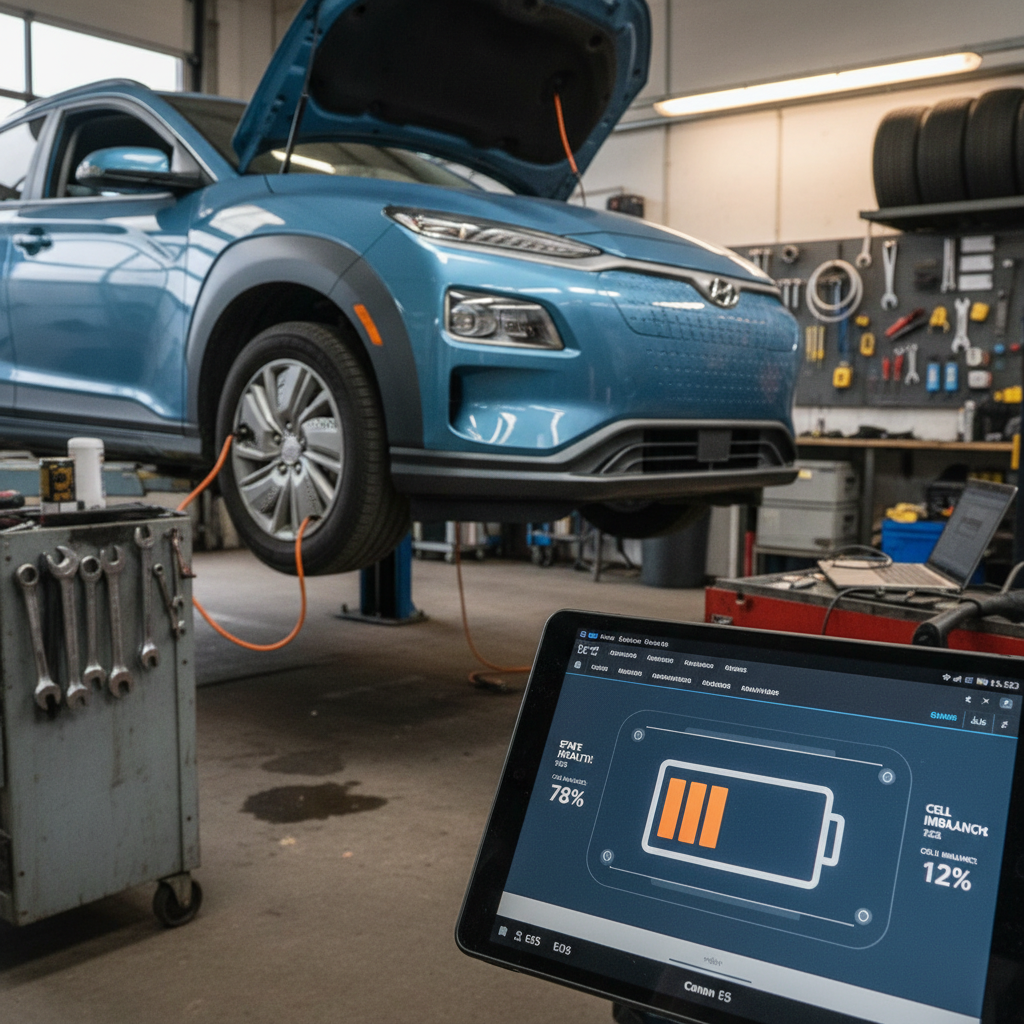
Every used EV sold through Recharged comes with a Recharged Score Report that includes verified battery health diagnostics. Instead of guessing how a 3‑year‑old pack has been treated, you see real data on capacity and charging behavior, critical for judging long‑term value.
This is especially important with a vehicle like the Mach‑E, where fast‑charge habits and climate can swing real‑world range and resale by thousands of dollars.
Transparent pricing and easy ownership
Recharged is built around fair market pricing for used EVs, including 2‑ to 4‑year‑old Mach‑E models. You can finance online, get an instant offer for your trade‑in, or consign your current EV. Nationwide delivery and EV‑specialist support mean you don’t have to be near the Richmond, VA Experience Center to take advantage.
If you already own a Mach‑E and you’re wondering what it’s worth at or near the 3‑year mark, Recharged can help you get a data‑driven price and a clean exit, or help you move into your next EV with confidence.
FAQ: Ford Mustang Mach‑E value after 3 years
Common questions about 3‑year‑old Mustang Mach‑Es
Three years into ownership is where the Ford Mustang Mach‑E’s value story starts to get interesting. For original owners, that’s when the sting of early depreciation gives way to a slower, more manageable decline. For used‑EV shoppers, it’s when the Mach‑E becomes a compelling value play, modern tech, strong performance, and real‑world range at a significant discount from new. If you focus on the fundamentals, battery health, mileage, condition, and pricing that reflects today’s EV market, you can make a 3‑year‑old Mach‑E work hard for your money, whether you’re daily‑driving it yourself or positioning it smartly for the next owner.