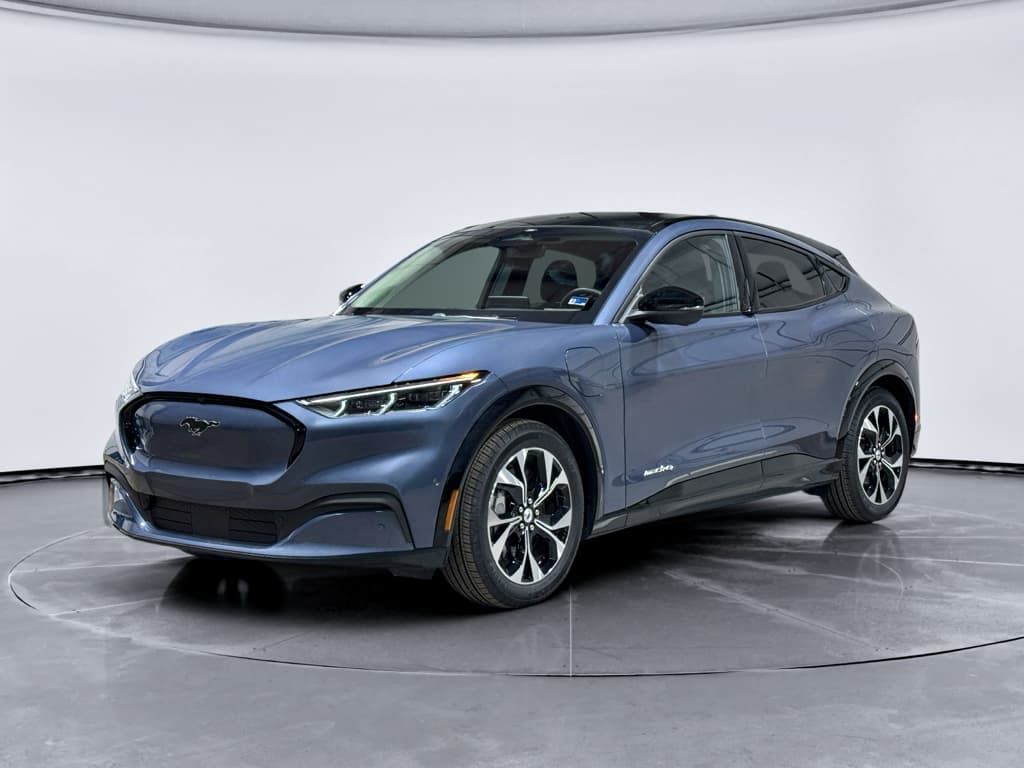
If you live where winters are serious, you’ve probably wondered whether the Ford Mustang Mach‑E is truly best for snow and ice compared with other EVs, or even your old AWD gas SUV. The short answer: a properly equipped Mach‑E can be excellent in winter, but only if you choose the right trim, tires, and settings. This guide breaks down what works, what doesn’t, and how to set up a new or used Mach‑E for confident cold‑weather driving.
Quick take
Mustang Mach‑E in Snow and Ice: Big Picture
Mach‑E Winter Strengths at a Glance
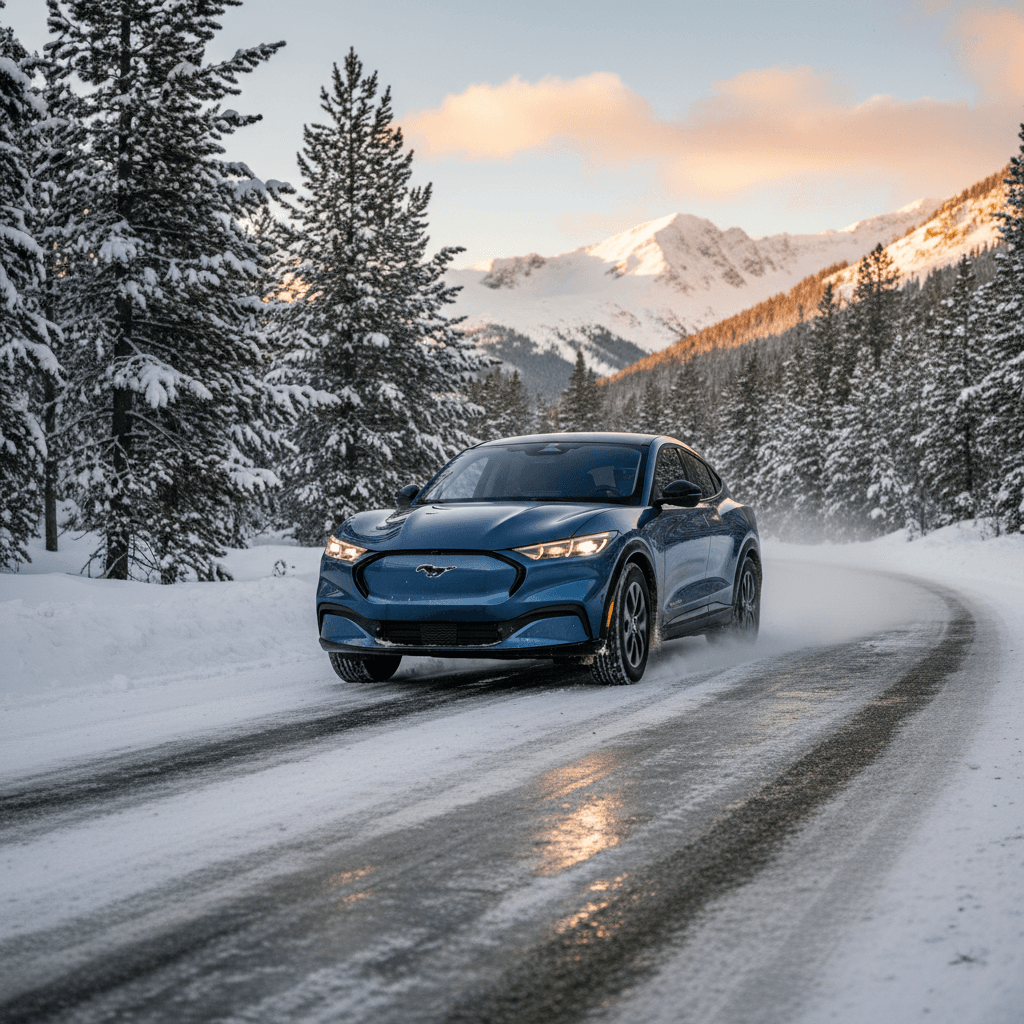
In real‑world testing and owner reports, the Mustang Mach‑E sits in the “very good, but not magic” camp for winter driving. The low center of gravity, fast traction control, and available dual‑motor AWD all help in snow and slush. Where drivers get into trouble is assuming AWD and EV tech can overcome poor tires, deep snow, or ice‑slicked hills. Think of the Mach‑E as a capable crossover, not a lifted snowplow.
Important reality check
Which Mustang Mach‑E Is Best for Snow and Ice?
Best Mach‑E Configurations for Winter Driving
If snow and ice are routine, start by picking the right drivetrain and tire combo.
AWD Select / Premium (SR or ER)
Best all‑around winter choice. Dual‑motor AWD gives confident traction on slick city streets and mountain passes, especially with winter or 3PMSF all‑weather tires.
Range drops in the cold, but these trims balance price, performance, and efficiency.
GT & GT Performance
Great traction, but watch the tires. Many GT/GTPE models ship on summer‑performance tires from the factory. Those are not suitable below ~45°F and are dangerous on snow or ice.
With proper winter wheels and tires, GT trims can be snow beasts, just respect the power.
RWD Standard & Extended Range
Viable with the right rubber. Single‑motor RWD Mach‑Es do fine in moderate winter conditions if you equip dedicated winter or aggressive all‑weather tires.
They’re less forgiving on steep, icy hills but predictable once you learn their limits.
Who should prioritize AWD?
- You regularly drive in unpredictable snow storms or on untreated rural roads.
- Your commute includes steep hills, bridges, or ramps that ice over.
- You want the most stable, planted feel on mixed slush, snow, and dry patches.
When RWD can be enough
- You mostly see light to moderate snow and well‑plowed streets.
- You’re willing to run full winter tires a few months a year.
- You drive smoothly and don’t mind being more cautious on bad days.
Model‑year note
How the Mach‑E Actually Handles Snow and Ice
Ford did substantial winter development on the Mach‑E in northern climates, and it shows. Owners routinely describe AWD trims as feeling like "a snow cat" on plowed, snowy roads, stable, predictable, and surprisingly playful when you have room to experiment. The heavy battery keeps the chassis planted, and the traction control reacts far faster than a traditional mechanical AWD system.
- Deep snow on plowed roads: Up to a few inches of soft or packed snow, an AWD Mach‑E will pull through cleanly on good tires. RWD will, too, but needs a lighter right foot.
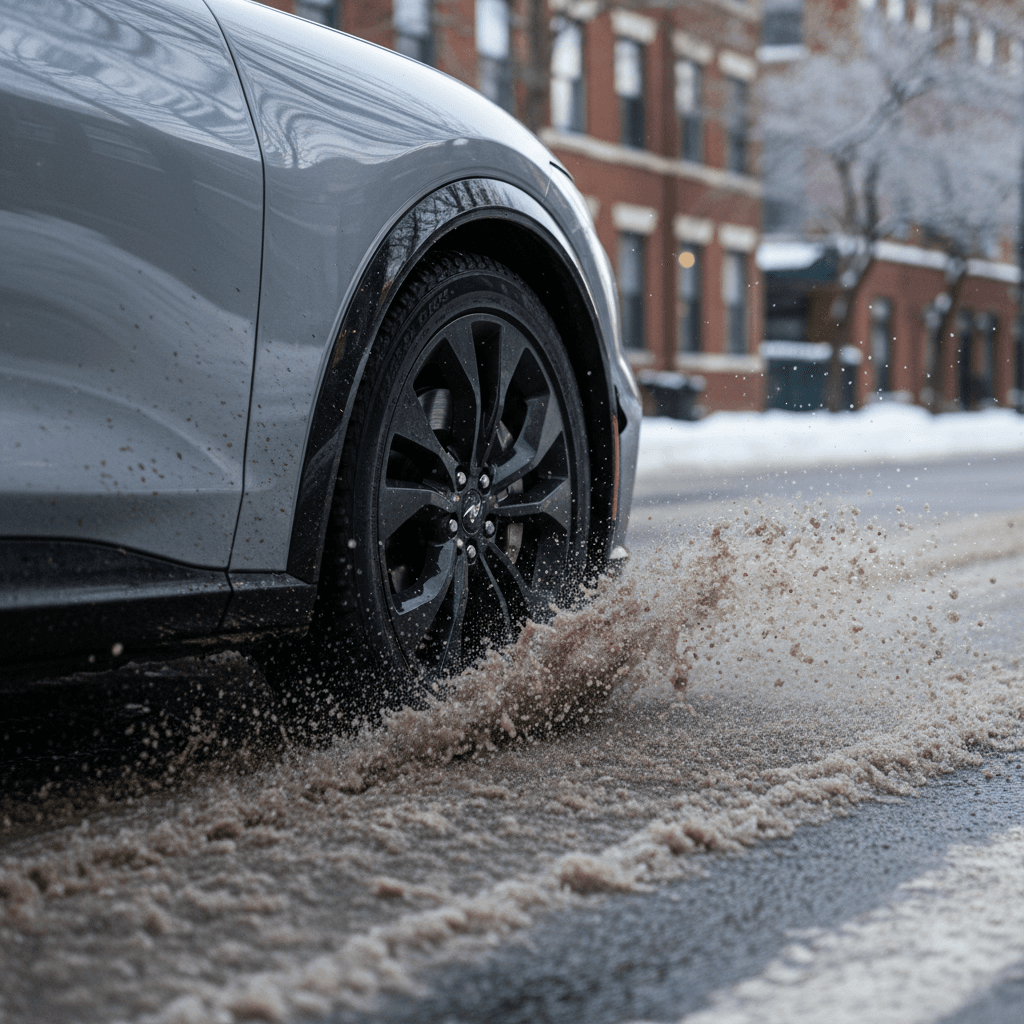
- Slush and rutted city streets: The low center of gravity helps the car track straight instead of being yanked around. Just slow down where ruts refreeze into ridges overnight.
- Hard ice and glazed intersections: No EV is “great” here. Even owners with everything dialed in have reported unexpected slides. You still need to drive like it’s ice, because it is.
Don’t confuse traction with stopping power
Why Tires Matter More Than the Badge
If you’re trying to decide whether the Ford Mustang Mach‑E is "best for snow and ice," you can’t separate that question from what tires are on the car. More than any drive mode or trim level, the tire compound and tread pattern determine how the Mach‑E behaves when temperatures drop and roads turn white.
How Tire Choice Changes the Mach‑E in Winter
Match the tire type to your climate and driving style, not just the wheel design.
| Tire Type | Typical On | Snow Performance | Ice Grip | Best For |
|---|---|---|---|---|
| Summer performance | GT / GT Performance from factory | Very poor | Very poor | Dry and warm; store these for winter |
| Basic all‑season | Many Select / Premium, some used cars | Decent in light snow | Weak on ice | Mild climates, occasional storms |
| All‑weather (3PMSF) | Popular owner upgrade | Good in snow | Better on ice | One‑set solution for mixed climates |
| Dedicated winter | Separate winter wheel set | Excellent in snow | Strongest on ice | Frequent storms, mountain driving, or long winters |
Many "disappointed" winter reviews trace back to the wrong tire for the conditions, not a flaw in the Mach‑E itself.
The single best upgrade
Best Drive Modes and Settings for Winter
The Mach‑E’s drive modes don’t magically add grip, but they do change throttle response, steering feel, and how aggressively the car regeneratively brakes, all of which matter on slick surfaces. Understanding these modes is key if you want the best possible behavior in snow and ice.
Recommended Mach‑E Settings for Slippery Roads
Dial back aggression, smooth out inputs, and let the car work with the road, not against it.
Use Whisper in snow & heavy rain
Whisper is the calmest drive mode. It softens throttle response and steering, making it easier to drive smoothly when traction is limited. Many owners leave their cars in Whisper all winter.
Tame regen and one‑pedal drive
Strong regenerative braking can cause abrupt weight transfer on ice. Consider turning one‑pedal driving off or reducing regen intensity in very slick conditions so the car doesn’t slow as aggressively when you lift off.
Keep traction & stability control on
Traction and stability systems are tuned assuming normal use. Turning them off might feel fun in an empty lot, but for daily winter driving, leave the safety nets in place.
Practice before you need it
Cold‑Weather Range: What You Should Expect
Every EV loses range in the cold, and the Mustang Mach‑E is no exception. Owners often see 30–40% less real‑world range on sustained sub‑freezing days, especially on the highway. Short trips are hardest on efficiency because the battery and cabin never fully warm up; long, steady drives can be more efficient once everything is at temperature.
- Precondition the cabin and battery while plugged in so you use grid power, not battery, to get everything warm.
- Expect your indicated range to drop faster right after you start driving in the cold, that’s normal, not a failing battery.
- Use seat and steering‑wheel heaters instead of blasting cabin heat; they use far less energy.
- If you’re shopping used, review the vehicle’s Recharged Score and winter test notes so you know how that specific car behaves in the cold.
Range loss doesn’t mean a bad battery
Ground Clearance, Snow Depth & When to Stay Home
The Mach‑E’s ground clearance, around 5.7 to 5.8 inches depending on trim, puts it squarely in crossover territory, not high‑riding SUV or pickup land. That’s plenty for plowed city streets, highways with some packed snow, and driveways with an inch or two of accumulation. It’s not the right tool for blasting through unplowed, bumper‑deep drifts.
Reading the Road: How Much Snow Is Too Much?
1. Plowed streets with a light coating
Ideal conditions for the Mach‑E. On good tires, it feels secure and predictable, even in stop‑and‑go traffic.
2. A few inches of fresh or packed snow
Still manageable, especially with AWD and winter tires. Slow down, leave extra distance, and avoid surprise lane changes.
3. Rutted, partially plowed side roads
Watch for frozen ruts that can grab a front wheel and yank the car. Keep speeds down and let the steering self‑center instead of fighting every wobble.
4. 6"+ unplowed accumulation
This is where you risk snow packing under the car and lifting it. At that point even AWD and winter tires can’t help much; consider waiting for a plow or taking a higher‑clearance vehicle.
Curb cuts and snow piles
Winter Setup Checklist for Your Mach‑E
If you want your Mustang Mach‑E to feel like it was built for snow and ice, think like a rally team: prepare the car before the weather turns. Use this checklist as a pre‑season routine each fall.
Step‑by‑Step Winter Prep
1. Choose the right tires
Decide between <strong>dedicated winter tires</strong> on separate wheels or 3PMSF all‑weather tires if you want one set year‑round. Avoid using summer tires once temps dip below about 45°F.
2. Inspect tread depth and age
Even good winter tires lose bite once tread drops near 4/32". Check for uneven wear and sidewall damage, especially on a used Mach‑E you just bought.
3. Set appropriate cold tire pressures
Tire pressure falls as temperatures drop. Check and adjust pressures according to the door‑jamb label when the tires are cold.
4. Configure drive mode & regen
Before the first big storm, switch to <strong>Whisper mode</strong>, decide whether to run one‑pedal drive, and practice smooth starts and stops in a safe area.
5. Update navigation and apps
Make sure your Ford software and charging apps are current. In bad weather you’ll want accurate route planning and charger information if you’re stretching winter range.
6. Pack a winter kit
Include an ice scraper, small shovel, gloves, portable air compressor, and charging‑cable cleaner. An extra hat and blanket don’t hurt either.
How Recharged helps
Ready to find your next EV?
Browse VehiclesBuying a Used Mach‑E for Cold Climates
If you’re shopping the used market and winter performance is top of mind, treat "snow and ice readiness" as part of your buying criteria, not an afterthought. Two Mach‑Es that look identical in photos can behave very differently in January.
What to Look For in a Used Mach‑E if You See Snow
Ask these questions before you fall in love with the paint color.
Key questions to ask the seller
- Is the car AWD or RWD?
- What tires are currently installed, and how old are they?
- Has it spent winters in a snowbelt region or a mild climate?
- Does it include a second set of wheels/tires for winter?
Why a structured report matters
A detailed inspection and battery‑health report like the Recharged Score helps you separate normal winter range behavior from underlying issues and confirms that safety systems and drive modes work as designed.
Consider total winter cost, not just price
Ford Mustang Mach‑E in Snow and Ice: FAQ
Common Questions About Mach‑E Winter Performance
Bottom Line: When the Mach‑E Shines, and When It Doesn’t
So, is the Ford Mustang Mach‑E "best" for snow and ice? In the real world, it’s one of the stronger EV choices for winter, provided you pair AWD with the right tires and respect its ground clearance. On plowed streets, slushy commutes, and snowy highways, the Mach‑E can feel rock‑solid and confidence‑inspiring. On bare ice or in bumper‑deep drifts, it behaves like any other crossover: bound by physics and limited by the rubber touching the road.
If you’re evaluating a Mach‑E, especially used, for life in a cold‑weather state, focus on drivetrain, tire strategy, and honest range expectations rather than just the brochure stats. And if you’d like help sorting through trims, battery options, and winter setups, Recharged’s EV specialists and Recharged Score Reports are built to make that decision simpler, so your next snow day feels like a test drive, not a gamble.