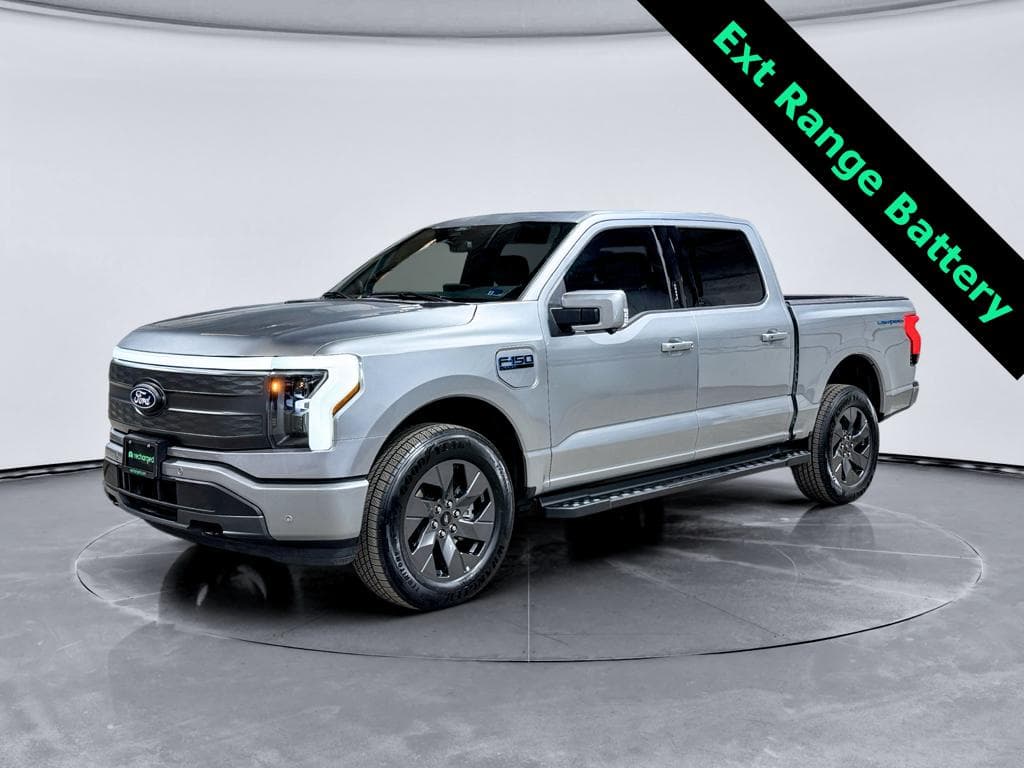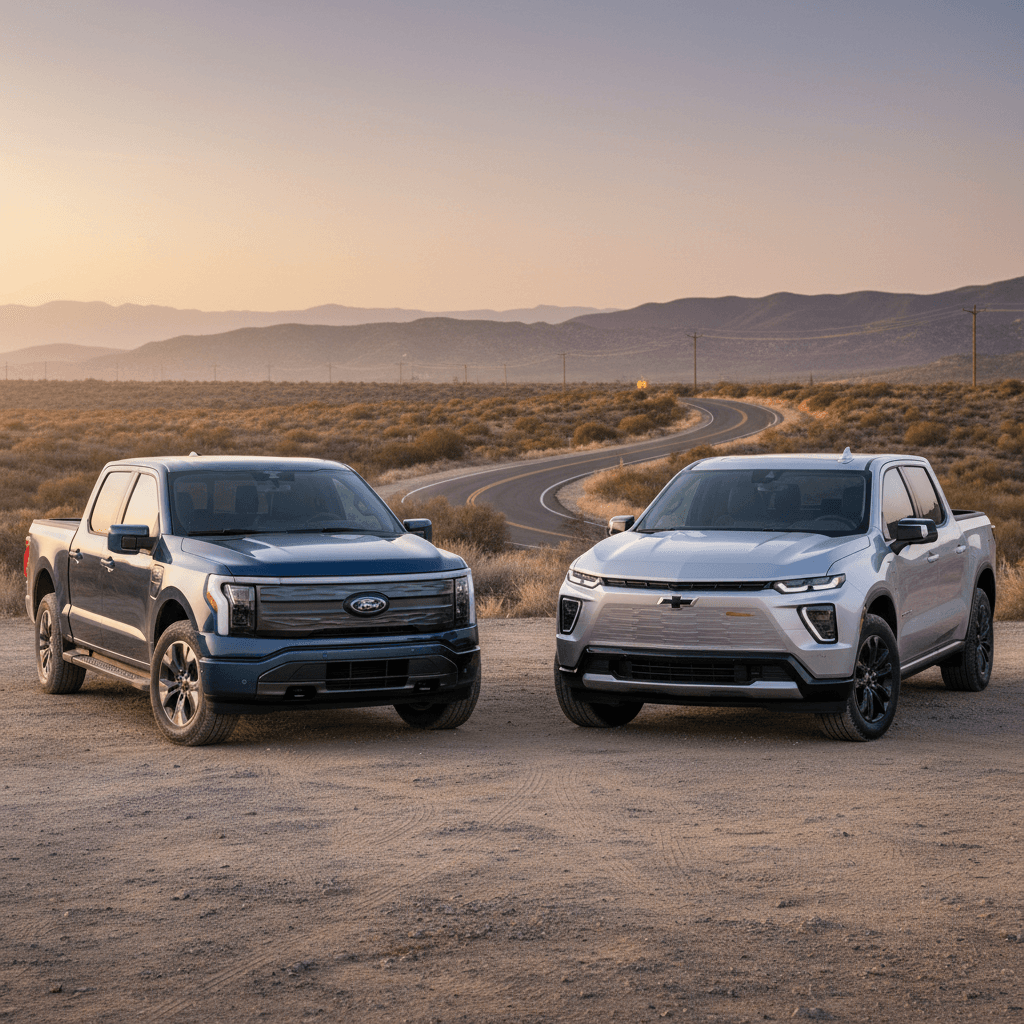
If you’re cross‑shopping the Ford F-150 Lightning vs Chevrolet Silverado EV, you’re not alone. These are the two big legacy‑brand electric pickups on sale in the U.S., and they take very different approaches to range, capability, and price. The challenge is figuring out which electric truck actually fits how you drive, tow, and spend your money.
Quick Take
Overview: F-150 Lightning vs. Silverado EV
Ford got the early lead when the F-150 Lightning hit the market for the 2022 model year, built on the bones of the best‑selling F-150. Chevy took longer but aimed bigger with the Silverado EV, using GM’s dedicated Ultium EV platform for maximum range and towing. By 2025–2026, shoppers looking at these trucks face a strange situation: the Lightning is more common, especially used, but Ford has announced plans to wind down the current all‑electric Lightning in favor of extended‑range hybrids, while the Silverado EV lineup is just getting warmed up.
Two Different Philosophies
How Ford and Chevy approached their first mass‑market EV pickups
Ford F-150 Lightning
Strategy: Electrify America’s best‑selling truck with minimal learning curve.
- Looks and feels like a familiar F-150
- Shorter range but simpler lineup
- Strong early availability, especially used
Chevy Silverado EV
Strategy: All‑new EV platform aimed at big range and big numbers.
- Ultium skateboard chassis
- Long range, huge battery
- Early focus on fleet WT and high‑end RST
Note on Timing
Key Specs at a Glance
Ford F-150 Lightning vs Chevrolet Silverado EV: Core Specs
High‑level comparison of the most important numbers shoppers ask about first.
| Spec | Ford F-150 Lightning* | Chevy Silverado EV* |
|---|---|---|
| Platform | Adapted F-150 frame | Dedicated Ultium EV platform |
| Max EPA-estimated range | Around 320 miles (extended battery, recent model years) | Up to roughly 450–490 miles on certain WT/RST configs |
| Battery size (approx.) | 98–131 kWh usable depending on pack | Close to 200 kWh pack in long‑range trims |
| Max towing capacity | Up to 10,000 lbs when properly equipped | Up to about 10,000 lbs in tow‑max trims |
| Max payload | Roughly 1,800–2,000+ lbs depending on trim | Around 1,300 lbs in many early WT/RST models |
| Drivetrain | Dual‑motor AWD | Dual‑motor AWD |
| Bed length | 5.5 ft traditional bed | 5.11 ft bed with available Multi‑Flex midgate |
| Frunk volume | Large "Mega Power Frunk" | Smaller front storage area |
Exact specs vary by trim and model year. Always confirm details on the specific truck you’re buying.
About the Numbers
Range and Efficiency: Silverado EV Pulls Ahead
If maximum highway range is your top priority, the Silverado EV is the clear winner. Chevy’s Ultium platform was designed around a very large battery pack, and some 2024–2025 WT and RST configurations stretch into the mid‑400‑mile range on a charge under EPA testing. By contrast, recent F‑150 Lightning models top out around 320 miles of rated range with the extended‑range battery.
- Silverado EV long‑range trims: roughly 450–490 miles of estimated range in certain WT and RST models
- F-150 Lightning extended‑range: roughly 300–320 miles in many recent trims
- Both trucks will see significantly less range when towing, hauling, or driving at high speeds in cold weather
Real‑World Range vs Window Sticker
Range Benchmarks for Typical Owners
Where the Lightning claws back some points is efficiency and practicality for shorter commutes. Its smaller battery can be easier to top off overnight on a Level 2 home charger, and if you seldom drive more than 150 miles in a day, you may never touch its full range potential anyway. In that scenario, a used Lightning can be a smart value play.
Towing, Payload, and Work Capability
On paper, both trucks boast serious towing numbers, up to about 10,000 pounds when properly equipped. But how they handle that weight, and what happens to range, is where things get interesting.
Ford F-150 Lightning
- Max towing: up to about 10,000 lbs on select trims with tow packages
- Payload: often in the 1,800–2,000+ lb range on standard‑battery work‑oriented trims
- Tow tech: Proven F‑150 trailer aids, onboard scales on some trims, and familiar bed/bumper layouts
- Range when towing: Many owners report heavy trailers can cut range to 100–150 miles between charges
Chevy Silverado EV
- Max towing: similar 10,000‑lb ballpark in proper tow trims, with higher numbers rumored for future HD variants
- Payload: generally lower, around 1,300 lbs in many early WT/RST models
- Tow tech: Advanced trailering features plus the stability benefits of the long wheelbase and low center of gravity
- Range when towing: That huge battery helps, but towing still takes a big bite; think of the extra range as margin, not a cure‑all
Payload vs Towing: Don’t Confuse Them
Performance and Driving Experience
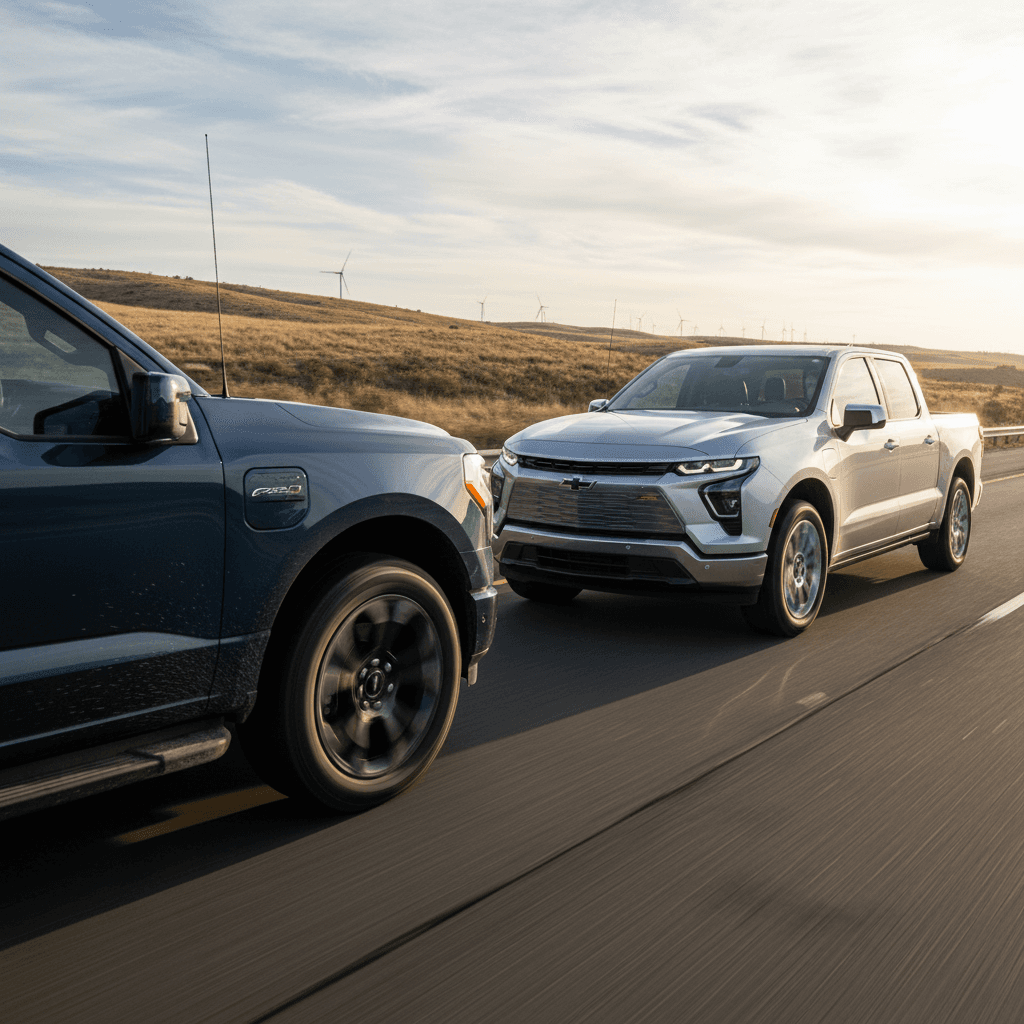
Both trucks are quick, sports‑car quick in the right trims. Dual‑motor all‑wheel drive is standard, and instant torque makes even the work‑truck versions feel eager around town.
How They Feel From Behind the Wheel
Not just numbers, a lot comes down to character
F-150 Lightning Driving Character
- Feels very much like a "normal" F-150 in ride and handling
- Smooth, quiet, and composed, especially at suburban speeds
- Acceleration that surprises traditional truck owners, but tuning is friendly and predictable
- Excellent visibility and easy maneuvering for new truck drivers
Silverado EV Driving Character
- Long wheelbase, substantial weight, and available adaptive air suspension give it a planted, almost luxury‑SUV feel
- High‑output versions (like early RST models) deliver blistering straight‑line acceleration
- Four‑wheel steering (where equipped) shrinks the truck in parking lots and improves stability with trailers
- Feels more "futuristic" than the Ford, for better or worse
Test‑Drive Tip
Interior Tech, Bed Features, and Everyday Utility
Inside, both trucks deliver huge touchscreens, over‑the‑air software updates, and the latest safety tech. The differences are more about layout and clever packaging than raw spec sheets.
Ford F-150 Lightning Utility Highlights
- Mega Power Frunk: One of the biggest front trunks in the business, with power outlets and drainable storage, fantastic for tools, groceries, or muddy gear.
- Pro Power Onboard: Available power export system turns the truck into a giant generator for worksites or home backup.
- Conventional bed: Traditional 5.5‑foot bed that works with a ton of existing F‑150 accessories.
- Cab and dash design: Evolution of the gas F‑150, comfortable, familiar, and easy to live with.
Chevy Silverado EV Utility Highlights
- Multi‑Flex Midgate: Available fold‑down midgate opens the cab to the bed, allowing you to carry very long items with the tailgate closed.
- Innovative tailgate: Configurable tailgate and bed steps increase flexibility for loading and job‑site work.
- Interior: More futuristic design, large central screen, and EV‑specific graphics; some drivers will love it, others may prefer Ford’s familiarity.
- Front storage: Smaller than the Lightning’s Mega Frunk but still useful for keeping valuables out of sight.
Powering Tools, Campsites, and Homes
Pricing, Trims, and Availability
Sticker prices and incentives move around quickly, but a few broad truths have emerged. The Silverado EV launched with expensive launch editions and fleet‑focused WT models, while the Lightning started high and has since seen significant price adjustments and dealer discounts as the market cooled and Ford pivoted its EV strategy.
Typical Market Positioning (Recent Model Years)
A simplified look at how these trucks typically stack up in the marketplace. Your local deals may differ.
| Factor | F-150 Lightning (new & used) | Silverado EV (new, limited used) |
|---|---|---|
| MSRP position | Started high but often discounted or incentivized as inventory grew | Initially high launch pricing, especially RST; more trims filling in over time |
| Fleet/work trims | Pro and work‑oriented trims available early; some now scarce new but common used | WT targeted at fleets; retail buyers more likely to see nicely equipped RST or LT trims |
| Used availability | Growing, with meaningful price drops vs original MSRP | Limited but increasing; long‑range configs may hold value better |
| Dealer experience | Most Ford dealers have now sold/serviced Lightnings | Fewer Silverado EVs in the wild; some Chevy stores still building expertise |
Always check current incentives, tax credits, and dealer discounts in your region.
Used Market Reality
Ownership Costs and the Used Market
Total cost of ownership is where many EV trucks quietly shine. Electricity is typically cheaper per mile than gasoline or diesel, and fewer moving parts can mean lower routine maintenance. But these trucks are also heavy, tire‑hungry, and carry expensive battery packs, so you want to go in with eyes open, especially on the used side.
Key Ownership Factors to Consider
Battery health and remaining range
On a used Lightning or future used Silverado EV, battery condition is the single most important factor. A truck that’s fast‑charged hard or towed heavily may show more degradation than a lightly used commuter.
Depreciation and resale value
Early EV trucks have seen faster depreciation than gas half‑tons. That hurts first owners but can be a big opportunity if you’re buying used and plan to keep the truck for years.
Charging where you live and work
If you can install a 240‑volt Level 2 charger at home, day‑to‑day ownership gets much easier. If you rely on public charging, map out your local DC fast‑charge options before you buy.
Tires, brakes, and wear items
These are heavy, powerful vehicles. Budget for high‑quality tires and note that regenerative braking often reduces brake wear compared with gas trucks.
How Recharged Helps With Used EV Trucks
Which Electric Truck Is Better For You?
So, Ford F-150 Lightning vs Chevrolet Silverado EV, which is better? The honest answer is that neither truck is universally superior; each one wins for a different kind of owner. Here’s how to decide in practical terms instead of just spec‑sheet bragging rights.
Best Fit by Use Case
Match the truck to how you’ll actually use it
Suburban Daily Driver
Winner: F-150 Lightning (especially used)
- Commutes under ~150 miles round‑trip
- Occasional Home Depot runs, light towing
- Appreciate familiar F‑150 feel and controls
- Want to save money by buying used
Long‑Distance Driver or Frequent Tower
Winner: Silverado EV
- Regular highway drives of 200+ miles
- Frequent towing where range cushion matters
- Value the big Ultium battery’s long legs
- Don’t mind higher upfront price for capability
Work Truck / Job‑Site Powerhouse
Edge: Lightning today, Silverado EV closing in
- Lightning’s Mega Frunk + Pro Power Onboard are hard to beat for tradespeople
- Silverado EV’s bed and midgate are clever for construction materials
- Decision often comes down to dealer support and local pricing
If You Want a Deal Right Now
Checklist: How to Choose Between F-150 Lightning and Silverado EV
7 Steps to Picking the Right Electric Truck
1. Write down your real max range need
Think about your longest regular day: commute + errands + potential side trips. If that’s under 200 miles and you’re not towing, the Lightning will likely cover it easily. If you routinely exceed that, the Silverado EV’s extra range becomes very attractive.
2. Be honest about towing frequency
Towing once or twice a year? Either truck can do it with planning. Towing weekly or for business? Lean toward the Silverado EV for its big battery, and plan routes around DC fast chargers near your tow corridors.
3. Decide between new and used
If you want the most truck for the money, a used Lightning is currently the easier, more affordable route. If you want cutting‑edge range and don’t mind paying for it, a new Silverado EV in the right trim is compelling.
4. Map out your charging plan
Confirm you can install a 240‑volt Level 2 charger at home or work. If not, pull up public charging maps and check how convenient high‑power DC fast chargers are on the routes you drive most.
5. Sit in both trucks
Cab feel, control layout, visibility, and seat comfort matter more than many spec‑sheet differences. One of these interiors will probably “click” with you more than the other.
6. Run the total cost of ownership
Look beyond monthly payment. Include electricity, insurance, tires, and expected depreciation. Tools like Recharged’s pricing and battery‑health insights can help you compare real‑world costs across similar trucks.
7. Consider future support and updates
Ford’s pivot away from the Lightning doesn’t strand existing owners, but it does signal a shift in focus. Chevy, meanwhile, appears committed to a family of Ultium‑based trucks. If long‑term OEM support is a top concern, that may tip the scale for you.
FAQ: Ford F-150 Lightning vs Chevy Silverado EV
Frequently Asked Questions
Bottom Line: Who Wins This EV Truck Battle?
For shoppers asking, “Ford F-150 Lightning vs Chevrolet Silverado EV, which is better?” the cleanest answer is this: Chevy built the better long‑range EV truck, Ford built the better value play, especially used. If you want maximum range and can afford a newer Ultium‑based Silverado EV in the right trim, it’s the more future‑proof choice. If you want an electric truck that feels familiar, offers terrific job‑site power and storage, and can be had for far less money on the used market, the F‑150 Lightning is hard to ignore.
Whichever way you lean, take the time to map your real‑world range needs, charging options, and budget, not just once, but over the years you expect to own the truck. Then, when you’re ready to explore used F-150 Lightnings and other pre‑owned EVs with verified battery health and transparent pricing, you can browse options through Recharged and let EV‑specialist advisors walk you through the details before you ever sign on the dotted line.