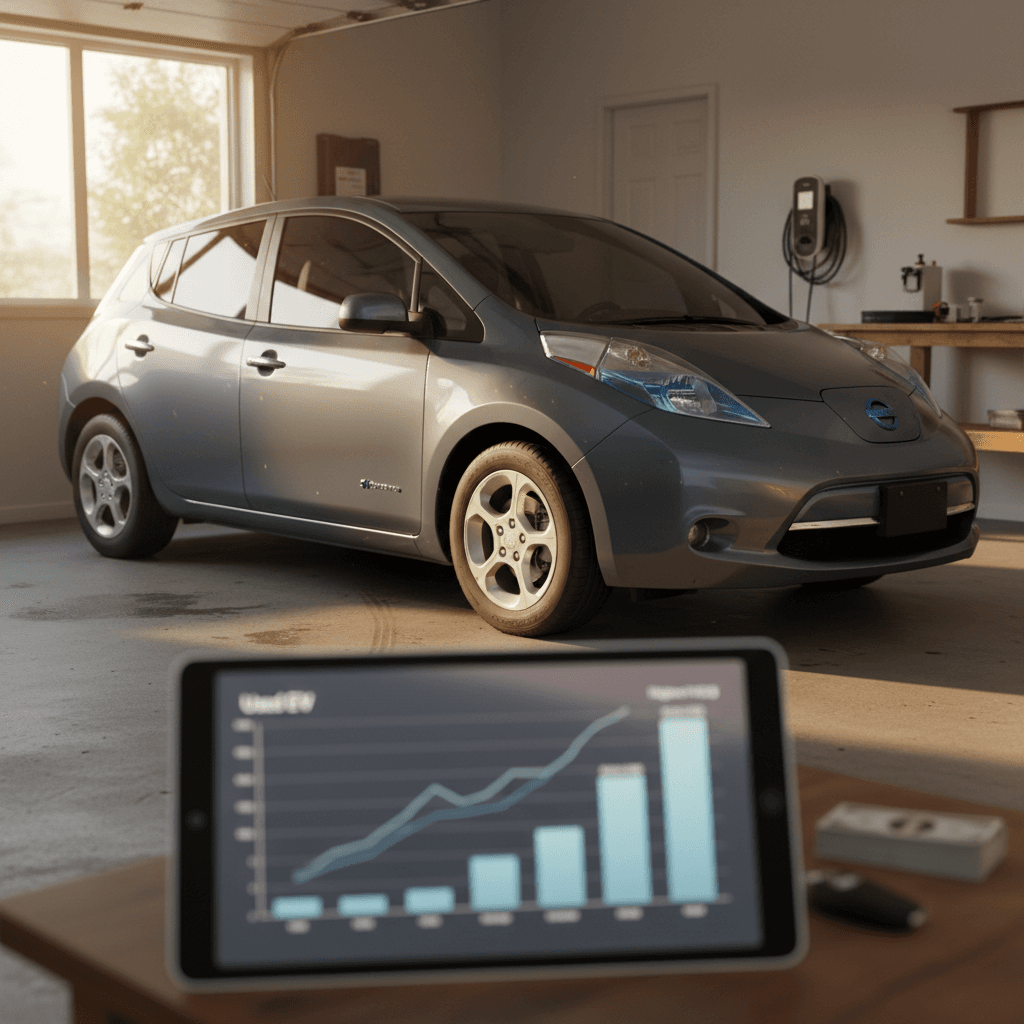
If you drive about 50 miles a day, you’re squarely in the electric car sweet spot. The best electric car for a 50‑mile commute isn’t the flashiest 400‑mile luxury sled; it’s the one that starts every morning with plenty of range, shrugs off bad weather, and doesn’t quietly bleed you dry in payments. That’s the car we’re hunting here.
The short answer
Why a 50‑Mile Commute Is the Sweet Spot for EVs
A 50‑mile daily commute is roughly in line with, or a bit above, the U.S. average round‑trip drive. For an EV, that’s easy mode. Modern electric cars commonly offer 220–320 miles of rated range, and some go far beyond that. That means you’re using maybe 15–30% of the battery each day, exactly what lithium‑ion chemistry likes: frequent, shallow cycles rather than big 0–100% swings.
50‑Mile Commute by the Numbers
Think in weeks, not days
How Much Range Do You Really Need for a 50‑Mile Commute?
The internet will tell you to buy as much range as you can possibly afford. Your wallet would like a word. For a 50‑mile commute, the smarter move is to buy enough range, then spend the savings on a nicer interior, better driver‑assist tech, or simply less monthly payment.
- Daily commute: 50 miles
- Weather/range penalty buffer: ~30–40% (for winter, high speeds, HVAC)
- Occasional detours/errands: 10–20 miles
- Comfort margin: Arrive home with at least 20% battery
Stack that up and a car with real‑world 150–180 miles of winter range is perfectly serviceable. In EPA terms, that usually means at least ~220 miles rated range. Anything over 300 miles starts to be more about occasional road‑trip convenience than day‑to‑day necessity for a 50‑mile commuter.
When you actually need 300+ miles
Key Features to Look For in a Commuter EV
What Matters Most in a 50‑Mile Commuter EV
Prioritize these over headline horsepower
Efficient range
Look for 230+ miles EPA range and good efficiency (3.5+ mi/kWh). That’s more than enough for a 50‑mile day, even in winter.
Home charging
Ideally you can install Level 2 (240V) charging at home. For 50 miles a day, even a standard 120V outlet can work if you plug in every night.
Comfort & NVH
You’ll sit in this thing for 10+ hours a week. Good seats, quiet ride and a competent heater/AC matter more than 0–60 bragging rights.
Driver assistance
Adaptive cruise control and lane‑keeping can take a lot of grind out of routine freeway miles. Many EVs bundle these in mid‑level trims.
Safety & crash ratings
Check IIHS and NHTSA ratings. Most modern EVs perform well, but some older or smaller models vary in crash and headlight scores.
Total cost, not just sticker
Include electricity, insurance, tires, and depreciation. A slightly cheaper car with weak resale can cost more over 5–7 years.
Used EV buyers: put battery first

Best Electric Cars for a 50‑Mile Commute (New & Used)
Let’s get to the names. Below are models that balance efficiency, comfort and cost especially well for a 50‑mile daily commute. Many shine as used buys, which makes them natural fits for Recharged’s marketplace.
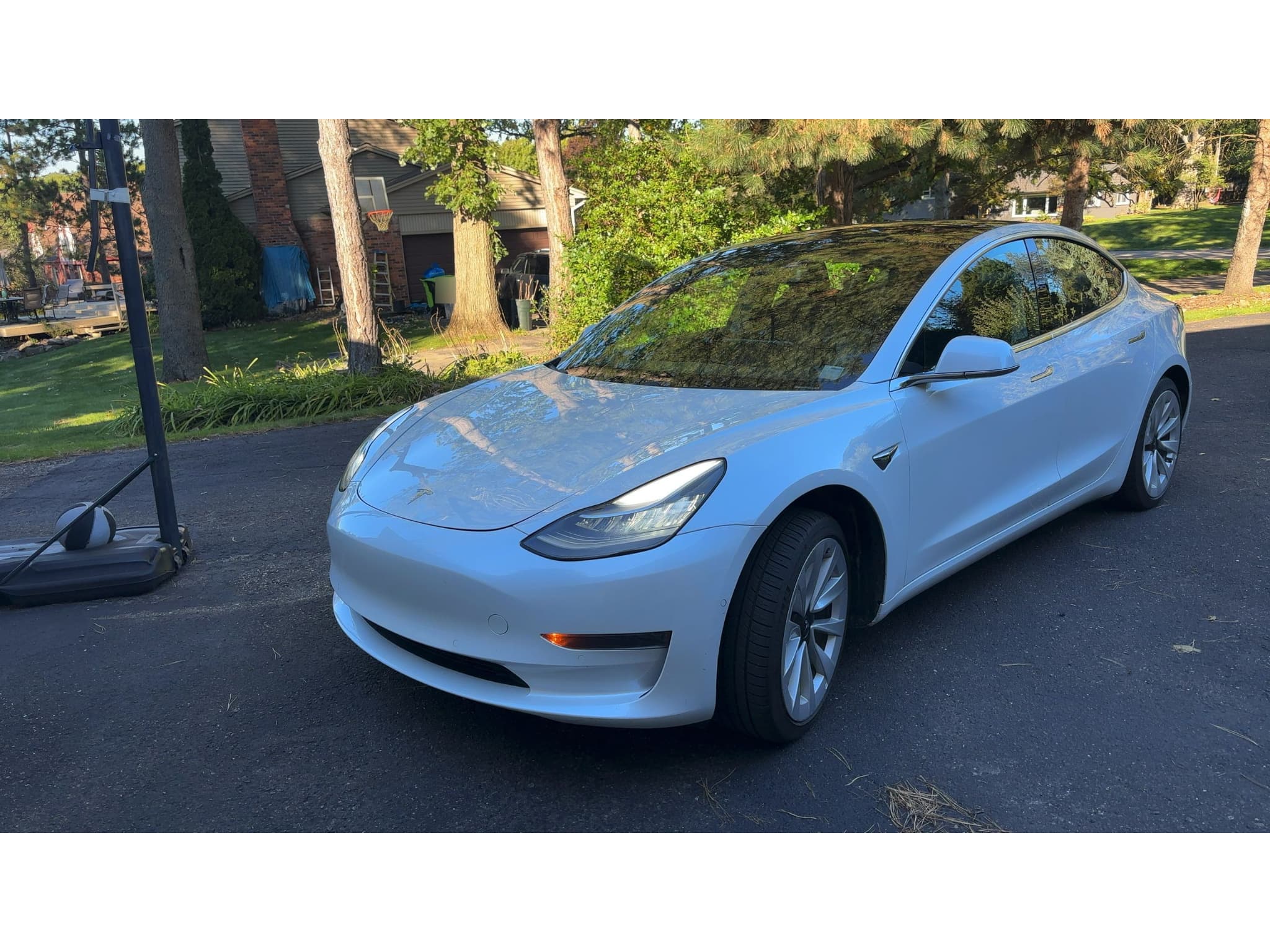
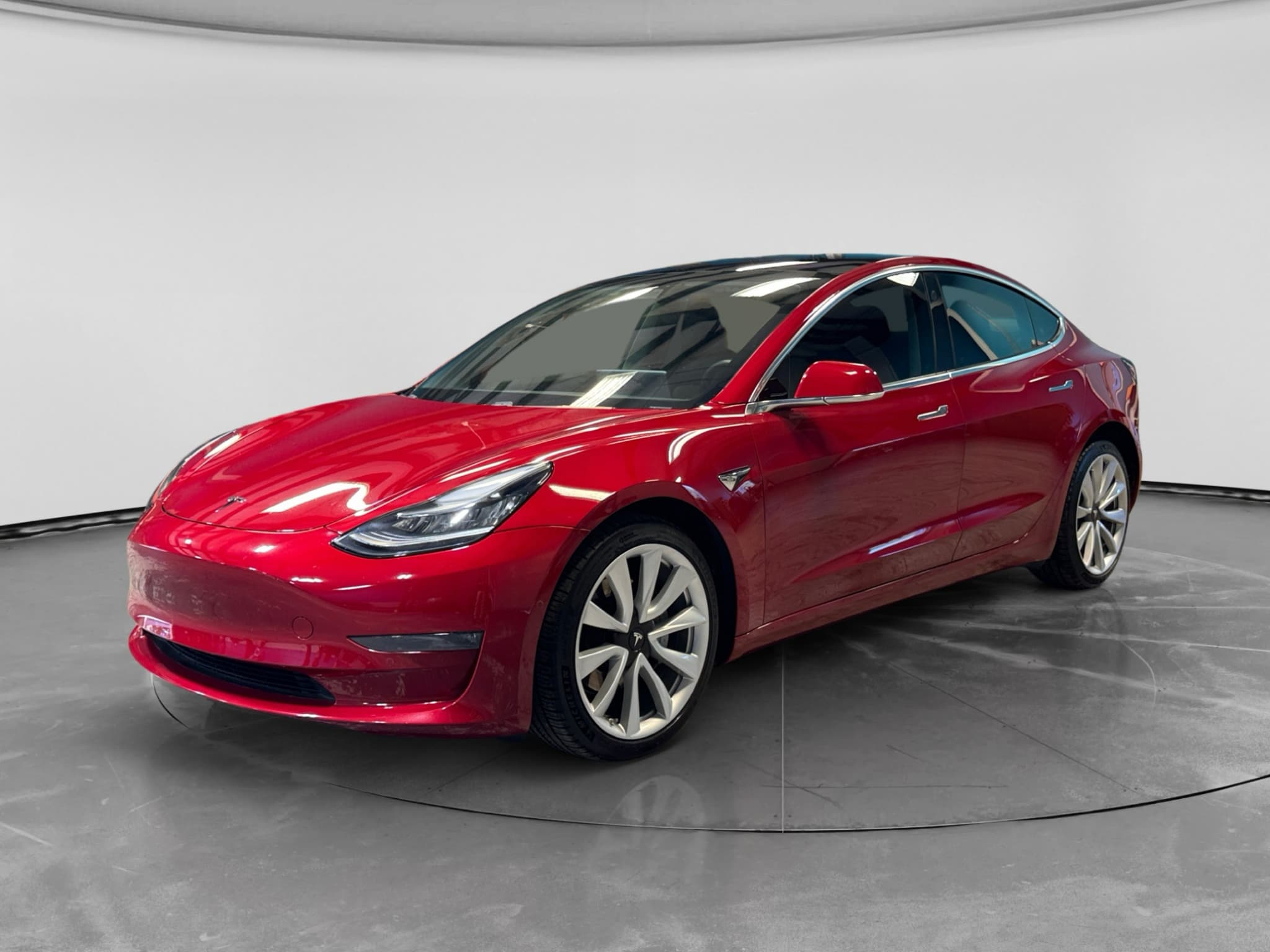
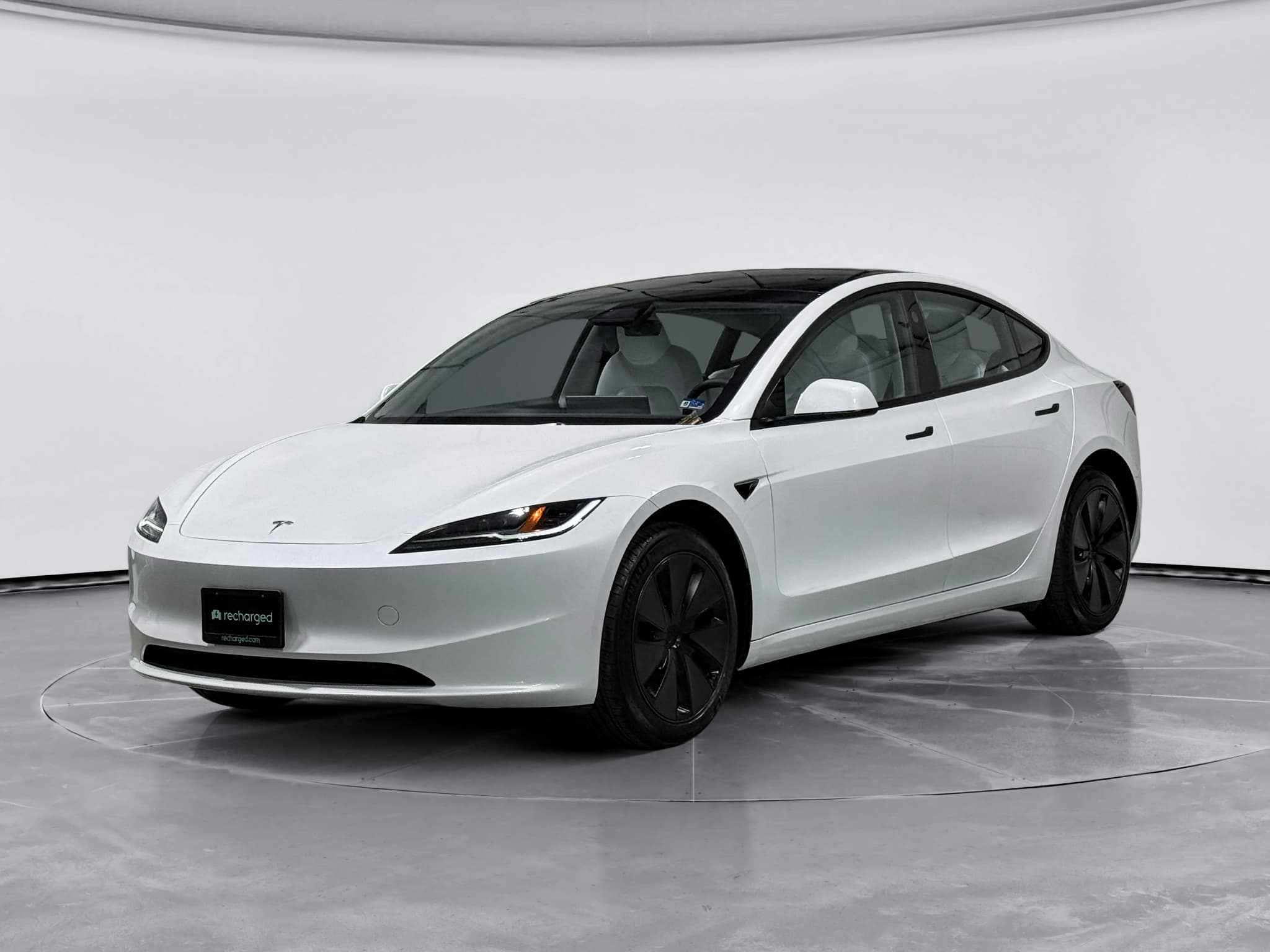
1. Tesla Model 3 (RWD & Long Range)
The Model 3 is the Corolla of the EV world: everywhere, efficient, and quietly brilliant at the boring stuff. Recent Model 3s regularly top independent rankings for low cost per mile thanks to strong efficiency and competitive electricity use. The RWD versions are especially thrifty and more than adequate for a 50‑mile drive.
- EPA range (recent years): roughly 260–330 miles depending on trim
- Why it’s great for 50 miles: you’re using a small slice of the battery, which is gentle on pack life
- Upsides: super‑efficient, great charging network access, strong driver‑assist, big used market
- Watch for: higher insurance in some markets; verify wheel size and tires (big wheels hurt efficiency)
2. Chevrolet Bolt EV & Bolt EUV
If the Model 3 is the Corolla, the Bolt is the Civic hatch: humble, efficient, and, crucially, cheap on the used market after GM paused and then re‑announced the nameplate. Despite modest power, real‑world drivers regularly see 3.5–4.0 miles per kWh, which makes a 50‑mile trip a non‑event.
- EPA range: ~247–259 miles, depending on year and variant
- Why it’s great for 50 miles: compact footprint, simple interior, easy to park, cheap to run
- Upsides: excellent efficiency, often lower used prices than rivals, generous equipment
- Watch for: battery recall history on earlier years, make sure recall work is complete and confirmed
3. Hyundai Kona Electric
The Hyundai Kona Electric is an efficiency overachiever. Recent real‑world testing has put it above 4.0 miles per kWh, which is standout territory. Compact crossover shape, decent ride height, and a friendly cabin make it feel less like an appliance and more like a normal small car that just happens to crush your fuel bill.
- EPA range: roughly 258–260 miles depending on battery and year
- Why it’s great for 50 miles: absurdly efficient, easy to maneuver, good warranty coverage
- Upsides: lots of standard equipment, long battery warranty on newer models, strong cold‑weather performance for its class
- Watch for: rear seat and cargo area are on the small side; test the driving position if you’re tall
4. Hyundai Ioniq 5 / Kia EV6 (for highway-heavy commuters)
If your 50‑mile commute is mostly highway, aero starts to matter. The Hyundai Ioniq 5 and Kia EV6 are bigger, more expensive and more stylish than the Bolt‑class cars, but they’re also efficient at speed and offer ultra‑fast DC charging for occasional road trips. For a long freeway slog, their composure and cabin comfort count for a lot.
- EPA range: typically 240–310 miles depending on battery and drive layout
- Why they’re great for 50 miles: relaxed, stable highway manners; more space and refinement
- Upsides: 800‑V architecture on many trims enables very fast charging, good driver‑assist suites
- Watch for: bigger wheels and performance trims that hurt range and ride quality; higher purchase price than compact EVs
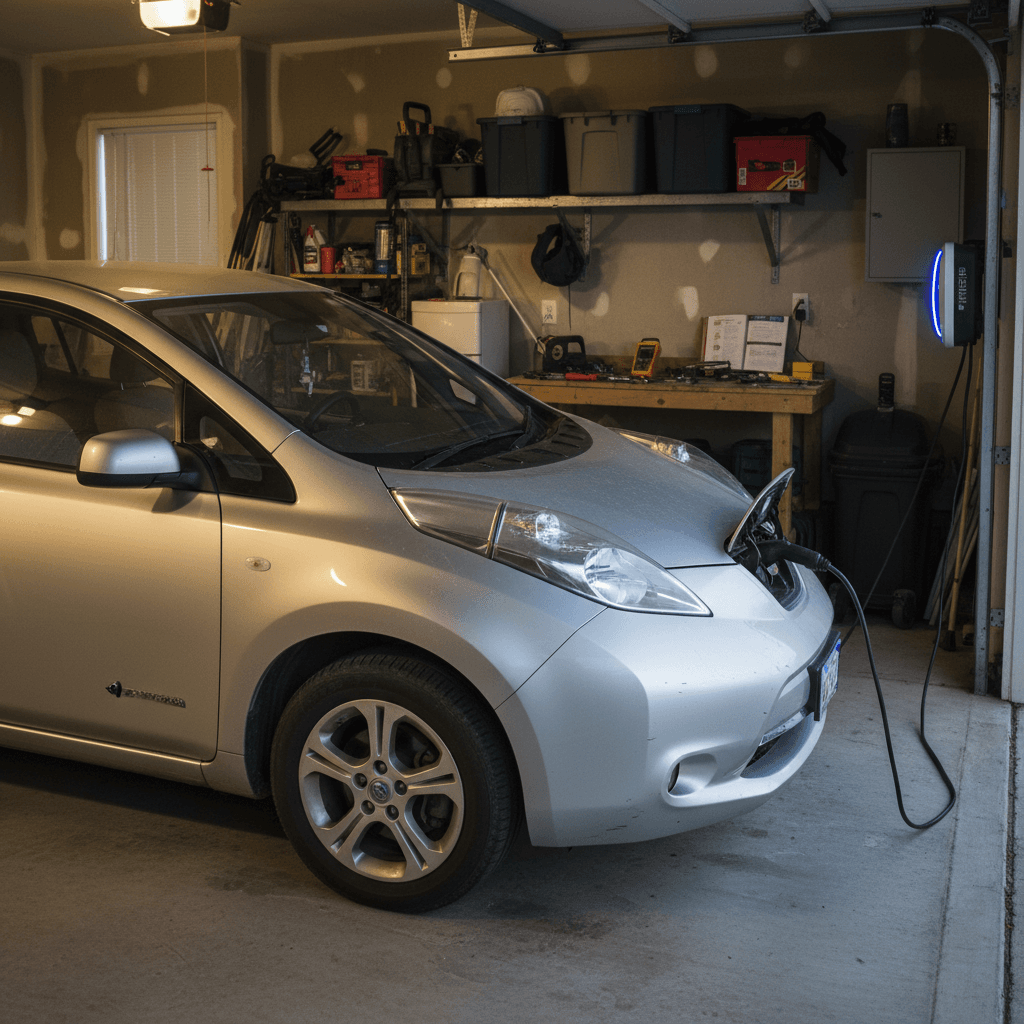
5. Nissan Leaf (Second Generation)
The Leaf is the EV elder statesman. The second‑generation cars (40 and 62 kWh packs) can be screaming bargains used, and for a 50‑mile commute they’re still perfectly viable, especially in milder climates. The big caveat is battery chemistry and thermal management: early Leafs had more degradation, and even later ones benefit from gentle use.
- EPA range: roughly 150–226 miles depending on battery and year
- Why it’s great for 50 miles: inexpensive used, simple to drive, ample range if the pack is healthy
- Upsides: low entry price, easy interface, plentiful supply
- Watch for: battery state of health, especially in hot‑climate cars; CHAdeMO fast‑charging standard is fading in North America
Used EV shortcut
Comparison Table: Top Commuter EV Picks
At-a-Glance: Popular EVs for a 50‑Mile Daily Commute
Approximate EPA ranges and rough used‑market pricing to frame your search. Actual numbers vary by model year, trim and condition.
| Model | Typical EPA Range | Realistic Winter Range | Ballpark Used Price | Best For |
|---|---|---|---|---|
| Tesla Model 3 (RWD/Long Range) | 260–330 mi | 180–230 mi | $$–$$$ | Mixed city/highway, tech‑savvy commuters |
| Chevrolet Bolt EV/EUV | 247–259 mi | 160–190 mi | $–$$ | Budget‑minded solo commuters |
| Hyundai Kona Electric | 258–260 mi | 170–200 mi | $$ | Efficiency nerds, small‑SUV fans |
| Hyundai Ioniq 5 / Kia EV6 | 240–310 mi | 170–220 mi | $$$ | Long freeway commutes & weekend trips |
| Nissan Leaf (40/62 kWh) | 150–226 mi | 100–160 mi | $ | Shorter commutes, mild climates, low entry price |
Focus less on absolute range and more on comfort, efficiency and verified battery health.
Should You Consider a Plug‑In Hybrid for a 50‑Mile Commute?
A plug‑in hybrid (PHEV) can be a clever hedge: short trips on electric, gas engine for the rest. The catch is that many PHEVs only offer 25–35 miles of electric range, which means a 50‑mile commute will regularly dip into gasoline unless you can charge at work too.
However, a few standouts now offer 40–50 miles of EPA‑rated electric range, enough for many commuters to do the full round trip on electrons most days. Think of cars like the Toyota Prius Prime or certain luxury PHEVs with 40+ miles of electric capability; they blur the line between EV and traditional hybrid for people who can’t yet commit to full electric.
Where PHEVs disappoint
Battery Health and Used EVs: What Actually Matters
For a 50‑mile commute, battery health is the difference between a car that fits your life for another decade and one that feels “old” in three winters. The good news: most modern EV batteries age more slowly than early horror stories suggest, especially if previous owners charged at home and avoided living at 100% or 0%.
How to Evaluate Battery Health on a Used EV
1. Look for documented state of health
Some brands expose a percentage in the car; others require a scan tool. On Recharged, the <strong>Recharged Score Report</strong> summarizes pack health and estimated usable range so you’re not guessing.
2. Compare usable range to original spec
If a car was rated at 259 miles new and now delivers about 230 on a full charge, that’s healthy aging. If it’s struggling to hit 170, you’ll want a discount, or a different car.
3. Check climate and fast‑charging history
Hot climates and constant DC fast‑charging are harder on batteries. A commuter car that mostly lived on a home Level 2 charger will usually look better on a scan.
4. Verify remaining factory battery warranty
Most OEMs cover batteries for 8 years/100,000 miles or more. A commuter EV with several warranty years left is a nice safety net if capacity drops unexpectedly.
5. Drive it like you commute
On a test drive, mimic your actual route speeds. Watch projected range and energy consumption. Does it feel like it will cover your real 50‑mile loop with plenty of margin?
Where Recharged fits in
Real‑World Cost to Commute 50 Miles in an EV
The romantic case for EVs is climate. The unromantic case, the one that moves metal, is math. Commuting 50 miles a day in an efficient EV is often shockingly cheap compared with gasoline.
Example: Efficient EV commuter
- Efficiency: 3.5 mi/kWh (very achievable in a Bolt, Kona or Model 3)
- Daily distance: 50 miles
- Energy used: about 14.3 kWh
- At $0.16/kWh (rough U.S. average), that’s $2.29 per day
Over 22 workdays a month, you’re at roughly $50 in “fuel” for your commute.
Example: 30‑mpg gas commuter
- Efficiency: 30 mpg
- Daily distance: 50 miles
- Fuel used: about 1.67 gallons
- At $3.50/gal, that’s ~$5.85 per day
That’s about $129 per month just in gasoline for the same 50‑mile commute.
Savings in plain English
Step‑by‑Step: How to Choose Your Commuter EV
Pick the Path That Fits Your Life
Budget‑First Commuter
Decide your true max payment, then work backwards into price range.
Target efficient used models: <strong>Bolt EV/EUV, Kona Electric, Leaf</strong>.
Prioritize cars with clean battery reports and some warranty remaining.
Don’t overspend on trim: cloth seats and CarPlay still get you there just fine.
Comfort & Tech Commuter
Daily highway slog? Look at <strong>Model 3, Ioniq 5, EV6</strong> and similar.
Test seats, noise level and adaptive cruise in real conditions.
Make sure driver‑assist systems feel natural, not fussy or buzzy.
Budget for slightly higher purchase price but lower “commute fatigue.”
Range‑Anxious But EV‑Curious
Aim for <strong>300‑mile EPA range</strong> to calm your nerves, or consider a PHEV.
Map home and work charging realistically: can you plug in daily or at least several times a week?
Take an extended test drive on your exact route if possible.
Use the first month to learn your real consumption, then adjust your charging habits.
No‑Home‑Charging Commuter
Look hard at workplace charging, public Level 2 near home, or DC fast chargers along your route.
Favor cars with <strong>strong DC fast‑charging performance</strong> and efficient highway behavior.
Estimate charging time vs. your schedule; “20 minutes a few times a week” might be fine, “45 minutes daily” probably isn’t.
Run the numbers: in some cases a high‑range EV or PHEV may fit better until you can charge at home.
Final Pre‑Purchase Checklist for a 50‑Mile EV Commute
Confirm real‑world range with margin
Your candidate car should comfortably cover your full commute <strong>plus 40–50 extra miles</strong> in bad weather and heavy traffic.
Plan your charging routine
Decide where and how often you’ll charge. For most, a <strong>home Level 2</strong> setup is the ultimate commuting luxury. Recharged can help you estimate charging needs based on the car you’re eyeing.
Review the Recharged Score Report
On Recharged listings, use the <strong>battery and pricing insights</strong> to compare cars. Two similar‑looking EVs can have very different remaining range and value.
Check total cost of ownership
Compare insurance quotes, local electricity rates and expected depreciation. A slightly pricier car today may hold value better over 5–7 years.
Test the boring stuff
Try the HVAC, seat heaters, steering wheel, visibility, and infotainment during a real commute‑style drive. This is the life you’ll live, every weekday.
FAQ: Best Electric Car for a 50‑Mile Commute
Common Questions About 50‑Mile EV Commutes
Bottom Line: Don’t Overbuy Range, Do Prioritize Battery Health
For a 50‑mile commute, the best electric car is not the one with the biggest battery. It’s the one that fits your route, your budget, and your tolerance for charging. In practice that means an efficient EV with 220+ miles of rated range, a healthy battery, and a cabin you don’t mind spending 10 hours a week in.
Compact workhorses like the Tesla Model 3, Chevrolet Bolt, Hyundai Kona Electric, and similar models hit that target beautifully, especially on the used market. Paired with home charging, they turn a 50‑mile commute into an unremarkable line item instead of a daily gas‑station drama.
If you’re ready to run the numbers on your own commute, explore used EVs on Recharged, dig into the Recharged Score for each car, and see how the battery, pricing and projected costs line up with your life. The right commuter EV won’t just save you money, it’ll give you back a little bit of your day, every day.