When people talk about the first electric production car, the conversation usually jumps straight to Tesla. But electric cars were rolling down cobblestone streets long before gasoline cars took over, and long before Silicon Valley existed. Understanding where electric vehicles started can give you valuable perspective if you’re thinking about owning or buying a used EV today.
Quick answer
Why the “first electric production car” still matters
You might wonder why it matters which vehicle gets the title of first electric production car. After all, you can’t exactly daily‑drive an 1888 prototype. But tracing that history helps you answer a more practical question: how mature is EV technology, really? When you see that engineers were solving range, charging, and battery durability problems in the 19th century, today’s electric cars start to look less like an experiment and more like the latest chapter in a long story.
- It shows EVs aren’t a fad, they’ve come and gone before, and they’re back stronger.
- It highlights how much battery technology and charging infrastructure have improved.
- It gives you context when comparing a modern used EV to a gas car of the same age.
Buying tip
What actually counts as the first electric production car?
If you dig into EV history, you’ll see several vehicles competing for the “first” title. Part of the confusion comes from how you define a production car. To keep things clear, it helps to draw a line between three categories:
Three ways to define the “first” electric car
Why different sources disagree
1. Experimental prototypes
2. Production cars
3. Mass‑produced cars
By the second definition, limited series production offered to paying customers, the Flocken Elektrowagen of 1888 is widely regarded as the first electric production car, with later vehicles like the Baker Electric and Detroit Electric carrying the concept into true commercial success.
Flocken Elektrowagen (1888): The early front‑runner
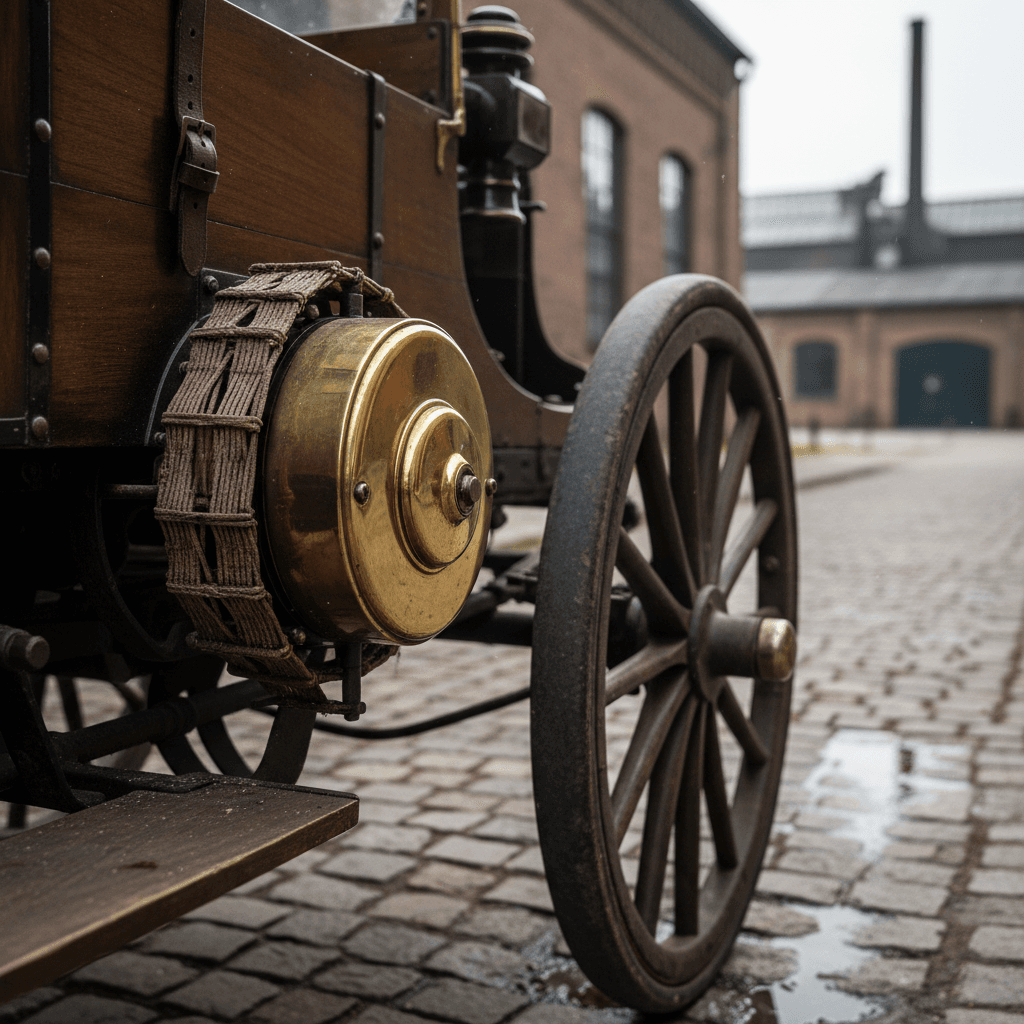
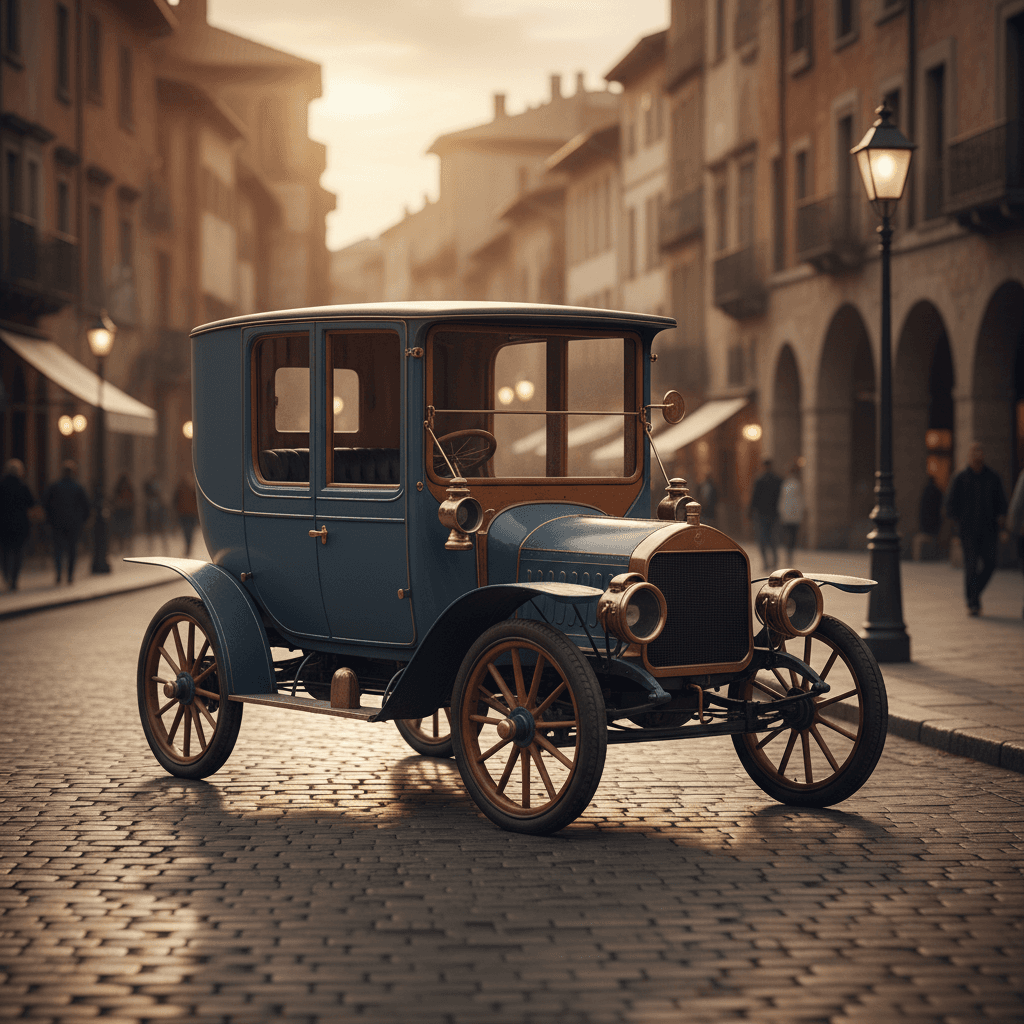
Built in 1888 by German engineer Andreas Flocken, the Flocken Elektrowagen was a four‑wheeled, carriage‑style vehicle powered entirely by an electric motor and batteries. That might sound simple today, but at the time it was a radical departure from steam coaches and the first gasoline experiments.
What we know about the Flocken Elektrowagen
Records from the period are incomplete, so we don’t know exactly how many Flocken cars were sold. What separates it from earlier experiments is that it was designed as an electric car from the outset and built as a product, not just a one‑off demonstration. That’s why many historians use it as the starting line for electric car production.
A note on production numbers
Other early electric pioneers: 1890s–1910s
Once inventors proved that electric cars could work, the 1890s and early 1900s saw an explosion of activity. In some cities, electric cars actually outsold gasoline cars for a time. A few nameplates still matter today when we talk about the first electric production car because they pushed EVs beyond boutique curiosities.
Key early electric production cars
How a handful of pioneering models shaped early EV history
| Model | Years active | Country | Role in EV history |
|---|---|---|---|
| Electrobat | 1894–1896 | United States | One of the first practical electric carriages; helped prove the concept in American cities. |
| Bersey Electric Cab | 1897–1899 | United Kingdom | London’s first electric taxi fleet, up to around 75 cabs in service, nicknamed “hummingbirds.” |
| Baker Electric | c. 1899–1914 | United States | High‑end electric car popular with city drivers; known for comfort and ease of use. |
| Detroit Electric | 1907–1930s | United States | True commercial success, with thousands built and sold worldwide. Favored by professionals and wealthy urban drivers. |
These vehicles show that electric cars had a genuine market presence long before gasoline took over.
A familiar use case
“Many developments that consumers now see as brand‑new, quiet operation, instant torque, low maintenance, were hallmarks of electric cars more than 100 years ago.”
From experiments to modern production: Henney Kilowatt and beyond
Fast‑forward to the mid‑20th century and you’ll often see another contender for “first electric production car”: the Henney Kilowatt. Built in the United States for the 1959 and 1960 model years, it used a Renault Dauphine body converted to battery‑electric power.
Only a few dozen Henney Kilowatts were ever sold, most to electric utilities, but it’s important because it bridged the gap between the early carriage‑style EVs and the modern, post‑war automotive industry. It used more advanced electronics, higher operating voltages, and packaging closer to the compact cars Americans would recognize in the 1960s.
- Early Flocken‑era EVs proved that electric propulsion could replace horses in cities.
- Turn‑of‑the‑century cars like Baker and Detroit Electric showed you could build and sell EVs in meaningful numbers.
- Mid‑century efforts like the Henney Kilowatt brought EV tech into the world of modern unibody cars and standardized components.
So which one “wins”?
How early EVs compare to today’s electric cars
Early electric cars (1880s–1910s)
- Range: Often 30–80 miles on a charge, similar to some modern city EVs but with far lower speeds.
- Top speed: Commonly 20–30 mph, perfect for crowded city streets of the time.
- Charging: Slow, often overnight charging with very limited infrastructure.
- Comfort: Smooth and quiet compared with noisy, hand‑cranked gasoline cars.
- Price & image: Often marketed as refined, even luxurious, especially to affluent urban buyers.
Modern EVs (2010s–2020s)
- Range: Many used EVs now offer 150–300+ miles, with some city‑focused models around 100 miles.
- Top speed: Comparable to or better than gasoline cars, with strong highway performance.
- Charging: Home Level 2 charging plus extensive DC fast‑charging networks along major routes.
- Comfort & tech: Quiet cabins, advanced driver‑assist, big touchscreens and connected services.
- Price & image: Increasingly mainstream, especially in the used market where depreciation can make EVs excellent value.
Range anxiety then vs. now
What this history means if you’re buying a used EV
So how does knowing about the first electric production car help you decide whether to buy a used Nissan LEAF, Tesla Model 3, or Chevy Bolt today? It gives you the confidence that you’re not buying into a passing trend. Electric propulsion has been revisited again and again because it solves real problems, quiet operation, low running costs, and low local emissions.
What’s changed since Flocken and Detroit Electric’s day is the surrounding ecosystem: lithium‑ion batteries, nationwide charging networks, and robust electronics. That means your focus as a used‑EV shopper shouldn’t be “Is electric here to stay?” but rather, “Is this specific car’s battery healthy, and is the price fair?”
Where Recharged fits in
Checklist: Evaluating a used EV today
Key steps before you commit to a used EV
1. Understand your real‑world range needs
Look honestly at your daily driving. If you typically drive 30–40 miles a day and occasionally take longer trips, even an earlier‑generation EV with 100–150 miles of usable range might work perfectly.
2. Prioritize battery health over model year
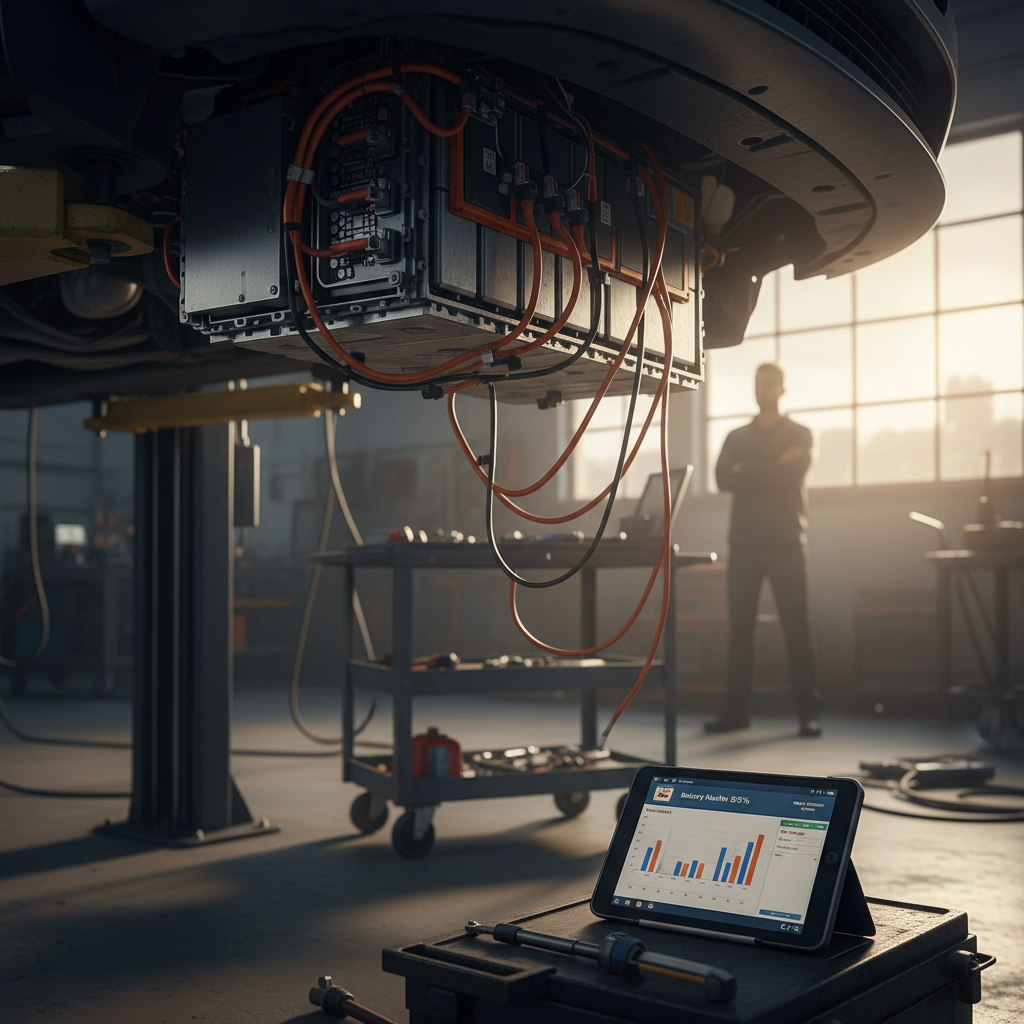
An older EV with a well‑cared‑for battery can be a better buy than a newer one that’s been fast‑charged aggressively. Ask for <strong>battery health data</strong>, not just odometer readings.
3. Check charging compatibility
Confirm the car’s charging connector (CCS, CHAdeMO, NACS) and what’s common in your area. Make sure it’s compatible with the public chargers you’re likely to use, and consider whether you’ll install home charging.
4. Review ownership and service history
Look for signs of attentive ownership, regular software updates, timely recalls, and climate‑controlled storage. EVs have fewer moving parts, but abuse and neglect can still take a toll.
5. Compare total cost of ownership
Factor in fuel savings, potential tax credits, maintenance costs, and the purchase price. Many used EVs offer excellent value once you add in lower operating costs over several years.
6. Take advantage of expert evaluations
When you buy through <strong>Recharged</strong>, EV specialists walk you through the Recharged Score, answer questions about range and charging, and help you decide whether a particular car fits your lifestyle.
FAQ: First electric production car & early EVs
Frequently asked questions about the first electric production car
The bottom line on the first electric production car
If you’re looking for a single answer, the 1888 Flocken Elektrowagen is the best candidate for the title of first electric production car. But the broader story is more important than the trivia: for more than 100 years, engineers and buyers have turned to electricity whenever they wanted quiet, clean, low‑maintenance transportation, especially in cities.
Today’s used EVs take that same core idea and layer on modern batteries, electronics, and charging networks. If you’re considering making the jump, you’re not stepping into the unknown, you’re joining a long line of drivers who decided that electric simply suited the way they drive. With tools like the Recharged Score Report, flexible financing, trade‑in options, and nationwide delivery, Recharged makes it much easier to enjoy the benefits of a technology that’s been proving itself since the 19th century.