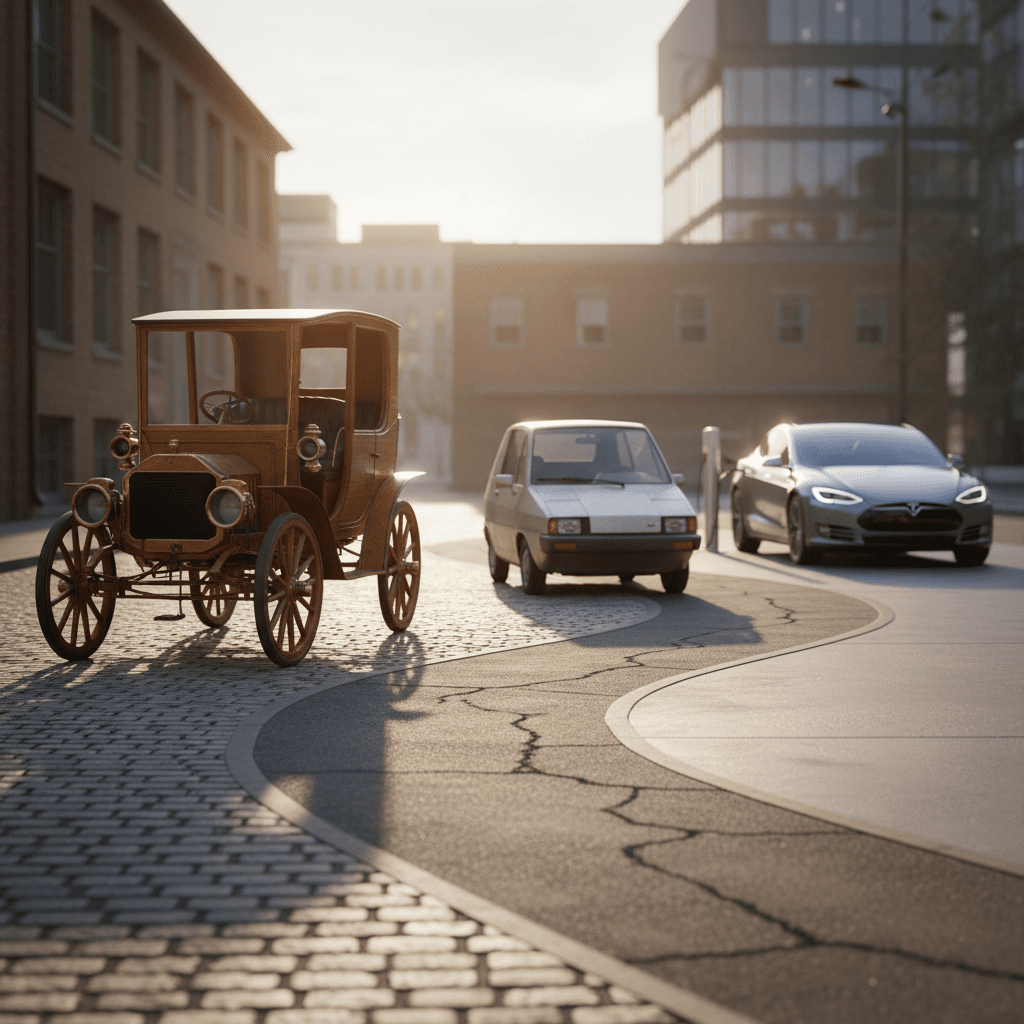
When people talk about the first electric car, they usually think of Tesla, or maybe the GM EV1 in the 1990s. In reality, electric cars were on the road before most people had indoor plumbing, and they were credible rivals to gas and steam long before the Model T. Understanding that history makes you a much smarter shopper if you’re considering your first electric car today.
Quick take
Why the “first electric car” still matters today
You might wonder why anyone still argues about who built the first electric car. After all, you just need something reliable for commuting, road trips, or family duty. The reason it matters is that those early experiments answered the same questions you’re asking now: How far can it go? How long do the batteries last? Is this technology really practical, or is it just a fad?
Three reasons EV history is still relevant
Knowing where EVs started helps you judge where they’re going
Technology cycles repeat
Range anxiety isn’t new
Durability lessons
So what actually counts as the first electric car?
Historians disagree because “first electric car” can mean different things: first to move under its own power, first practical vehicle, or first production model you could actually buy.
Different ways to define the "first electric car"
Each candidate answers a slightly different question.
| Definition | Key Example | Year | Why It Matters |
|---|---|---|---|
| First electric road vehicle | Gustave Trouvé tricycle | 1881 | First rechargeable electric vehicle driven on a public street in Paris. |
| First four‑wheel electric car | Flocken Elektrowagen | 1888 | Early four‑wheel carriage layout closer to what we now call a car. |
| First successful U.S. electric car | William Morrison carriage | ~1890 | Sparked widespread interest in electric cars in the United States. |
| First production electric cars | Jeantaud, Baker, Columbia, Detroit Electric | 1890s–1900s | Built in small series and sold to paying customers, mainly in cities. |
There’s no single winner, just milestones along the way.
How to explain it in one sentence
Key milestones: From lab experiments to real roads
Snapshot of early electric car history
- Early 1800s: inventors in Hungary, the Netherlands, Scotland, and the U.S. experiment with small battery‑powered vehicles, closer to lab projects than usable cars.
- 1830s–1840s: Scottish inventor Robert Davidson builds heavy battery locomotives, proving the concept of electric traction but only on rails.
- 1881: French inventor Gustave Trouvé fits rechargeable batteries and an electric motor to a Coventry tricycle and drives it on a Paris street, often cited as the first rechargeable electric road vehicle.
- 1880s–1890s: Builders like Andreas Flocken in Germany and Charles Jeantaud in France create four‑wheel electric carriages that customers can actually buy.
- 1890s–1910s: In the U.S., companies such as Baker, Columbia, and Detroit Electric sell electric city cars and taxis; in some cities, EVs are the premium option for wealthy, urban drivers.
“Most people are shocked to learn that electricity was powering real, usable cars before gasoline really got going. In 1900, electric cars weren’t the weird alternative, they were often the default choice for city drivers.”
How the first electric cars actually worked
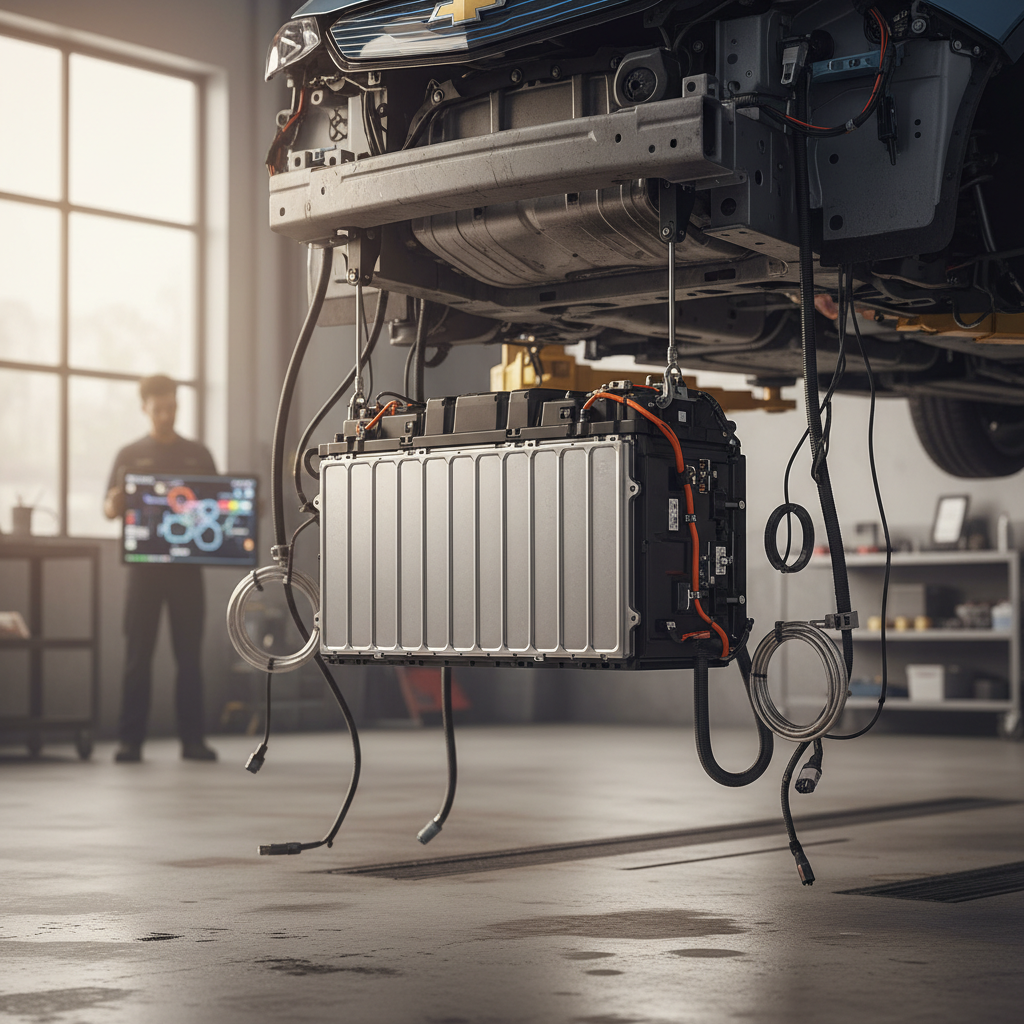
Batteries: heavy but simple
Early EVs used lead‑acid batteries, the same basic chemistry that still starts most gas cars today. They were:
- Very heavy for the energy they stored.
- Slow to recharge by modern standards.
- Surprisingly durable when not abused.
Typical range was 20–50 miles, which was fine for short city trips but limiting for long rural journeys.
Motors & controls: smooth and quiet
The powertrain layout will look familiar if you drive an EV now:
- An electric motor driving the rear wheels.
- Instant torque from a standstill.
- Simple speed control using resistors or multiple windings.
Drivers loved that early EVs were quiet, easy to drive, and didn’t need gear changes, all advantages that still define EVs today.
Comfort was a selling point
Why early electric cars disappeared the first time
Given how sophisticated some early electric cars were, it’s natural to ask: why didn’t they win the first time? The reasons sound very familiar if you follow today’s EV debates.
The three big forces that sidelined early EVs
History rhymes: the same forces still shape today’s market
Infrastructure gaps
Falling gas‑car costs
Policy & momentum
The lesson for today
The modern rebirth: From GM EV1 to Tesla and beyond
After early EVs faded, electricity never fully disappeared from automotive tech, it lived on in streetcars, forklifts, and hybrids, but modern electric cars didn’t seriously return to the mainstream conversation until the late 20th century.
- 1990s – GM EV1: A purpose‑built electric coupe leased in select U.S. markets. Limited range and lease‑only availability kept it from going mainstream, but it proved that a modern EV could be refined, quick, and efficient.
- Late 1990s – Toyota Prius: A hybrid, not a full EV, but it normalized electric drive and high‑voltage batteries for millions of drivers worldwide.
- 2010s – Nissan Leaf and Tesla Model S: The first widely available modern EVs in the U.S. with usable range, DC fast charging, and strong performance.
- 2020s – Mass‑market & used EVs: Every major automaker now sells EVs, and a growing used market means you can buy your first electric car without paying new‑car prices.
What early EV history teaches you about buying your first electric car
If you’re shopping for your first electric car, the 19th‑century story isn’t just trivia, it’s a cheat code. Early EVs highlight the same tradeoffs you’re weighing today: range vs. cost, charging access vs. convenience, and long‑term durability vs. short‑term incentives.
1. Range has always been contextual
Early electric cars offered 20–50 miles of range, which was plenty for short city trips but useless for cross‑country travel. Today, most modern EVs offer 200–300+ miles, but your actual need might be much lower.
Look honestly at your daily driving. If you usually drive 30–60 miles a day and rarely road‑trip, a modest‑range EV, especially a used one, may be more than enough.
2. Charging access beats theoretical range
Early EVs failed partly because there wasn’t a robust, convenient charging network. The same principle applies today.
- If you have reliable home charging, you can live happily with less range.
- If you rely on public chargers, you’ll want more range and DC fast charging.
Think of range and charging as a system, not separate features.
Where Recharged fits in
Ready to find your next EV?
Browse VehiclesChecklist for your first electric car (inspired by history)
8 questions to answer before you buy your first EV
1. What’s my real daily range need?
Track your driving for a week. For most drivers in the U.S., daily mileage is under 40 miles. If that’s you, you don’t need a 400‑mile battery, just a comfortable buffer for cold weather and detours.
2. Where will I charge most of the time?
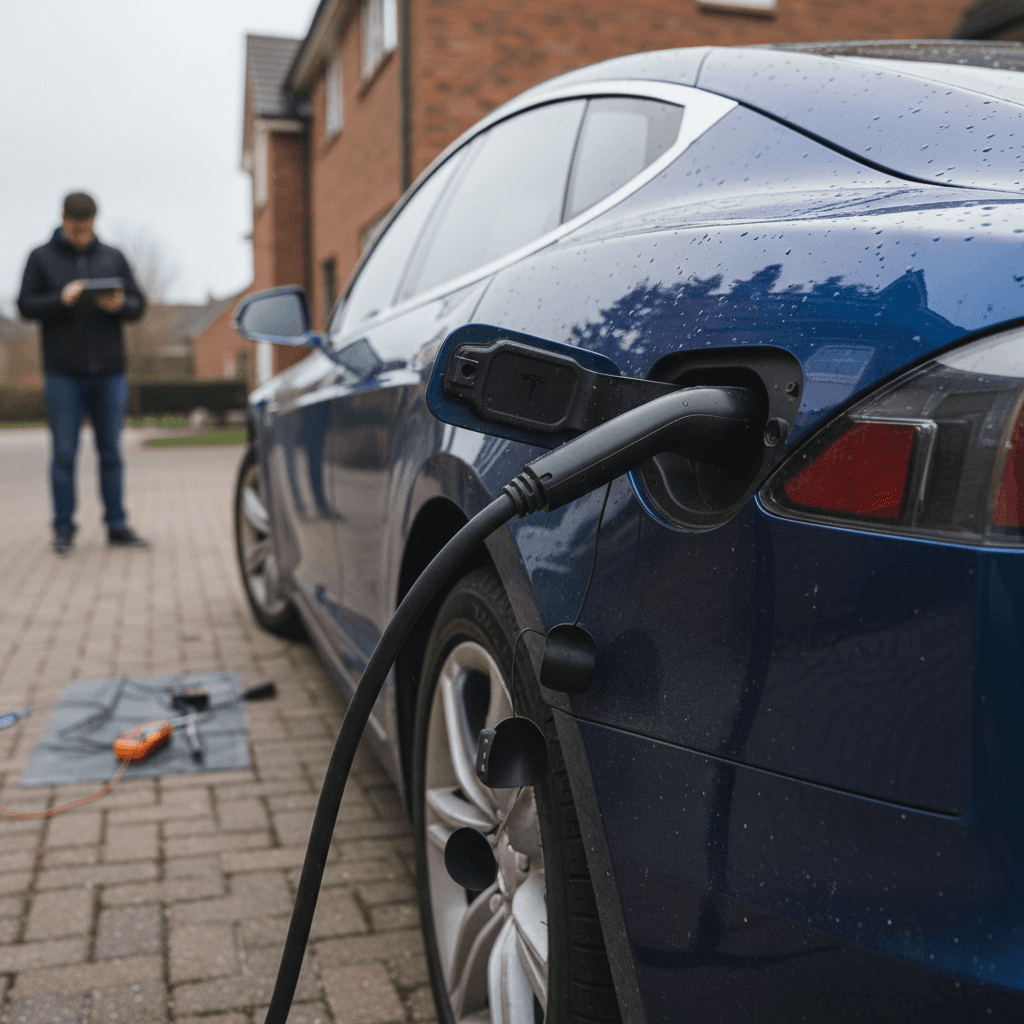
Home charging is the modern equivalent of those early downtown charging depots, but with far more convenience. If you have a driveway or garage, installing Level 2 charging usually transforms the ownership experience.
3. Do I need DC fast charging?
If you plan regular road trips, make DC fast charging non‑negotiable. If you mainly drive locally and have home charging, you might rarely visit a fast charger, similar to early EV owners who used their cars mostly within the city.
4. How old is the battery, and how healthy is it?
Battery chemistry has improved dramatically since the 1990s, but age, mileage, and fast‑charging habits still matter. A <strong>Recharged Score battery health check</strong> tells you how much real‑world range to expect before you buy.
5. What’s my total cost of ownership?
Remember that EVs trade fuel and maintenance costs for upfront price. Compare monthly payment + electricity + maintenance against what you’re paying now for gas, oil changes, and repairs.
6. How will this car fit my life 5–7 years from now?
Early EV buyers often outgrew their cars as their needs changed. Consider future commutes, possible moves, family changes, and whether you’ll need more cargo space or range down the line.
7. Is the charging network strong where I live and travel?
Map out your regular routes, commute, family visits, favorite weekend spots, and check charger coverage. Think like an early‑1900s driver looking for charging depots, but with far better tools in your pocket.
8. Who can help me compare options objectively?
Dealerships are still learning EVs. Working with an EV‑focused retailer like <strong>Recharged</strong> means you get experts who do this all day: battery diagnostics, fair market pricing, trade‑ins, financing, and even nationwide delivery.
First electric car: Frequently asked questions
First electric car & first‑time EV buyer FAQ
Bottom line: The first electric car is older than you think
The first electric car wasn’t a Silicon Valley prototype or even a 1990s compliance car, it was a series of 19th‑century experiments that turned into real, usable vehicles decades before gasoline took over. Those early EVs struggled with range, charging access, and cost, just like today’s models do, but they also proved something fundamental: electric drivetrains are smooth, durable, and surprisingly practical for everyday use.
If you’re thinking about buying your first electric car today, you’re not on the bleeding edge of an untested idea. You’re participating in the second great wave of a technology that’s been battling for road space for more than 140 years. The difference this time is that we have far better batteries, a rapidly expanding charging network, and tools like the Recharged Score to make battery health and pricing transparent.