If you’re cross‑shopping city EVs, the Fiat 500e maintenance schedule looks almost comically simple next to a gas hatchback. No oil, no spark plugs, no timing belt, just a handful of inspections and a few fluids on a calendar. Yet between the original California‑compliance 500e (2013–2019) and the new 2024+ model, owners get wildly different advice from dealers, forums, and dusty PDFs.
Two generations, similar maintenance story
Fiat 500e maintenance overview
Let’s set expectations first. Compared with a gasoline Fiat 500, the 500e has far fewer moving parts to maintain. No engine oil changes, no exhaust system, no multi‑gear transmission, no timing chains. The core of your maintenance life will be:
- An annual service visit (or every 9,000–10,000 miles, whichever comes first).
- Regular brake, tire, and steering/suspension inspections.
- Occasional fluid changes: brake fluid and battery/drive‑unit coolant at long intervals.
- Cabin air filter replacements to keep HVAC and defogging effective.
- Software updates and recalls, usually handled during regular service.
EV driving style = different wear pattern
Official Fiat 500e service intervals
Fiat doesn’t publish a flashy marketing chart for the 500e the way some brands do, but you can triangulate the real schedule from owner’s manuals and regional guidance. In Europe, Fiat recommends servicing the 500e every 9,000 miles (15,000 km) or 12 months, whichever comes first, pretty typical for a compact EV and in line with what U.S. dealers follow for the 2024+ car.
Core Fiat 500e service intervals (typical)
Here’s how that shakes out in practice for most owners of either generation:
Typical Fiat 500e service intervals
Always verify the details in your specific model year owner’s manual, but this is the general pattern owners will see at Fiat dealers.
| Mileage / Time | What usually happens | Notes |
|---|---|---|
| Every 9,000–10,000 mi OR 12 months | Multi‑point inspection, tire rotation, cabin filter check/replacement | Basic EV “annual service”; no engine oil to change. |
| 18,000–20,000 mi / 2 years | Repeat inspection, rotate tires, inspect brakes and suspension | Brake wear is usually low thanks to regeneration. |
| 30,000–36,000 mi / 3–4 years | Deeper systems check, brake fluid change often recommended | Good time to do alignment if you drive rough roads. |
| 5 years+ / high mileage | Battery/drive‑unit coolant change if specified, detailed underbody inspection | Some manuals specify 10‑year coolant; follow your VIN‑specific book. |
| Any time | Software updates, recalls, tire repairs, wiper blades, 12V battery | Usually handled opportunistically during scheduled service. |
Timeline summarizing when most Fiat 500e services occur under normal driving.
U.S. vs. Europe service sheets
Simple checks between services
The nicest thing about a 500e daily driver is that you can do almost nothing between services and it will probably be fine. The smartest thing to do is a 5‑minute check once a month so minor issues don’t turn into big invoices.
Monthly Fiat 500e quick‑check routine
1. Walk around the car
Look for uneven tire wear, sidewall bubbles, curb rash that might indicate alignment or suspension issues, and any fluids on the pavement where you normally park.
2. Check tire pressures
Because the 500e is light and short‑wheelbase, a few PSI off can make it feel nervous on the highway. Use the pressures on the door jamb, don’t guess.
3. Test all lights
Headlights, brake lights, turn signals, and reverse lights are quick to test and keep you legal and visible. Fixing a bulb is cheap; a ticket isn’t.
4. Top up washer fluid
Electric cars are quiet and often driven in traffic; clear glass matters. Top up washer fluid and quickly inspect wiper blades for streaking.
5. Listen on a short drive
On your next drive with the radio off, listen for clunks over bumps or a whine that changes with speed. The 500e is quiet enough that odd noises stand out.
Fluids on a Fiat 500e: what still needs changing
“It’s electric, so there are no fluids,” said no Fiat engineer ever. Your 500e still relies on several traditional fluids, just on a much friendlier schedule than a gas car.
Key fluids in your Fiat 500e
They don’t need frequent attention, but they’re not immortal either.
Brake fluid
Even if you rarely touch the pedal thanks to strong regeneration, brake fluid still absorbs moisture over time.
Plan on a flush every 3–4 years unless your manual specifies otherwise.
Battery & drive‑unit coolant
The high‑voltage battery and power electronics are liquid‑cooled. Many manuals specify long intervals (often 10 years or high mileage).
Don’t shortcut here, coolant health equals battery longevity.
Washer fluid & odds and ends
Plain washer fluid, plus occasional lubrication of door hinges, locks, and latches.
These are cheap DIY tasks; do them when seasons change.
Don’t improvise on coolant
Brakes, tires, and suspension wear
This is where reality intrudes on the EV‑maintenance fairy tale. Yes, your 500e’s friction brakes last a long time, but its compact‑car hardware still takes a beating from potholes and aggressive urban driving.
Brakes: used less, checked often
The 500e leans heavily on regenerative braking, especially in its higher‑regen drive modes. That means pads and rotors often last well past 50,000 miles if you’re gentle.
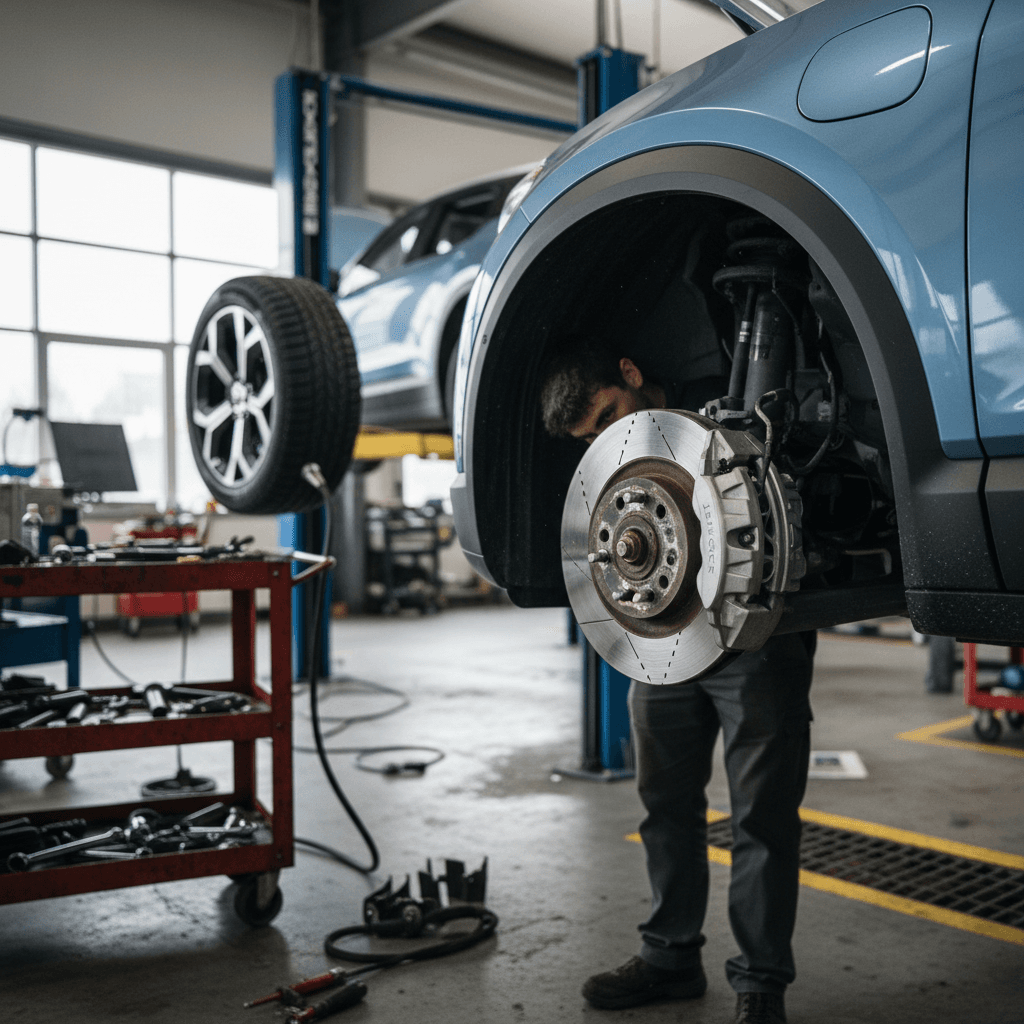
But slow use can create its own issues: pads glazing, rotors rusting on the unused surface, caliper slide pins sticking. That’s why the annual service always includes a wheels‑off brake inspection, even if the pads look thick.
Tires & alignment: city car realities
Small wheelbase + instant torque = tires that work hard. Expect to:
- Rotate tires every 9,000–10,000 miles.
- Check alignment after big pothole impacts or curb hits.
- Replace tires around 25,000–35,000 miles on typical urban use.
Uneven wear on the front tires is often the first clue your 500e needs an alignment rather than a new suspension part.
Good news on suspension
High‑voltage battery, coolant, and warranty
Whether you’re eyeing an early used 500e or a new 2024+ car, the single most expensive component is the high‑voltage battery pack. The good news: Fiat, like other automakers, backs it with a long warranty, and real‑world packs have generally held up well when owners follow basic charging hygiene.
- Many Fiat 500e models carry an 8‑year / 100,000‑mile high‑voltage battery warranty against defects and excessive capacity loss (check your VIN and country for specifics).
- Battery and power electronics are cooled with a dedicated coolant loop that must be serviced with the correct fluid and procedure.
- Daily DC fast charging is possible but harder on any pack; if you mostly charge at Level 2, you’re already being kind to the battery.
Easy habits that help 500e battery life
Maintenance costs and tips for used 500e buyers
From a maintenance perspective, the 500e is one of the least intimidating used EVs you can buy, especially if you’re coming out of a turbocharged European hatchback with a taste for premium fuel and timing chains. Its weak spots are manageable and, importantly, predictable.
Where Fiat 500e maintenance dollars actually go
Spoiler: it’s mostly tires, brakes, and routine inspections.
Routine annual service
Expect a basic EV inspection/tire rotation visit to run similar to a small‑car service at a mainstream brand. Costs vary by region, but you’re mostly paying for labor time and shop overhead, not exotic parts.
Wear & tear items
Tires, wiper blades, cabin filters, and the 12‑volt auxiliary battery are the main consumables. Brake pads and rotors come later in life than you’d expect for a city car.
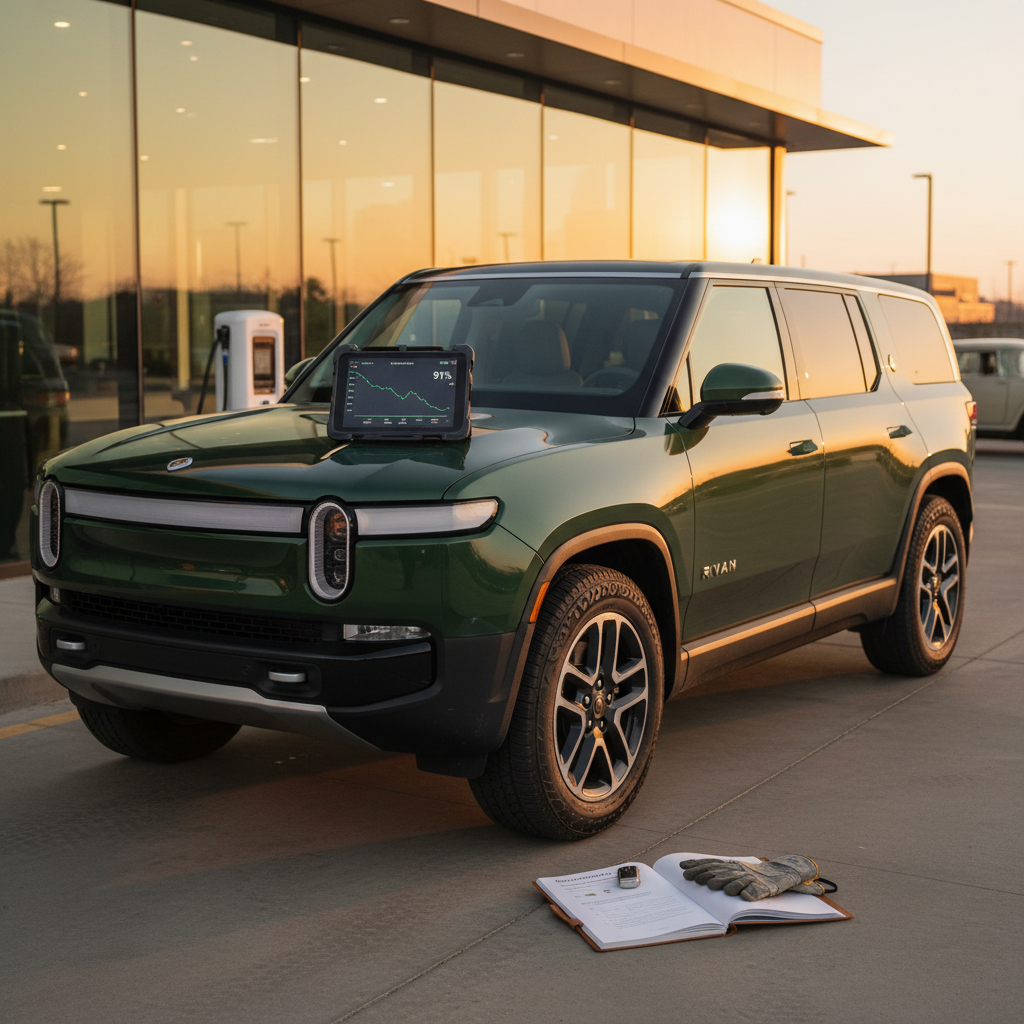
Buying used? Get objective battery data
Fiat 500e maintenance checklist by mileage
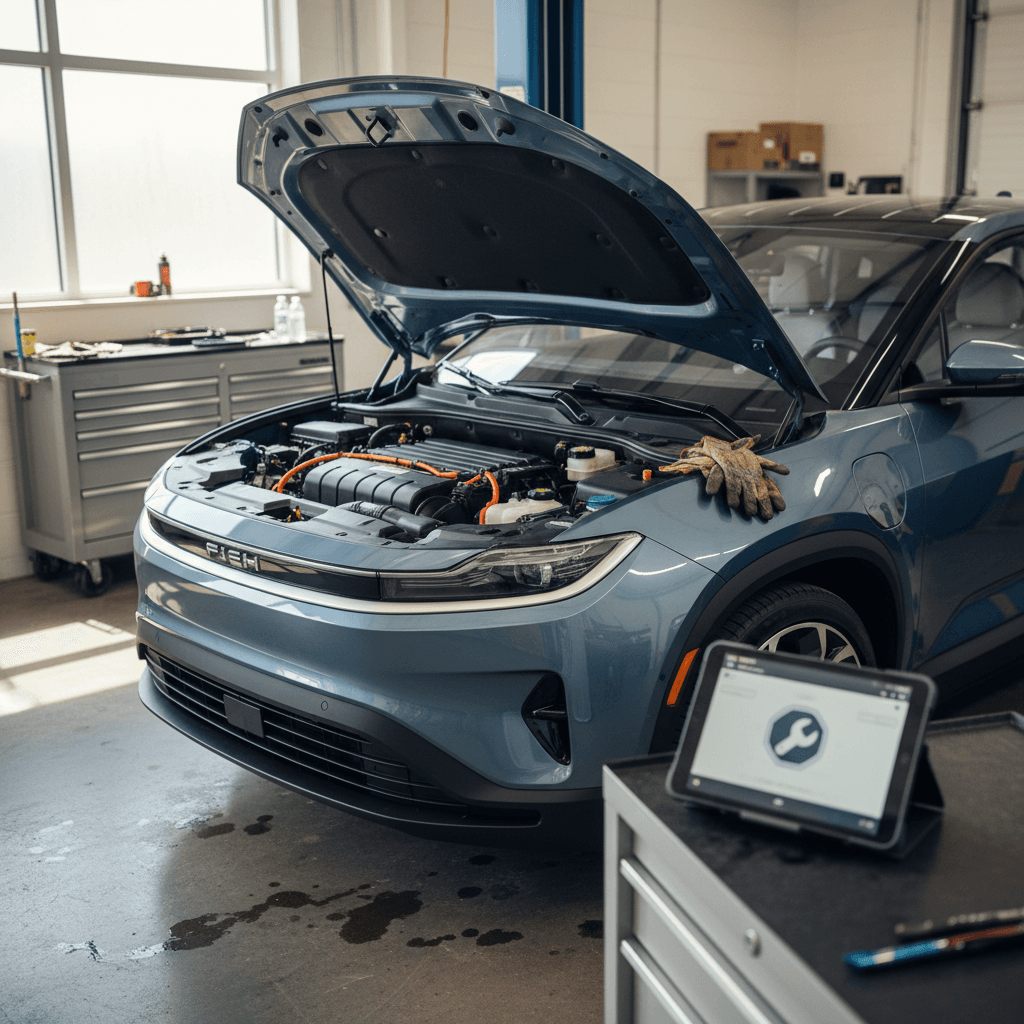
To make all of this practical, here’s a consolidated Fiat 500e maintenance schedule you can adapt to your specific model year. Treat this as a guide and layer on whatever your owner’s manual adds for your VIN and driving conditions.
Practical Fiat 500e maintenance schedule
Every 6–12 months (or 9,000–10,000 miles)
Book a service visit for a multi‑point inspection, tire rotation, brake check, suspension/steering check, and any software updates. Replace the cabin air filter if it’s been more than 2 years or if airflow is weak.
Every 2 years
Repeat the annual service items and ask your shop to measure brake fluid condition and inspect the high‑voltage coolant loops for leaks or contamination. Replace wiper blades and do an alignment if the car feels nervous or pulls.
Every 3–4 years
Plan on a <strong>brake fluid flush</strong>, even if the car is low‑mileage, plus the standard inspection and tire rotation. Many 500e owners also replace the 12‑volt battery around this time to prevent random warning lights and no‑start issues.
Around 30,000–40,000 miles
Expect your first set of replacement tires and a more thorough suspension inspection. If your manual calls for any coolant‑system checks or changes earlier, this is often the mileage band where they land.
Long‑term (8+ years or high mileage)
Follow the manual for high‑voltage coolant replacement intervals and any drive‑unit fluid changes. At this age, a comprehensive EV health check, including battery capacity testing, is smart if you’re planning to keep the car for the long haul or sell it privately.
Always reconcile with your owner’s manual
Fiat 500e maintenance FAQ
Frequently asked questions about Fiat 500e maintenance
Bottom line: should Fiat 500e maintenance scare you?
The Fiat 500e is the opposite of a high‑maintenance Italian stereotype. Its schedule is straightforward: an annual inspection and tire rotation, brake fluid every few years, and infrequent coolant service for the high‑voltage side. Keep an eye on tires and alignment, treat the battery kindly, and you’re unlikely to see any ugly surprises.
If you’re shopping for a used 500e, maintenance history still matters, but verified battery health matters more. That’s exactly why Recharged exists: to give you transparent battery diagnostics, fair market pricing, EV‑savvy support, and nationwide delivery in one place. With the right car and a realistic maintenance plan, the 500e can be exactly what it looks like from the sidewalk: a charming, low‑drama city EV that just quietly gets on with the job.