If you still associate electric vehicles with golf carts, the fastest EVs of 2025 will cure that in one launch. We now have a Chinese electric hypercar touching 308 mph, family sedans running the quarter mile in the 9s, and three-row SUVs that out‑drag Ferraris. In this guide, we’ll break down the fastest EVs by top speed, 0–60 mph, and real‑world usability, and help you understand which of these numbers actually matter if you’re considering a new or used performance EV.
Two kinds of “fastest”
Why “fastest EVs” actually matter
On paper, a 300+ mph electric hypercar has almost nothing in common with a used Tesla Model 3 Performance. But they’re linked by one thing: instant, controllable torque. EVs can deliver peak torque from zero rpm and precisely meter power to each wheel. That’s why we now see: - Hypercars like the Yangwang U9 Xtreme dethroning Bugatti for top speed - Sedans like the Lucid Air Sapphire & Tesla Model S Plaid running 0–60 in under 2 seconds - Heavy trucks and SUVs from Rivian and Tesla outrunning supercars from a stoplight For you as a shopper, this isn’t just trivia. It tells you how the EV you’re looking at will feel to drive, how it will behave in bad weather, and what kind of range trade‑offs you’re making when you select the sportiest drive mode.
How we’re defining the fastest EVs
Three lenses on “fastest EVs”
Top speed sells headlines; 0–60 sells cars; real‑world speed sells satisfaction.
Top speed kings
These are the EVs with the highest verified top speed, usually recorded on high‑speed test tracks with long straights.
Think 280–300+ mph hypercars you’re more likely to see on YouTube than in traffic.
0–60 & 1/4‑mile heroes
These are the quickest EVs in short bursts: launches, highway on‑ramps, and drag strips.
Numbers like 0–60 mph, 0–100 mph, and quarter‑mile times live here.
Real‑world fast
These EVs blend supercar‑level thrust with practicality, comfort, and decent range.
They’re the ones you can reasonably daily drive, or buy used on a site like Recharged.
Spec sheet vs. reality
Top-speed record holders: hyper EVs rewriting physics
Fastest EV top-speed milestones
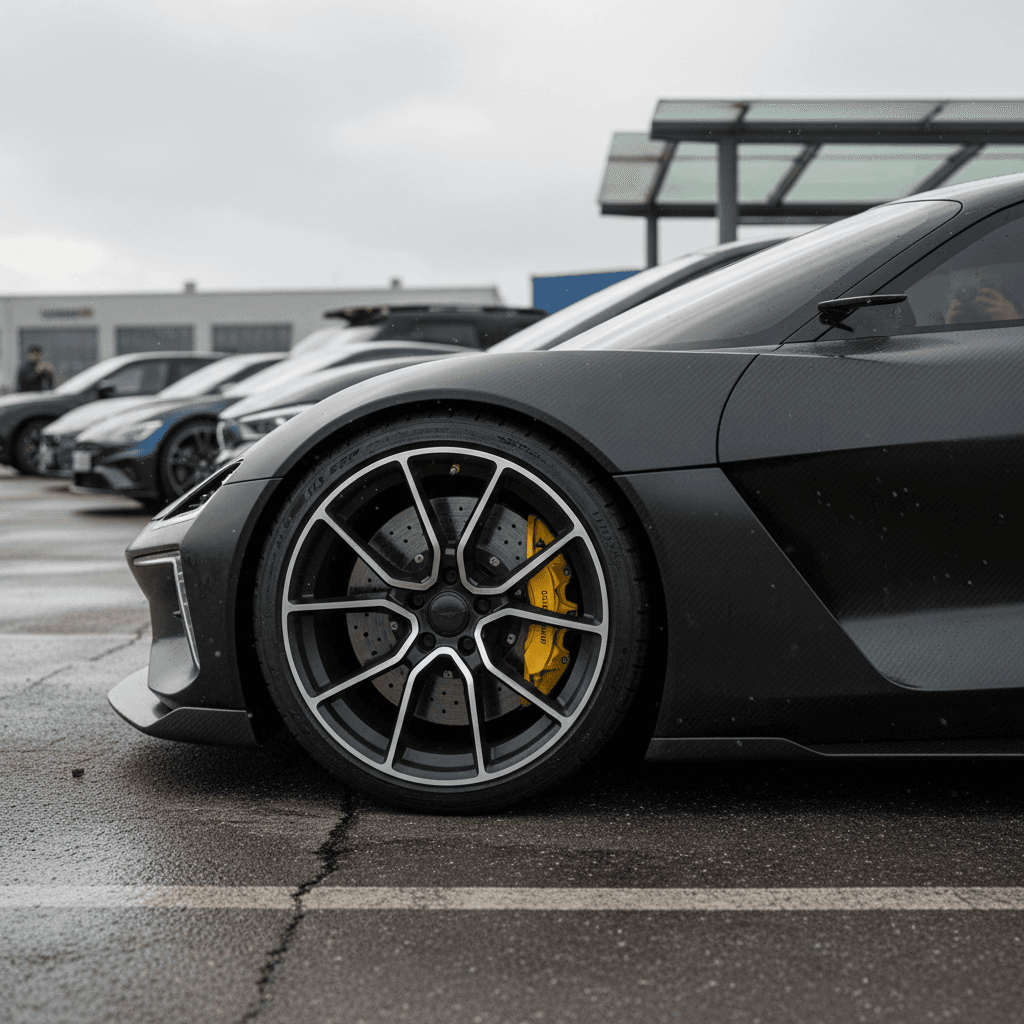
At the very top of the food chain, EVs are no longer just catching internal‑combustion hypercars, they’re overtaking them. In September 2025, BYD’s luxury sub‑brand Yangwang sent its U9 Xtreme to Germany’s ATP Automotive Testing Papenburg oval and clocked a staggering 496.22 km/h (308.4 mph), edging out the Bugatti Chiron Super Sport 300+ for the fastest production car title. Only about 30 examples are planned, but the message is clear: the world’s speed crown now sits on an EV.
Earlier in 2025, BYD had already claimed, and then re‑claimed, the electric top‑speed record with its Yangwang U9 Track Edition at roughly 293.5 mph. Before that, the benchmark was Croatia’s Rimac Nevera, a four‑motor hyper‑EV capable of well over 250 mph in its most extreme configuration. These cars exploit multi‑motor torque vectoring, ultra‑high‑voltage battery systems (up to ~1200 V), and slippery aerodynamics that would be unthinkable on a mass‑market SUV.
Why this doesn’t matter for your commute
Quickest EVs: 0–60 mph and quarter‑mile monsters
Headline 0–60 mph and quarter‑mile claims (2025)
Key performance figures for today’s quickest electric cars. Where independent tests differ from factory claims, we note that in the commentary below.
| Model | Type | 0–60 mph (claimed) | 0–60 mph (independent) | Quarter mile | Top speed |
|---|---|---|---|---|---|
| Rimac Nevera | Hypercar | ~1.85 s (rollout) | 1.74 s (with rollout) | Low 8s (various records) | 258+ mph |
| Lucid Air Sapphire | Luxury sedan | 1.89 s | 2.2 s (no rollout) | 9.2–9.3 s @ ~150+ mph | 205 mph |
| Tesla Model S Plaid | Luxury sedan | 1.99 s (with rollout) | ~2.1–2.3 s (various tests) | 9.2–9.3 s | 200+ mph (track pack) |
| Porsche Taycan Turbo GT | Sport sedan | ~2.1–2.3 s | Low‑2s (tests) | High‑9s to low‑10s | ~190+ mph |
| Hyundai Ioniq 5 N | Compact crossover | 3.2 s (overboost) | 2.8 s (MotorTrend) | 11.0 s | 162 mph |
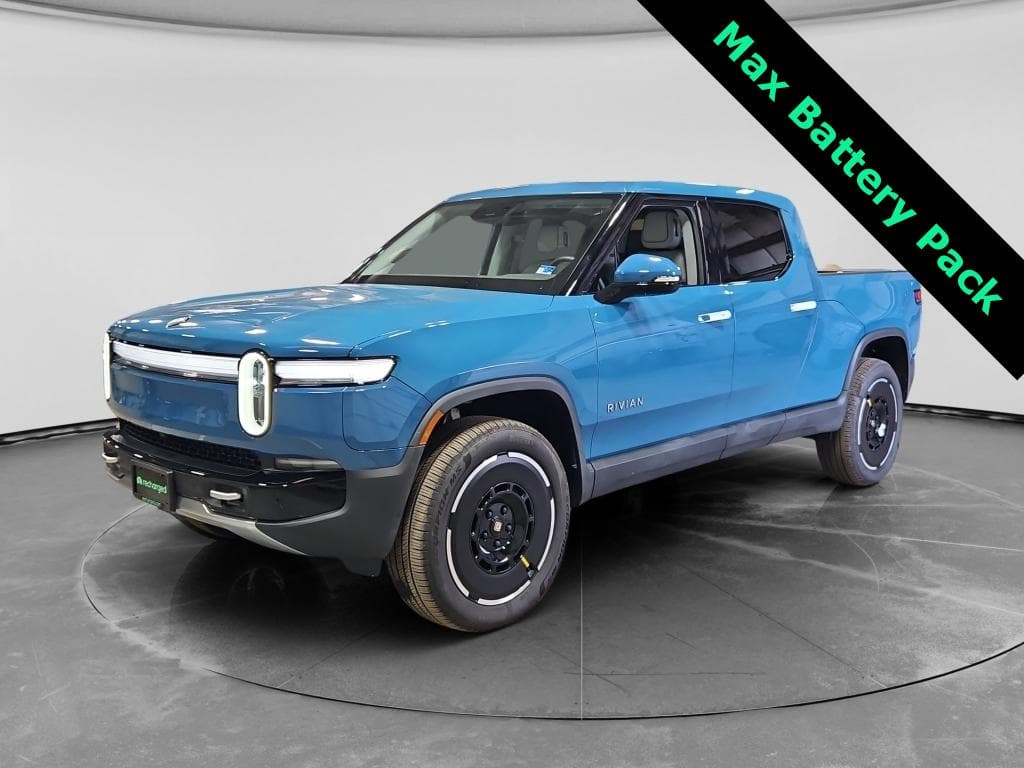
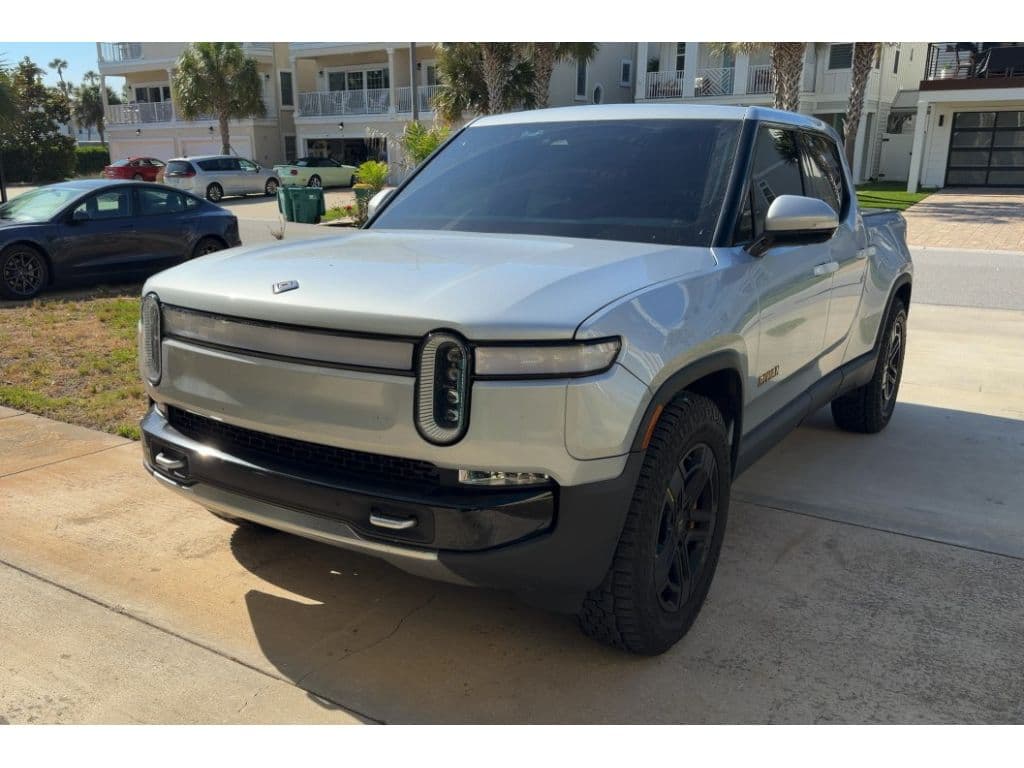
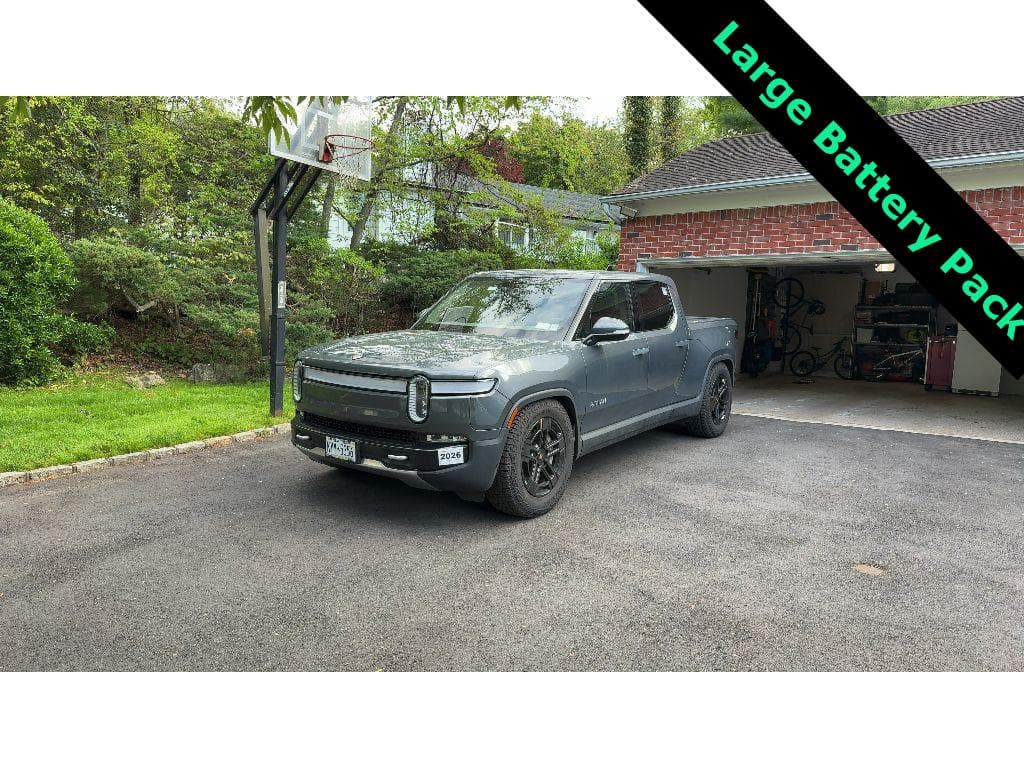
| Rivian R1T Quad Ascend | Pickup truck | 2.5 s | 2.5 s (MotorTrend) | 10.4 s | Mid‑120s mph |
| Rivian R1S Quad Max Ascend | 3‑row SUV | 2.6 s | 2.6 s (MotorTrend) | 10.5 s | Mid‑120s mph |
Approximate performance figures; numbers vary slightly by test source and conditions.
In terms of pure acceleration, the Rimac Nevera still sits near the top of the EV world. In 2023 it set an almost absurd suite of performance records in a single day, including a 0–60 mph time of 1.74 seconds with rollout on un‑prepped asphalt, along with equally unhinged 0–100 mph and quarter‑mile numbers. That’s race‑car territory, delivered in something you can theoretically register and insure.
Among cars you’re more likely to see in the U.S., the Lucid Air Sapphire and Tesla Model S Plaid are the headline acts. Lucid claims 0–60 mph in 1.89 seconds2.2 seconds to 60 mph with no rollout, and quarter‑mile passes around 9.2–9.3 seconds. Tesla’s Model S Plaid claims 1.99 seconds (with rollout and a very sticky surface) and runs the quarter mile in a similarly mind‑bending 9‑second range when properly set up.
How to read these numbers
Fastest EVs you can realistically buy and drive
Hyper‑EVs may dominate the headlines, but the story for most drivers is how much performance now lives in ordinary‑looking sedans and crossovers. Here are some of the standouts that combine brutal thrust with real‑world usability and, in many cases, growing presence on the used market.
Everyday EVs with supercar acceleration
These are the cars that turn school runs into launch control demos.
Lucid Air Sapphire
A 3‑motor, 1,234‑hp luxury sedan capable of roughly 2-second 0–60 mph sprints and 9‑second quarters, yet with a quiet, comfortable cabin and big‑battery range.
It’s expensive and rare, but it shows just how far electric sedans have come.
Tesla Model S Plaid
Arguably the catalyst for mainstream EV performance obsession. Real‑world tests put it around 2.1–2.3 seconds to 60 mph with the right tires, and ~9.2–9.3 seconds in the quarter mile.
Used examples are increasingly common, and performance actually improves slightly with some software updates.
Porsche Taycan (Turbo / Turbo GT)
The Taycan trades a touch of straight‑line insanity for world‑class chassis tuning. Even non‑GT variants are properly quick, and the latest Turbo GT versions dip well into the low‑2‑second 0–60 range.
If you care as much about feel and braking as sheer thrust, this is where you look.
Where Recharged fits in
Ready to find your next EV?
Browse VehiclesFastest EV SUVs and trucks
If you want speed and space, EVs have quietly made high‑performance SUVs and pickups the new normal. The idea that a nearly 7,000‑pound three‑row truck can out‑accelerate a Ferrari from a stop would have sounded like science fiction in the V8 era, yet here we are.
Notable fast EV SUVs and pickups (2024–2025)
Key performance EV utility vehicles that combine cargo space with serious thrust.
| Model | Class | 0–60 mph (best tests) | Quarter mile | Notable traits |
|---|---|---|---|---|
| Rivian R1T Quad Ascend | Mid‑size pickup | 2.5 s | 10.4 s | Quad‑motor power, serious off‑road capability, practical bed |
| Rivian R1S Quad Max Ascend | 3‑row SUV | 2.6 s | 10.5 s | Three rows, off‑road hardware, physics‑defying thrust |
| Tesla Cybertruck “Beast” | Full‑size pickup | ~2.5 s | ~11.0 s | Polarizing design, big power, controversial ownership stories |
| Hyundai Ioniq 5 N | Compact crossover | 2.8 s | 11.0 s | Track‑tuned hot hatch in crossover clothing |
| Cadillac Lyriq‑V | Luxury SUV | 3.3 s | Low‑12s | Quickest Cadillac to date, mixes speed with GM’s luxury play |
Figures are approximate and depend on tires, state of charge, and test methodology.
Fast family haulers on the used market
Lap records: fastest EVs on real circuits
Straight‑line numbers are easy to brag about, but they don’t tell you much about braking, heat management, or chassis tuning. For that, you look at lap times.
- Rimac Nevera has set a string of production‑EV records on circuits and acceleration tests, demonstrating that its insane power is actually usable on a track for short stints.
- Special versions of the Porsche Taycan and Tesla Model S Plaid have traded comfort for track‑ready suspensions, aero, and brakes to chase EV lap records at the Nürburgring and elsewhere.
- In 2025, the Xiaomi SU7 Ultra set a ~7:05 Nordschleife lap as a four‑door EV, underscoring how quickly mainstream Chinese brands are catching up on performance engineering.
“The interesting story isn’t just that EVs are faster in a straight line. It’s that mass‑market brands are starting to apply that performance on real circuits, and to everyday cars.”
Speed vs. range and heat: why specs don’t tell the whole story
1. Heat is the invisible limiter
EVs make it easy to generate huge power, but that power turns into heat in the battery, inverters, and motors. Most fast EVs will give you one or two full‑power launches before the car dials things back to protect itself.
That’s why track tests talk about repeatability: how many quick laps a car can run before it needs a cooldown.
2. Drive modes change everything
Max‑power modes often:
- Unlock full motor output
- Stiffen suspension and steering
- Loosen stability control
- Burn through range startlingly fast
If you daily drive in a normal mode and only hit “Track” or “Launch” occasionally, your experience will be very different from the headline spec sheet.
Beware YouTube drag runs
Shopping for a fast used EV: what actually matters
If you’re not in the market for a brand‑new Lucid or Rimac, the good news is that yesterday’s headline cars are today’s used‑market bargains. Early Model S and Model 3 Performance cars, first‑gen Taycans, and older performance crossovers can deliver outrageous acceleration for the price of a new midsize crossover, if you know what to look for.
Checklist: buying a fast EV the smart way
1. Prioritize battery health over 0–60 bragging rights
A degraded pack can blunt performance and range. Use objective battery diagnostics, like the Recharged Score Report, to understand remaining capacity and how the car was used.
2. Look for evidence of hard track use
Occasional spirited driving is fine, but repeated launch‑control runs and track days can accelerate wear on brakes, tires, and cooling systems. Records of frequent pad/rotor changes are a clue.
3. Check tire load and speed ratings
Fast EVs are heavy and powerful. Make sure the tires meet or exceed factory specs; cheap replacements can undermine both performance and safety.
4. Understand software and drive‑mode limitations
Some cars gate full performance behind software options or subscriptions. Verify which modes and features are actually unlocked on the car you’re considering.
5. Test repeatability, not just one launch
On a safe, legal road, do a few back‑to‑back pulls. If the car immediately feels slower, you’re probably running into heat limitations, or the seller is showing you the one perfect screenshot.
6. Factor in insurance and brake costs
Fast EVs can carry super‑car‑adjacent insurance premiums, and big carbon‑ceramic or performance brake setups are not cheap. Bake those costs into your total ownership budget.
Use data, not guesswork
FAQ: Fastest EVs in 2025
Frequently asked questions about the fastest EVs
Bottom line: where EV speed goes from here
We’ve reached the point where the fastest EVs aren’t just competitive with gas supercars, they’re setting new records for both top speed and acceleration. Hyper‑EVs like the Yangwang U9 Xtreme and Rimac Nevera are stretching physics at the top, while sedans like the Lucid Air Sapphire and Model S Plaid bring truly outrageous performance into something you can commute in. And quietly, performance SUVs and pickups are redefining what a “family car” can do.
For you as a buyer, the trick is separating headline numbers from real‑world value. A used performance EV with solid battery health can deliver more speed than you’ll ever need, without requiring hypercar money. That’s exactly the gap Recharged aims to bridge: giving you transparent battery data, fair pricing, financing, trade‑in options, and expert EV support so you can enjoy outrageous performance with eyes wide open. The physics are wild, but the shopping process doesn’t have to be.