If you hate wasting time at a charging station, you’re exactly who today’s fastest charging electric cars are built for. The latest 2026 EVs can add hundreds of miles of range in well under half an hour, some in less than 20 minutes from 10–80%, as long as you know what to look for and how to use the right chargers.
Fast vs "fast enough"
Why fast charging matters more than ever in 2026
Back in the early EV days, the main question was simply, “Can I get where I’m going?” In 2026, range has grown, but the new battleground is how quickly you can recover that range. Faster charging changes how you plan road trips, whether an EV works in an apartment lifestyle, and even which used models hold their value the best.
- Road trips: A car that can consistently do 10–80% in ~18–24 minutes turns a long day of driving into two coffee stops, not three long lunches.
- Daily life without home charging: Fast charging makes EV ownership workable for apartment and condo drivers who rely on public stations.
- Resale value: Shoppers are learning to ask about DC fast‑charging performance, not just battery size and EPA range. The quickest‑charging nameplates are already becoming used‑market favorites.
Think in hours saved, not just minutes
How to read DC fast‑charging specs without being fooled
Carmakers love to brag about a big peak charging number, “up to 350 kW!”, but that doesn’t tell you how fast the car really is. To understand the fastest charging electric cars of 2026, you need to look a layer deeper.
Four numbers that actually matter
Use these to compare EV fast‑charging performance like a pro
10–80% or 10–90% time
This is the best single shorthand for fast‑charging performance. Most brands now quote a 10–80% or 10–90% DC fast‑charge time under ideal conditions. Sub‑20‑minute claims indicate a seriously fast setup.
Max DC power (kW)
Peak power tells you how high the curve can go, not how long it stays there. A 320 kW peak is impressive, but a car that holds 230–250 kW for most of the session can be just as quick overall.
Battery size (kWh)
Filling a 112 kWh pack from 10–80% simply takes more energy than topping up a 77 kWh pack. That’s why you have to read time claims alongside battery capacity.
Voltage & architecture
Most of today’s fastest chargers ride on 800‑volt systems (Hyundai/Kia/Genesis, Porsche, Audi, Lucid). They can pull very high power efficiently, but they need appropriately powerful stations (typically 250–350 kW) to shine.
Watch the fine print
Top 10 fastest charging electric cars for 2026
Below is a snapshot of some of the quickest‑charging EVs you’ll encounter in 2026, using manufacturer and independent test data focused on the common 10–80% DC fast‑charging window. Exact times vary by trim and conditions, but this gives you a realistic pecking order.
Fastest charging electric cars (2026) at a glance
Approximate DC fast‑charging performance for leading 2026 EVs, focusing on 10–80% or 10–90% times under ideal conditions.
| Rank | Model (2026 or current) | Approx. 10–80% DC time | Max DC power | Battery size (kWh, approx.) | Platform / notes |
|---|---|---|---|---|---|
| 1 | Lotus Eletre | ~14 min (10–80%) | Up to 350 kW | ~112 | Ultra‑fast SUV; needs 350 kW hardware to hit claimed times |
| 2 | Porsche Taycan (2025/2026) | ~18 min (10–80%) | Up to ~320 kW | 89–105 | Updated Taycan family is a benchmark for sustained high‑power charging |
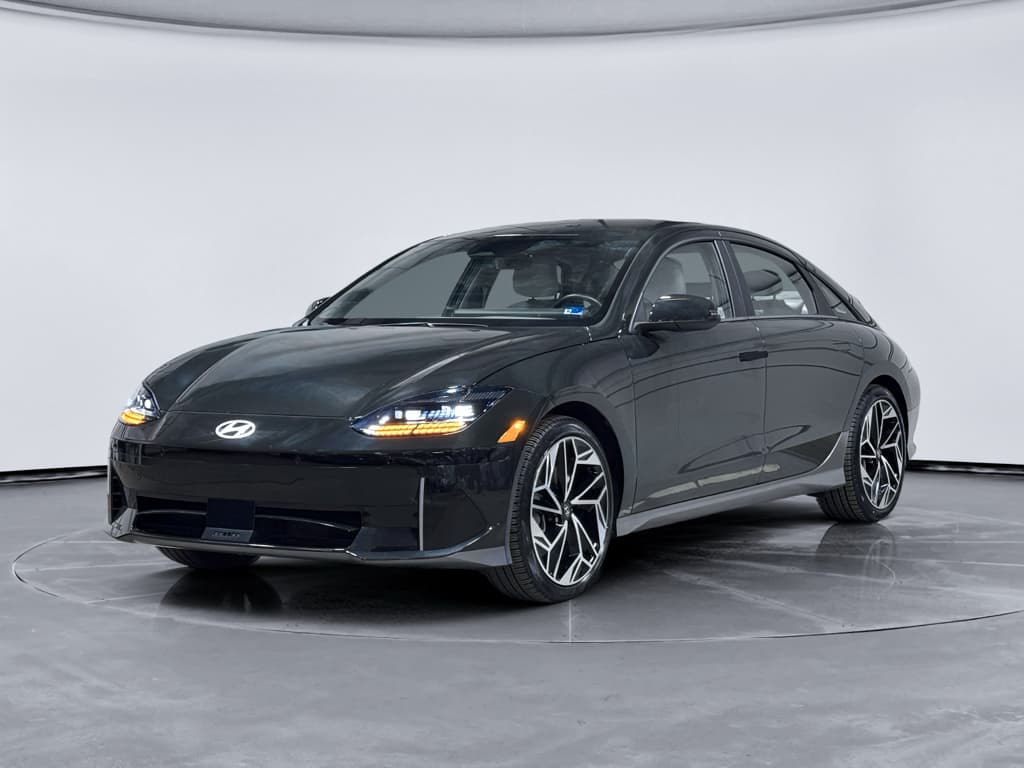
| 3 | Hyundai Ioniq 6 | ~18 min (10–80%) | Up to ~235–350 kW | 63–77.4 | 800V E‑GMP platform; one of the most efficient fast‑charging sedans |
| 4 | Hyundai Ioniq 5 | ~18 min (10–80%) | Up to ~235 kW | 77.4 | Compact SUV with Ioniq 6‑like charging curve |
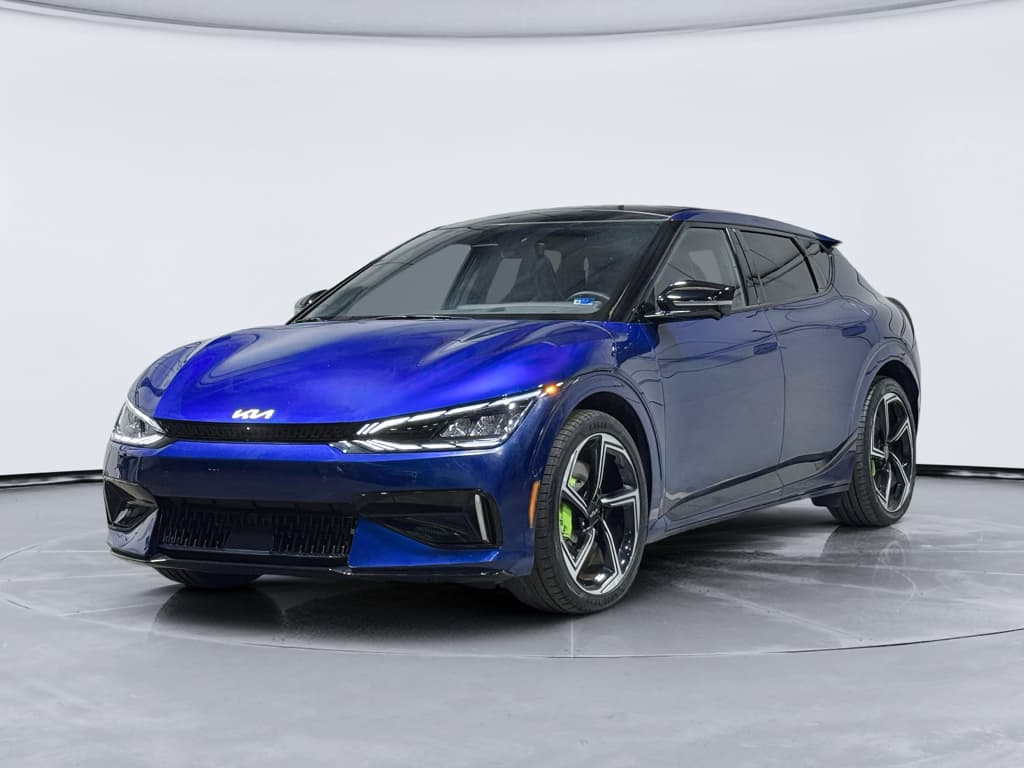
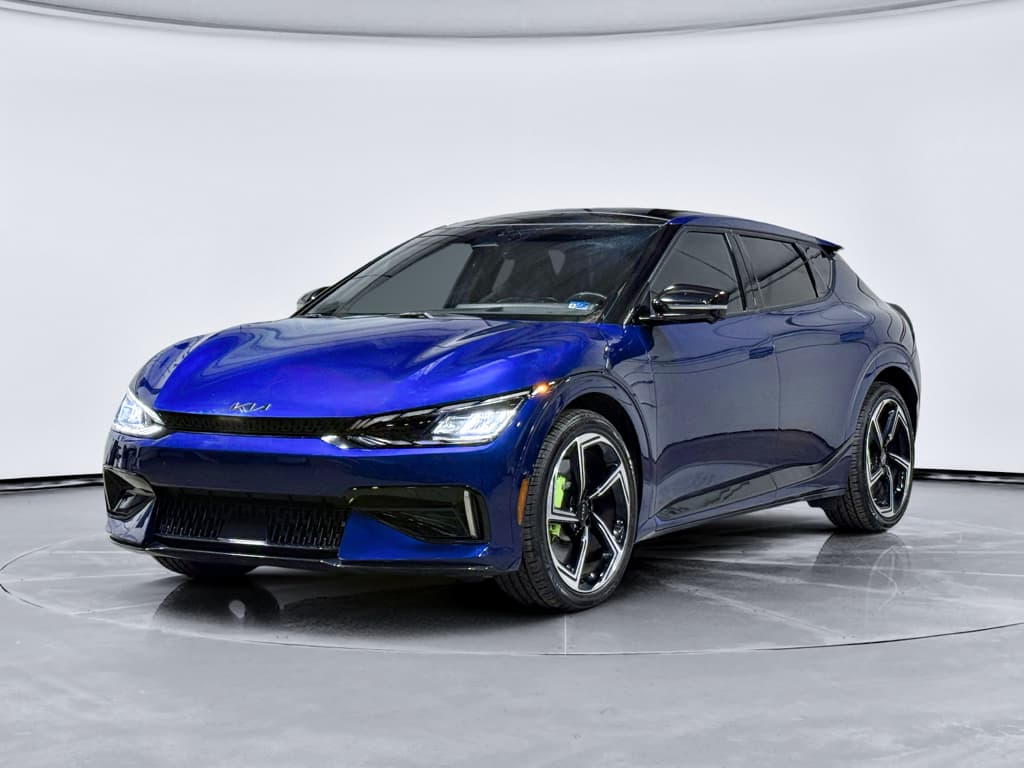
| 5 | Kia EV6 | ~18 min (10–80%) | Up to ~235 kW | 77.4 | Sporty cousin to Ioniq 5; consistently quick on 250–350 kW chargers |
| 6 | Lucid Air | ~20–22 min (10–80%) | Up to ~300 kW | 92–118 | Massive range and very high peak power on the right DC hardware |
| 7 | Kia EV9 | ~24 min (10–80%) | Up to ~210–350 kW | ~99.8 | Three‑row SUV that still beats many smaller rivals for charging speed |
| 8 | Audi Q6 e‑tron / e‑tron GT | ~20–22 min (10–80%) | Up to 270–320 kW | ~83–100 | Shares advanced 800V tech with Porsche; strong charging performance |
| 9 | Porsche Macan Electric | ~21 min (10–80%) | Up to ~270 kW | ~100 | Sporty SUV built on the Taycan playbook |
| 10 | Tesla Model 3 / Model Y (latest) | ~25–30 min (10–80%) | Up to 250 kW | ~60–80 | Very good real‑world performance thanks to dense Supercharger network |
These times are manufacturer claims or reputable independent test results, rounded to keep the comparison simple.
Why isn’t my favorite EV on this list?
Model spotlights: what makes these EVs so quick to charge?
Hyundai Ioniq 6 & E‑GMP cousins
The Hyundai Ioniq 6, Ioniq 5, Kia EV6, and Genesis GV60 all ride on the group’s E‑GMP 800V platform. That high system voltage lets them pull serious power, around 230 kW in independent tests, on 250–350 kW stations.
- Typical claim: 10–80% in about 18 minutes on a 350 kW charger.
- Real‑world: 18–25 minutes is common if the battery is warm and the station is healthy.
- Bonus: They’re also energy‑efficient, so every kWh you add goes a bit farther.
Porsche Taycan & Audi’s 800V family
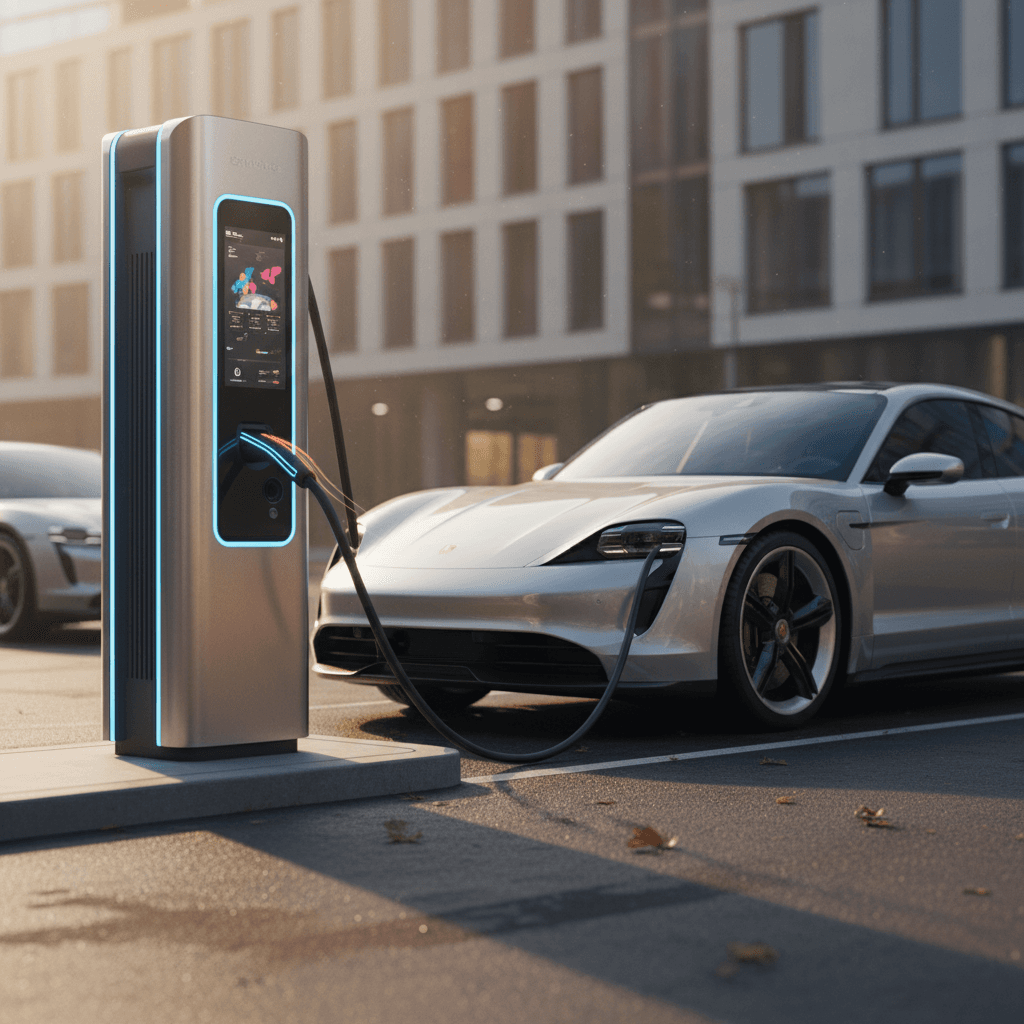
The refreshed Porsche Taycan and closely related Audi e‑tron GT and Q6 e‑tron take a more aggressive approach. Their charging curves climb quickly, hold very high power for longer, and taper late in the session.
- Peak power over 300 kW is possible on the right hardware.
- Independent testing has confirmed 10–90% in the mid‑20‑minute range for some Taycan variants.
- The tradeoff is cost, these are premium‑priced cars, even on the used market.
Lucid plays in the same league, with the Air’s enormous pack and efficient drivetrain delivering big range and very high peak charging rates. Kia’s EV9 proves that even a three‑row family hauler can join the fast‑charging conversation when it rides on the right architecture.
Lab numbers vs real life: what you’ll actually see at a charger
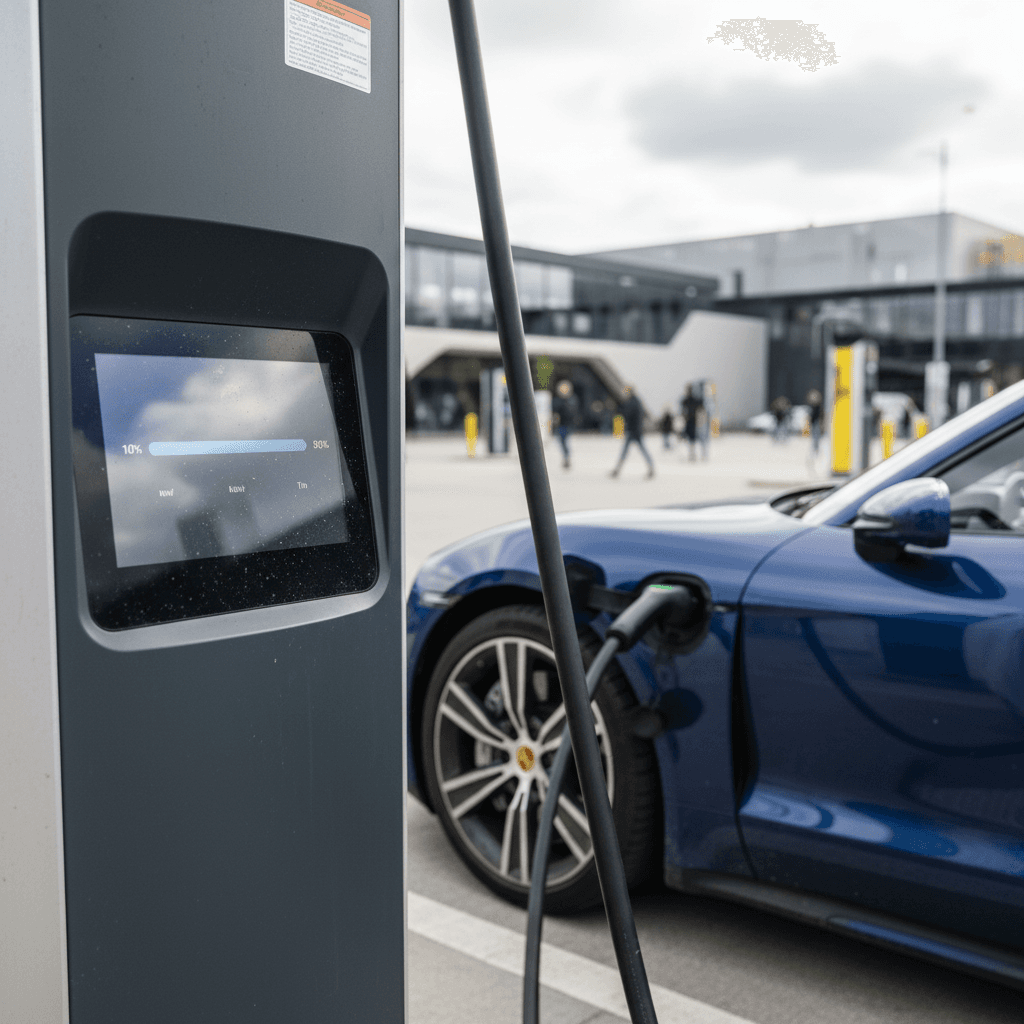
If you’ve ever stared at a charger screen that promised big kW but delivered a trickle, you know the frustration. The truth is that the car is only half the equation. The station, the weather, and your own habits can easily slow even the fastest charging electric car.
Three things that slow even the fastest chargers
How to get the quickest possible fast charge
- Use your car’s built‑in route planner when possible; many EVs automatically warm the battery on the way to a DC fast charger.
- Favor newer, high‑power sites (250–350 kW) from major networks on busy corridors when your car can take advantage of them.
- If a charger is delivering far below what your car should accept and other stalls are open, don’t be shy about moving to a different plug.
Does frequent fast charging hurt battery health?
Fast charging generates more heat than slower Level 2 charging at home or work, and heat is what lithium‑ion batteries dislike. But today’s packs and software are far better protected than first‑generation EVs. Thermal management systems carefully control temperature, and charge curves are tuned to balance speed with longevity.
What modern EVs do to protect themselves
- Active liquid cooling keeps cells in a safe temperature window.
- Software reduces power as the battery gets fuller or hotter.
- Some models limit repeated back‑to‑back fast charges to protect the pack.
What you can do as an owner
- Use DC fast charging when you need it, road trips, long days, but rely on Level 2 for daily use when possible.
- Avoid “topping off” from 80–100% on DC fast chargers; that’s where heat and taper are highest.
- In very hot or very cold weather, give the car a few minutes of gentle driving before and after a big fast‑charge session.
Don’t panic about occasional fast charging
Shopping used: how to pick a genuinely fast‑charging EV
The great news for 2026 shoppers is that many of the fastest charging electric cars are already showing up on the used market. That includes early Porsche Taycans, first‑generation Hyundai Ioniq 5 and 6 models, Kia EV6s, Lucid Airs, and plenty of Teslas. The trick is to separate the marketing claims from how a specific used car will actually behave.
Used EV fast‑charging checklist
1. Start with the right platform
If ultra‑fast charging is a priority, focus your search on models known for strong DC performance: Hyundai Ioniq 5/6, Kia EV6/EV9, Genesis GV60, Porsche Taycan, Audi e‑tron GT/Q6, Lucid Air, and late‑model Teslas.
2. Verify charging hardware capability
Check that the car supports at least 150 kW DC fast charging, and ideally 230 kW or more if you want best‑in‑class performance. On some models, the highest charging spec is tied to specific battery or trim options.
3. Look for documented charge history
Service records or owner logs that mention repeated DC fast‑charging “faults” or unusual tapering can be a red flag. On a test drive, stop by a high‑power DC station and watch how quickly the car climbs toward its rated kW.
4. Pay attention to adapter and plug types
In North America, the shift to NACS (Tesla’s connector) is in full swing. Make sure you know whether you’ll be relying on adapters for fast charging and whether those adapters limit peak power on your specific model.
5. Get an objective battery‑health check
Fast charging performance falls off if the pack is seriously degraded. A professional battery‑health report is one of the best ways to confirm that the car can still charge and discharge as intended.
6. Think about your real use case
A cross‑country road‑tripper needs the fastest options available. If you mostly drive locally and only take one big trip a year, a “merely quick” 25–30‑minute car may be plenty, and much cheaper to buy.
Where Recharged fits in
How Recharged helps you find a fast‑charging used EV with confidence
Fast‑charging specs on a window sticker are one thing. Knowing that a particular 3‑ or 5‑year‑old EV still delivers those numbers is another. That’s where a used‑EV specialist can save you a lot of worry and wasted time.
Shopping for a fast‑charging EV with Recharged
Designed around the questions EV shoppers actually have
Battery‑health first
Recharged’s diagnostics go beyond an odometer reading. The Recharged Score looks at usable capacity, pack balance, and other factors that influence how quickly and consistently a car can fast charge.
EV‑specialist guidance
Not sure whether you really need Taycan‑level charging or if an Ioniq 5 is enough? Recharged’s EV specialists can walk you through your routes, charging options, and budget to match you with the right platform.
Nationwide, digital‑first
Browse used EVs online, get trade‑in and financing options, and have the right car delivered to your driveway, backed by transparent battery and charging data instead of guesswork.
Ready to find your next EV?
Browse VehiclesIf you’re near Richmond, VA, you can also visit the Recharged Experience Center to see vehicles in person, talk through your charging setup, and get hands‑on with connectors, adapters, and real‑world road‑trip planning.
Fastest charging electric cars 2026: FAQ
Your questions about ultra‑fast charging, answered
Bottom line: who should prioritize the fastest charging EVs?
If your life is built around long‑distance driving, regular interstate road trips, visiting far‑flung family, or work that keeps you chasing the horizon, put DC fast‑charging speed at the top of your shopping list. EVs like the Hyundai Ioniq 6, Porsche Taycan, Kia EV6/EV9, and Lucid Air can turn a 500‑mile day into a couple of relaxed coffee stops instead of a series of extended waits.
On the other hand, if most of your driving happens within a 50‑mile radius and you can plug in at home, you might be perfectly happy with a merely "quick" 25–30‑minute car and spend your budget on comfort, safety tech, or extra range instead. The key is matching the numbers on the spec sheet to the way you actually live.
When you’re ready to dig into real cars, not just charts, Recharged can help you compare used fast‑charging EVs side‑by‑side, understand their battery health, line up financing, trade in your current vehicle, and have the right car delivered to your driveway. Fast charging is only truly fast when it fits your life; the right partner makes that decision a lot easier.