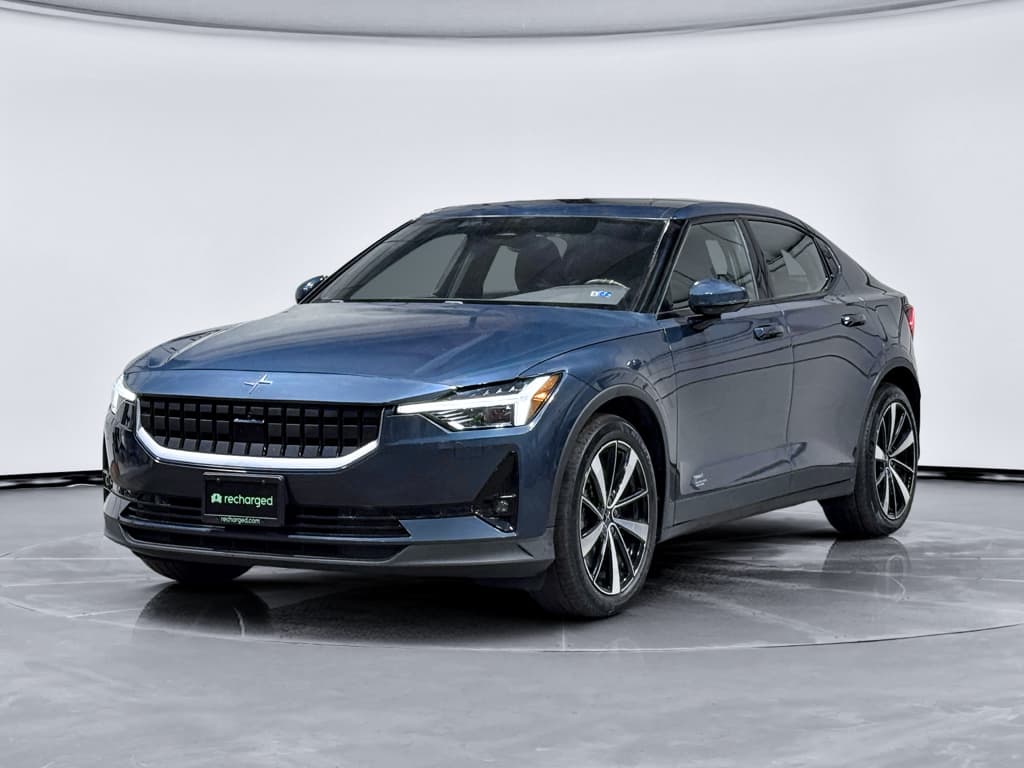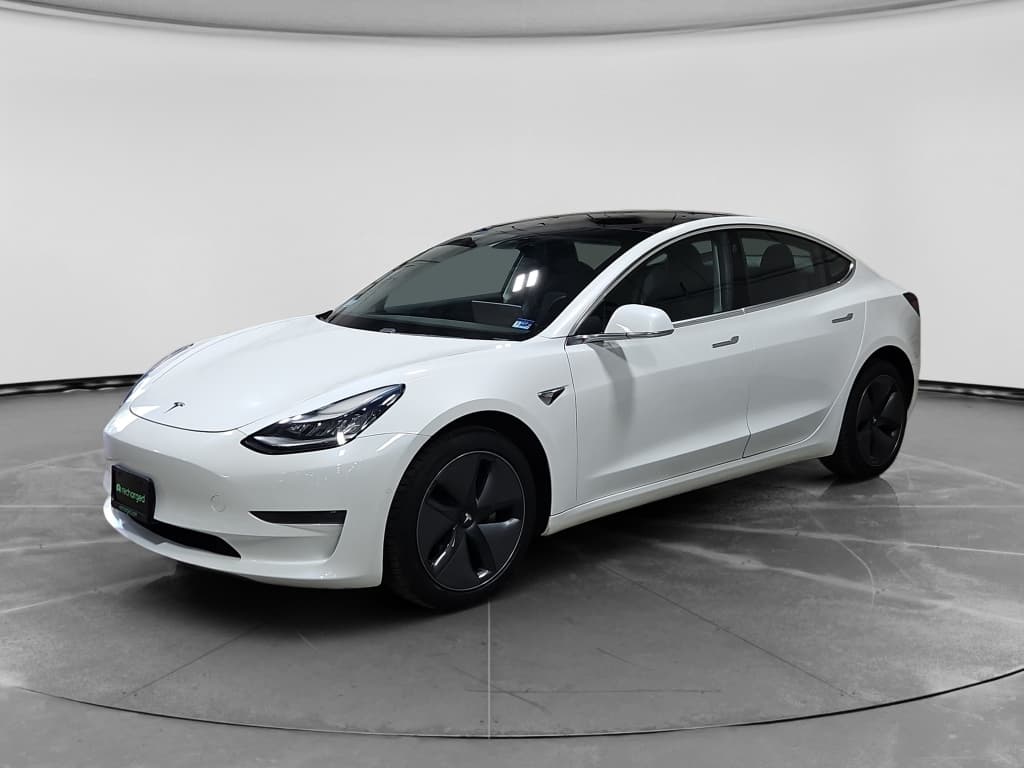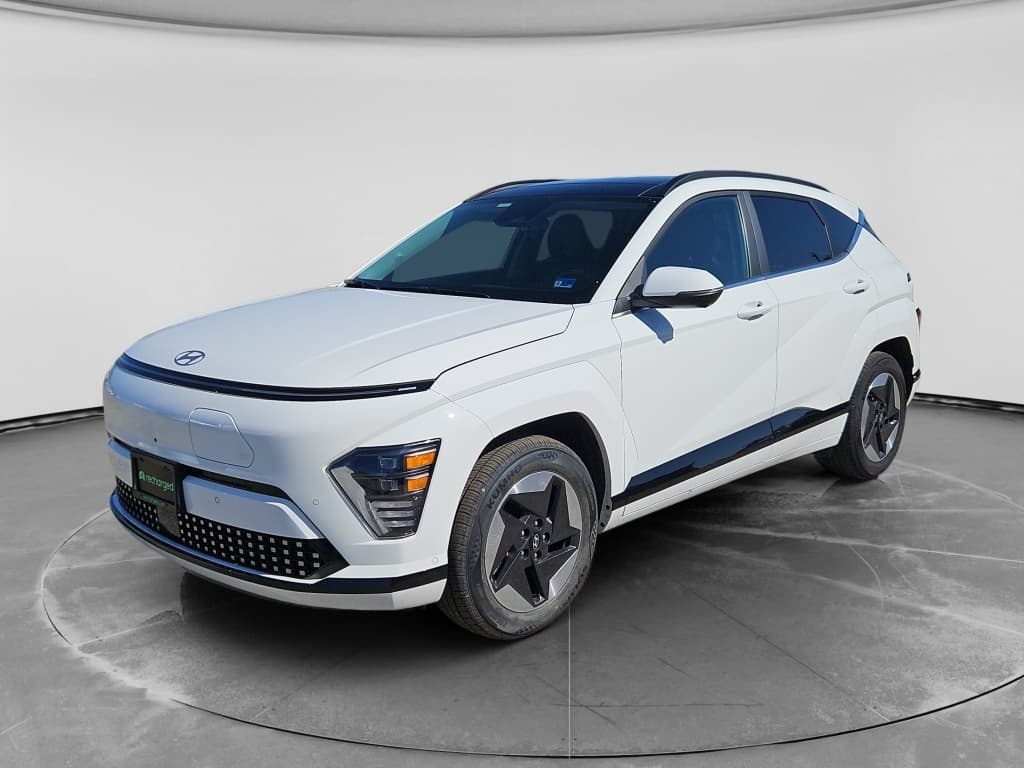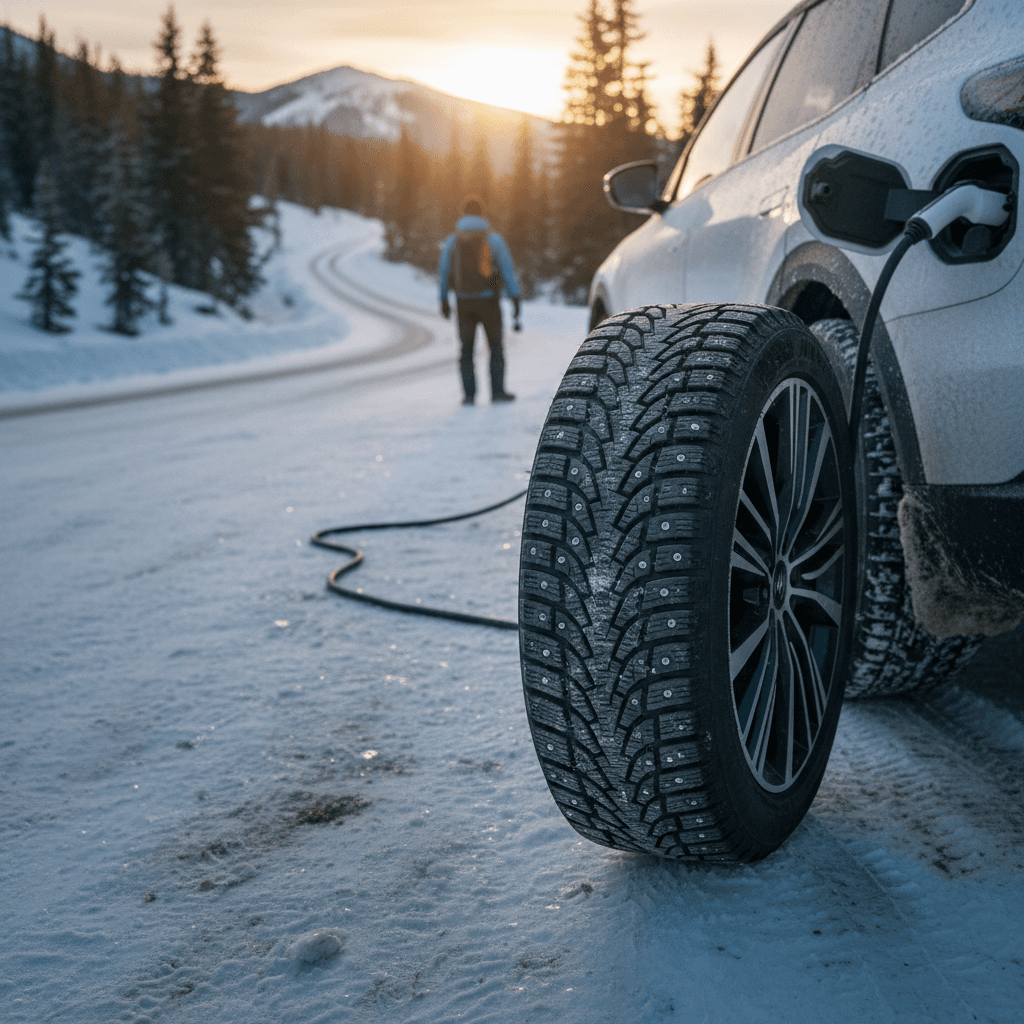
If you drive through real winters, snow, ice, slush, or long stretches below freezing, EV winter tires are one of the biggest safety upgrades you can make. They also interact directly with your car’s range and efficiency in ways that are a bit different from gas cars. This guide walks through when EV winter tires are worth it, how they affect range, which models are standing out for 2025, and what to check if you’re buying a used EV from Recharged or anywhere else.
Quick takeaway
Why EV winter tires matter more than you think
EVs have a few traits that make tire choice in winter more critical than with gas cars: they’re usually heavier because of the battery pack, they deliver instant torque, and they tend to have very quiet cabins that make tire noise more noticeable. All of that magnifies the difference between a good winter tire and a mediocre one.
- Extra weight: A 75–100 kWh battery can easily add several hundred pounds. More weight means more momentum to stop on snow or ice, winter tread and compounds matter.
- Instant torque: Even modest EVs can spin their wheels easily on slick surfaces. A winter tire’s softer compound and dense siping help the traction control system work with, not against, the tire.
- Regenerative braking: Strong regen can lock up grip on a slick patch just like aggressive mechanical braking. Tires with good ice traction and predictable behavior make regen safer to use.
- Low noise expectations: EV drivers are sensitive to hum and whine. Many newer EV-specific winter tires are tuned for quieter operation than older “tractor-like” snow tires.
What winter tires can mean for EV safety
Don’t confuse M+S with real winter tires
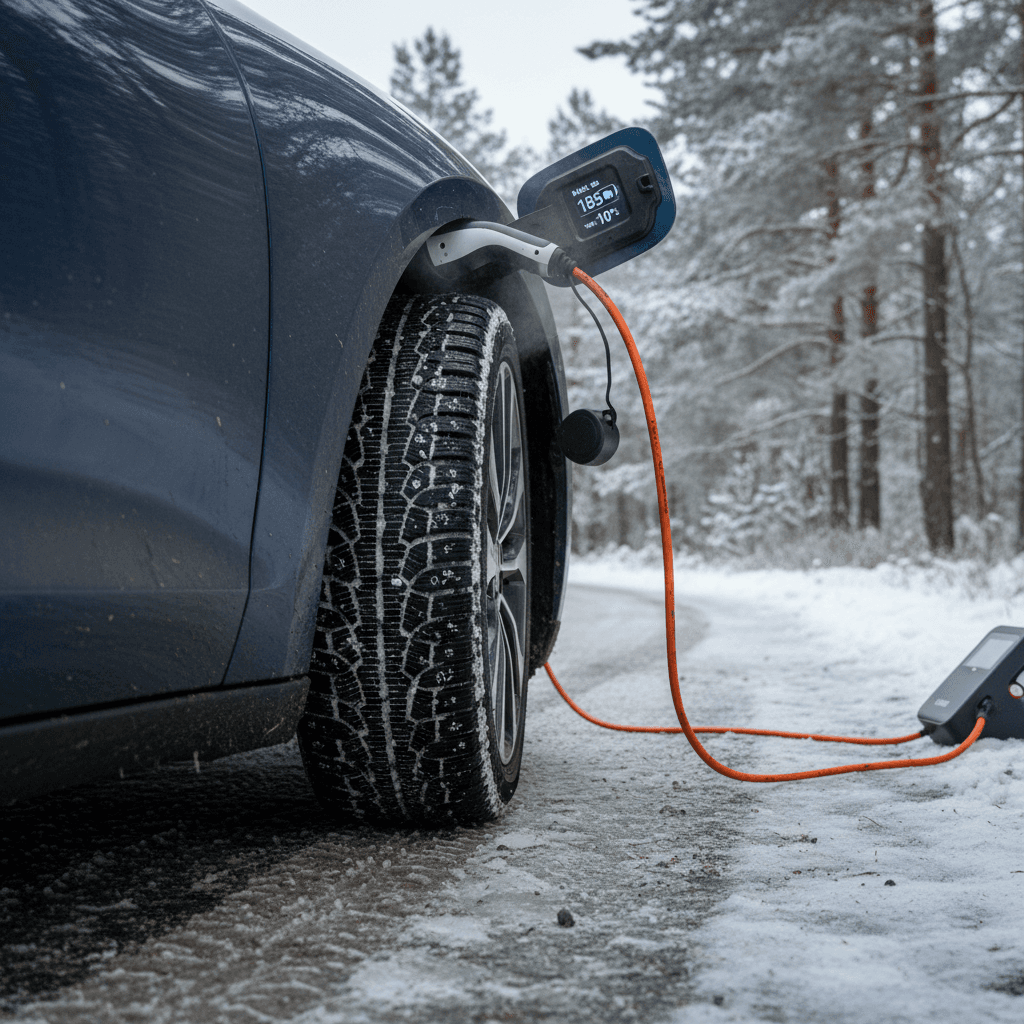
How EV winter tires affect range and efficiency
Every winter tire trades a bit of efficiency for grip. Aggressive tread blocks and softer rubber deform more as they roll, which increases rolling resistance. For gas cars this mainly shows up at the pump, but for EVs it hits the dashboard range number, especially in cold weather when your battery is already less efficient.
Why winter cuts EV range
- Cold batteries can’t accept or deliver energy as efficiently.
- Cabin heating pulls a surprising amount of power compared with an ICE car’s free engine heat.
- Heavier, grippier tires take more energy to roll.
What you can control
- Choose winter tires marketed for low rolling resistance or EV compatibility.
- Keep tires at the correct pressure, underinflation amplifies winter range loss.
- Use preconditioning and eco driving to offset any extra drag from the tires.
Look for EV-ready winter designs
Do you actually need EV winter tires?
Whether you truly need dedicated EV winter tires depends on your climate, your driving, and your tolerance for risk. The goal isn’t to win a rally; it’s to avoid the slow, avoidable crashes at low speed that happen when all-season tires give up in the cold.
Who should prioritize winter tires on an EV?
Match your tire strategy to your actual winter reality, not just your ZIP code.
Snow-belt commuters
Occasional storms
Mild climates
Never mix winter and non-winter tires
Key features to look for in EV winter tires
Not every winter tire is designed with electric vehicles in mind. When you’re shopping, whether you’re spec’ing tires for your current EV or evaluating a used EV at Recharged, prioritize a few EV-specific traits.
EV-focused winter tire features
1. Low rolling resistance
Look for mentions of <strong>low rolling resistance</strong> or EV optimization in the product description. This helps protect range while still giving you proper winter grip.
2. High load index
EVs are heavier. Make sure the tire load rating meets or exceeds your OEM spec. Don’t downsize to a lower load index to save money.
3. Noise-optimized tread
Because EV cabins are quiet, tire roar stands out. Some winter tires use specialized tread blocks and foam liners to keep noise in check.
4. 3PMSF certification
Verify the three-peak mountain snowflake symbol, not just M+S. This confirms the tire meets a minimum snow-traction performance standard.
5. Strong wet and slush performance
Look for <strong>wide grooves</strong> and plenty of lateral channels to clear slush. Many real-world winter crashes happen in wet, partially melted conditions, not deep powder.
6. Durability for high torque
EV-specific models often reinforce the tread and sidewalls to handle instant torque and heavy regenerative braking without wearing unevenly.
Top EV-ready winter tire picks for 2025
Tire choice is personal, availability, price, and your exact vehicle all matter. But a few winter tires consistently show up near the top of independent tests and EV-focused roundups for 2024–2025, thanks to a good blend of grip, efficiency, and comfort.
Shortlist: well-regarded EV winter tires for 2025
Always verify sizing and load rating for your specific EV, but these lines are worth considering.
| Model | Type | EV Angle | Where it shines |
|---|---|---|---|
| Nokian Hakkapeliitta 10 EV | Studded | EV-specific design | Maximum grip on ice with reinforced structure for heavy EVs; great for harsh climates. |
| Nokian Hakkapeliitta R5 EV | Studless | EV-specific, low RR | Quiet, efficient winter performance with strong snow/ice grip and low rolling resistance. |
| Michelin X-Ice Snow | Studless | Low rolling resistance | Excellent all-round winter performance with relatively low impact on EV range. |
| Bridgestone Blizzak WS90 | Studless | EV-friendly | Iconic winter grip with improved rolling resistance and strong stability for heavier vehicles. |
| Pirelli Winter Sottozero 3 Elect | Studless performance | Pirelli Elect tech for EVs | Great for sporty EVs that need strong winter traction without giving up too much handling precision. |
| Continental VikingContact 7/8 | Studless | Optimized for weight | Nordic compound and structure tuned to carry heavier EV crossovers with balanced efficiency. |
Pricing is approximate and varies by size, retailer, and season.
How to cross-shop tires effectively
Tire pressure, rotation, and maintenance in winter
Even the best winter tire can feel disappointing if it’s underinflated or worn unevenly. Winter magnifies small maintenance issues, especially on heavier EVs where every psi and every millimeter of tread is doing real work.
Winter tire maintenance checklist for EVs
1. Check pressure monthly (or more)
Cold air reduces pressure, roughly 1 psi for every 10°F drop. Underinflated tires hurt range and stability. Use your door-jamb spec as a baseline and adjust if your manual specifies different winter pressures.
2. Don’t rely only on TPMS
TPMS is a backstop, not an active maintenance plan. Many systems only alert when pressure is already well below optimal. Make a habit of manual checks through the winter.
3. Rotate on schedule
Follow your vehicle’s rotation interval (often ~5,000–7,500 miles). EV torque can accelerate rear or front wear, depending on drive layout.
4. Watch for cupping and feathering
Heavy EVs can exaggerate alignment issues. If you see uneven wear, get an alignment before it chews through an expensive set of winter tires.
5. Store off-season tires properly
When you swap back to summer or all-season tires, store the winter set in a <strong>cool, dry, dark</strong> place. Bagging them and keeping them off bare concrete can extend life.
How Recharged fits in
Driving strategy: using your EV safely on snow and ice
Winter tires are only half the story. How you use your EV’s traction control, regen, and drive modes matters just as much when surfaces get slick. The good news: EVs are often easier to modulate at low speeds than gas cars, if you adjust a few habits.
Set the car up for conditions
- Use winter/snow mode if your car has it; it usually softens throttle response and can tweak ABS/traction logic.
- Consider reducing regen strength on very slick days so you’re not asking the rear (or front) axle to do too much deceleration by itself.
- Precondition the battery while plugged in so you start with more usable energy and better regen.
Drive like you have half the grip
- Double your following distance; even great winter tires can’t bend physics on ice.
- Use gentle, early inputs, ease into throttle, steering, and braking.
- If the car starts to slide, look and steer where you want to go, and let ABS and stability control do their work.
Beware of plow ruts and slush piles
Used EV buyers: how to check winter readiness
If you’re shopping for a used electric vehicle, whether through Recharged’s digital storefront or anywhere else, winter tires are both a safety issue and a cost you should factor into the deal. A full set of quality EV-ready winter tires and wheels can easily run four figures, especially on larger crossovers.
4 winter questions to ask about any used EV
Work these into your shopping checklist before the first snowfall.
1. What tires are on it today?
2. How much tread is left?
3. Is there a second wheel/tire set?
4. What will a winter setup cost?
How Recharged can help
Ready to find your next EV?
Browse VehiclesFAQ: EV winter tires
Frequently asked questions about EV winter tires
Bottom line: building a winter-ready EV plan
Winter doesn’t have to be range-anxiety season. The right EV winter tires, kept at the proper pressure and paired with smart driving habits, give you dramatically better grip with a manageable impact on efficiency. Think of them not as a sunk cost, but as a safety system that actually matches your EV’s performance and weight to the road conditions you drive in.
If you’re already an EV owner, start by honestly assessing your climate and current tires, then decide whether a dedicated winter set, or at least a 3PMSF all-weather upgrade, fits your reality. If you’re shopping for a used EV, factor winter tires and wheels into your total cost of ownership. At Recharged, every vehicle comes with a Recharged Score report for transparency on battery health, and our team can help you map out the most cost-effective way to get that car winter-ready before the first real storm hits.