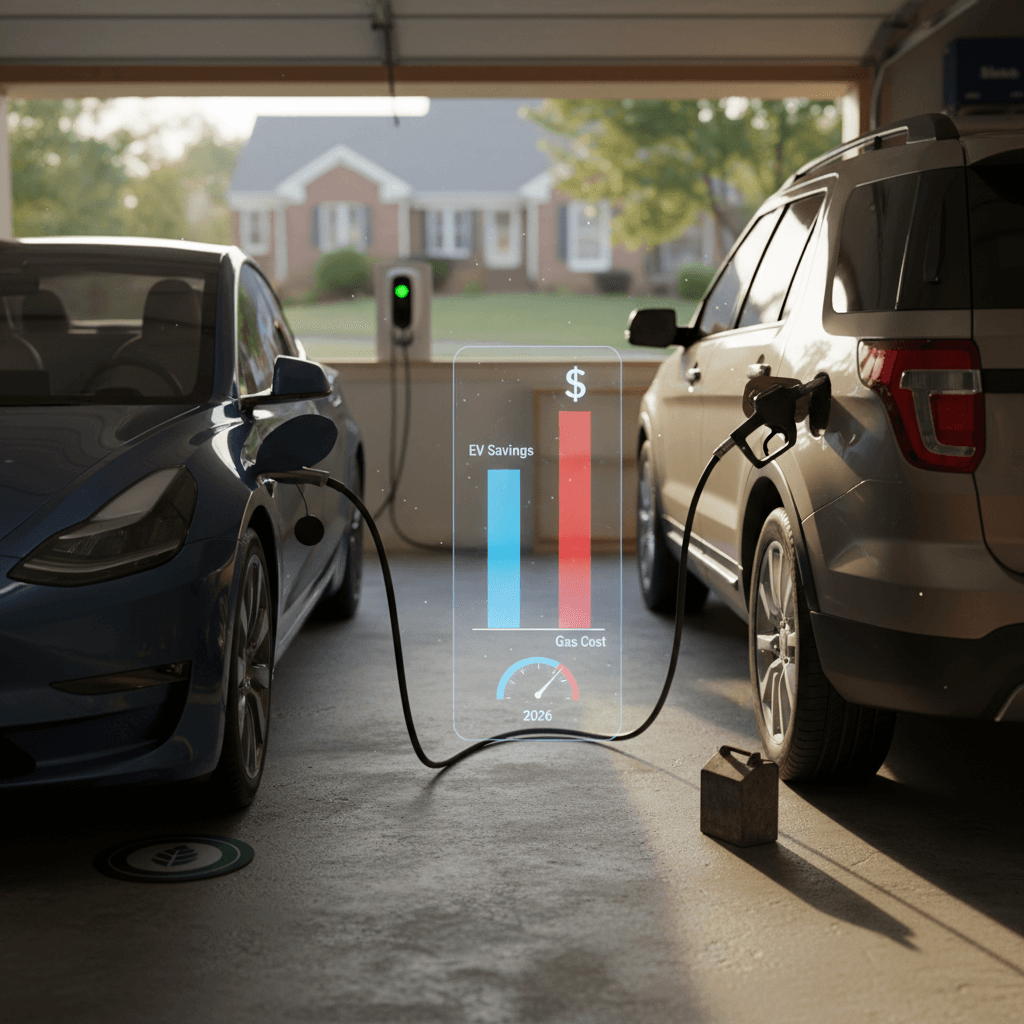
If you live in Virginia and you’re comparing EV vs gas savings in 2026, the headlines can be confusing. Electricity prices have crept up, gas is bouncing between the mid‑$3 and low‑$4 range, and new federal rules are reshaping vehicle options. The good news is that when you look at cost per mile and total ownership costs, most Virginians still come out ahead with an electric vehicle, especially if you buy used and can charge at home.
Virginia is a “middle‑of‑the‑road” cost state
Why EV vs gas savings look different in Virginia in 2026
Before running numbers, it helps to understand the local context. Virginia isn’t California, where gas often pushes $5 a gallon, and it’s not a dirt‑cheap electricity state either. It’s somewhere in the middle, and several Virginia‑specific factors shape your EV vs gas savings:
- Moderate electricity rates: Residential power in Virginia is typically in the mid‑teens cents per kWh, cheaper than many Northeastern states but higher than the lowest‑cost Midwest and Plains states.
- Below‑average gas prices (historically): Heading into 2026, Virginia has usually sat a bit below the national average for gasoline, though 2026’s oil shocks have pushed prices higher everywhere.
- Suburban driving patterns: A lot of Virginians commute 15–40 miles each way on highways like I‑95, I‑64, and the Dulles Toll Road, perfect territory for EV efficiency.
- Utility programs: Dominion and other utilities offer time‑of‑use or EV‑specific rates in parts of the state, which can cut charging costs significantly if you’re willing to charge off‑peak.
- Data‑center‑driven demand: Northern Virginia’s data centers are putting upward pressure on electricity prices over time, which makes using realistic, current numbers important rather than outdated 2019 rate assumptions.
Don’t use national averages for this decision
Baseline 2026 numbers: electricity vs gas in Virginia
Let’s anchor the analysis with reasonable 2026 numbers for Virginia. These are rounded, conservative figures based on recent data and typical utility offerings, not the absolute best‑case deals, but realistic for a typical homeowner.
Working assumptions for 2026 Virginia cost comparisons
These baselines let us compare EV and gas costs per mile on apples‑to‑apples terms. You can adjust them later to match your own bills and driving style.
| Input | Reasonable 2026 Virginia Value | Notes |
|---|---|---|
| Residential electricity (standard) | $0.15 per kWh | Typical whole‑home average across the state based on recent utility and survey data. |
| EV off‑peak / EV plan | $0.10 per kWh | Reflects time‑of‑use or EV‑specific overnight rates where available. |
| Public Level 2 charging | $0.25 per kWh | Common price point at networked stations in urban and suburban areas. |
| DC fast charging | $0.40 per kWh | Typical for non‑Tesla networks; actual prices span roughly $0.35–$0.50. |
| Regular gasoline | $3.50 per gallon (conservative) | Virginia often runs lower than the U.S. average, but 2026’s oil shocks make $3.50 a fair planning number. |
| Efficient compact gas car | 32 mpg | Think Corolla, Civic, Elantra driven sensibly. |
| Crossover/SUV gas | 25 mpg | RAV4, CR‑V, Rogue class vehicles. |
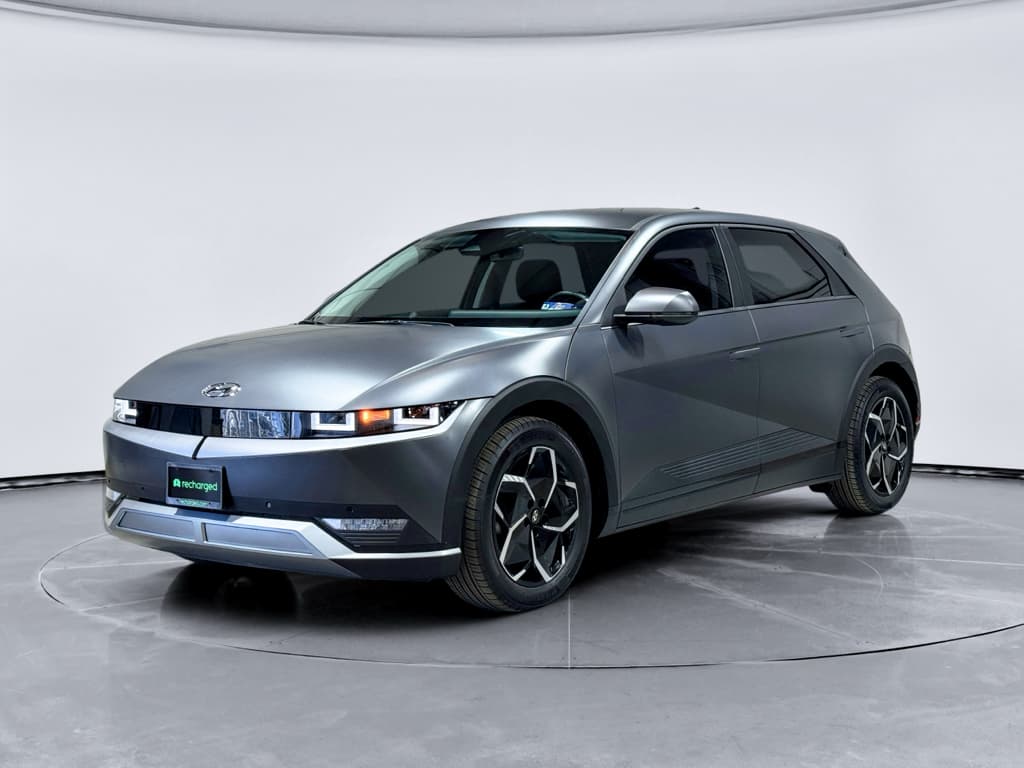
| Typical EV efficiency | 0.30 kWh/mile (30 kWh/100 mi) | Compact crossovers like Model Y, Ioniq 5, or ID.4 in mixed Virginia driving. |
All numbers are approximate and rounded; your exact rates and prices will vary by location and time of year.