If you drive a long distance every day, the EV vs gas cost for a 75 mile commute isn’t an academic question – it’s hundreds of dollars a month out of your pocket. The good news: at this distance, the math usually tilts strongly in favor of an electric vehicle, especially if you buy smart and mind your electricity rates.
A 75‑mile commute is no small thing
How much does a 75‑mile commute really cost?
Your 75‑mile daily commute at a glance
To make this practical, we’ll compare a typical **used EV** with a **typical gasoline commuter**. We’ll keep the math simple, use realistic U.S. averages as of early 2026, and show you how to adjust the numbers for your own situation.
Key assumptions behind the EV vs gas commute math
Electric vehicle baseline
- Efficiency: ~0.30 kWh per mile (3.3 miles/kWh), typical for many EVs at highway speeds.
- Electricity rate (home): $0.16 per kWh national-ish average. Your rate may be lower or higher.
- Public DC fast charging: Around $0.35–$0.50 per kWh. We’ll treat this separately.
- Vehicle type: Used battery‑electric vehicle (BEV) with 200–260 miles of usable range.
Gasoline car baseline
- Fuel economy: 30 mpg combined, typical for a modern compact/midsize sedan.
- Gas price: $3.50 per gallon as a rounded U.S. average. Plug in your local price to refine.
- Driving mix: Mostly highway with some congestion – realistic for a long commute.
- Vehicle type: 4‑cylinder gas sedan, automatic transmission.
Your local prices matter
EV vs gas cost per mile for a 75‑mile commute
Energy cost per mile: EV vs gas (example)
Using the assumptions above, here’s how electricity and gasoline costs break down on a per‑mile basis.
| Scenario | Key Assumptions | Cost per Mile | Daily Energy Cost (150 mi) |
|---|---|---|---|
| Home‑charged EV | 0.30 kWh/mi, $0.16/kWh | $0.048 | $7.20 |
| EV on off‑peak rate | 0.30 kWh/mi, $0.10/kWh | $0.030 | $4.50 |
| EV mostly fast‑charged | 0.30 kWh/mi, $0.40/kWh | $0.120 | $18.00 |
| Gasoline car | 30 mpg, $3.50/gal | $0.117 | $17.55 |
These are energy costs only – maintenance and other ownership costs are covered in the next section.
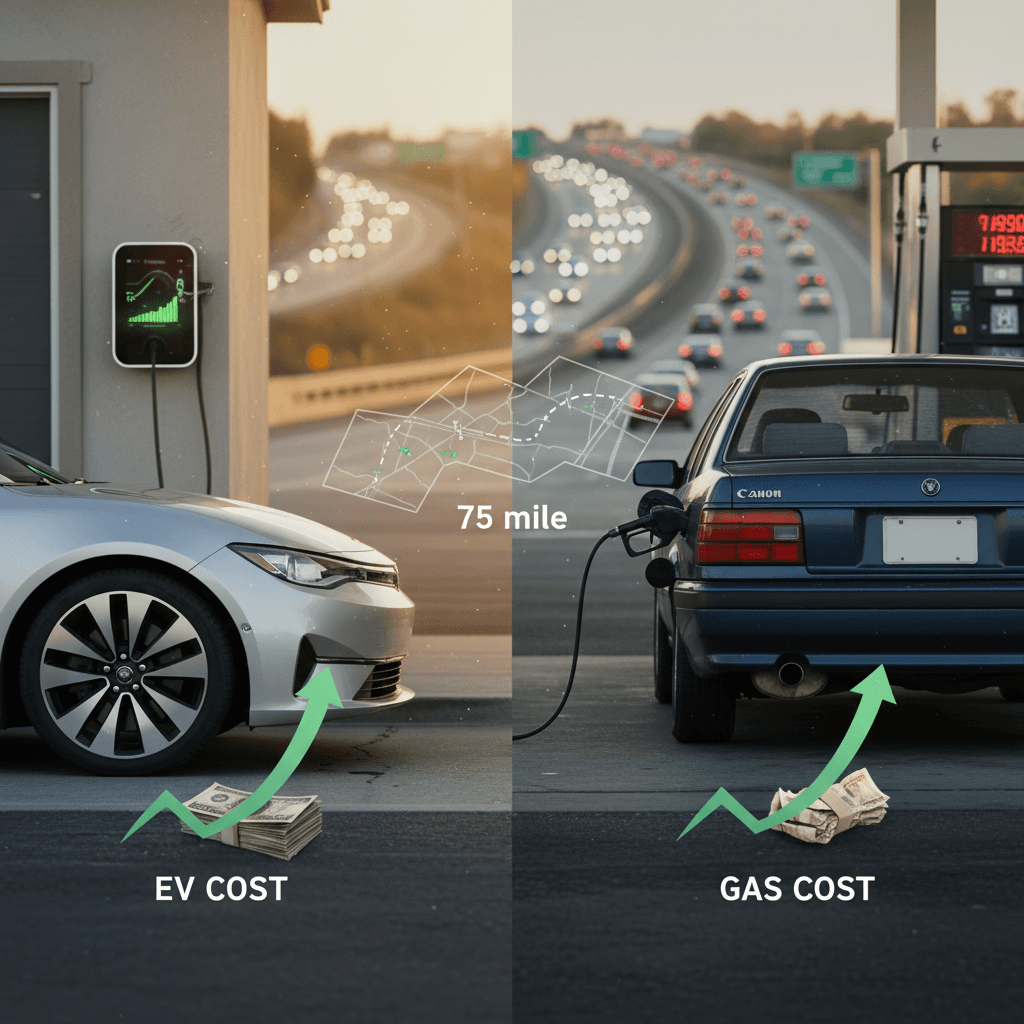
On standard residential electricity, a home‑charged EV in this example costs about **4.8 cents per mile**, or roughly **$7.20 per commuting day**. The gas car, at 30 mpg and $3.50 per gallon, lands at about **11.7 cents per mile**, or **$17.55 per commuting day**.
Rule of thumb for rough math
Monthly and annual costs: EV vs gas for 75 miles a day
Annual commute energy cost: side‑by‑side
Same 39,000 commuting miles, very different fuel bills.
Home‑charged EV
Using $0.16/kWh and 0.30 kWh per mile:
- Daily: ~$7.20
- Monthly (21 workdays): ~$151
- Annual (260 days): ~$1,872
EV on off‑peak pricing
At $0.10/kWh off‑peak:
- Daily: ~$4.50
- Monthly: ~$95
- Annual: ~$1,170
Many utilities offer time‑of‑use rates that make overnight charging even cheaper.
Gasoline commuter
At 30 mpg and $3.50/gal:
- Daily: ~$17.55
- Monthly: ~$369
- Annual: ~$4,563
Quick takeaway
If you routinely rely on higher‑priced public fast charging for your commute, the advantage shrinks or even disappears. At around $0.40 per kWh, our example EV’s energy cost per mile looks very similar to a 30‑mpg gas car at $3.50 per gallon. That’s why **where you charge** is just as important as **what you drive**.

Maintenance, tires, and repairs: where EVs quietly win
Fuel is only half the story. Over tens of thousands of miles, **maintenance and repairs** can easily rival what you spend at the pump. Here the electric car has some built‑in advantages that become very obvious on a 75‑mile daily slog.
- No oil changes: That’s easily $150–$250 per year for a high‑mileage gas commuter, depending on how often you change oil and where you service the car.
- Fewer moving parts: EVs have no conventional transmission, timing belt, exhaust system, or complex emissions hardware. That removes several major failure points common on high‑mileage gas cars.
- Brake wear is lower: Regenerative braking means many EV owners see very long pad and rotor life, even with heavy use.
- Tires may cost more, but you’re replacing them either way: Long‑range commuting burns through tires in any car. EV‑specific tires can be a bit pricier, but gasoline cars doing 39,000 miles a year will be on a similar replacement schedule.
Don’t ignore battery health on a used EV
When an EV wins big, and when gas still makes sense
Situations where an EV is a clear winner
- You can charge at home or work: A basic Level 2 charger and a stable off‑peak rate can cut your energy bill dramatically versus gasoline.
- Your route fits in your EV’s comfortable range: A 75‑mile one‑way trip is 150 miles a day. Many modern EVs can handle that with one full overnight charge; some older or smaller‑battery models may need a mid‑day top‑up.
- You rack up miles quickly: The more you drive, the faster the fuel and maintenance savings offset higher EV purchase price.
- You plan to keep the car for years: Spread over 5–7 years, thousands per year in savings becomes very compelling.
When a gas car can still make sense
- No reliable access to charging: If you rent without dedicated parking or your workplace won’t allow charging, public DC fast charging for a 75‑mile daily commute can be costly and inconvenient.
- Very cheap local gasoline, expensive electricity: In a few regions, utility rates are high and gas is relatively low, narrowing the EV advantage.
- You already own a paid‑off, efficient gas car: If your car is economical and reliable, the savings from switching to an EV might not justify the immediate out‑of‑pocket cost.
- You have extreme cold or heat with sparse charging: Range loss in harsh climates plus long distances between chargers can complicate an EV commute.
Used EVs: how to turn commute savings into a great deal
For many high‑mileage commuters, the sweet spot is a **used EV with a healthy battery** and a fair, transparent price. That’s where a platform like Recharged can tilt the math further in your favor.
Why a used EV can be ideal for a 75‑mile commute
You’re paying for dependable range and low running costs, not the new‑car smell.
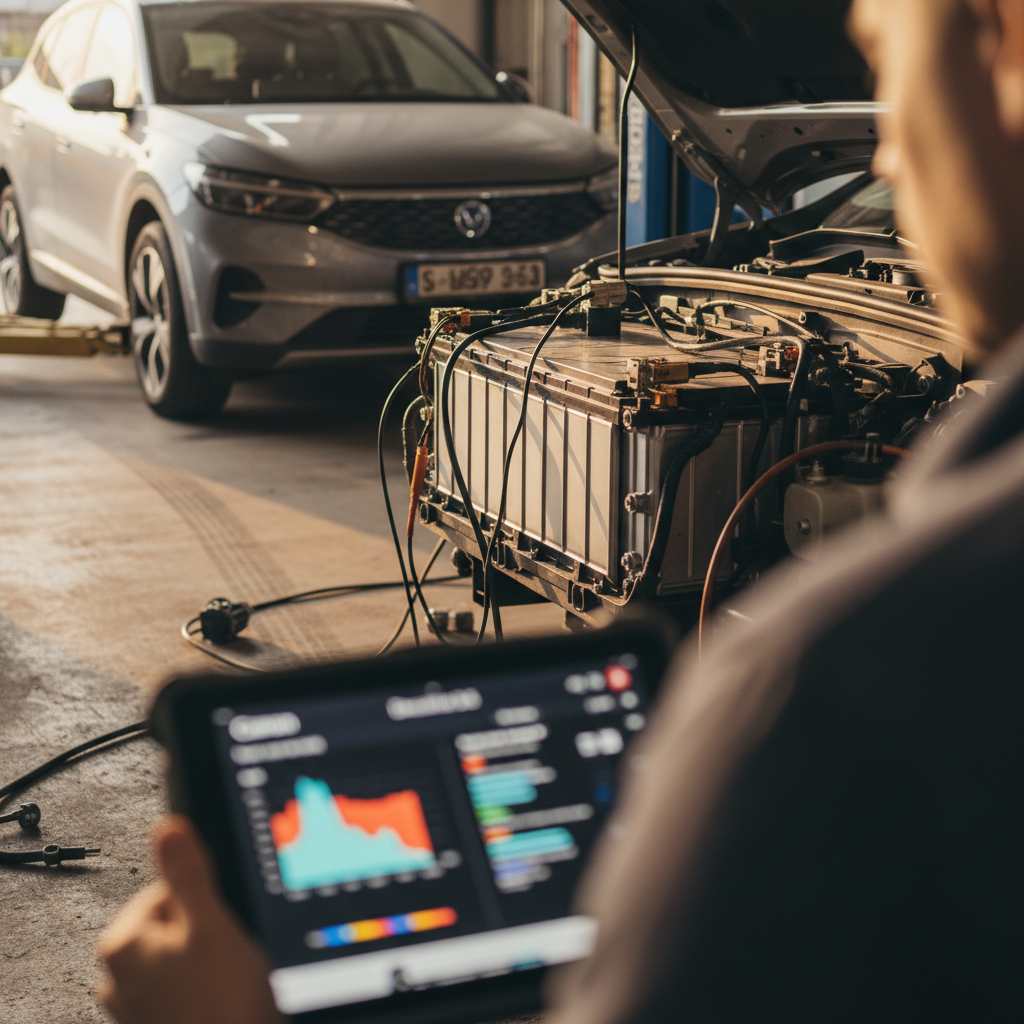
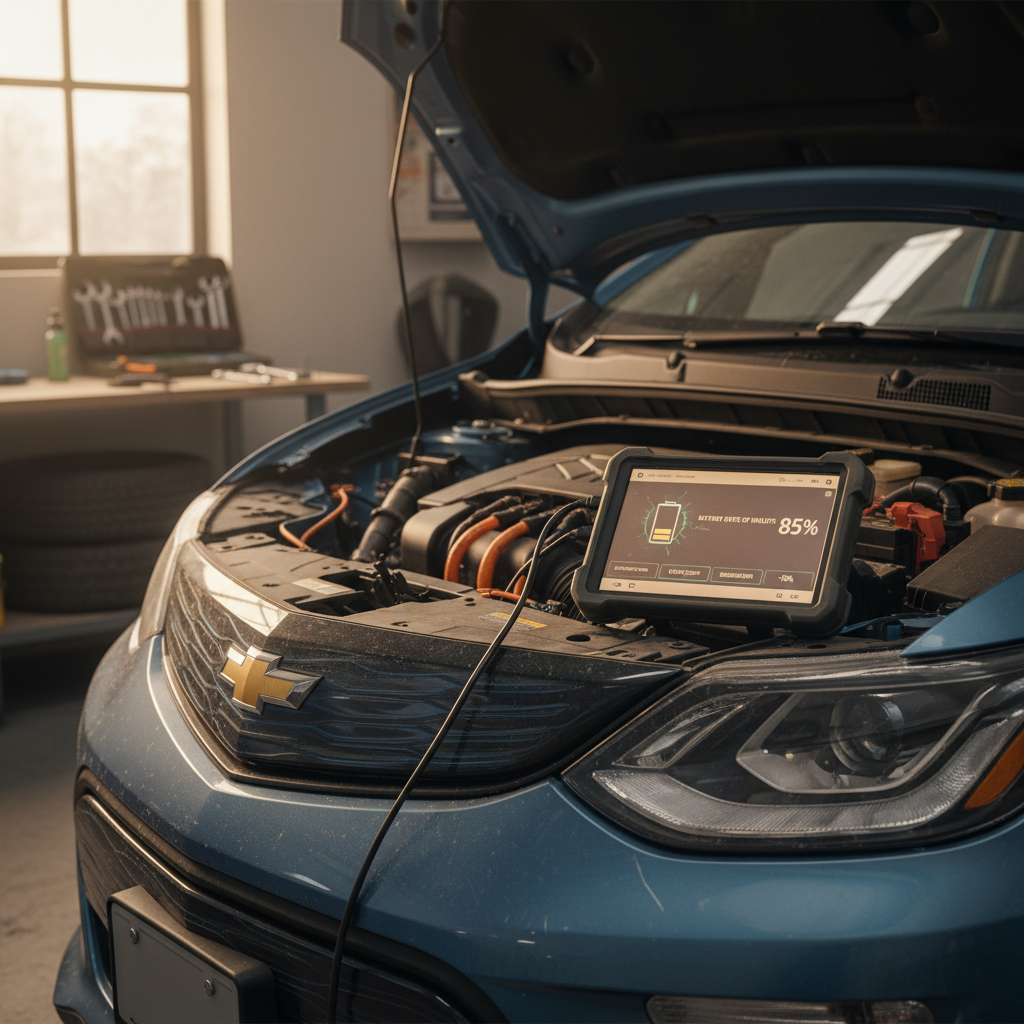
Verified battery health
Fair market pricing
EV‑specialist guidance
Use your fuel savings to set a budget
Practical tips to lower your commute costs today
Action steps to optimize your 75‑mile commute
1. Calculate your true cost per mile
Gather your last few gas receipts or electricity bills and compute fuel or energy cost per mile. Once you know what you’re really paying now, EV comparisons are much easier.
2. Check your utility’s EV rates
Many utilities offer discounted off‑peak or EV‑specific plans. If you can shift charging to overnight hours, you may dramatically undercut gasoline costs.
3. Right‑size your next vehicle
You don’t need a huge SUV for a solo commute. A compact used EV with a solid range can knock thousands a year off your running costs compared with a thirsty crossover.
4. Plan your charging strategy
Ideally, charge at home on Level 2. If you must rely on public charging, choose routes with reliable, reasonably priced Level 2 stations instead of premium‑priced fast chargers whenever time allows.
5. Track your maintenance spend
Add up what you’re spending annually on oil changes, brakes, and repairs for your current commuter. Compare that with typical EV maintenance, which is often limited to tires, cabin filters, and brake fluid at intervals.
6. Explore used EV options
Browse used EV listings on platforms like Recharged, where each vehicle includes a battery health report and transparent pricing, so you can quickly see which models fit your range and budget needs.
FAQ: EV vs gas cost for a 75‑mile commute
Common questions about 75‑mile EV and gas commutes
Bottom line: EV vs gas for your 75‑mile commute
For a 75‑mile daily commute, an electric vehicle that’s charged primarily at home tends to offer a compelling financial edge over a typical gas car. Energy costs per mile are lower, routine maintenance is simpler, and high annual mileage lets those advantages shine. The exceptions mostly come down to **poor charging access** or **unfavorable local energy prices**.
If you’re ready to put real numbers to your own situation, start by comparing your current fuel cost per mile to the EV scenarios we’ve outlined, then look at how a used EV might fit your budget. With tools like the Recharged Score Report, transparent battery health data, and EV‑savvy support, you can choose a used EV that turns that long 75‑mile drive into something far easier on your wallet.