If you follow headlines about EVs in the US, you’d be forgiven for feeling whiplash. One week it’s “EVs are the future,” the next it’s “EV sales are stalling.” The reality is more nuanced: adoption is still growing, but at a more mature, uneven pace, and the used EV market is quietly becoming one of the most compelling entry points into electric driving.
What this guide covers
The state of EVs in the US in 2025
US EV market at a glance
Two things can be true at once: EVs are now mainstream enough to matter in the US market, and they’re still in an early‑adopter phase compared to gasoline vehicles. EVs made up around one in every eleven new cars sold in 2023, and while growth has cooled from the breakneck pace of 2021–2022, the fleet of EVs on US roads continues to expand every year.
Mind the headlines
How many EVs are on US roads today?
As of 2024, there are roughly 2.4–2.5 million battery‑electric vehicles registered in the United States, out of well over 280 million light‑duty vehicles. That’s under 1% of the total fleet, which explains why you still see mostly gas cars on the road even in EV‑heavy states. But that small share hides rapid change at the margins.
This geographic skew matters. If you live in Los Angeles, Seattle, or the Bay Area, EVs already feel normal. If you’re in a rural county in the Midwest, they may still feel exotic. That’s changing, but not evenly, and it’s one reason the national conversation around EVs is so fragmented.
EV charging infrastructure in the US
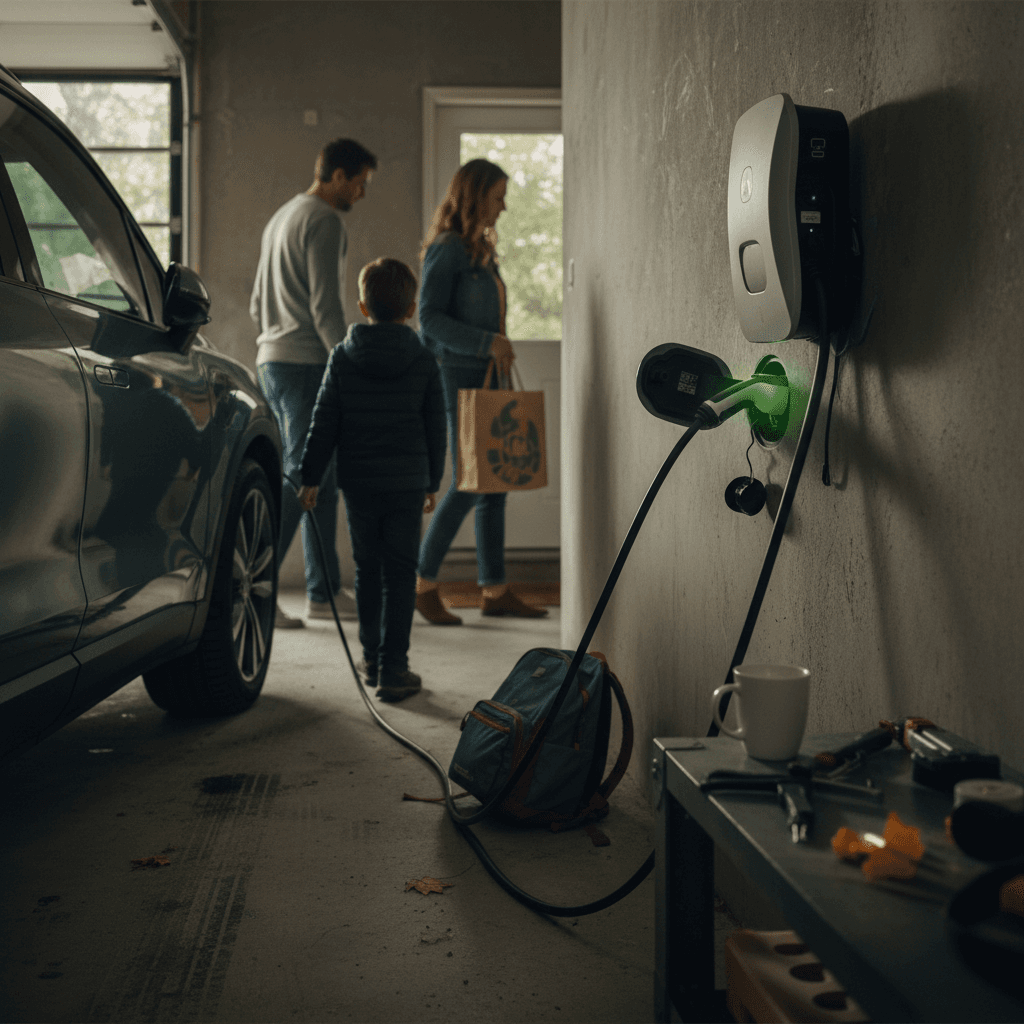
From a driver’s perspective, the real question is less “How many chargers does the US have?” and more “Can I charge conveniently where I live and drive?” On paper, the US is now past 190,000 public charging ports, spread across more than 60,000 locations, and the total continues to climb as about a thousand new public chargers come online every week.
- Roughly 9,700 fast‑charging locations with over 40,000 DC fast connectors make long‑distance travel increasingly practical.
- Tesla’s Supercharger network remains the most extensive and reliable, and more of it is now opening to non‑Tesla EVs via adapters and new NACS‑equipped vehicles.
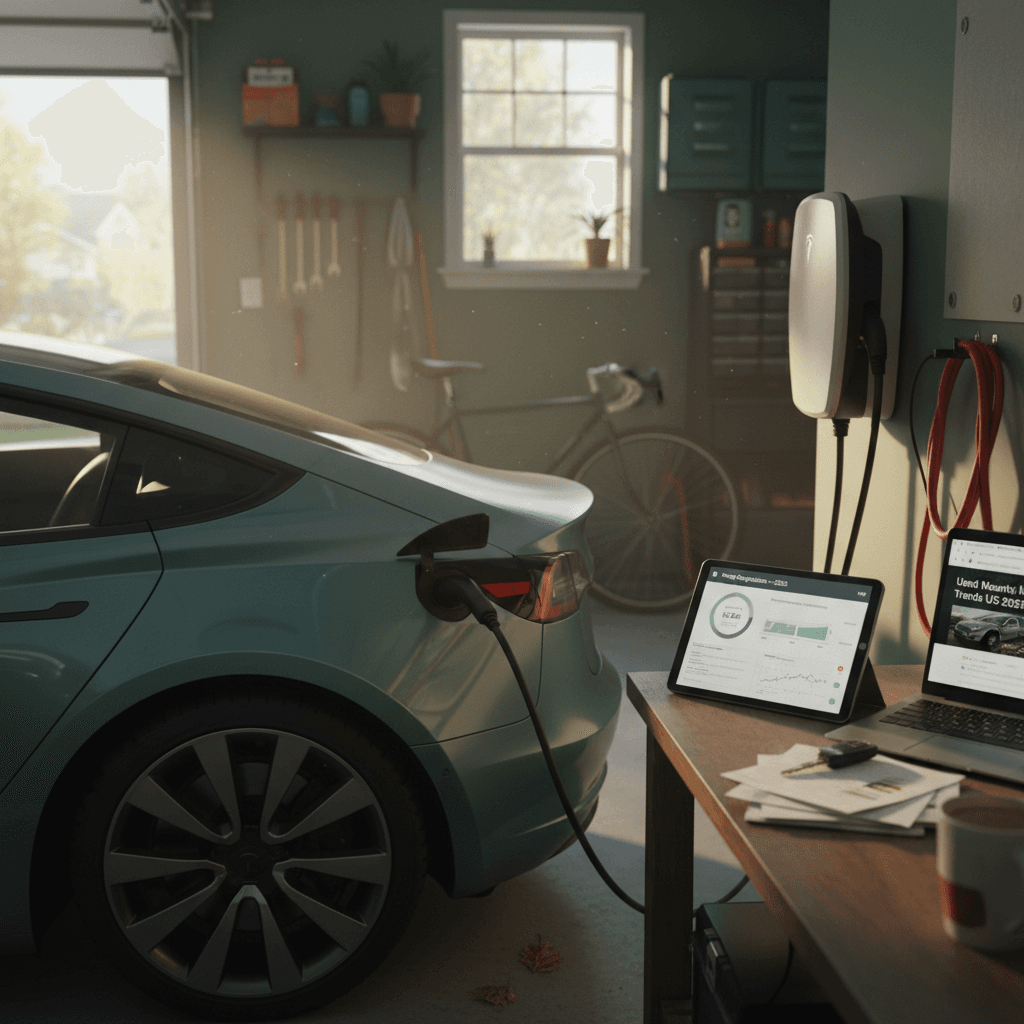
- Most day‑to‑day charging still happens at home or work; public fast charging is an occasional convenience for many owners, not a daily necessity.
Think in use‑cases, not national averages
Urban & suburban areas
- Higher density of Level 2 and fast chargers.
- More apartment/condo charging pilots, but access can still be patchy.
- Public chargers are more likely to be ICEd (blocked) or busy at peak times.
Rural & highway corridors
- Fewer chargers overall, but coverage improving along Interstates.
- Fast chargers may be clustered at travel plazas and big‑box stores.
- Gaps between sites can still be large, plan carefully in winter or with smaller‑battery EVs.
Federal build‑out is in flux
Policy, incentives, and the political whiplash
Policy is the tail that’s been wagging much of the US EV dog. Federal and state incentives, emissions rules, and charging grants helped kick‑start the market. Now political backlash and budget pressures are creating a much choppier landscape, especially for long‑term projects like charging networks.
Key policy levers shaping EVs in the US
What still matters for you as a buyer in 2025
Tax credits & rebates
Federal clean‑vehicle credits have changed repeatedly, with shifting rules about income, price caps, and where batteries are made. Many states add their own rebates or registration discounts on top, while a few have added EV fees.
Emissions & fuel rules
Federal emissions standards and state zero‑emission mandates push automakers to sell more EVs. When these rules tighten, you tend to see better EV lease deals and more inventory; when they’re weakened, automakers slow‑walk investments.
Infrastructure programs
National charging initiatives help fill in gaps on key corridors, but implementation has been slow and politically contested. In practice, private networks and utility programs are still doing much of the heavy lifting.
Don’t leave money on the table
Which EVs are Americans actually buying?
Despite dozens of nameplates on sale, the US EV market is still top‑heavy. A handful of brands and models account for most sales, with the rest fighting for relatively small slices of the pie.
The center of gravity in the US EV market
Illustrative snapshot of which kinds of EVs dominate US streets.
| Segment | Examples you’ll see everywhere | Why they sell |
|---|---|---|
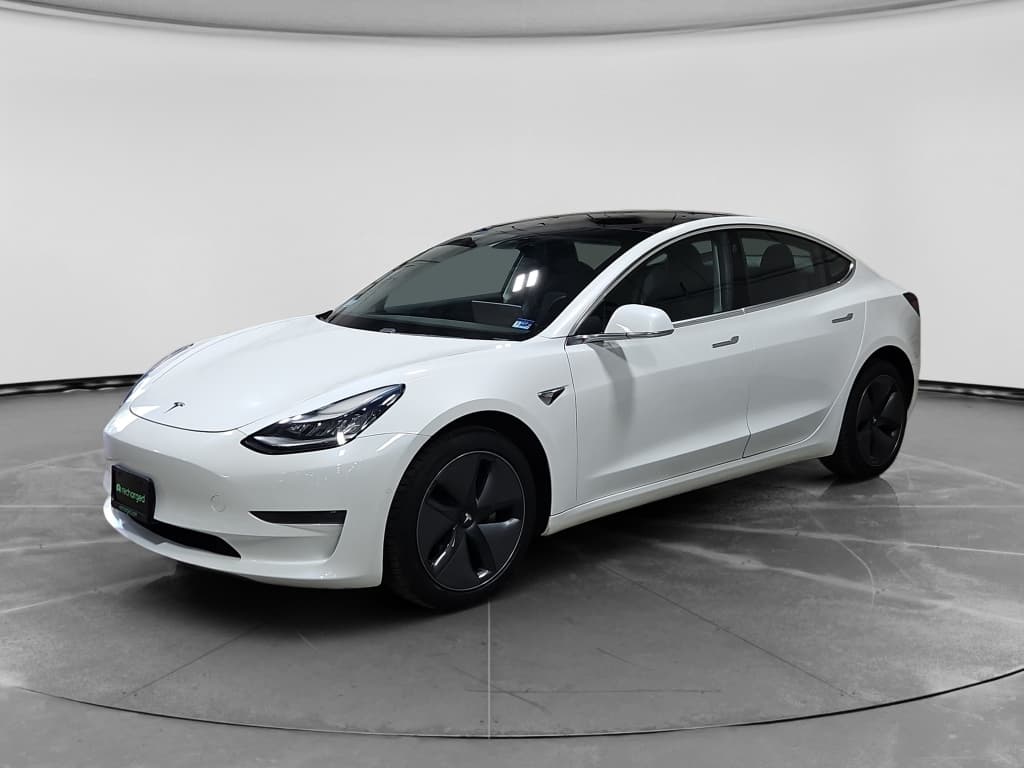
| Compact/mid sedans | Tesla Model 3, Hyundai Ioniq 6 | Efficient, familiar form factor, relatively affordable to run. |
| Crossovers | Tesla Model Y, Hyundai Ioniq 5, Kia EV6, Ford Mustang Mach‑E | US buyers love crossovers; these hit the sweet spot of space and range. |
| Pickups & SUVs | Ford F‑150 Lightning, Rivian R1T/R1S, Chevy Blazer EV | Appeal to truck and SUV buyers who want torque and towing without tailpipe emissions. |
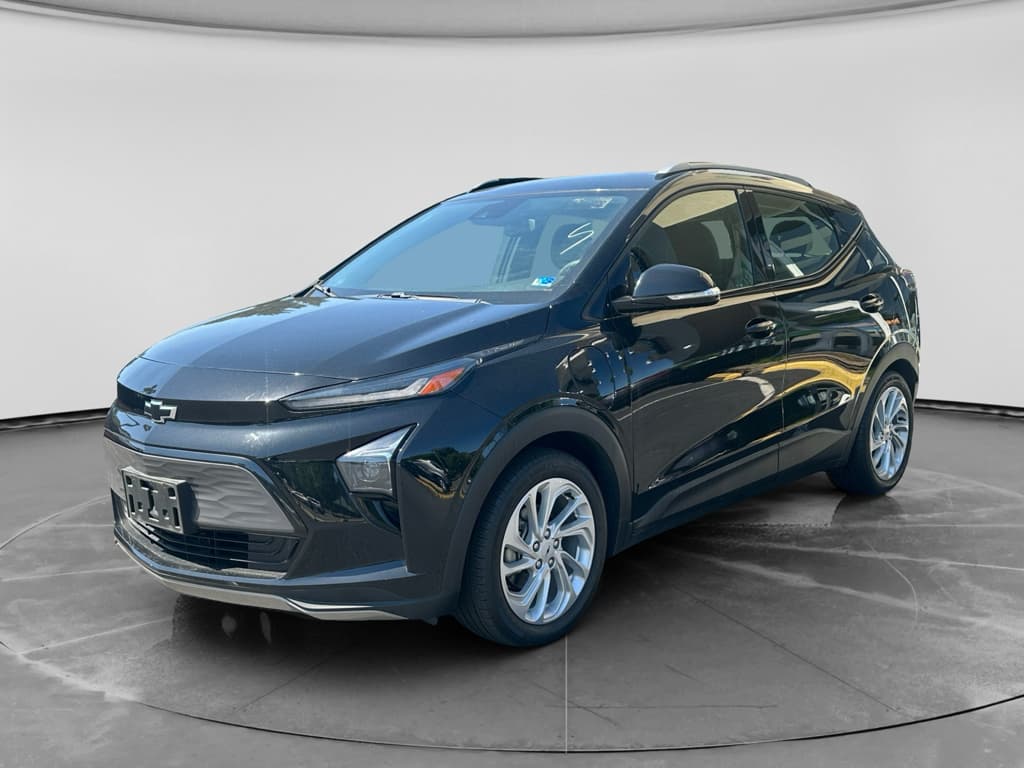
| Value EVs | Chevy Bolt EUV (used), Nissan Leaf (used), older Model 3 | Lower entry price on the used market; ideal for commuters with home charging. |
Sedans and crossovers with strong charging support remain the volume leaders.
Why model popularity matters for used shoppers
The rise of the used EV market in the US
For a lot of households, the most realistic way into an EV isn’t a $50,000 new crossover, it’s a used EV with a healthy battery. As early EVs come off lease and out of first ownership, prices have fallen faster than many analysts predicted. That’s partly because supply is finally catching up, and partly because shoppers remain wary of battery health and future policy shifts.
- Used EV prices have softened as more 3–6‑year‑old vehicles hit the market.
- Models like the Chevy Bolt, Nissan Leaf, and early Tesla Model 3s often undercut comparable new hybrids on price.
- Battery uncertainty is the single biggest reason many buyers still hesitate, and the main thing you should focus on when evaluating any used EV.
Where Recharged fits in
Ready to find your next EV?
Browse VehiclesWhy battery health matters more than odometer miles
In a gasoline car, mileage is a decent shorthand for mechanical wear. In an EV, the battery is the car. Two identical EVs with the same odometer reading can deliver completely different real‑world range and value depending on how the pack has aged.
Two used EVs, same miles, very different realities
Why you should always ask for real battery data
Car A: 60,000 miles, healthy pack
- Fast‑charged occasionally, mostly overnight Level 2.
- Lives in a mild climate, rarely parked full in the sun.
- Battery health report shows ~90–92% of original capacity.
- Owner still gets almost the original rated range.
Car B: 60,000 miles, tired pack
- Fast‑charged heavily on road trips and for daily use.
- Spent years in very hot or very cold climate.
- Battery health report shows ~75–80% of original capacity.
- Real‑world range is now 40–50 miles lower than new.
Don’t buy blind
Used EV checklist: what to look for in the US market
1. Battery health report
Ask for a documented state‑of‑health measurement, not just a guess, showing remaining capacity versus when new. This is standard on every Recharged vehicle.
2. Charging history & habits
Frequent DC fast charging and lots of time parked at 100% can accelerate degradation. Look for cars that lived on Level 2 and weren’t kept full for days on end.
3. Climate exposure
Extreme heat is tough on batteries. If an EV spent most of its life in very hot regions without active thermal management, factor that into your expectations or pricing.
4. Warranty coverage
Most OEM battery warranties run eight years or around 100,000 miles against excessive capacity loss. Check how much time and mileage are left on the original warranty.
5. Charging connector & adapters
Make sure the car’s connector (CCS, NACS, CHAdeMO on older Leafs) matches the networks you plan to use, or that adapters you need are readily available.
6. Software and recall status
EVs are software‑defined. Confirm that major recalls and software updates have been applied and that key features (fast charging, battery preconditioning) work properly.
Should you buy an EV in the US right now?
Whether it’s the right time for you depends less on the national EV discourse and more on your specific situation: driving habits, housing, local incentives, and appetite for technology risk. But a few patterns are clear in late 2025.
Great candidates for an EV today
- You have reliable access to home charging (driveway or garage).
- Your typical daily driving is well below an EV’s rated range.
- You live in or near a metro area with solid charging coverage.
- You value smooth, quiet driving and low running costs.
- You’re open to a used EV with verified battery health to save money.
Better to wait or be cautious
- You rely on street parking with no realistic near‑term charging option.
- You regularly tow heavy loads over long distances.
- You live in a region with big charging gaps and harsh winters.
- You’re extremely sensitive to policy changes and resale‑value risk.
Use total cost of ownership, not just sticker price
How Recharged helps you decide
Frequently asked questions about EVs in the US
FAQ: EVs in the US market
The bottom line for EVs in the US
EVs in the US have moved past the early‑adopter phase but haven’t yet become the default choice. Adoption is growing, charging infrastructure is expanding unevenly but steadily, and policy is more turbulent than the underlying technology. For many households, especially those with access to home charging and predictable driving patterns, a well‑chosen EV already makes economic and practical sense.
If you’re EV‑curious but cautious, the used market is where the opportunity is most interesting right now. Falling prices, maturing technology, and tools like the Recharged Score Report for verified battery health make it possible to step into electric driving without paying new‑car prices or taking blind risks. The national EV story can sound chaotic; your own EV story doesn’t have to be.