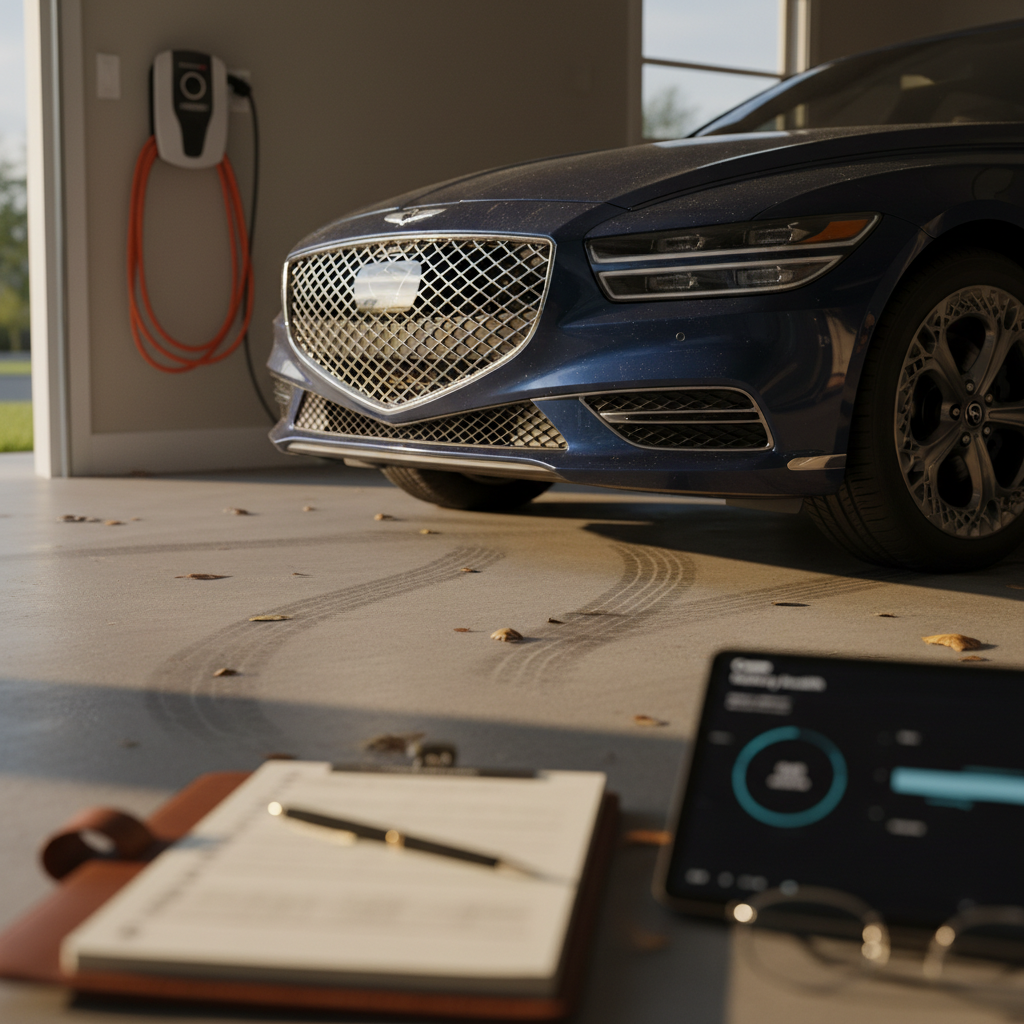
If your electric car suddenly feels sluggish and a little turtle icon or “power limited” warning pops up, your EV has just entered **turtle mode**. In EV-speak, turtle mode means your car is deliberately cutting power to protect the battery and give you a final chance to pull over or reach a charger. Understanding what EV turtle mode means, and what to do next, can be the difference between a calm arrival and an unplanned tow.
Quick definition
What is EV turtle mode and what does it mean?
EVs don’t simply run at full power until they die. As the battery approaches empty or the system detects a problem, the car progressively protects itself. **Turtle mode is the final stage of that protection**: the car dramatically reduces power so you can still steer and brake while using as little energy as possible.
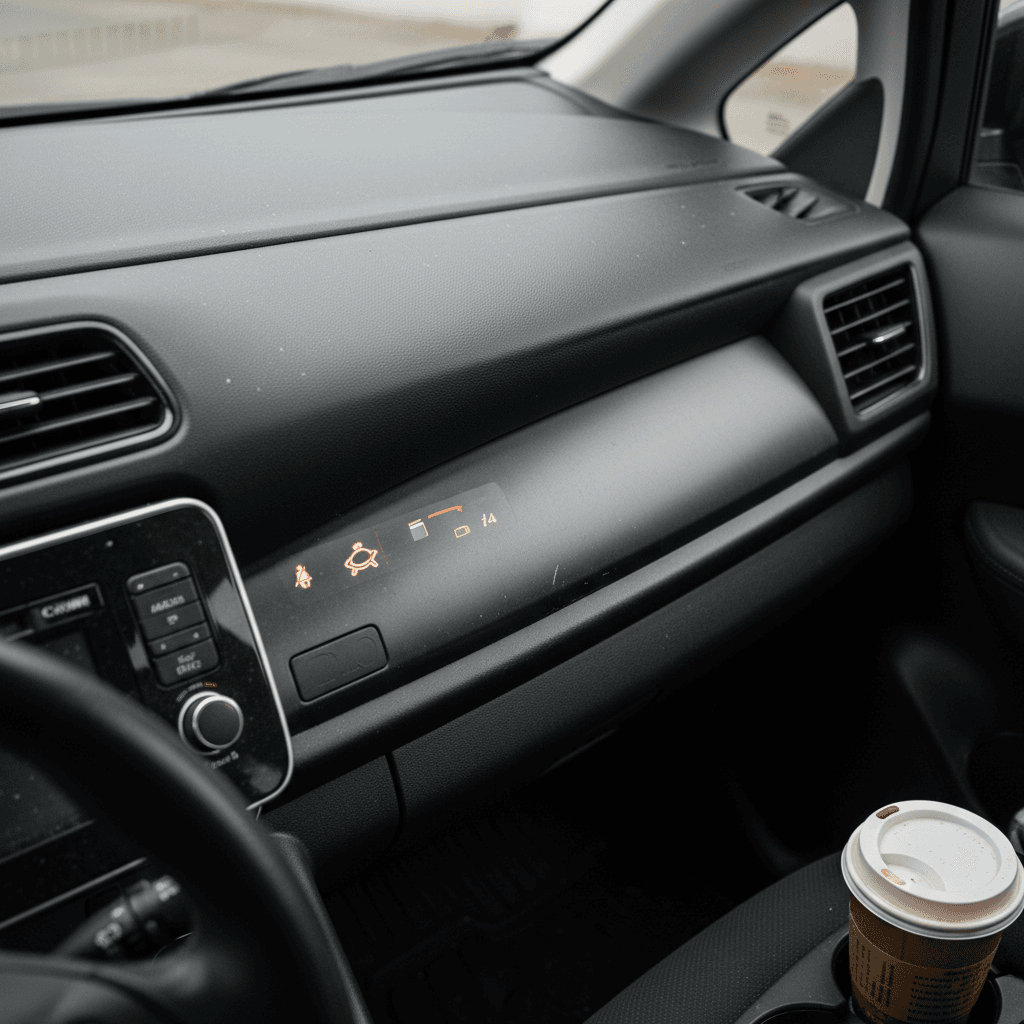
- On many Nissan LEAFs, a small **turtle-shaped icon** appears on the dashboard with a “power limited” message.
- Other brands may show text like **“Reduced power,” “Limited performance,”** or **“Powertrain malfunction – reduced output.”**
- Functionally, they all mean roughly the same thing: the car will still move, but much more slowly and gently.
Think of it as EV reserve
When and why turtle mode activates
Manufacturers use different names and thresholds, but the triggers are similar across modern EVs. Turtle or reduced‑power mode will usually kick in when one (or more) of these conditions are met:
Main reasons your EV enters turtle mode
It’s almost always your car protecting hardware, not “being broken” in the traditional sense.
1. Critically low state of charge
2. Battery too cold or too hot
3. System or 12‑volt fault
Each brand uses different terminology
What it feels like when your EV enters turtle mode
Drivers usually describe turtle mode as if the car suddenly became heavy or gutless. You press the accelerator and… not much happens. Depending on the model and what triggered it, you might notice:
- Very slow acceleration, especially above city speeds.
- A lower **maximum speed**; some EVs may struggle to go much beyond 45–55 mph once turtle mode is active.
- The power gauge or “bubbles” on the dash dropping to just a few segments.
- Warning messages like **“Motor power limited,” “Pull over safely,”** or a turtle icon lighting up and staying on until you charge or reboot the car.
Turtle mode vs. normal low‑battery warnings
How far you can drive in turtle mode
How many miles you get once turtle mode appears depends on your car, speed, terrain, and especially why turtle mode activated. There is no universal number, but there are some patterns:
Typical distance once turtle mode activates
These are rough, conservative scenarios, not guarantees. Always assume less than best‑case.
| Scenario | Battery level at turtle | Likely extra distance | What it feels like |
|---|---|---|---|
| Low state of charge on level roads | ~1–3% indicated or hidden reserve | 0.5–3 miles | Sluggish but drivable; enough to exit the highway and crawl to a nearby charger |
| Low state of charge on highway or hills | Similar SOC but higher power demand | Under 1–2 miles | Car may struggle uphill and can shut down suddenly if you keep pushing it |
| Cold battery (20°F or below) at moderate SOC | 20–40% indicated | Varies widely; sometimes several miles | Power limits may ease as the pack warms; still wise to slow down and plan a stop |
| Fault or 12‑volt issue | Any SOC | Anywhere from seconds to a few miles | Power can cut abruptly; treat it as a safety issue and pull over quickly |
Actual range will vary; plan turtle mode as an emergency buffer, not usable daily range.
Don’t “test” turtle mode for fun
Common causes beyond just low battery
For most EV owners, turtle mode is a one‑off event after they’ve pushed the battery too far. But if you’re seeing it at higher state of charge, or often, it can point to deeper issues, which matter a lot if you’re driving or shopping for a used EV.
Why you might see turtle mode even with “plenty” of charge left
These issues are more common in older or poorly maintained EVs.
Aging or high‑resistance battery pack
Cold‑soaked packs in winter
High continuous load (steep grades, towing)
12‑volt or system faults
Frequent turtle mode is a red flag
How to respond safely when you see the turtle
When turtle or reduced‑power mode appears, treat it as an urgent but controlled situation. Your goal is to **stay predictable, preserve what’s left in the battery, and get to a safe spot**, ideally with a charger.
Step-by-step: What to do when your EV goes into turtle mode
1. Stay calm and ease off the accelerator
Sudden stomping on the pedal won’t give you more power and can make voltage sag worse. Hold a steady, gentle throttle and let faster traffic pass.
2. Move right and avoid passing
Signal, move to the right‑most lane, and turn on hazard lights if traffic is significantly faster than you. Your acceleration is limited, so avoid passing or lane changes that require quick bursts of speed.
3. Turn off nonessential loads
Switch off seat heaters, rear defroster, and climate if it’s safe to do so. It won’t magically add miles, but every bit of reduced load helps when the pack is at its limit.
4. Navigate to the nearest safe stop or charger
Use the nav or your phone to find the closest charging station or safe parking area. Prioritize **getting off the highway** over reaching your usual favorite charger across town.
5. If warnings escalate, pull over safely
If the dash tells you to **“Stop safely,” “Pull over,”** or the car starts dropping speed rapidly, treat it like an engine failure in a gas car: signal, pull onto the shoulder or an exit ramp, and stop in a safe location.
6. After stopping, don’t keep cycling power to limp farther
Repeatedly shutting the car off and on to squeeze out a few extra yards can push the pack below safe voltage and may leave you fully stranded. Call roadside assistance or a tow if you can’t reach a charger safely.
Good news: the car is doing its job
How to avoid turtle mode in daily driving
The best way to “manage” turtle mode is to almost never see it. A few simple habits go a long way, especially in winter or with an older pack.
Practical ways to stay out of turtle mode
Small planning tweaks make a big difference in day‑to‑day EV life.
Plan with a buffer
Adjust for cold weather
Watch early warnings
Know your local chargers
Maintain the 12‑volt battery
Drive smoother, especially as SOC drops
What turtle mode tells you about a used EV
If you’re shopping for a used EV, **how and when turtle mode shows up** can tell you a lot about the underlying battery health, and whether you’re looking at a solid car or a future headache.
Red flags during a test drive
- Turtle or reduced‑power warnings appearing **above ~20% charge**, especially on mild days.
- State of charge or estimated range **dropping suddenly** under moderate acceleration, then bouncing back later.
- Multiple warning lights tied to the battery or powertrain that return after a reset.
Any of these can point to elevated internal resistance, cell imbalance, or other battery issues that deserve a closer look before you commit.
How Recharged helps de‑risk used EVs
At Recharged, every used EV comes with a Recharged Score Report that includes verified battery health and range, not just odometer readings.
- Battery diagnostics that look beyond simple dashboard bars.
- Fair market pricing that reflects real battery condition.
- Expert EV specialists who can explain what power‑limit events and past behavior might mean for future ownership.
If you’ve experienced turtle mode in your current EV and are thinking about trading up, Recharged can help you trade in or sell with transparent, battery‑aware valuation, and then match you with a used EV that fits your real‑world range needs.
Leaning toward a used EV?
FAQ: EV turtle mode and reduced power warnings
Frequently asked questions about EV turtle mode
Key takeaways on EV turtle mode
Turtle mode isn’t your EV “failing”, it’s your EV **protecting itself** when the battery or powertrain is at its limits. When that turtle or reduced‑power message shows up, your priorities are simple: stay calm, get out of fast traffic, and head straight for the nearest safe stop or charger.
- Turtle mode means **severely limited power** and usually just a short remaining distance, treat it like an emergency reserve.
- It’s most often triggered by **very low state of charge**, but cold weather, steep hills, or component faults can also bring it on.
- If you’re seeing turtle mode often, especially at higher SOC, it’s time for a **battery and system health check**.
- Smart planning, charging buffers, winter adjustments, and basic maintenance, makes it easy to go months or years without ever seeing the turtle.
If you’re considering a used EV and worried about battery health or surprise turtle‑mode moments, working with a specialist matters. Recharged pairs each vehicle with a **Recharged Score battery health report**, EV‑savvy guidance, and flexible options for **financing, trade‑in, and nationwide delivery**, so you can enjoy electric driving without constantly wondering if the turtle is hiding around the next bend.